






ASTM F67 Gr 4 Pure Titanium Medical Bar


Lightweight and extremely durable material.
Corrosion-resistant for long-term use.
High strength-to-weight ratio for flexibility.
Excellent fatigue resistance for durability.
Customizable to suit surgical needs.
Reliable in critical medical environments.
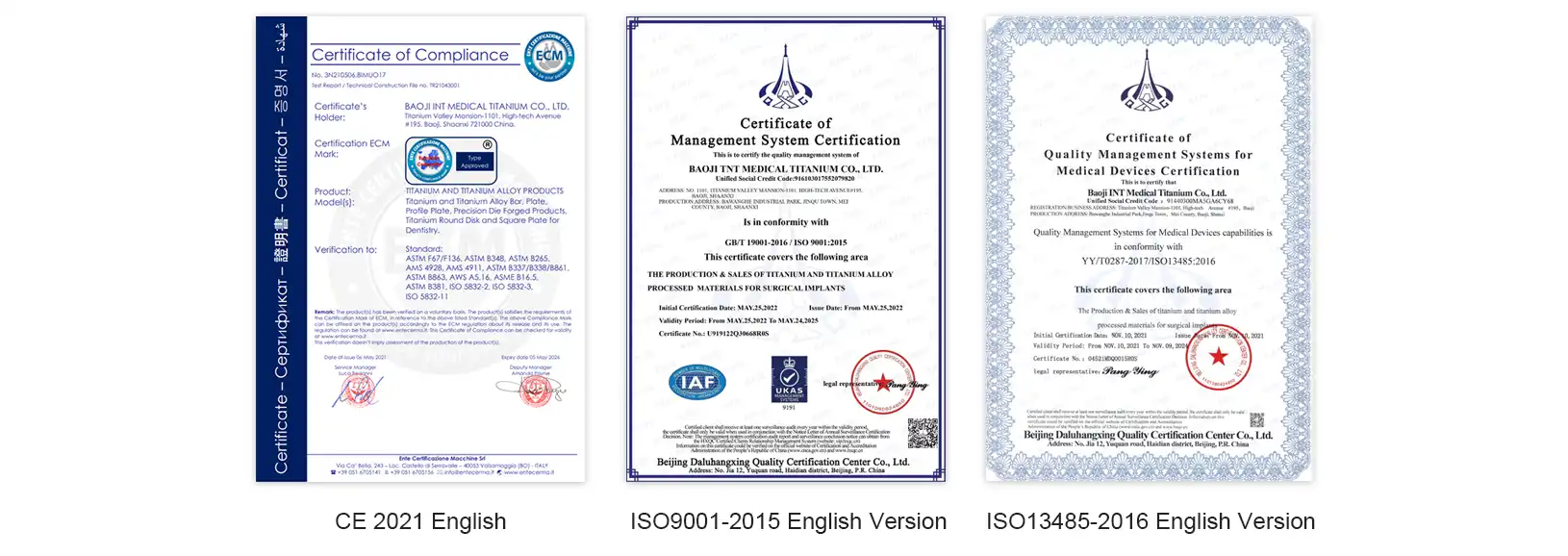
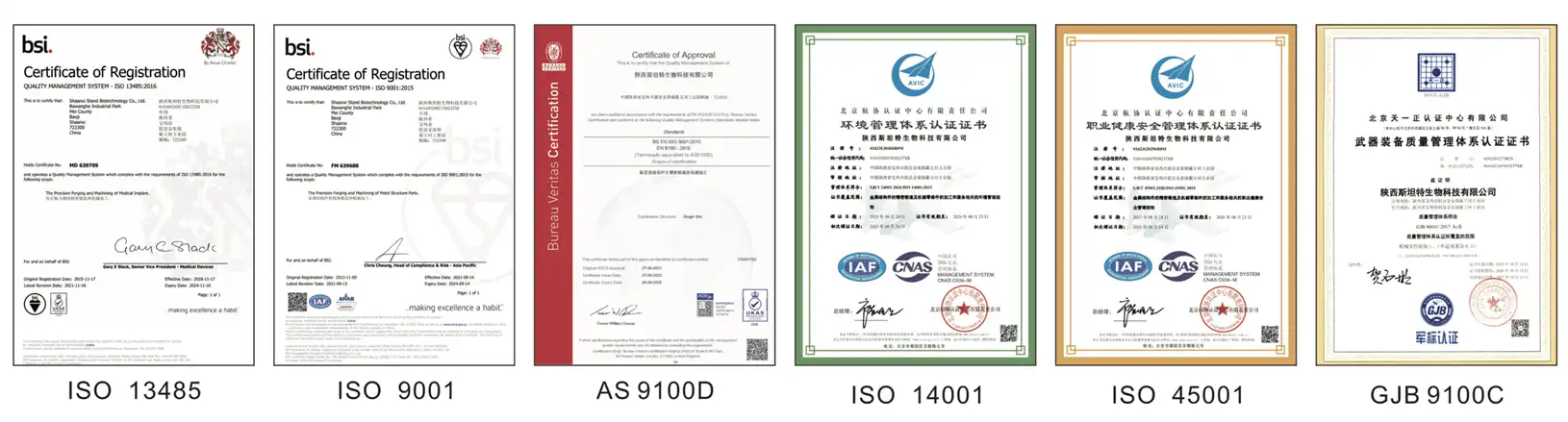
All products have passed ISO9001:2015, ISO13485:2016, EU CE safety certification
ASTM F67 Gr 4 Pure Titanium Medical Bar for High-Strength Surgical Implant Manufacturing
Baoji INT Medical Titanium Co., Ltd. offers ASTM F67 Gr 4 Pure Titanium Medical Bar engineered specifically for high-stress orthopedic and dental implant applications. With over 30 years of titanium processing expertise since 2003, our Grade 4 bars deliver tensile yield strength up to 480 MPa while maintaining complete biocompatibility—eliminating aluminum and vanadium found in titanium alloys. Every product undergoes strict vacuum annealing to control hydrogen content below 0.015%, preventing hydride-induced embrittlement. Our ISO13485:2016 certified facility ensures consistent oxygen content (0.25-0.40%) and iron control, providing you with load-bearing capability comparable to stainless steel without sacrificing corrosion resistance or osseointegration performance.
|
|
|


Superior Mechanical Properties for Load-Bearing Applications
Grade 4 is the highest commercially pure titanium rating available for surgical usage. You want materials for your implant devices that can tolerate physiological stress. Without compromising patient safety.
Our bars have a tensile yield strength of 480-550 MPa, which is about 75% stronger than Grade 2 titanium. This improvement in mechanical properties is achieved via controlled interstitial strengthening, enabled by careful control of the oxygen and iron contents. That means you get material suitable for severe load-bearing structures such as bone fixation plates and spinal fusion cages.
The material has a minimum elongation of 15% which gives it enough ductility to be cold formed and thread rolled. This blend of strength and formability enables your manufacturing team to produce complicated shapes without material failure during fabrication.
Technical Specifications
|
Property |
ASTM F67 Grade 4 Specification |
|
Tensile Strength |
580 MPa (min) |
|
Yield Strength |
485 MPa (min) |
|
Elongation |
15% (min) |
|
Oxygen Content |
<0.40% |
|
Hydrogen Content |
<0.015% |
|
Iron Content |
0.50% (max) |
|
Carbon Content |
0.08% (max) |
|
Nitrogen Content |
0.05% (max) |
|
Density |
4.51 g/cm³ |
Exceptional Biocompatibility for Long-Term Implantation
Your patients depend on implant materials that integrate seamlessly with human physiology. ASTM F67 Gr 4 Pure Titanium Medical Bar contains zero alloying elements that could trigger adverse biological responses.
This substance is 100% non-toxic and non-allergenic when it comes in contact with body fluids. Our titanium rods, compared to stainless steel options, are resistant to all types of physiological corrosion and retain their structural integrity for the whole lifespan of the implant. This stability is reassuring when considering the discharge of metal ions into adjacent tissues.
The unalloyed composition is beneficial for fast osseointegration, which means direct bone-to-implant contact without fibrous tissue formation. You give doctors materials that minimise healing time and improve long term implant stability. When the passive oxide layer is destroyed , it immediately re-forms and gives lasting protection against biological deterioration.
Precision Manufacturing for Swiss-Style Machining
Modern medical device production requires dimensional control to tight tolerances. Our bars are ground to h7, h8, or h9 ISO specifications specifically for Swiss-lathe operations.
These close tolerances assure a solid position in the guide bushings during high speed CNC cutting. You reduce tool deflection and generate uniform thread profiles for bone screws and dental abutments. A better surface polish means less post-machining cleanup, which lowers your manufacturing costs.
Our vacuum annealing also removes the alpha case, a brittle oxygen-rich surface layer that promotes premature tool wear, and initiates fatigue cracks. You get bars with uniform microstructure from surface to core. This means predictable machining behaviour over the whole production runs.
MRI Compatibility and Diagnostic Imaging Benefits
Modern diagnostic environments demand the safe operation of medical devices. Titanium grade 4 is fully non-ferromagnetic therefore your implants will remain compatible with magnetic resonance imaging devices.
The MRI methods do not induce heating or migration pressures on the material. Diagnostic imaging of your implants does not cause any device-related problems. This means that there are very few image artefacts compared with stainless steel alternatives. This allows the radiologist to precisely analyse the surrounding tissues and the healing status.
This electromagnetic transparency extends device utility over patient life cycles. Your implants do not limit diagnostic possibilities or degrade image quality in post-surgical monitoring and follow-up tests.
Quality Assurance and Certification Compliance
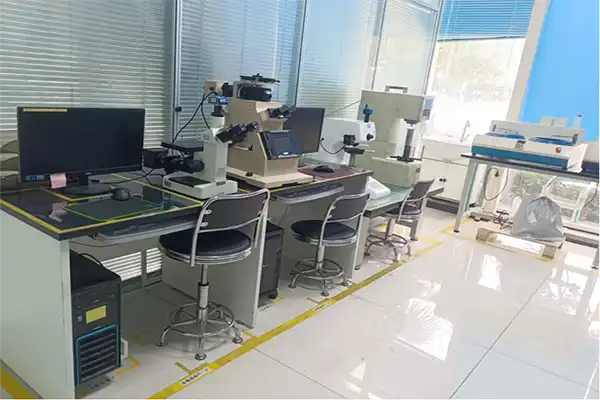
Each production lot is tested to extensive testing processes that go beyond basic industrial requirements. Interstitial element analysis is performed to check the correct quantities of oxygen, nitrogen and hydrogen using the ASTM E1409/E1447 procedures.
Bar cross-sections confirm the occurrence of zero alpha case by microstructure analysis. Mechanical property consistency verified by Tensile and bend testing in accordance with ASTM E8/E290. Ultrasonic inspection can reveal interior voids or inclusions that may adversely affect the functionality of the implant.
We are certified to ISO9001:2015 and ISO13485:2016 which are systematic quality management standards linked with worldwide medical device legislation. EU CE marking ensures that products comply with European safety directives. You will have complete material traceability paperwork to support your regulatory submissions and quality audits.
Customization Options for Specialized Applications
Flexible material solutions are key to the development of medical devices. We can accommodate your manufacturing needs with custom diameter ranges, length specs and surface finish options.
Type III Anodising Services Colour-coding surgical equipment without harmful paints or chemicals. Sterile surgical trays can be identified by size using gold, blue, and purple coatings that are biocompatible. Mechanical properties can be optimised for specific implant designs using custom heat treatment parameters.
You work with our technical staff through your product development and they may help you with material selection and processing advice. Whether it’s spinal hardware, maxillofacial reconstructive plates or orthopaedic trauma implants, we customise to your exact needs.
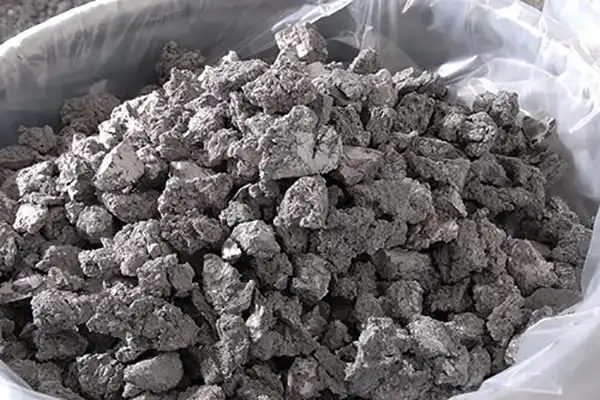
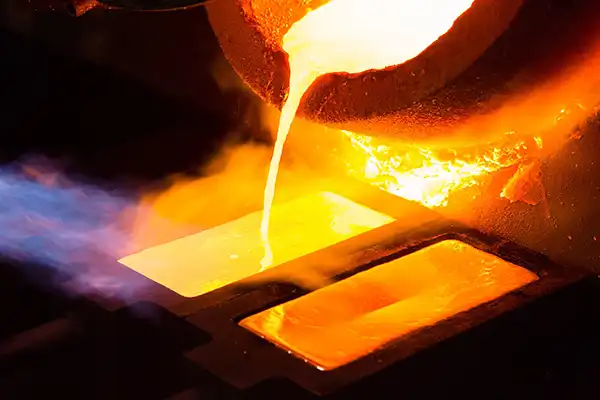
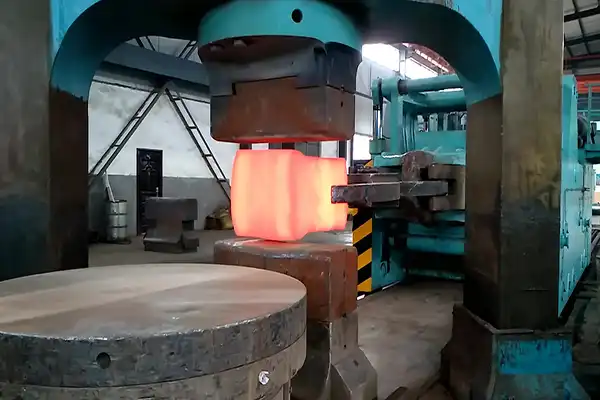
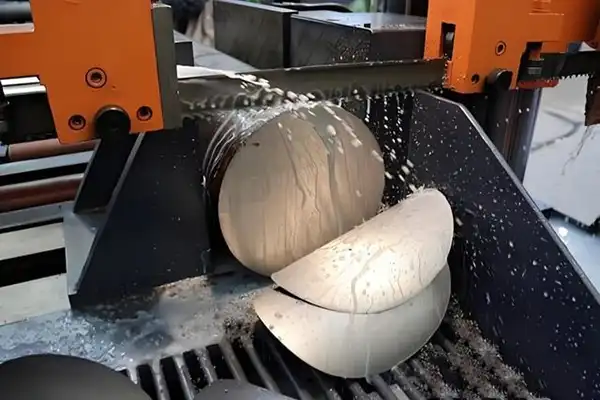
Product Technology and Production Process
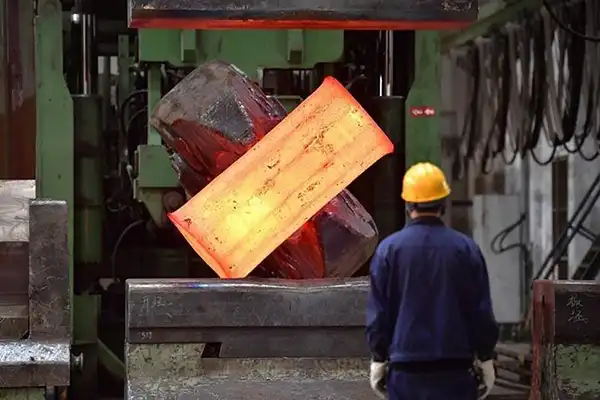
Hot rolling and forging techniques that enhance the mechanical properties, ensuring superior strength and toughness.
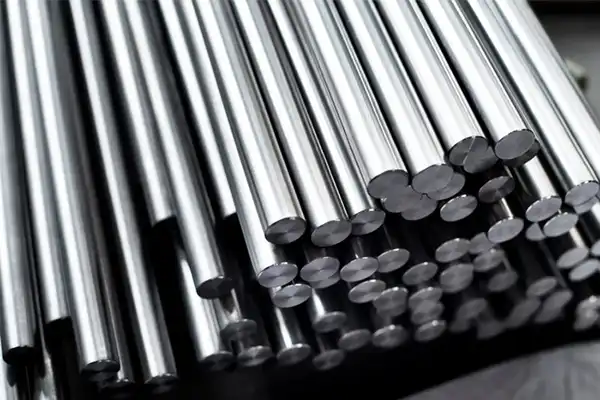
Ultrasonic testing to detect flaws and ensure 100% reliability.
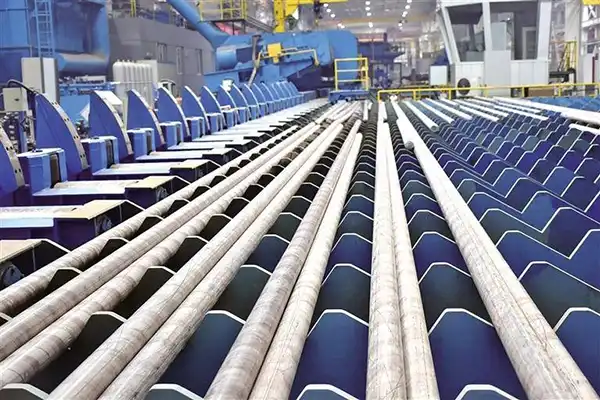
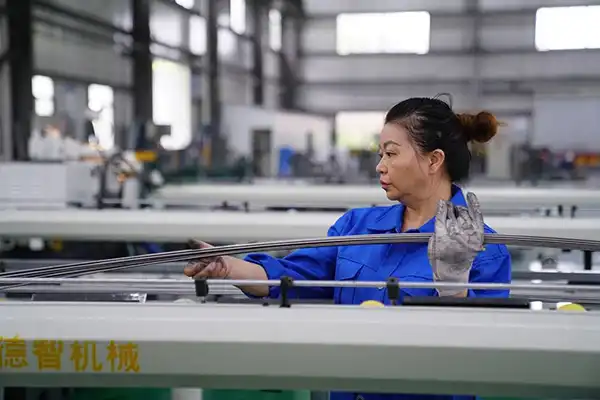
Strict quality control at every stage of production, meeting and exceeding international medical standards like ISO9001:2015 and ISO13485:2016.
 |
 |
 |
 |
 |
 |
 |
 |
Industries Catered
Our products are widely used in medical, automotive, aerospace, chemical, scientific and technological manufacturing and electronic information industries.
 |
 |
 |
 |
 |
 |
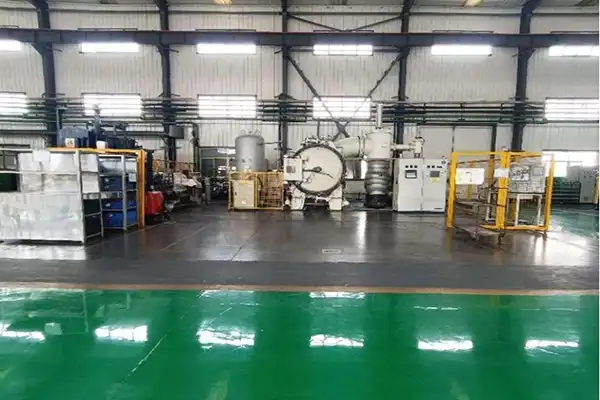
Our Factory - A Legacy of Excellence
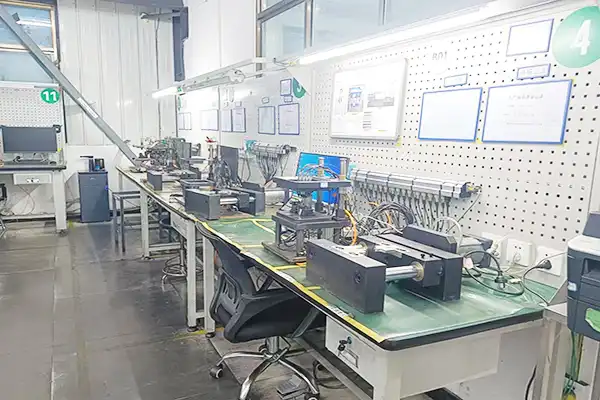
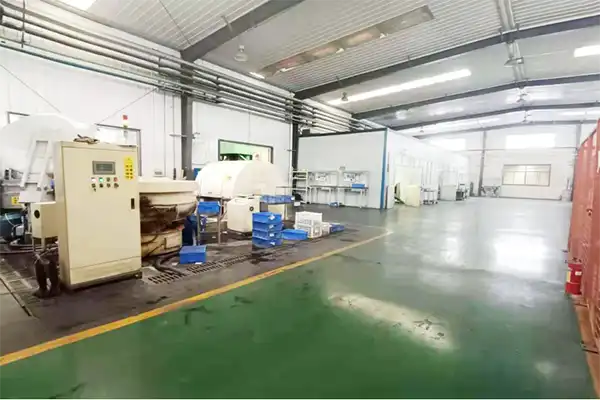
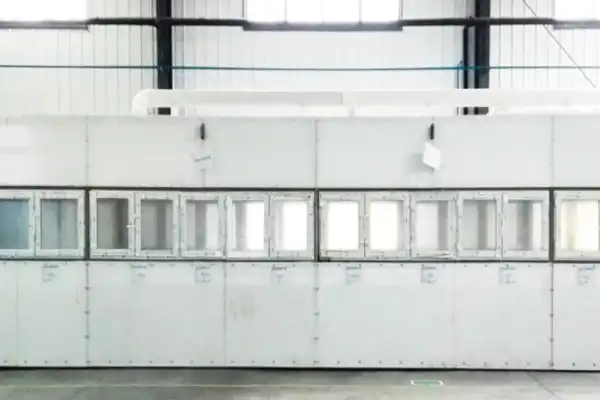
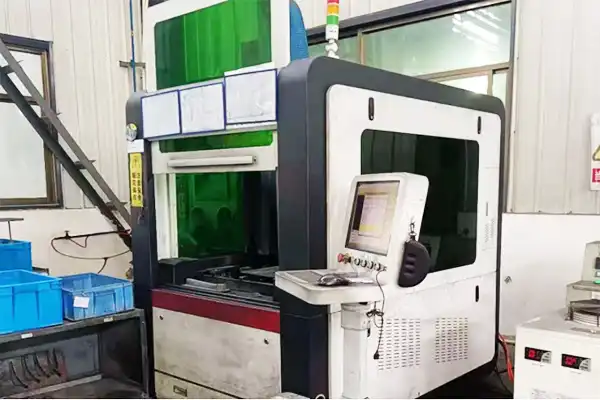
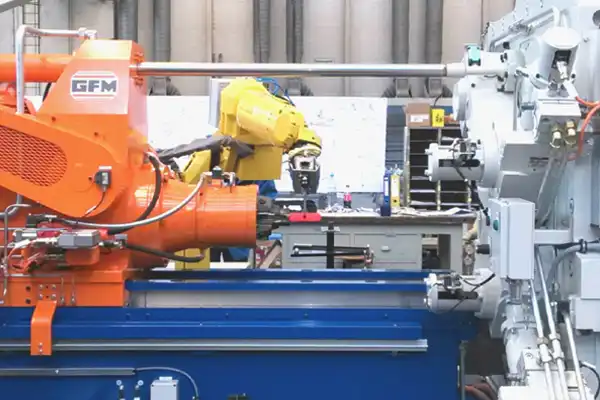
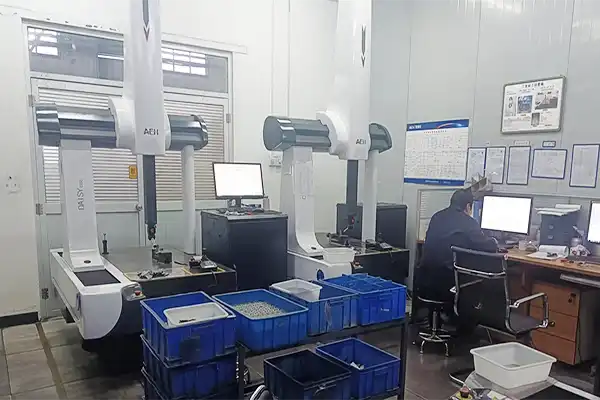
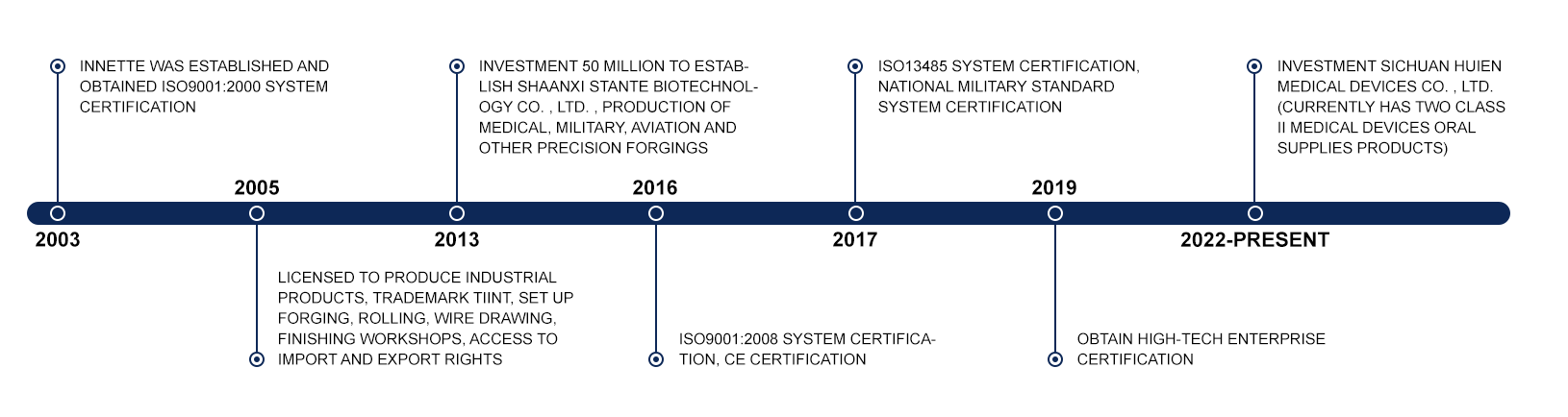
Founded in 2003 by titanium industry expert Mr. Zhan Wenge, Baoji INT Medical Titanium Co., Ltd. has grown into a benchmark enterprise in the R&D and production of medical titanium materials. With more than 30 years of experience, INT is deeply invested in the development of high-quality titanium for the medical sector. We provide a full range of titanium products, including pure titanium, Ti6Al4V ELI titanium, and custom titanium alloy forgings.
 |
 |
 |
 |
 |
 |
 |
 |
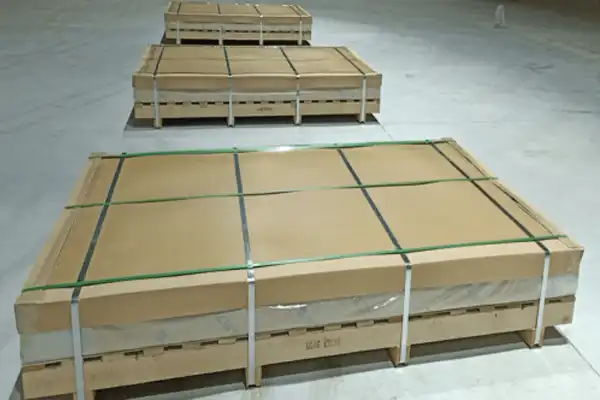
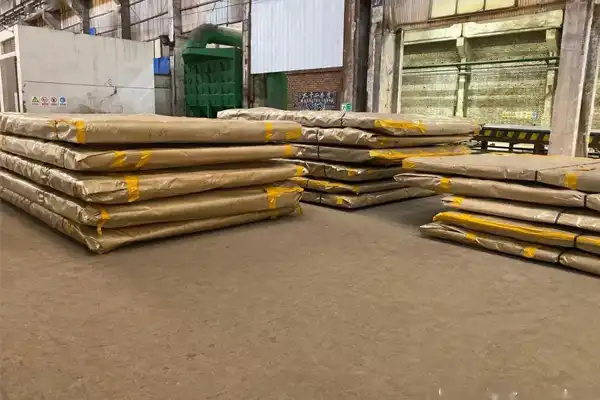
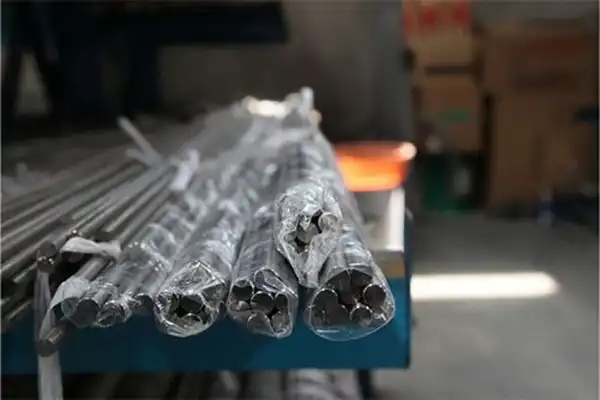
Packaging and Transportation
 |
 |
 |
Why Choose Us?
Choosing Baoji INT Medical Titanium Co., Ltd. means partnering with a trusted leader in the medical titanium industry.
Here’s why:
Proven Expertise: Over 30 years of experience in medical titanium production.
Advanced Technology: State-of-the-art production lines and equipment.
International Certifications: ISO9001:2015, ISO13485:2016, and EU CE certifications.
Comprehensive Support: We provide ongoing technical support, ensuring our products fit seamlessly into your manufacturing process.
Customer-Centric Approach: Committed to delivering high-quality products on time, every time.
For inquiries or orders, please contact us at export@tiint.com. We look forward to partnering with you for your medical titanium needs.
FAQ
Q: What distinguishes Grade 4 from other ASTM F67 grades for surgical applications?
A: Grade 4 provides the highest strength among commercially pure titanium grades through controlled oxygen content (0.25-0.40%). This delivers yield strength around 480 MPa—nearly double that of Grade 2—while maintaining complete biocompatibility. It's ideal when you need load-bearing capability without introducing alloying elements like aluminum or vanadium found in Grade 5 titanium.
Q: How does hydrogen control affect implant reliability?
A: Titanium absorbs hydrogen during processing, and levels exceeding 0.015% cause brittle titanium hydride formation. These precipitates create crack initiation sites under cyclic loading. Our strict vacuum annealing protocols maintain hydrogen below critical thresholds, ensuring your implants resist fatigue failure throughout their service life.
Q: Can Grade 4 bars be cold-formed into complex geometries?
A: Yes. Despite higher strength, Grade 4 maintains 15% minimum elongation, providing sufficient ductility for cold heading, thread rolling, and bending operations. The material work-hardens predictably, allowing controlled deformation without cracking. Proper tooling design and intermediate annealing enable complex shapes while preserving mechanical properties.
Q: What surface treatments are compatible with medical-grade titanium?
A: Grade 4 titanium accepts various surface modifications including mechanical polishing, electropolishing, passivation, and anodization. Type III anodizing creates interference color layers (20-100 nm oxide thickness) without affecting biocompatibility. Avoid treatments introducing contaminants that could compromise osseointegration or corrosion resistance.
Q: How do I verify material authenticity for regulatory compliance?
A: Request complete mill test reports including chemical composition analysis, mechanical testing results, and traceability to specific ingot lots. Third-party verification through ASTM E1409 (oxygen/nitrogen) and E1447 (hydrogen) testing confirms grade compliance. We provide full documentation supporting FDA 510(k) submissions and ISO13485 audits.
Partner with Proven Medical Titanium Expertise
Ready to source ASTM F67 Gr 4 Pure Titanium Medical Bar for your next surgical implant project? Contact our technical specialists at export@tiint.com for material specifications and sample evaluation.


