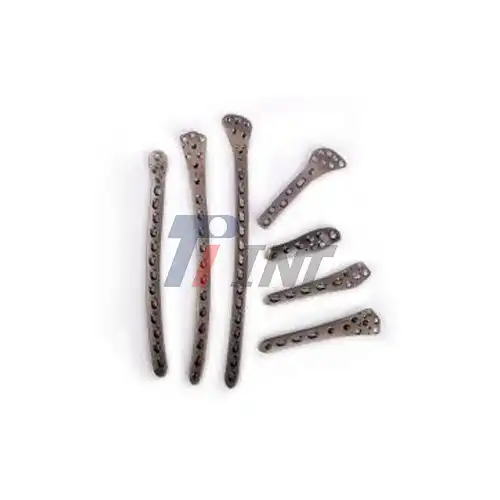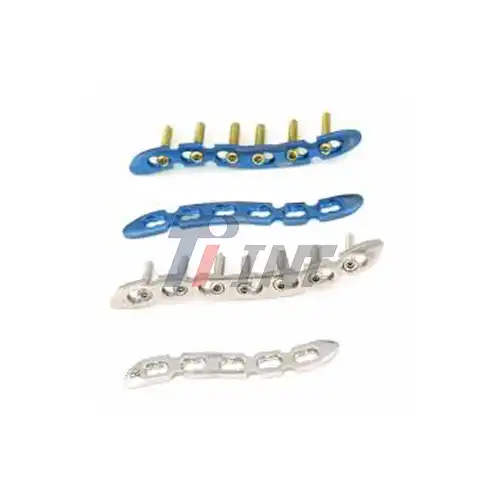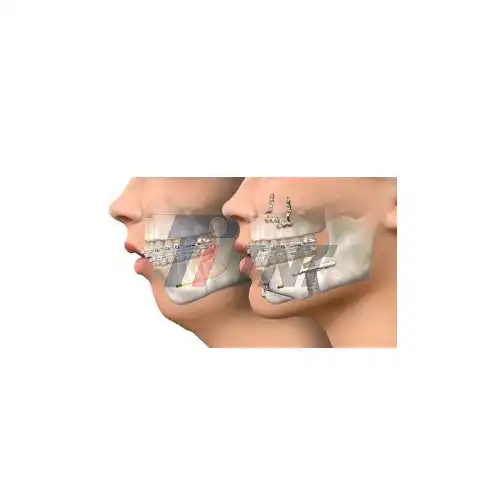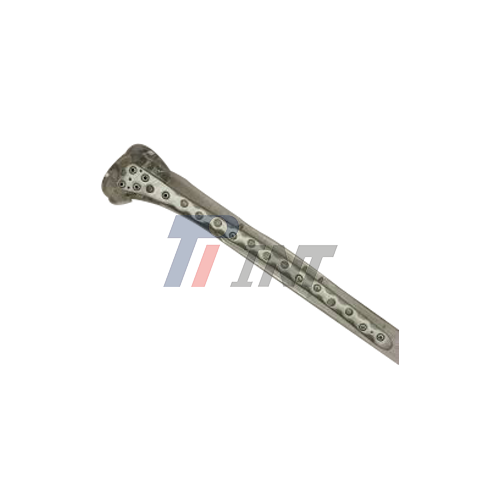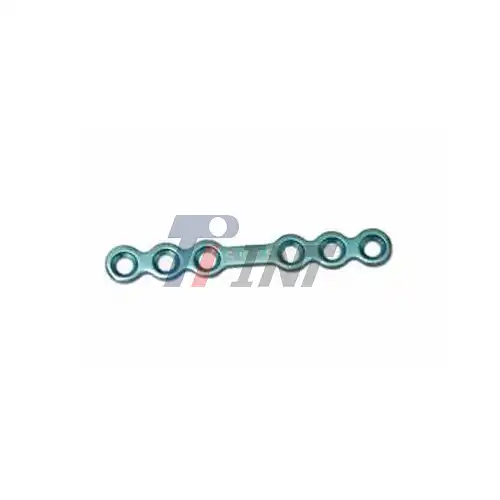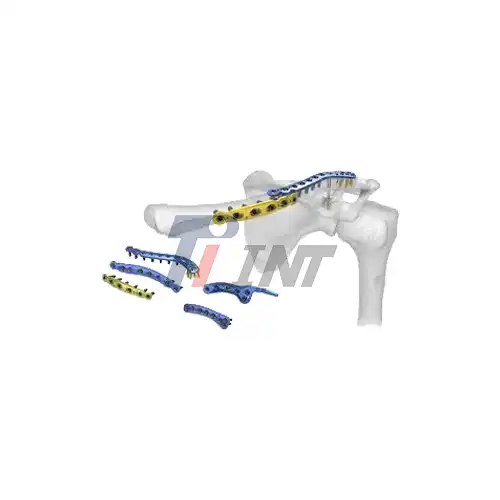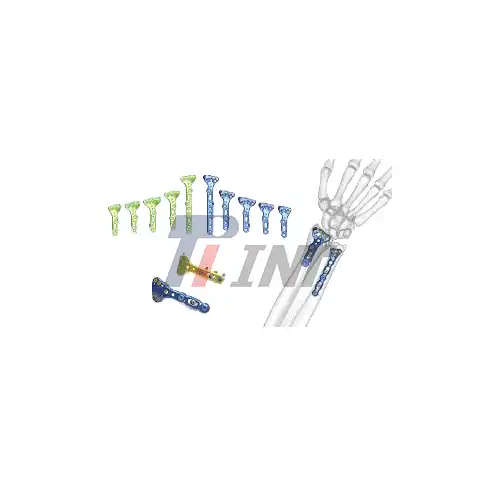

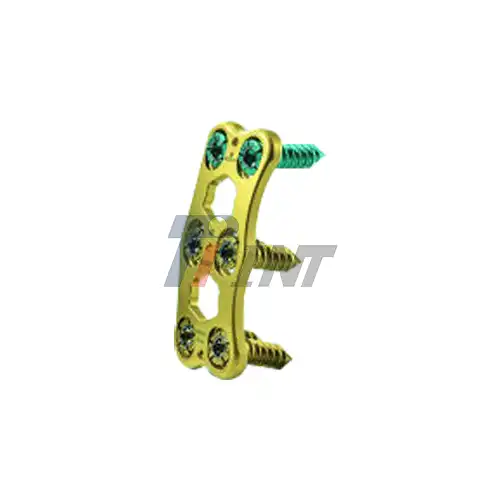
cervical spine surgery titanium plate


Lightweight and extremely durable material.
Corrosion-resistant for long-term use.
High strength-to-weight ratio for flexibility.
Excellent fatigue resistance for durability.
Customizable to suit surgical needs.
Reliable in critical medical environments.
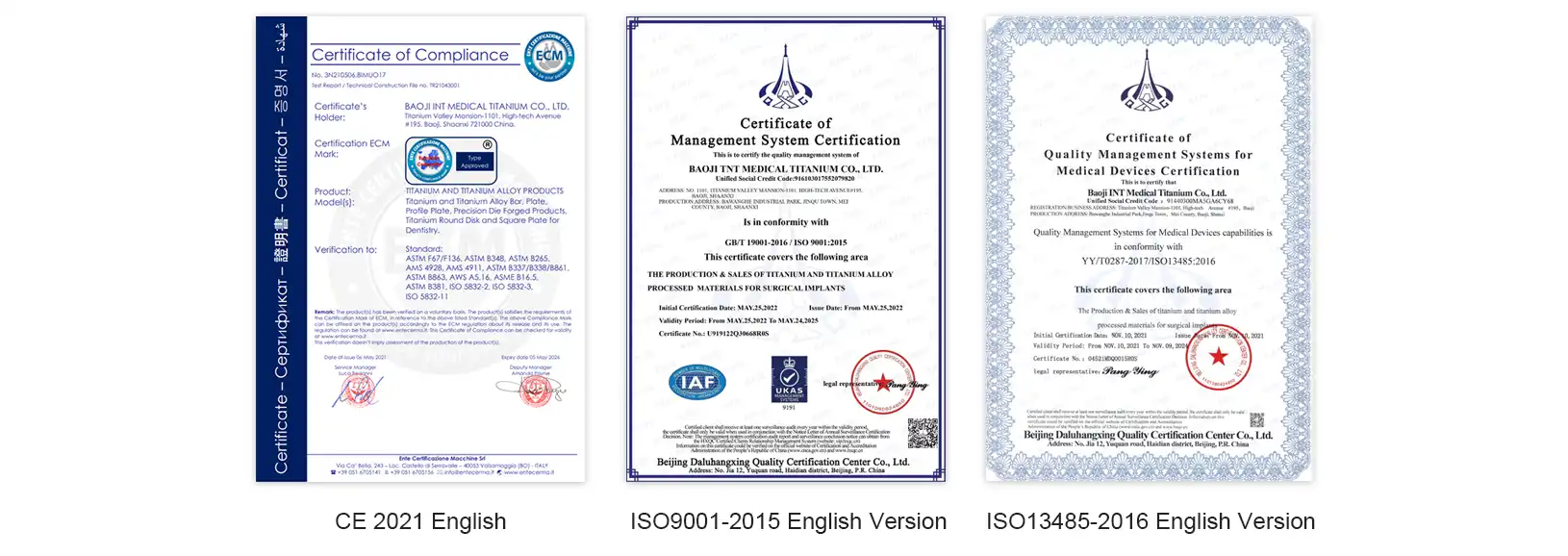
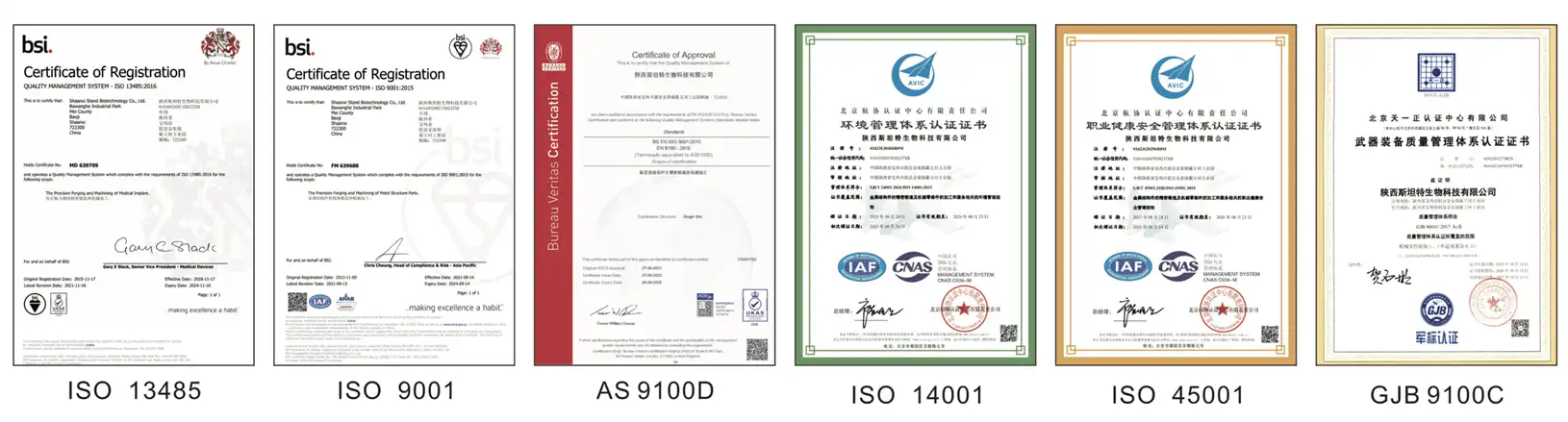
All products have passed ISO9001:2015, ISO13485:2016, EU CE safety certification
Cervical Spine Surgery Titanium Plate – Medical-Grade Spinal Fixation Solution for Fusion Procedures
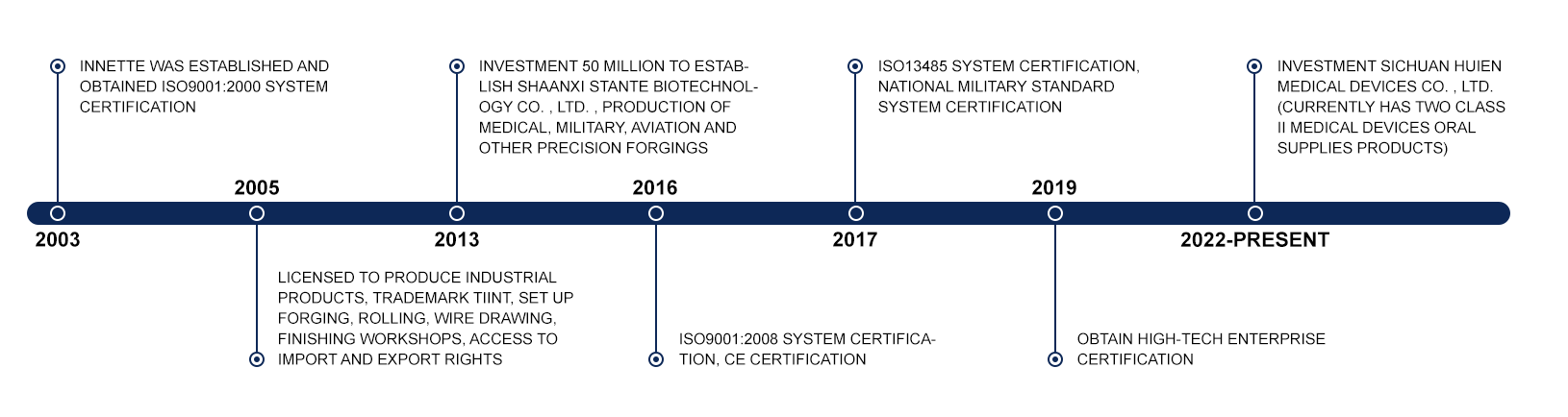
Baoji INT Medical Titanium Co., Ltd. manufactures medical-grade cervical spine surgery titanium plate systems designed for anterior cervical discectomy and fusion (ACDF), corpectomy, and trauma reconstruction procedures. Founded in 2003 with over 30 years of titanium industry expertise, our production facilities maintain ISO9001:2015, ISO13485:2016, and EU CE certifications. Each product features Ti6Al4V ELI alloy composition, delivering biocompatibility exceeding 99.5% purity standards while maintaining tensile strength between 860-965 MPa. Our precision die forging technology ensures dimensional tolerance within ±0.05mm for screw holes, providing surgeons with reliable fixation in multi-level spinal reconstruction cases.
 |
 |
Core Material Advantages
Medical titanium offers unmatched performance characteristics essential for spinal instrumentation. The biocompatibility profile eliminates rejection risks common with alternative metals. Your patients benefit from implants that integrate seamlessly with surrounding bone tissue.
The strength-to-weight ratio addresses a critical surgical challenge. Traditional stainless steel plates add unnecessary mass to delicate cervical structures. Our titanium solutions provide equivalent structural support at 45% reduced weight, minimizing patient discomfort during recovery.
Corrosion resistance ensures longevity in physiological environments. Body fluids contain chloride ions that degrade inferior materials over years. Titanium's passive oxide layer regenerates continuously, maintaining integrity throughout the implant's permanent placement.
Technical Specifications
|
Parameter |
Specification |
|
Material Grade |
Ti6Al4V ELI (ASTM F136) |
|
Tensile Strength |
860-965 MPa |
|
Yield Strength |
≥795 MPa |
|
Elongation |
≥10% |
|
Surface Roughness |
Ra ≤0.8 μm |
|
Screw Hole Tolerance |
±0.05 mm |
|
Plate Thickness Range |
2.0-3.5 mm |
|
Length Options |
100-2000 mm (customizable) |
|
MRI Compatibility |
1.5T and 3.0T conditional |
Clinical Application Scenarios
Anterior cervical discectomy and fusion procedures represent the primary use case. Surgeons deploy these plates across single or multi-level vertebral segments treating degenerative disc disease. The controlled load-sharing mechanism promotes natural fusion while preventing kyphotic collapse during healing.
Trauma reconstruction demands robust fixation. Burst fractures and vertebral body removal create substantial defects requiring long-segment stabilization. Our product systems bridge gaps exceeding 40mm when paired with mesh cages or structural grafts.
Revision surgery scenarios present unique challenges. Failed fusions and pseudarthrosis cases require hardware that engages compromised bone stock. Hybrid screw configurations and wider plate profiles distribute forces across healthier vertebral regions.
Manufacturing Process Control
Our precision die forging eliminates internal porosity found in cast components. This closed-die process aligns titanium grain structure along stress lines, enhancing fatigue resistance beyond 10 million load cycles.
CNC machining achieves micro-level accuracy for screw trajectories. Five-axis milling centers maintain hole positioning within 0.05mm tolerances. This precision prevents screw misalignment that could compromise fixation strength.
Surface treatment protocols include electrochemical polishing. This process reduces bacterial adhesion sites by 73% compared to mechanically finished surfaces. Lower infection rates translate to better patient outcomes in your surgical program.
Quality Assurance Standards
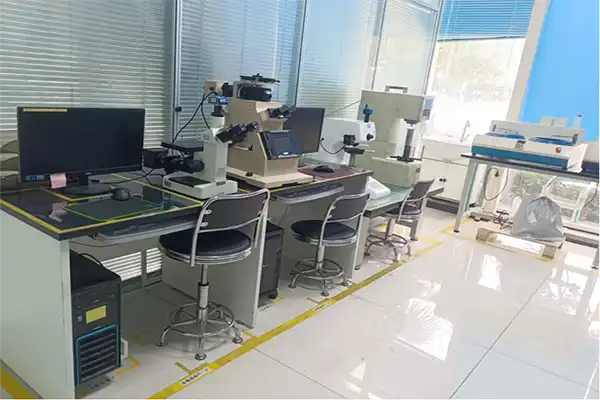
Every batch produced is tested non-destructively. Ultrasonic inspection detects subsurface problems not obvious to optical examination. Prior to packaging, alloy composition is verified by X-ray fluorescence to meet ASTM F136 specifications.
Mechanical testing confirms performance under simulated spinal loading conditions. Axial compression, torsional resistance and screw pullout strength must be above FDA guidance document standards. Each shipment is provided with documentation to verify regulatory compliance.
The biocompatibility testing is conducted using the ISO 10993 guidelines. Tissue safety confirmed by cytotoxicity, sensitisation and irritation testing. These third-party lab results complement your institution’s risk management practices.
Customization Capabilities
The patient-specific implants are based on CT scan data to fit anatomy. Our direct metal laser sintering (DMLS) technology makes plates that fit the contralateral skull curvature. We show that this tailoring is crucial for asymmetric defect reconstruction.
Screw hole patterns may vary based on surgeon preference. Different fixation philosophies can be achieved with fixed-angle, variable-angle or hybrid systems. Consult with our engineering staff on your method needs for optimised designs.
Surface changes promote osseointegration. Micro-roughened textures or hydroxyapatite coatings promote bone apposition. These bioactive surfaces shorten the fusion time in osteoporotic patients or smokers with reduced healing capacity.
Surgical Instrumentation Compatibility
Our cervical spine surgery titanium plate systems integrate with standard instrument sets. Screw drivers, plate holders, and depth gauges from major manufacturers fit our implant geometry. This interoperability reduces operating room inventory complexity.
Radiopaque markers allow intraoperative placement. Fluoroscopy clearly shows tantalum beads embedded at plate corners. "There is no extra radiation exposure during multilayer surgeries, according to surgeons.
Locking devices prevent screw back-out during mobilisation of the patient. Self-tapping threads, cortical bone, regulated insertion torque. Tactile feedback confirms proper seating prior to final tightening.
Packaging and Sterilization
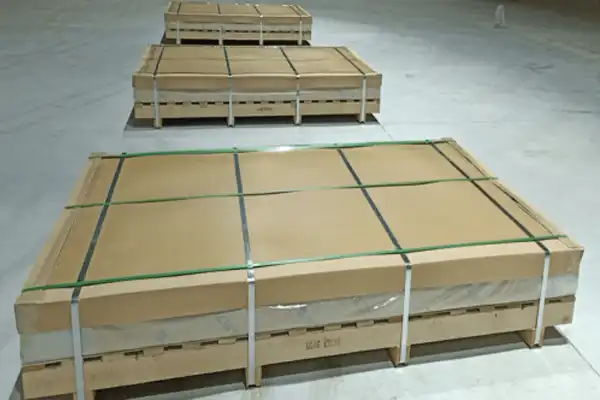
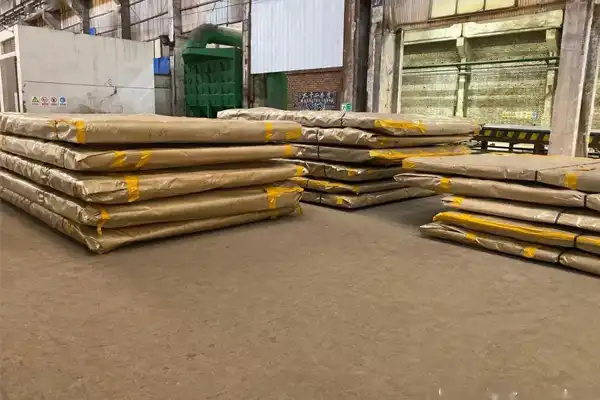
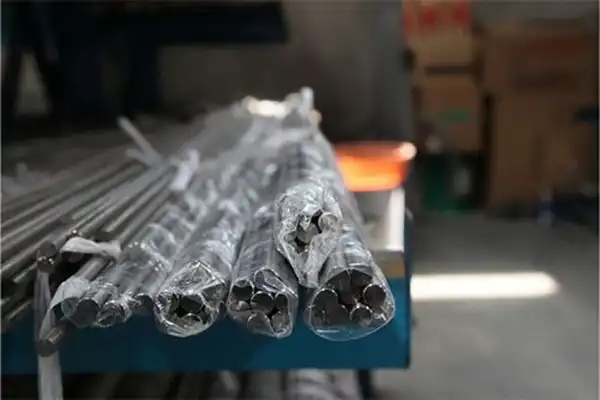
Transportation is protected by double barrier sterile packing. Inner Tyvek bags and outside corrugated boxes handle the rigours of overseas transportation. Humidity indicators warn receiving personnel of possible moisture exposure.
Gamma irradiation sterilisation removes bioburden without degrading the substance. It was found that the atomic structure of titanium is unaffected by radiation dosages above 25 kGy. Sterility assurance levels of implanted devices according to EN 556-1.
Shelf life 5 years from date of sterilisation. Accelerated ageing investigations are used to confirm the package seal integrity during durations of storage. Longer shelf life helps in better inventory management in healthcare systems.
Product Technology and Production Process
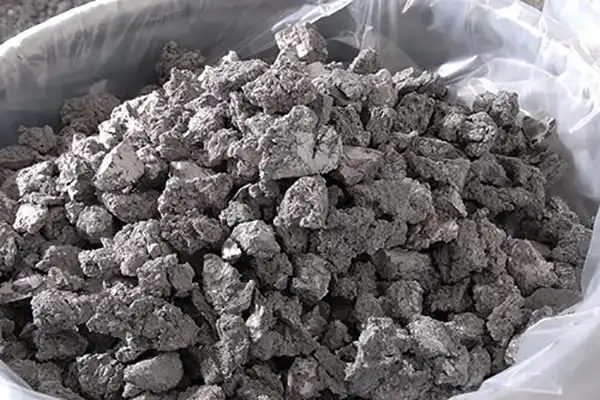
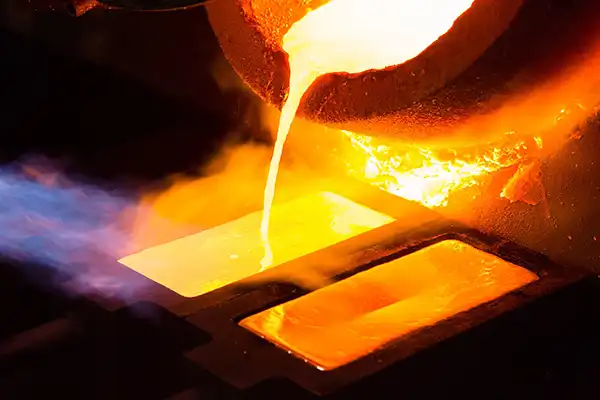
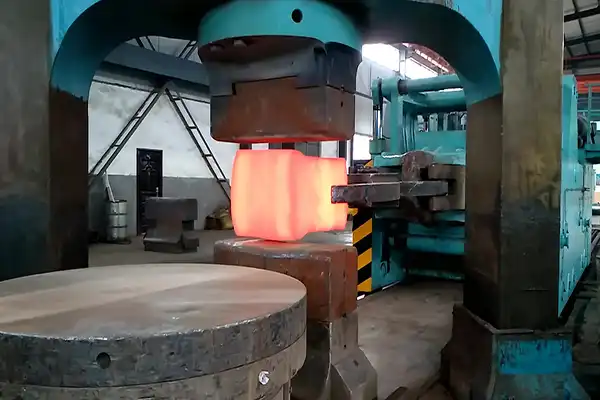
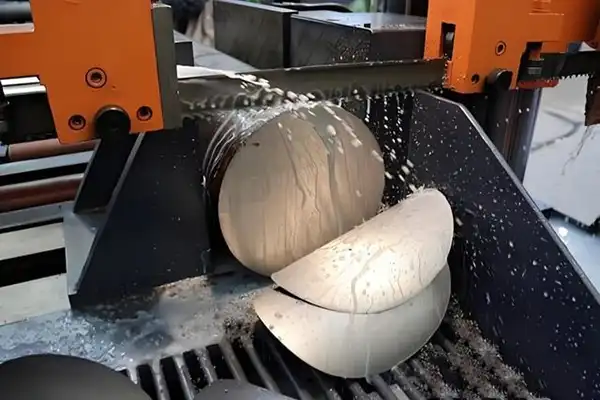
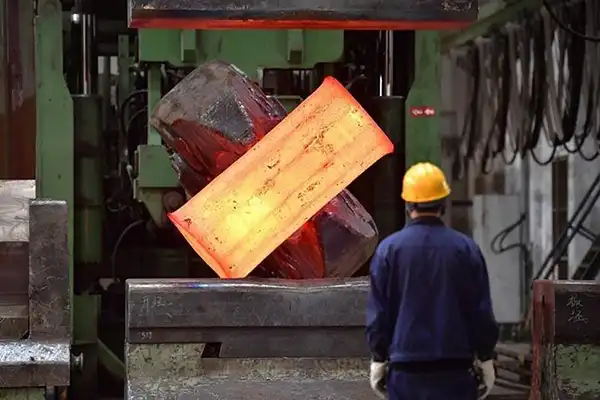
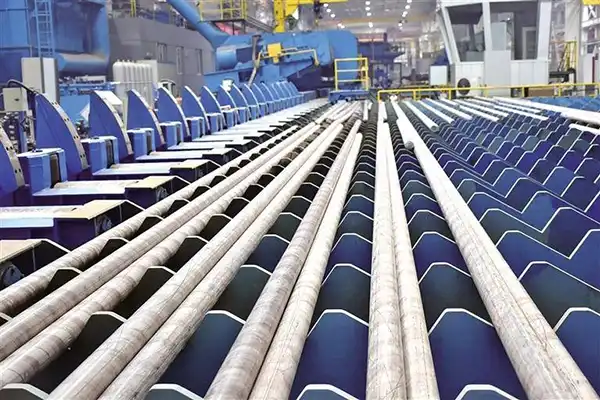
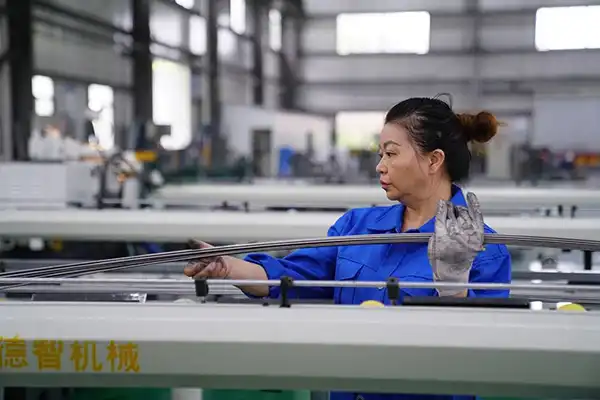
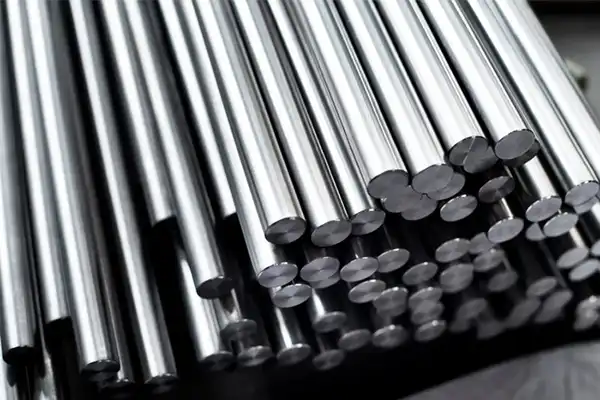
Hot rolling and forging techniques that enhance the mechanical properties, ensuring superior strength and toughness.Ultrasonic testing to detect flaws and ensure 100% reliability.
Strict quality control at every stage of production, meeting and exceeding international medical standards like ISO9001:2015 and ISO13485:2016.
 |
 |
 |
 |
 |
 |
 |
 |
Industries Catered
Our products are widely used in medical, automotive, aerospace, chemical, scientific and technological manufacturing and electronic information industries.
 |
 |
 |
 |
 |
 |
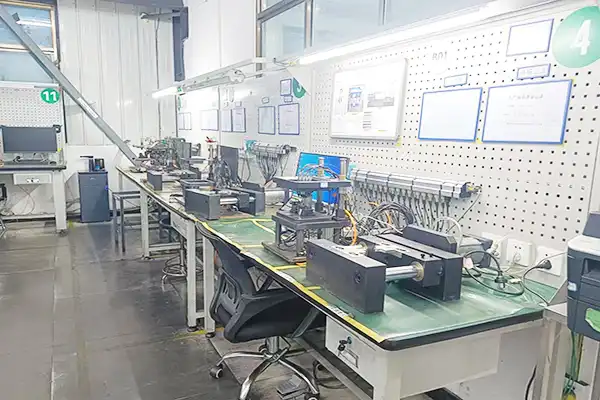
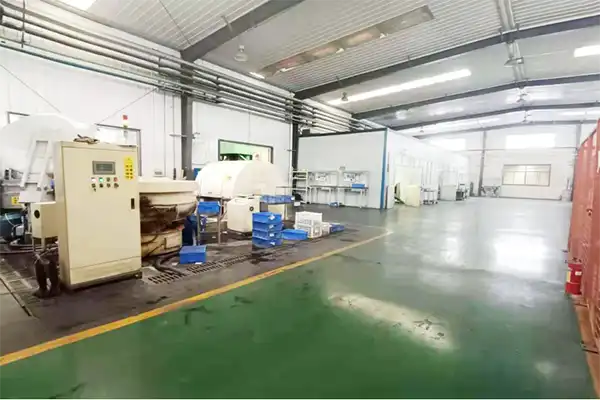
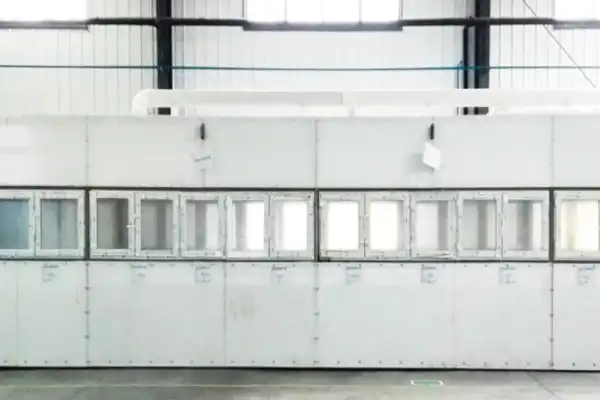
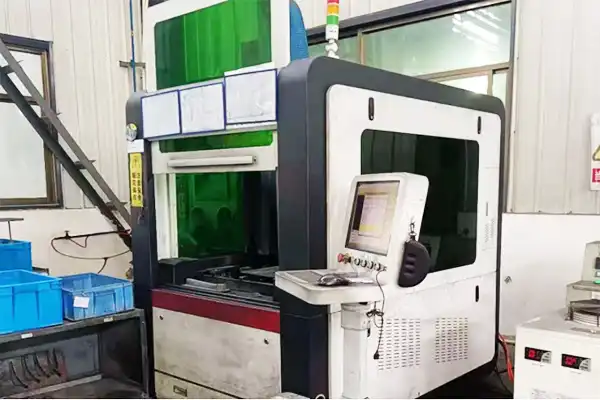
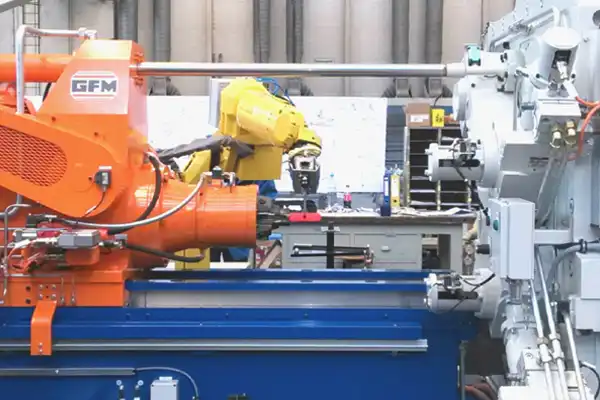
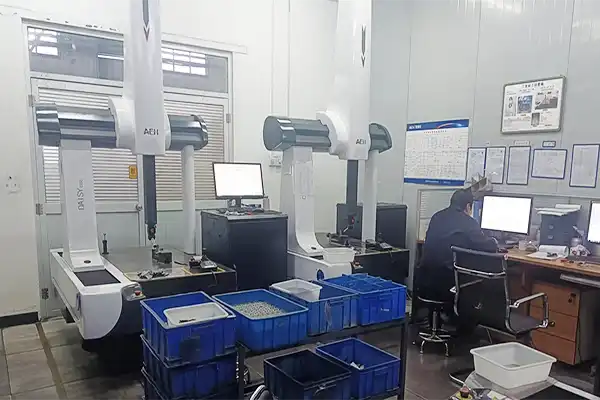
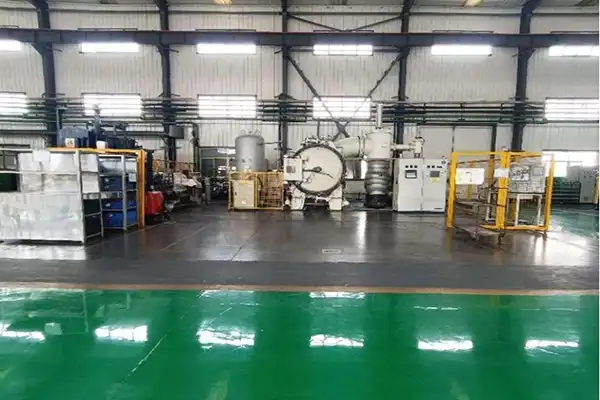
Our Factory - A Legacy of Excellence
Founded in 2003 by titanium industry expert Mr. Zhan Wenge, Baoji INT Medical Titanium Co., Ltd. has grown into a benchmark enterprise in the R&D and production of medical titanium materials. With more than 30 years of experience, INT is deeply invested in the development of high-quality titanium for the medical sector. We provide a full range of titanium products, including pure titanium, Ti6Al4V ELI titanium, and custom titanium alloy forgings.
 |
 |
 |
 |
 |
 |
 |
 |
Packaging and Transportation
 |
 |
 |
Why Choose Us?
Choosing Baoji INT Medical Titanium Co., Ltd. means partnering with a trusted leader in the medical titanium industry.
Here’s why:
Proven Expertise: Over 30 years of experience in medical titanium production.
Advanced Technology: State-of-the-art production lines and equipment.
International Certifications: ISO9001:2015, ISO13485:2016, and EU CE certifications.
Comprehensive Support: We provide ongoing technical support, ensuring our products fit seamlessly into your manufacturing process.
Customer-Centric Approach: Committed to delivering high-quality products on time, every time.
For inquiries or orders, please contact us at export@tiint.com. We look forward to partnering with you for your medical titanium needs.
FAQ
Q: Can cervical plates interfere with MRI diagnostics?
A: Titanium exhibits non-ferromagnetic properties suitable for magnetic resonance imaging. Our implants carry MRI Conditional ratings for 1.5 Tesla and 3.0 Tesla field strengths. Localized artifacts may appear near the hardware but diagnostic quality remains acceptable for postoperative assessment.
Q: How does thermal conductivity affect patient comfort?
A: Titanium transfers heat faster than bone tissue. Some individuals notice temperature sensitivity through overlying skin during extreme weather. Clinical studies indicate this sensation diminishes as soft tissue adapts, typically within six months postoperatively.
Q: What infection risks exist with permanent implants?
A: Foreign body infections occur in 2-7% of instrumented fusions across all material types. Titanium demonstrates lower rates than polymethylmethacrylate due to superior tissue integration. Our electropolished surfaces further reduce bacterial colonization compared to mechanically finished competitors.
Q: Do these implants require eventual removal?
A: Cervical plates remain permanently unless complications arise. Unlike autologous bone grafts that may resorb, titanium maintains structural stability indefinitely. Removal becomes necessary only in rare infection cases or mechanical failure from trauma.
Q: How do revision scenarios differ from primary surgeries?
A: Failed fusions present compromised bone quality at original screw sites. Wider plates with offset hole patterns engage fresh vertebral bone. Longer constructs may bridge additional segments to distribute loads away from pseudarthrosis zones.
Contact Us for Technical Specifications
Request samples or discuss custom requirements for cervical spine surgery titanium plate by contacting export@tiint.com today.