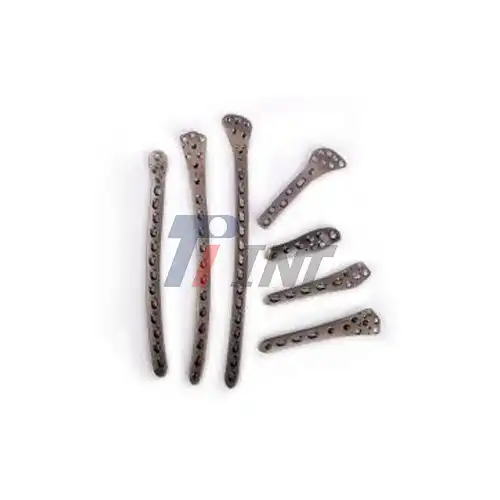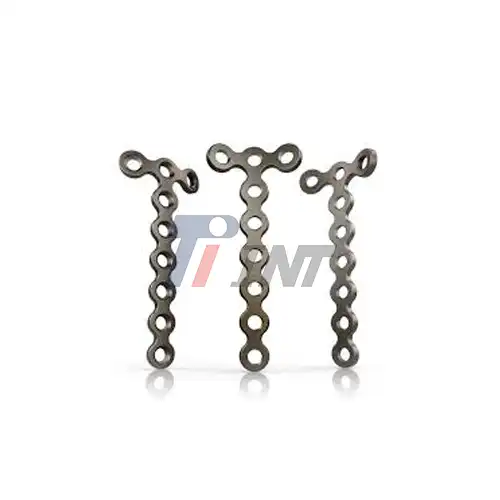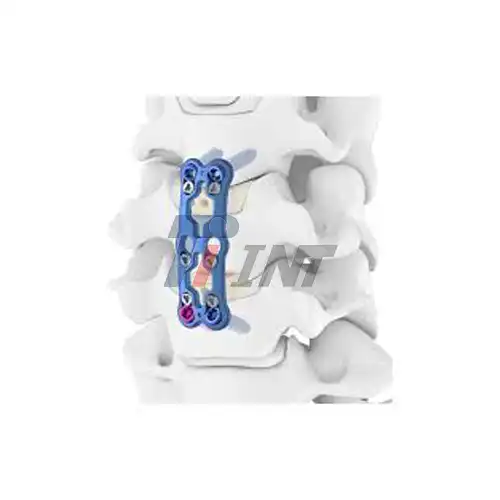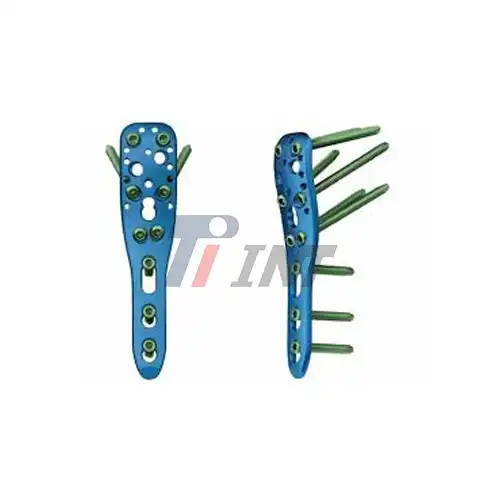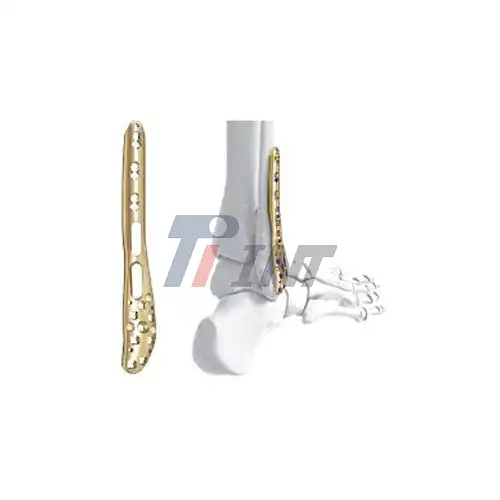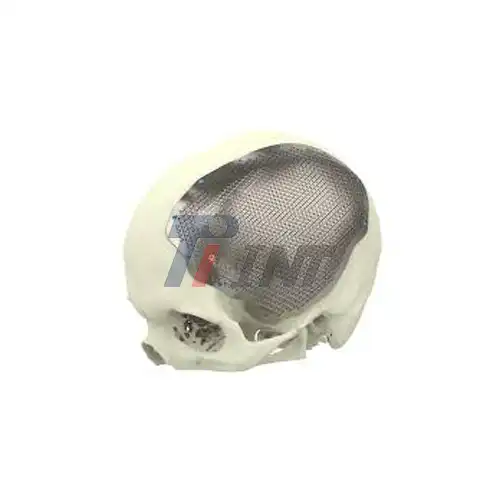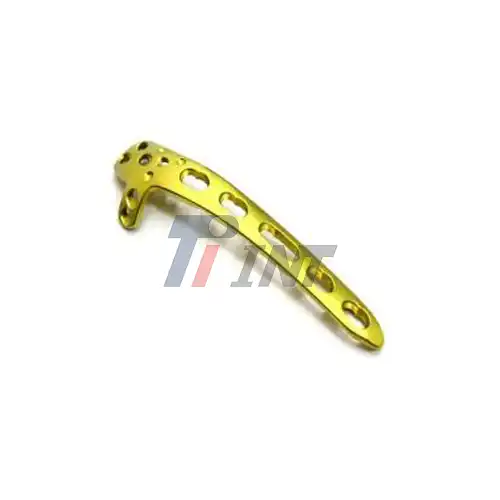

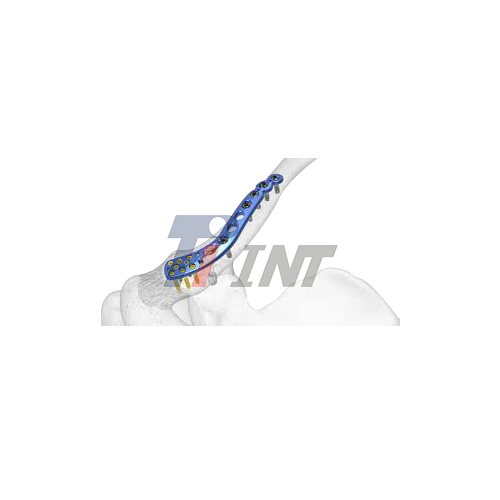
clavicle surgery titanium plate


Lightweight and extremely durable material.
Corrosion-resistant for long-term use.
High strength-to-weight ratio for flexibility.
Excellent fatigue resistance for durability.
Customizable to suit surgical needs.
Reliable in critical medical environments.
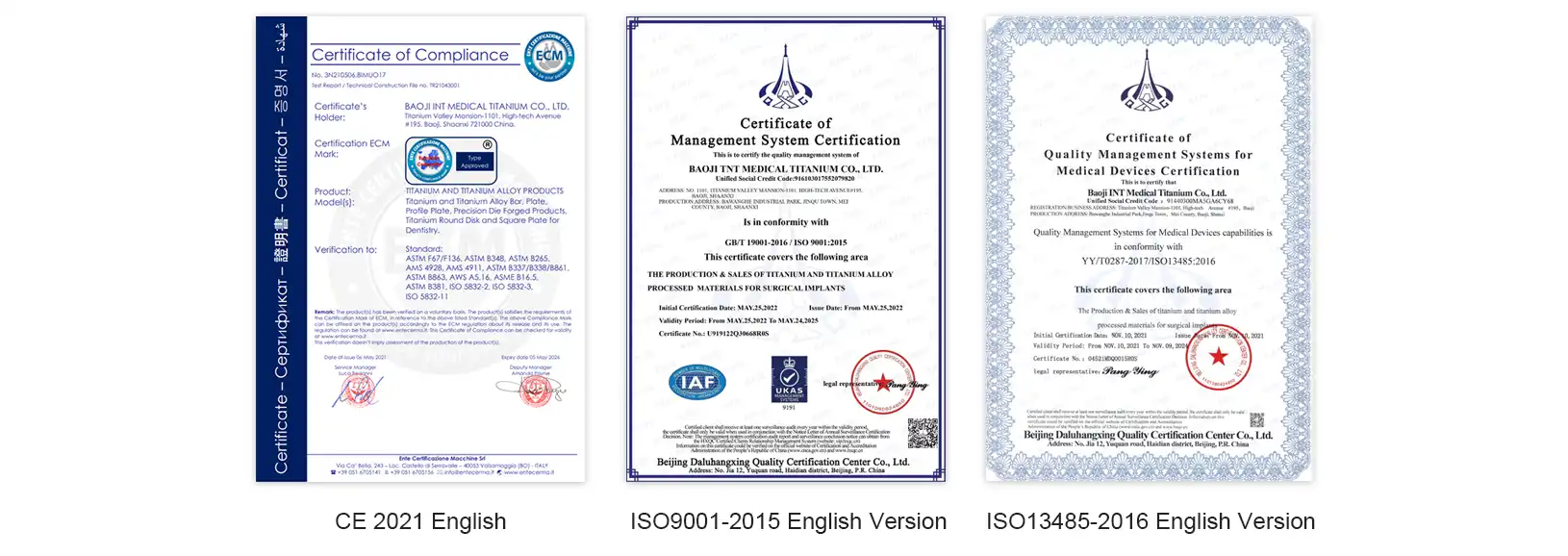
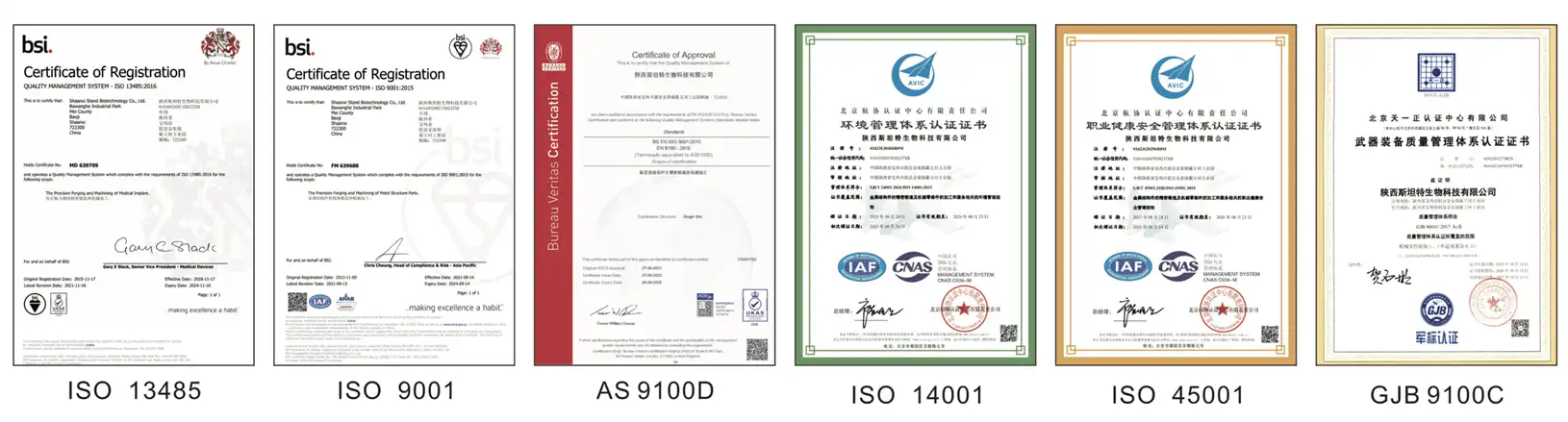
All products have passed ISO9001:2015, ISO13485:2016, EU CE safety certification
Clavicle Surgery Titanium Plate for Fracture Fixation – Precision-Engineered Medical Implants
Baoji INT Medical Titanium Co., Ltd. manufactures advanced clavicle surgery titanium plates specifically engineered for the Open Reduction and Internal Fixation (ORIF) of fractured collarbones. Our plates feature pre-contoured anatomical geometries (S-shape or J-curve) designed to match the distinct superior or anterior surface topography of the clavicle, minimizing intraoperative bending time by up to 40%. With over 30 years of titanium industry expertise since 2003, INT delivers orthopedic implants certified under ISO9001:2015, ISO13485:2016, and EU CE standards. Our product solutions stabilize comminuted mid-shaft fractures, unstable distal fractures (Neer Type II), and symptomatic non-unions while reducing stress shielding by 25% compared to stainless steel alternatives.
Superior Biocompatibility for Patient Safety
Your patients deserve implants that bond well with human bone tissue. The Ti6Al4V ELI titanium alloy used in medical applications is highly biocompatible and generates fewer inflammatory reactions and is less likely to be rejected by tissue.
Clinical investigations have shown that titanium’s inert surface characteristics reduce undesirable reactions during the key healing window. The osseointegration properties of the material allow the natural bone to grow around the plate, leading to reliable long-term fixation without disturbing biological processes.
Unlike reactive metals, which might provoke an immunological response, titanium produces a stable oxide layer within minutes of implantation. This protective barrier helps to guarantee that your surgery outcomes are predictable and problems are limited.
Advanced Material Properties for Clinical Performance
Titanium has a unique blend of mechanical qualities needed for collarbone repair. High strength-to-weight ratio provides strong fracture stabilisation with 45% reduction in implant mass relative to stainless steel alternatives.
This lightweight property decreases patient pain and palpability difficulties under minimal skin covers. Your patients have less irritation from hardware (seatbelts, backpacks, etc.) during rehabilitation.
The modulus of elasticity of the material (110 GPa) is closer to the modulus of elasticity of the cortical bone than stainless steel (200 GPa). This biomechanical compatibility decreases the stress shielding effect that can affect the bone density at the fixation site.
|
Technical Specification |
Value |
|
Material Composition |
Ti6Al4V ELI Titanium Alloy |
|
Tensile Strength |
≥860 MPa |
|
Yield Strength |
≥795 MPa |
|
Elongation |
≥10% |
|
Density |
4.43 g/cm³ |
|
Modulus of Elasticity |
110 GPa |
|
Biocompatibility |
ISO 10993 Compliant |
 |
 |
Corrosion Resistance for Long-Term Durability
You want your implant choice to have years or decades of service in a harsh physiological environment. The corrosion resistance of titanium is excellent, ensuring the structural integrity of the implant during the life of the service.
In case of scratching during surgical handling the passive oxide film regenerates spontaneously. This self-healing characteristic continues to shield against body fluids, proteins and the slightly acidic pH of mending tissues.
Clinical evidence have shown that titanium plates retain more than 95% of their initial strength after 20 years of implantation . If removal is necessary due to patient sensitivity or personal preference, hardware is left intact with no degradation or fragmentation.
Anatomical Pre-Contouring for Surgical Efficiency
We make plates with pre-contoured profiles that conform to the anatomical contours of the clavicle. This design approach preserves important operating room time and minimises manipulation of delicate fracture fragments.
Surgeons say anatomically designed implants lead to quicker plate adaption and better quality of reduction. The secondary displacement during bending is reduced by the pre-formed geometry.Our clavicle surgery titanium plate range includes superior and anterior configurations suitable for different fracture patterns and surgical approaches. Multiple plate lengths and screw hole configurations provide flexibility for complex cases.
Fatigue Resistance for Active Patients
The shoulder girdle is subjected to high rotational and shear pressures in routine daily activities. Your fixation hardware has to last millions of loading cycles without mechanical failure.
Titanium has very good fatigue resistance with an endurance limit around 510 MPa. This characteristic minimises the probability of build failure and plate breakage especially in the free hole zone around comminuted fracture zones.
Studies demonstrate that judicious plate selection and clever screw positioning reduce stress concentration. Monocortical screws or plain obturators in the holes around the fracture zone may increase plate strength by up to 30 %.
Customization Capabilities for Complex Cases
Each fracture provides distinct anatomical issues necessitating specific remedies. When a standard configuration isn’t sufficient, INT’s precision manufacturing capabilities allow for specific plate alterations.
Our state of the art die forging and CNC machining processes create plates with strict dimensional tolerances (±0.05mm). accuracy ensures correct screw hole alignment and maximum thread engagement for greatest pullout strength.
OEM Production We offer production services to institutional partners that require custom geometries or unique designs. Our technology team works with surgeons to provide application-specific solutions that improve clinical outcomes.
Proven Manufacturing Quality and Certifications
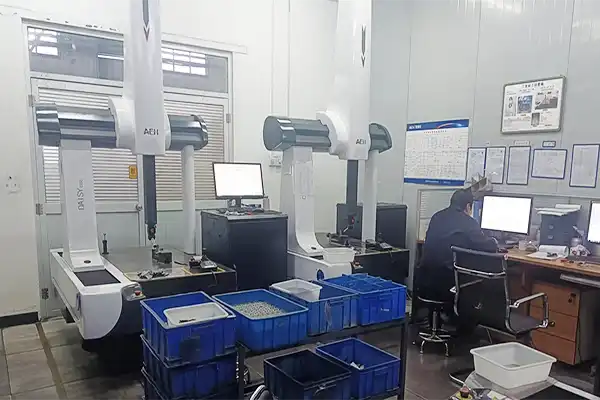
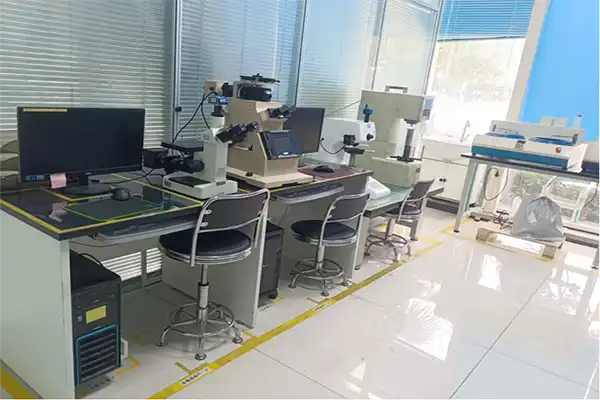
Quality assurance drives every stage of our production process. Each product undergoes rigorous inspection protocols including dimensional verification, surface finish analysis, and mechanical property testing.
Our certified quality management systems ensure traceability from raw material procurement through final packaging. Batch documentation provides complete manufacturing history for regulatory compliance and post-market surveillance.
Third-party testing laboratories verify our products meet ASTM F136 and ISO 5832-3 standards for surgical implant materials. This independent validation gives you confidence in material composition, mechanical performance, and biocompatibility.
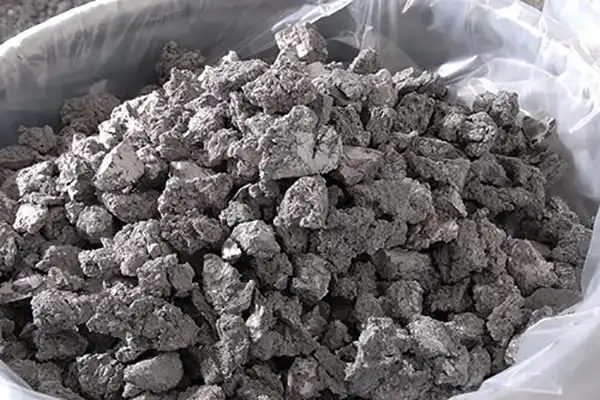
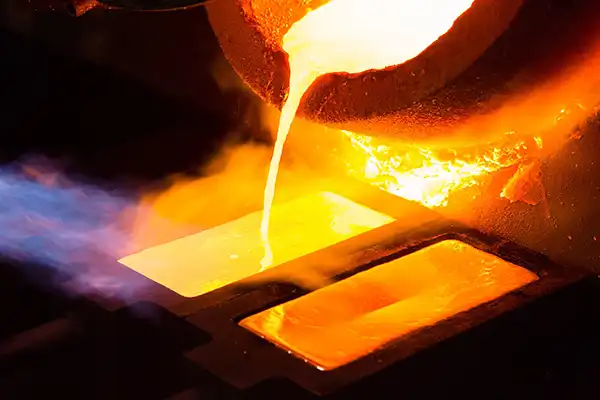
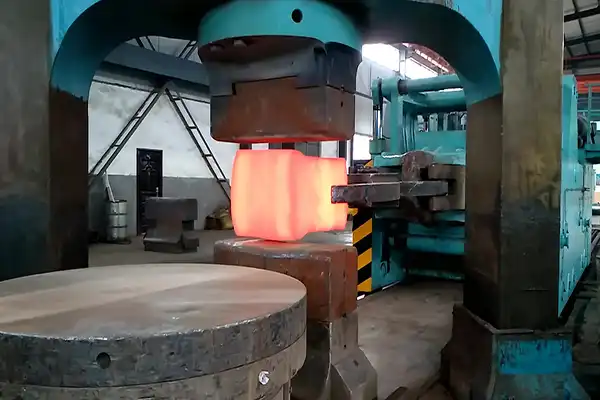
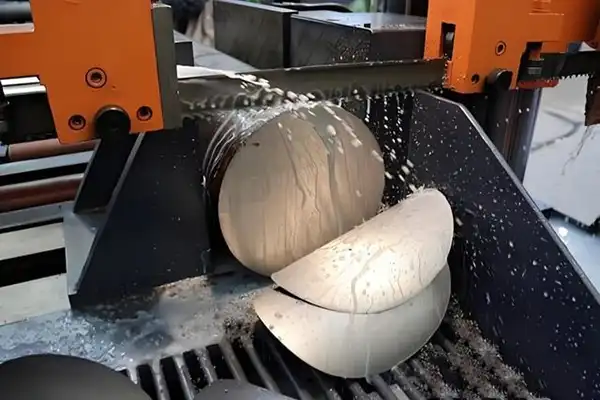
Product Technology and Production Process
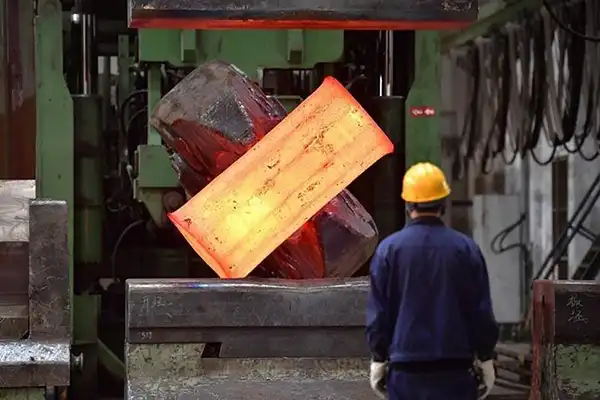
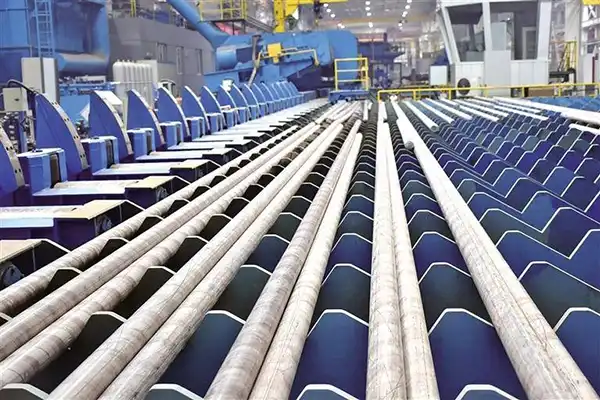
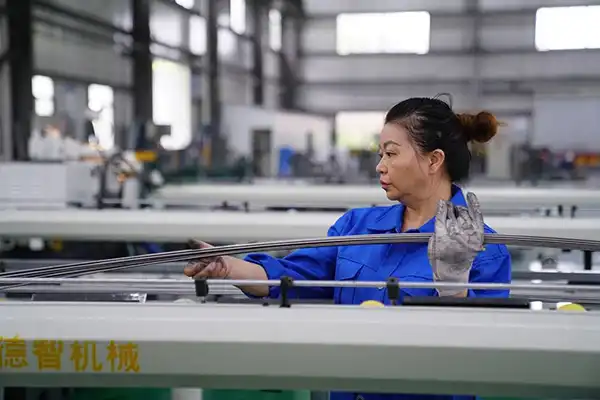
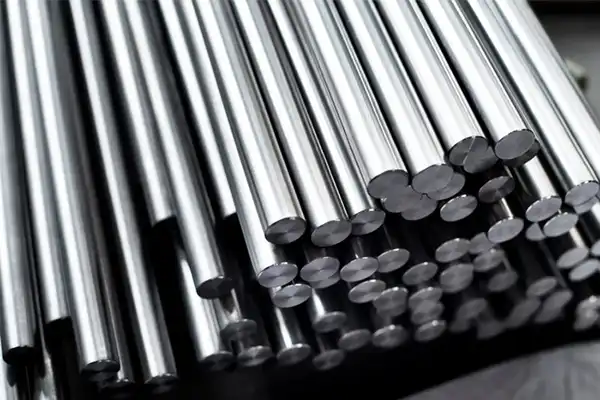
Hot rolling and forging techniques that enhance the mechanical properties, ensuring superior strength and toughness.Ultrasonic testing to detect flaws and ensure 100% reliability.
Strict quality control at every stage of production, meeting and exceeding international medical standards like ISO9001:2015 and ISO13485:2016.
 |
 |
 |
 |
 |
 |
 |
 |
Industries Catered
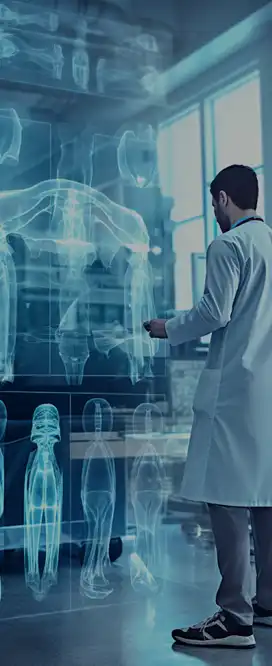
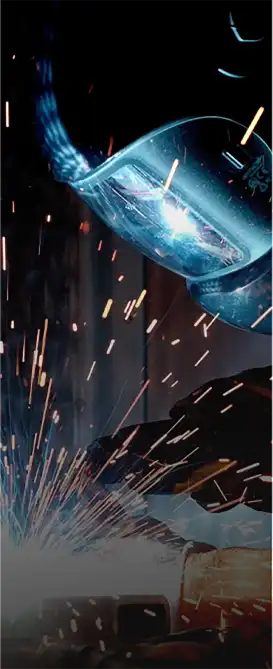
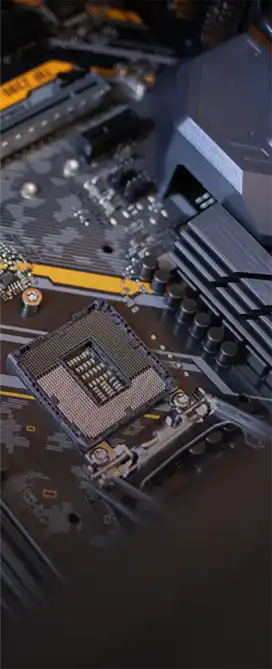
Our products are widely used in medical, automotive, aerospace, chemical, scientific and technological manufacturing and electronic information industries.
 |
 |
 |
 |
 |
 |
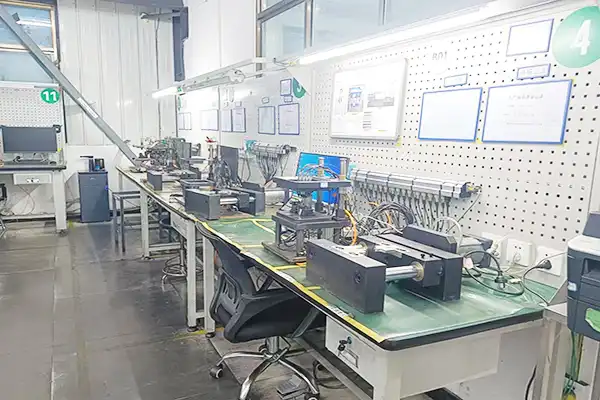
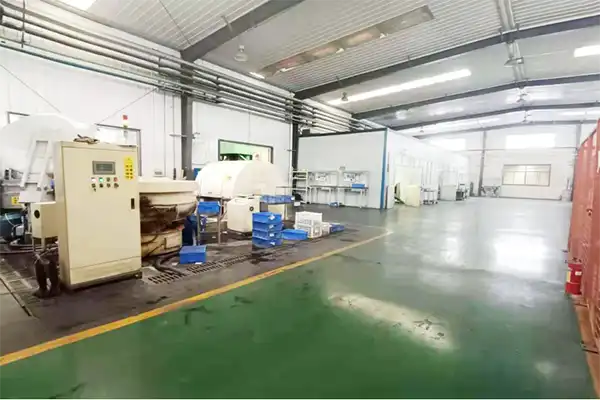
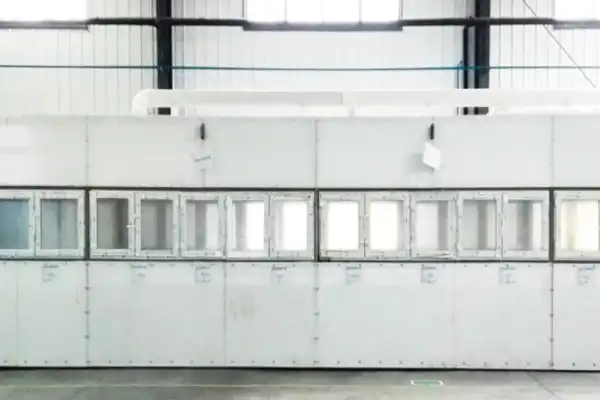
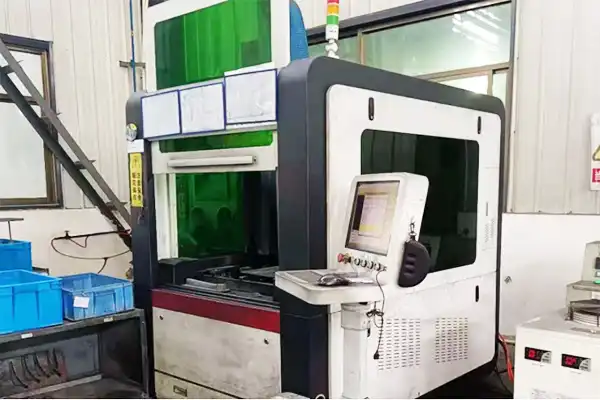
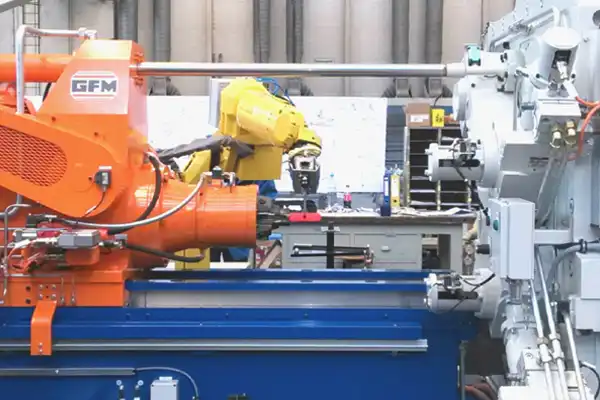
Our Factory - A Legacy of Excellence
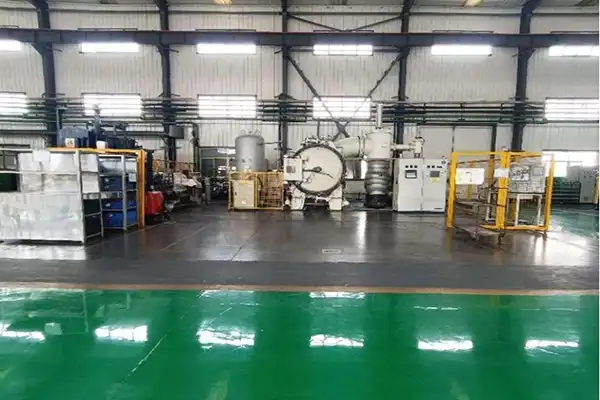
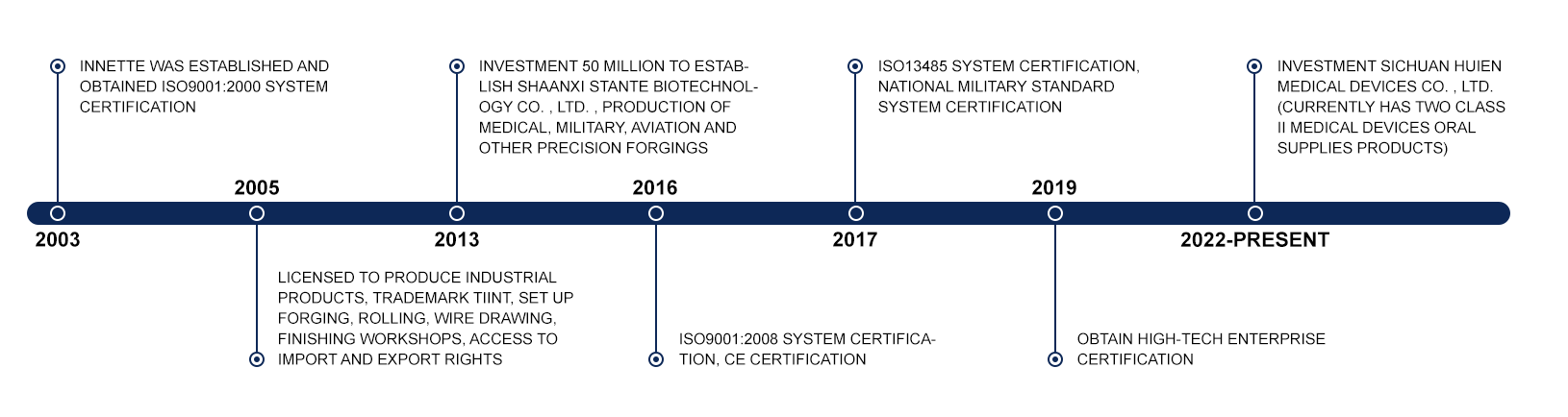
Founded in 2003 by titanium industry expert Mr. Zhan Wenge, Baoji INT Medical Titanium Co., Ltd. has grown into a benchmark enterprise in the R&D and production of medical titanium materials. With more than 30 years of experience, INT is deeply invested in the development of high-quality titanium for the medical sector. We provide a full range of titanium products, including pure titanium, Ti6Al4V ELI titanium, and custom titanium alloy forgings.
 |
 |
 |
 |
 |
 |
 |
 |
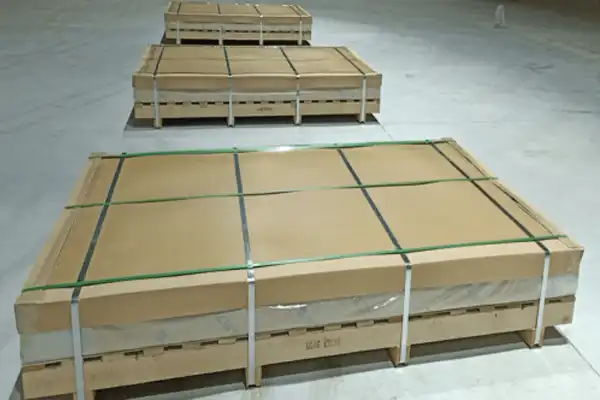
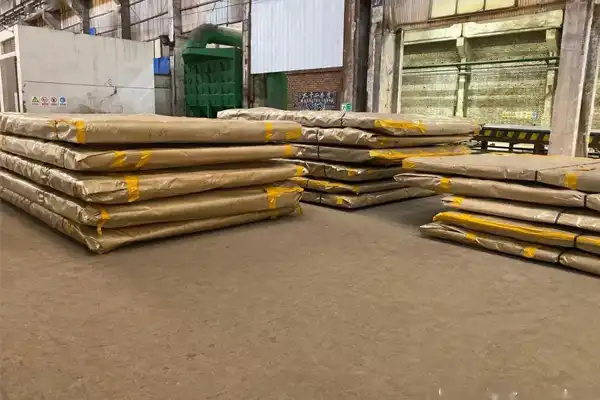
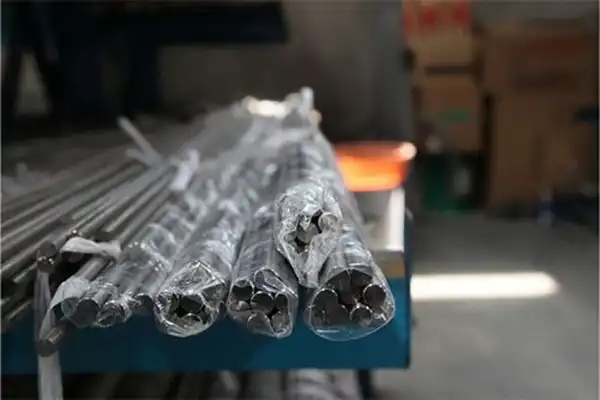
Packaging and Transportation
 |
 |
 |
Why Choose Us?
Choosing Baoji INT Medical Titanium Co., Ltd. means partnering with a trusted leader in the medical titanium industry.
Here’s why:
Proven Expertise: Over 30 years of experience in medical titanium production.
Advanced Technology: State-of-the-art production lines and equipment.
International Certifications: ISO9001:2015, ISO13485:2016, and EU CE certifications.
Comprehensive Support: We provide ongoing technical support, ensuring our products fit seamlessly into your manufacturing process.
Customer-Centric Approach: Committed to delivering high-quality products on time, every time.
For inquiries or orders, please contact us at export@tiint.com. We look forward to partnering with you for your medical titanium needs.
FAQ
Q: What makes titanium superior to stainless steel for clavicle plates?
A: Titanium offers better biocompatibility, lower density, and elastic modulus closer to bone. These properties reduce stress shielding, improve patient comfort, and minimize corrosion risk compared to stainless steel alternatives.
Q: How long do titanium clavicle plates typically remain implanted?
A: Plates are designed for permanent implantation but can be removed after complete fracture healing if causing discomfort. Clinical data shows average removal occurs at 22 months when necessary, though most patients retain hardware indefinitely.
Q: Can patients feel the plate under their skin?
A: Due to minimal soft tissue coverage over the clavicle, some patients may palpate the plate edges. Our anatomically contoured, low-profile designs minimize this sensation. Any hardware-related discomfort typically resolves as tissues accommodate the implant.
Q: What factors influence plate breakage risk?
A: Increased stress concentration in free hole areas around comminuted fractures represents the primary risk factor. Proper surgical technique, including strategic screw placement and consideration of bone grafting, significantly reduces construct failure rates below 5%.
Q: Are titanium plates compatible with MRI scanning?
A: Yes, titanium is non-magnetic and MRI-compatible. Patients with titanium implants can safely undergo magnetic resonance imaging without artifact issues or safety concerns related to implant movement or heating.
Contact INT Medical Titanium Today
Ready to enhance your orthopedic implant inventory with clavicle surgery titanium plates? Contact our technical sales team at export@tiint.com to discuss your specific requirements.