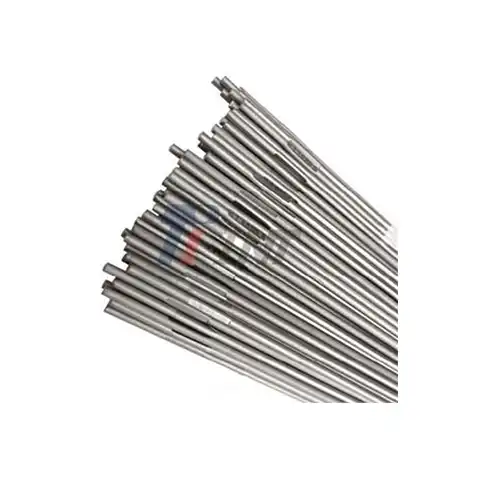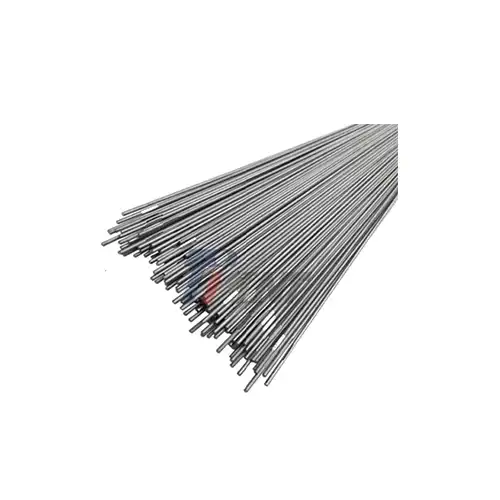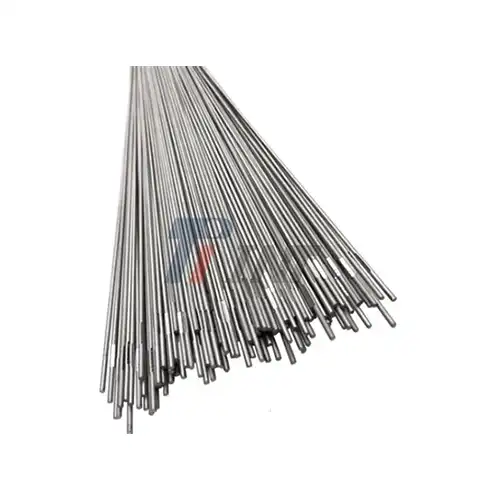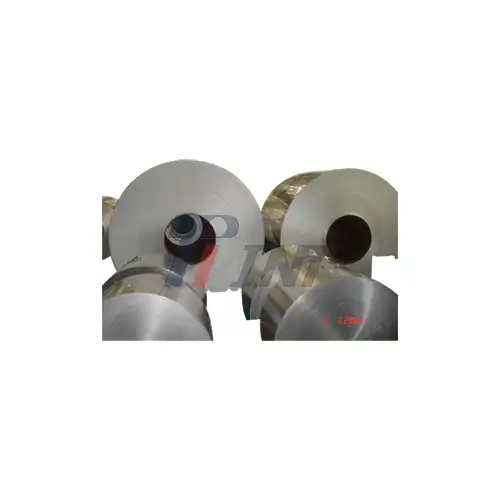

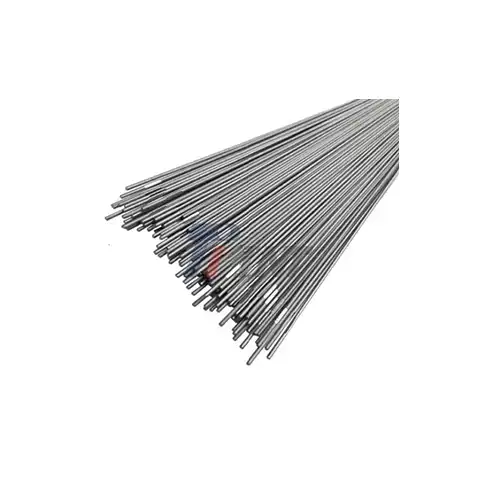
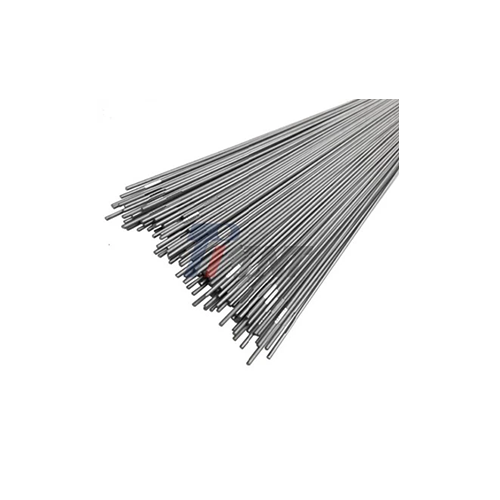
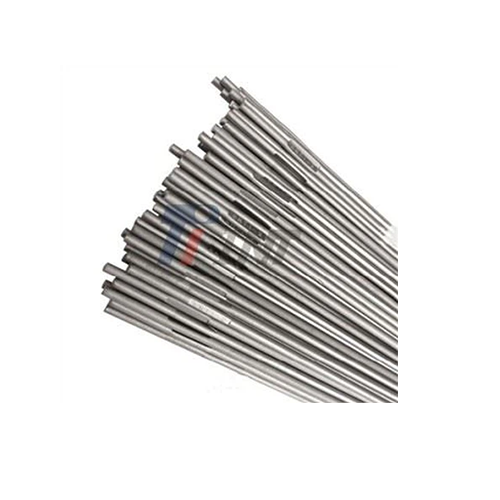
Gr 1 Titanium Wire


Corrosion-resistant for long-term use.
High strength-to-weight ratio for flexibility.
Excellent fatigue resistance for durability.
Customizable to suit needs.
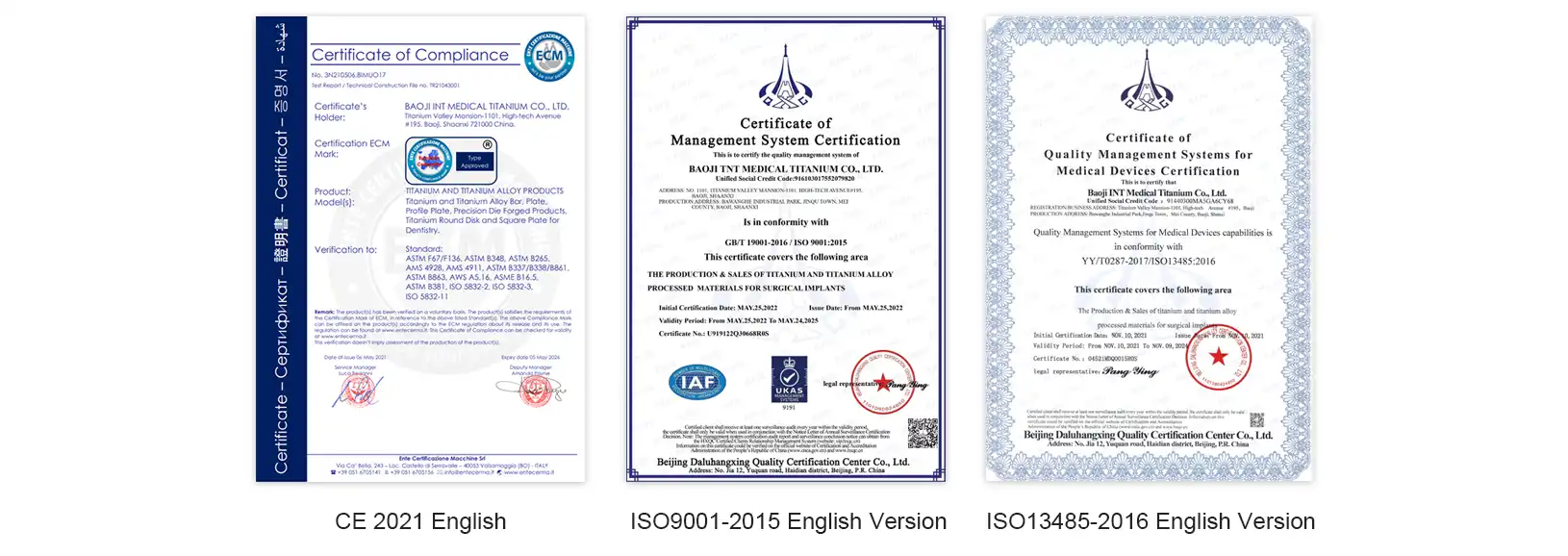
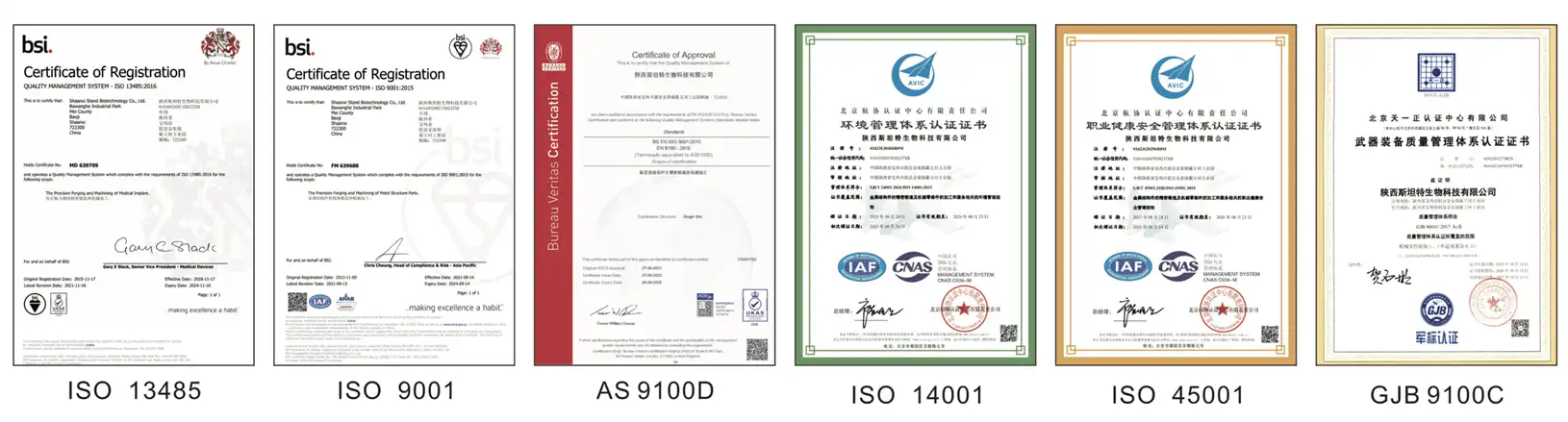
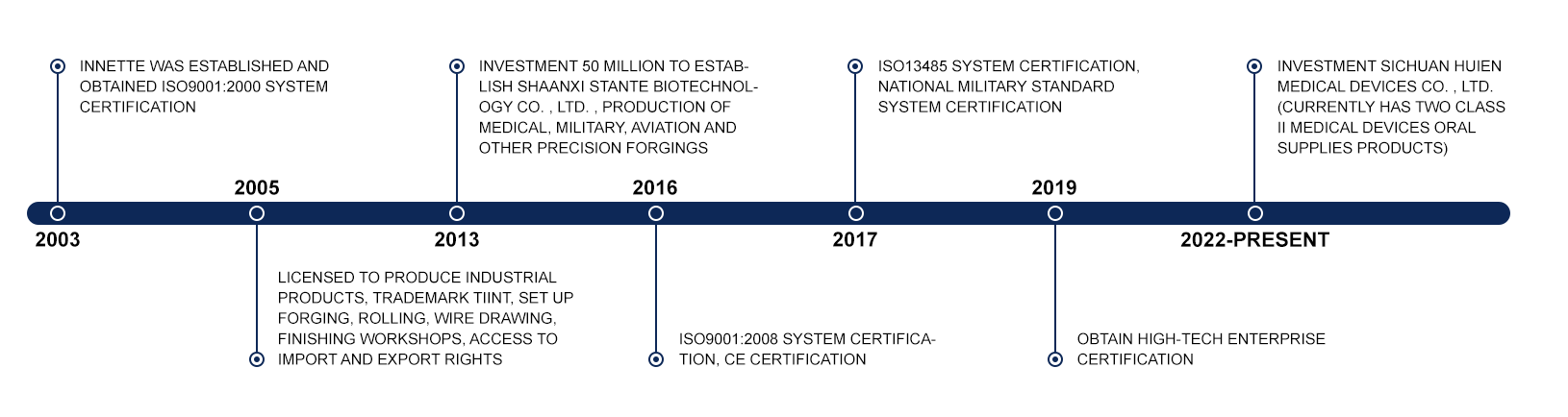
All products have passed ISO9001:2015, ISO13485:2016, EU CE safety certification
Gr 1 Titanium Wire: Premium Commercial Pure Titanium Solution for Medical and Industrial Applications
Baoji INT Medical Titanium Co., Ltd. delivers certified Gr 1 Titanium Wire manufactured to meet rigorous international standards including ASTM B348 and ASTM F67. Since 2003, our facility has specialized in producing commercially pure titanium wire with oxygen content controlled below 0.18%, ensuring maximum ductility and formability for demanding medical, aerospace, and chemical processing applications. Our production line operates under ISO13485:2016 and ISO9001:2015 certifications, with every spool undergoing ultrasonic inspection and dimensional verification to guarantee diameter tolerance within ±0.02mm for precision manufacturing requirements.
|
|
|
What Makes Gr 1 Titanium Wire the Optimal Choice for Formability-Critical Applications?
Grade 1 is the softest and most workable group in the commercially pure titanium family. The regulated oxygen content directly affects the mechanical properties, yielding a material with excellent cold working capabilities, allowing complicated bending without breaking or tearing.
This wire grade has good performance in corrosive situations such acidic industrial atmosphere to saline marine environments. The natural formation of titanium oxide immediately heals itself on the spot if scratched. The self-healing protection lasts several decades longer than stainless steel equivalents.
When you use material with minimum 99.5% titanium purity and elongation values more than 24%, you increase your manufacturing efficiency tremendously. The property allows complex weaves for medical mesh applications and tight radius coils for spring systems without intermediary annealing procedures.
Technical Specifications and Material Properties
|
Parameter |
Specification |
|
Grade Designation |
ASTM Grade 1 / UNS R50250 |
|
Oxygen Content |
≤0.18% |
|
Tensile Strength |
240-345 MPa |
|
Yield Strength |
≥170 MPa |
|
Elongation |
≥24% |
|
Density |
4.51 g/cm³ |
|
Available Diameters |
0.2mm - 6.0mm |
|
Surface Finish |
Bright Annealed / Acid Pickled |
|
Tolerance |
±0.02mm (precision grade) |
Industries and Applications Where Performance Matters
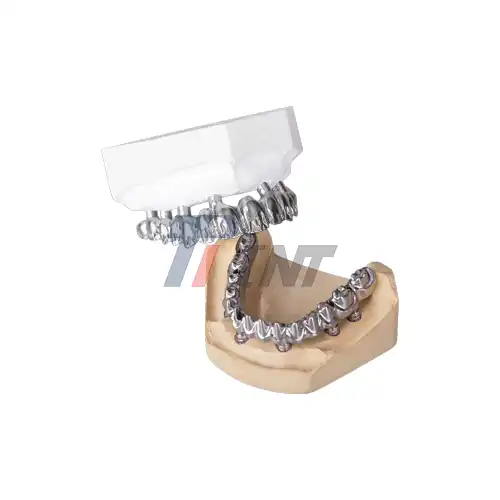
This material is used by makers of medical devices for reconstructive surgical mesh, orthodontic archwires and cranial fixation systems where biocompatibility fulfils ASTM F67 . Low modulus of elasticity compared to stainless steel, minimise the stress shielding effects in the implants next to the bone .
Chemical processing plants use this wire for reactor vessel tie-wires and for the fabrication of filter elements used in chlorine dioxide bleaching settings. If equipment parts are resistant to pitting corrosion that would normally damage ordinary metals, you can substantially reduce your maintenance periods.
Aerospace experts select the product for safety cable assemblies and hydraulic system locking mechanisms where weight reduction has a direct impact on fuel efficiency. The 4.51 g/cm³ density gives a 40% weight savings over steel, while retaining structural integrity through thermal cycling.
Cathodic protection anode connections and construction of screens for desalination plants for marine applications. Material breakdown is minor after 25+ years of seawater exposure reducing costly replacement schedules.
Manufacturing Excellence and Quality Assurance
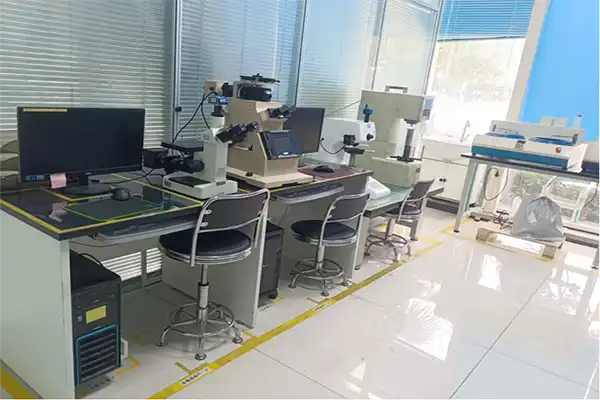
Combining 21 years of manufacturing experience, vacuum arc remelting technology and precision wire drawing with diamond dies tuned to micron-level accuracy. Chemical composition analysis by optical emission spectrometry is performed on every production batch, guaranteeing alloy purity to your standards.
The heat treatment processes include annealing in a controlled environment at 650-750°C to optimise the grain structure for homogeneous mechanical characteristics across the coil length. The hydrogen level is less than 0.0125% to prevent delayed embrittlement in service conditions.
Surface quality inspection: Automated optical scanning technologies are employed to detect faults on the order of 0.05mm. You get material with Ra surface roughness values below 0.8μm and it is ready to use in cleanroom assembly without any further polishing.
Welding and Fabrication Considerations
Gr 1 Titanium Wire demonstrates excellent weldability using TIG and resistance welding methods when proper gas shielding procedures are followed. Argon purge gas with 99.998% purity prevents atmospheric contamination during fusion, maintaining the corrosion-resistant oxide layer integrity.
Welding operators will appreciate the stable arc characteristics and the little spatter as compared to reactive alloys. Using filler wire from the same heat lot provides uniform metallurgical qualities in the welded connections without any compromise in strength.
The high work-hardening coefficient of the material is advantageous for cold forming operations, since it enables progressive bending to the final geometry without stress-relief annealing between stages. This grade is less susceptible to spring-back because predictable spring-back calculations reduce prototype iterations.
Comparison with Alternative Titanium Grades
Grade 2 titanium has 30% stronger tensile strength, however you will find grade 1 to be better for your applications demanding maximum bendability and deep drawability. A decreased oxygen content means lower forming loads and longer die life in high-volume production.
Grade 5 (Ti-6Al-4V) has structural strength for load-bearing components, but lacks the room-temperature ductility needed for complex wire-forming procedures. Grade 5 also means alloying elements and costs are 40–60% higher than for commercially pure varieties.
This commercially pure grade offers biocompatibility benefits and easier regulatory documentation pathways versus alloy compositions for medical implant applications that do not require load bearing capability.
Temperature Performance and Environmental Stability
Mechanical qualities are stable up to 350°C during continuous exposure, therefore making this wire appropriate for autoclaving cycles and moderate temperature process equipment. Above this level oxidation rates increase and inert atmosphere protection is necessary.
The material has an impact toughness down to -196°C (temperature of liquid nitrogen) and is therefore suitable for cryogenic applications. Ferritic steels become brittle at low temperatures, but your titanium components remain ductile, so you can keep safety-critical aircraft and LNG handling systems going.
The coefficient of thermal expansion, 8.6106/°C, is very close to that of borosilicate glass and can be used in metal-to-glass sealing applications in vacuum technology and speciality lighting without stress-crack failures during thermal cycling.
Packaging and Delivery Standards
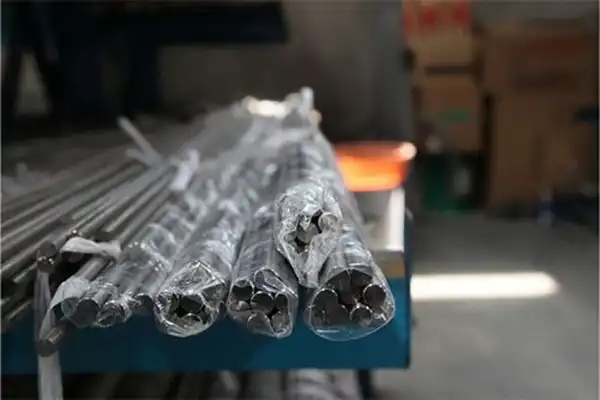
We supply the product on precision-wound spools ranging from 1kg to 50kg capacity, with custom reel sizes available for automated feed systems. Each package includes material certification documenting chemical composition, mechanical test results, and traceability to original ingot heat numbers.
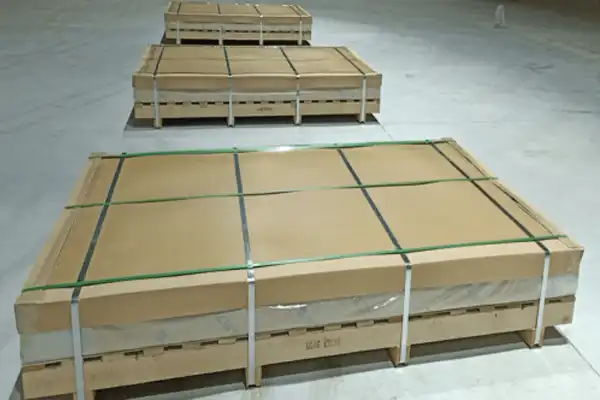
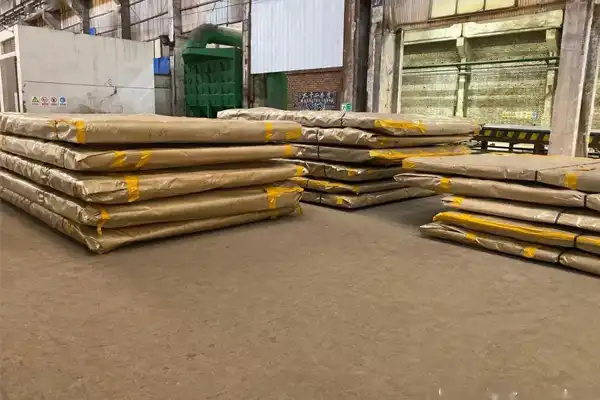
Export packaging utilizes moisture-barrier vacuum sealing with desiccant packets, protecting your investment during international shipping. Wooden crates meet ISPM-15 fumigation standards for customs clearance, while foam cushioning prevents transit damage to wire surface finish.
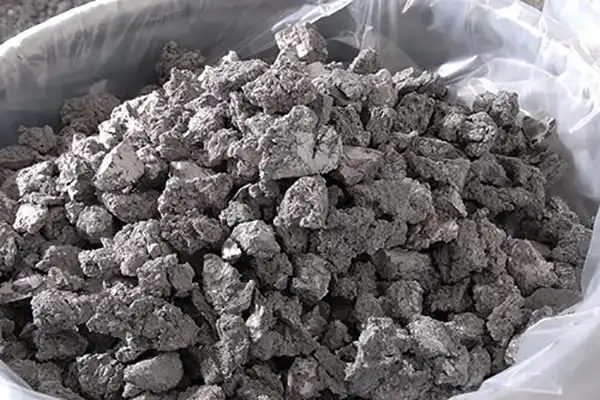
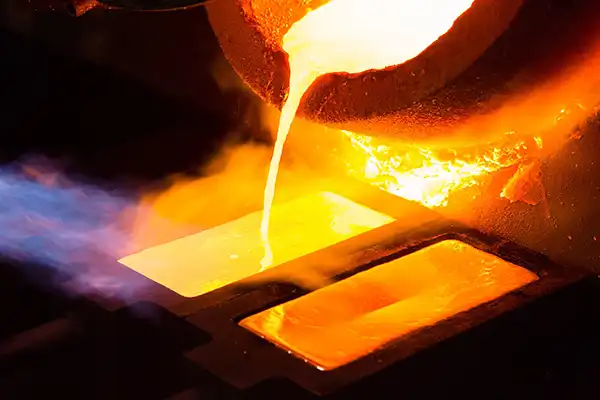
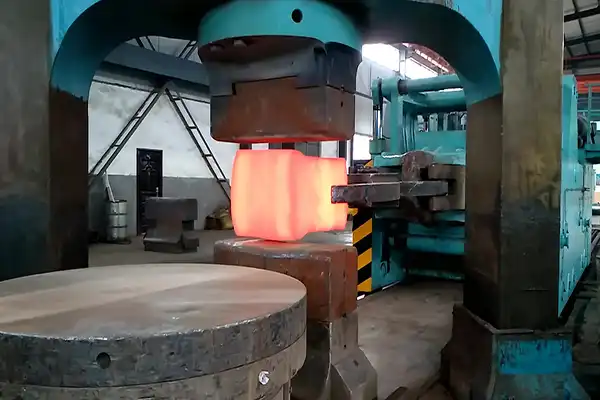
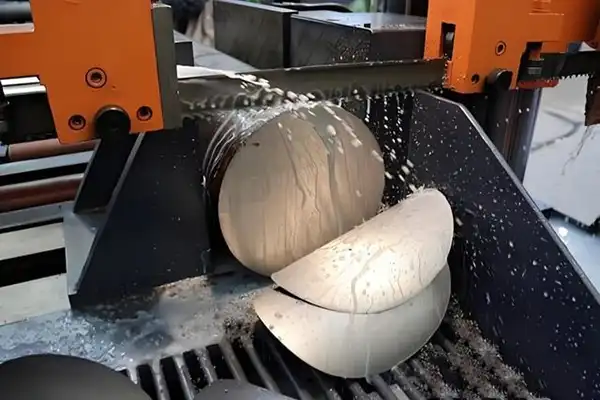
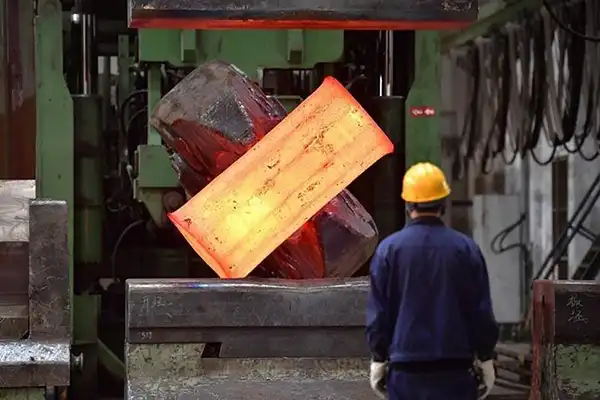
Product Technology and Production Process
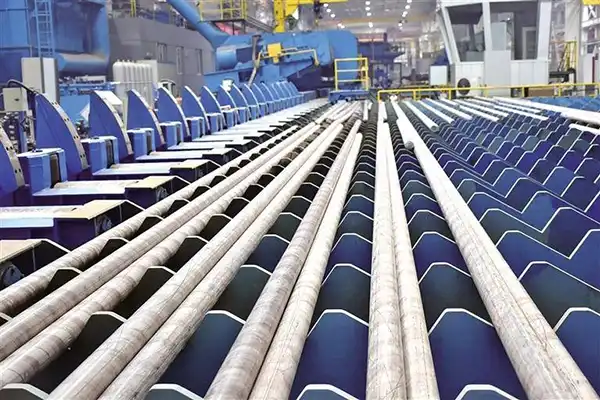
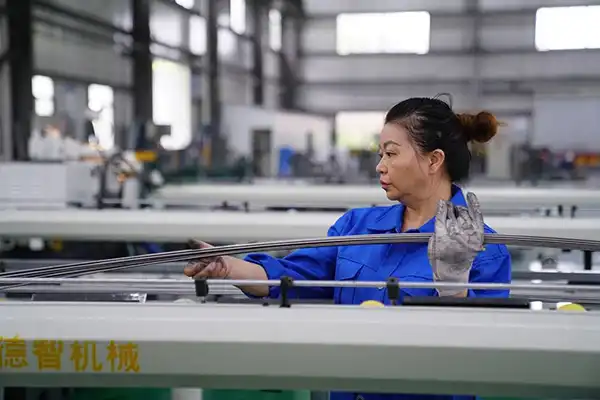
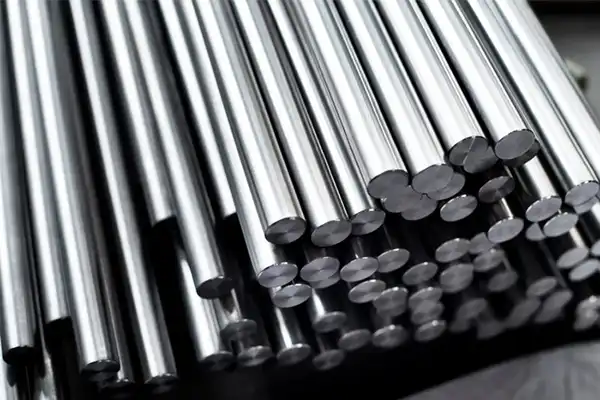
Hot rolling and forging techniques that enhance the mechanical properties, ensuring superior strength and toughness.Ultrasonic testing to detect flaws and ensure 100% reliability.
Strict quality control at every stage of production, meeting and exceeding international medical standards like ISO9001:2015 and ISO13485:2016.
 |
 |
 |
 |
 |
 |
 |
 |
Industries Catered
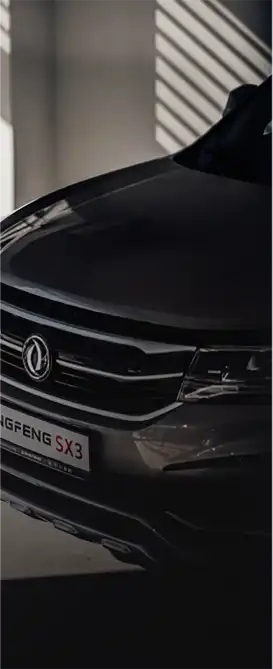
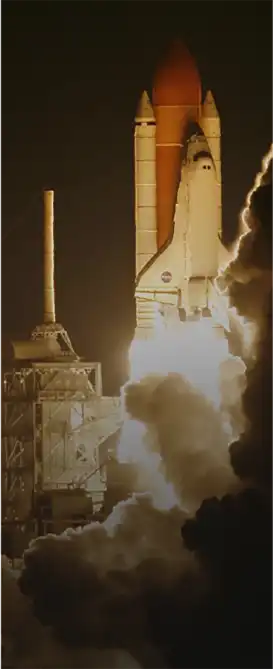
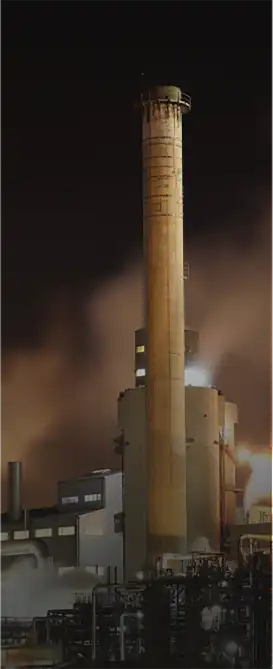
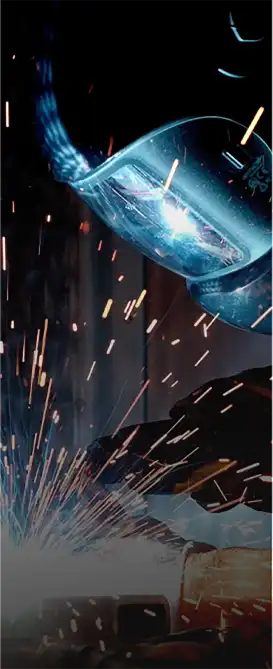
Our products are widely used in medical, automotive, aerospace, chemical, scientific and technological manufacturing and electronic information industries.
 |
 |
 |
 |
 |
 |
Our Factory - A Legacy of Excellence
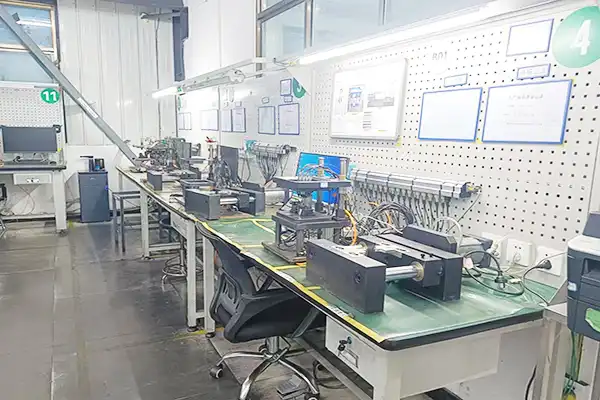
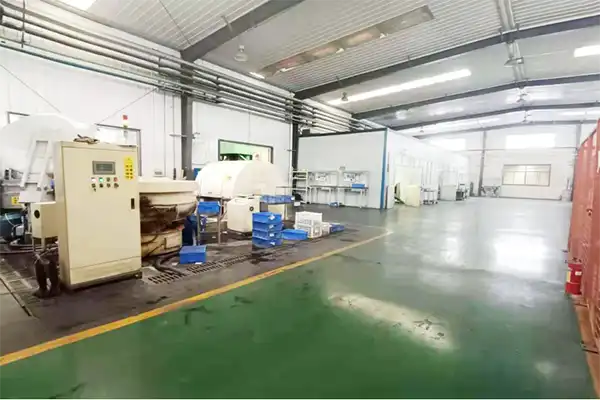
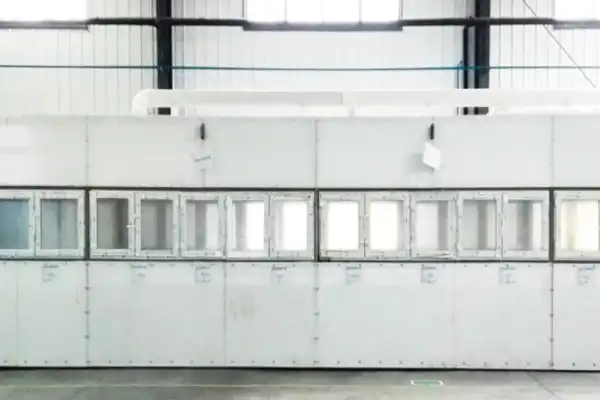
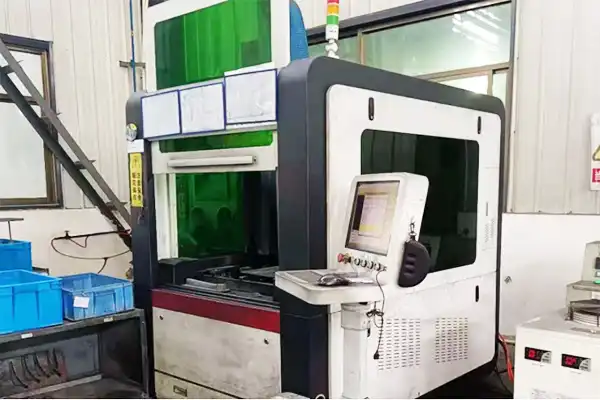
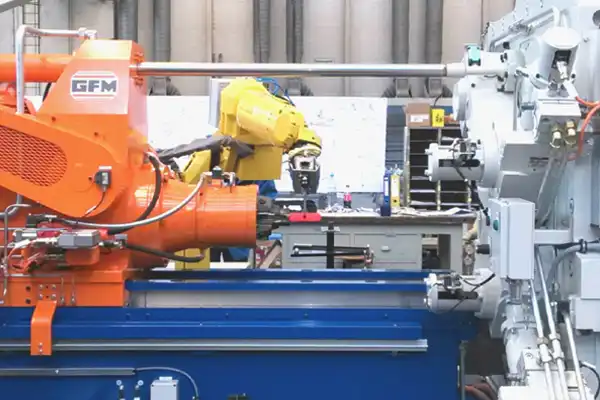
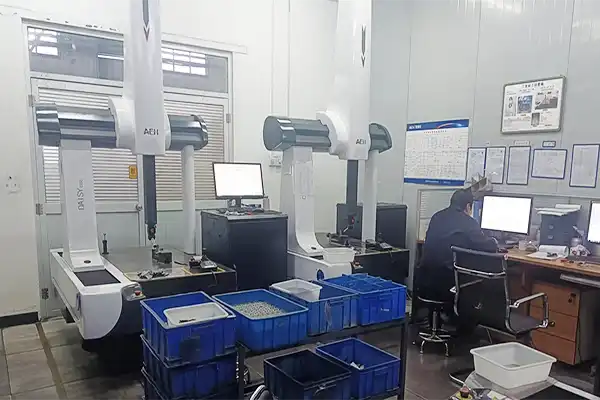
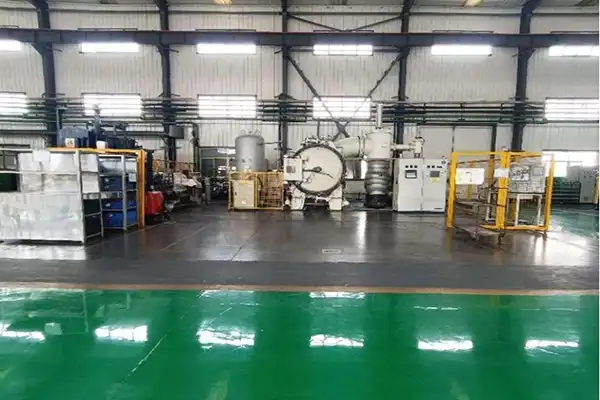
Founded in 2003 by titanium industry expert Mr. Zhan Wenge, Baoji INT Medical Titanium Co., Ltd. has grown into a benchmark enterprise in the R&D and production of medical titanium materials. With more than 30 years of experience, INT is deeply invested in the development of high-quality titanium for the medical sector. We provide a full range of titanium products, including pure titanium, Ti6Al4V ELI titanium, and custom titanium alloy forgings.
 |
 |
 |
 |
 |
 |
 |
 |
Packaging and Transportation
 |
 |
 |
Why Choose Us?
Choosing Baoji INT Medical Titanium Co., Ltd. means partnering with a trusted leader in the medical titanium industry.
Here’s why:
Proven Expertise: Over 30 years of experience in medical titanium production.
Advanced Technology: State-of-the-art production lines and equipment.
International Certifications: ISO9001:2015, ISO13485:2016, and EU CE certifications.
Comprehensive Support: We provide ongoing technical support, ensuring our products fit seamlessly into your manufacturing process.
Customer-Centric Approach: Committed to delivering high-quality products on time, every time.
For inquiries or orders, please contact us at export@tiint.com. We look forward to partnering with you for your medical titanium needs.
FAQ
Q: What differentiates Gr 1 from Gr 2 titanium wire in practical applications?
A: The oxygen content creates the distinction—Grade 1 contains less than 0.18% oxygen versus 0.25% in Grade 2. This translates to approximately 20% greater elongation in Grade 1, making it the preferred choice when your manufacturing process involves severe cold working, tight-radius bending, or deep drawing operations where material failure would compromise production yields.
Q: Can this wire grade serve in surgical implant manufacturing?
A: Absolutely, provided your application aligns with its mechanical limitations. Material conforming to ASTM F67 proves biocompatible for reconstructive mesh, ligature wire, and non-load-bearing fixation devices. However, orthopedic bone screws and plates require higher strength grades like Ti-6Al-4V ELI to withstand physiological loading cycles.
Q: How should we handle welding procedures to prevent contamination?
A: Establish continuous argon gas coverage from initial arc strike through complete cooling below 400°C. The reactive nature of molten titanium means even brief air exposure absorbs oxygen and nitrogen, creating brittle intermetallic zones. Trailing shields and purge backing are non-negotiable for structural welds, while tack welds in non-critical areas may use standard cup coverage with increased flow rates.
Q: Why does titanium wire cost more than stainless steel alternatives?
A: The Kroll reduction process for extracting titanium from rutile ore requires multiple vacuum distillation stages and high-energy inputs, fundamentally driving raw material costs. However, lifecycle cost analysis reveals the value proposition—your Grade 1 wire installations in corrosive service environments operate 20-30 years without replacement, while 316L stainless alternatives require renewal every 18-36 months, making titanium the economical choice when total ownership costs are calculated.
Q: Does the wire maintain flexibility after prolonged storage?
A: Yes, when stored under proper conditions. Unlike some materials that age-harden, commercially pure titanium remains metallurgically stable at room temperature. Keep coils in low-humidity environments (below 60% RH) to prevent surface moisture accumulation, though the oxide layer prevents actual corrosion. Material stored for five years exhibits identical mechanical properties to freshly produced wire.
Connect With Our Technical Team
Request detailed material certifications, sample quantities for Gr 1 Titanium Wire qualification testing, or discuss custom diameter requirements by contacting our export team at export@tiint.com today.