




Best Titanium Bar Surgery Uses for Hospitals and Distributors


 2026-11-03 16:12:46
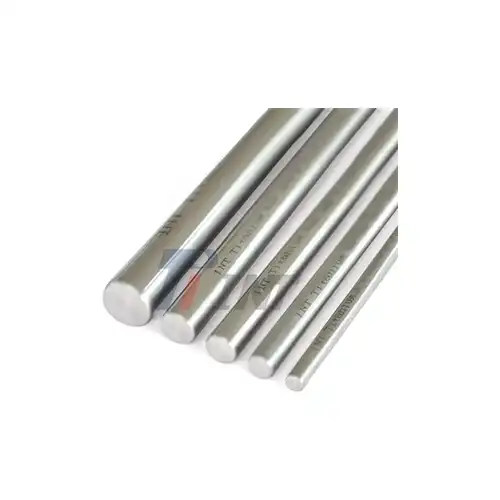
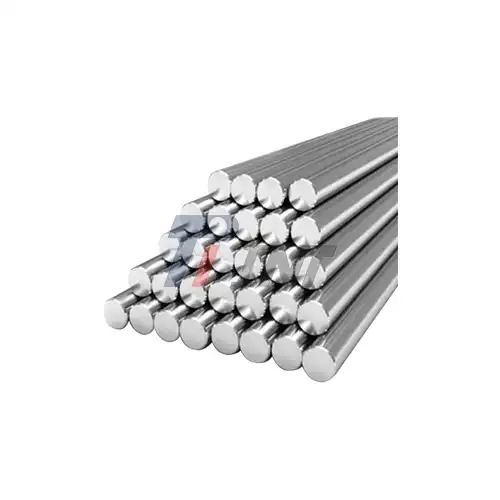
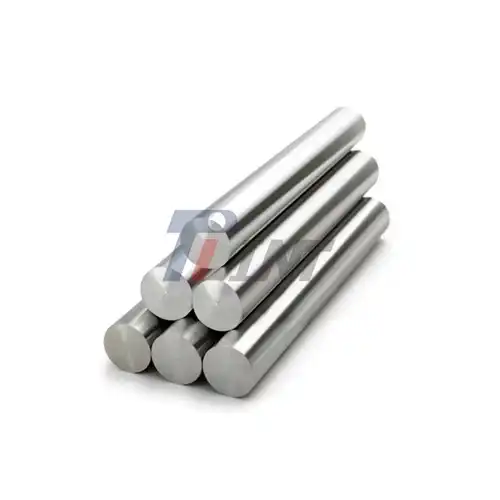
Surgical applications of titanium bar surgery are most suited for Nuss repair of pectus-like excavatum, chest wall reconstruction, fracture fixation and spinal stabilisation. Hospitals and suppliers that need to bear larger loads do well with Ti-6Al-4V ELI according to ASTM F136 or ISO 5832-3. ASTM F67 indicates that pure titanium is suitable for parts that can be formed and are subject to modest loads. Each bar should be accompanied by a mill test certificate showing the heat source and the standards for symmetry and surface. In this post I go through each usage, compare materials, and teach you how to properly choose and purchase titanium bar stock.
|
|
|
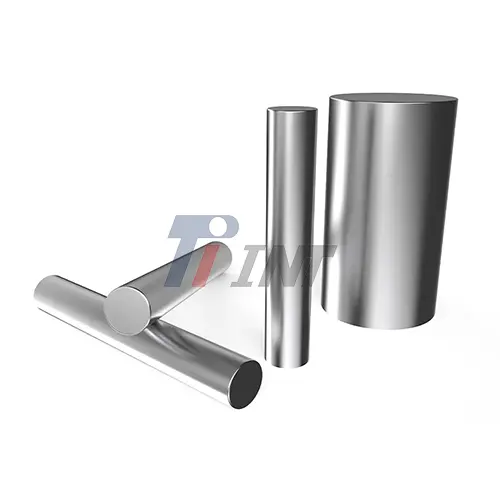
What Is a Titanium Bar Used for in Surgery?
Nuss Repair of Pectus Excavatum
Pectus excavatum, as the name suggests, is a sunk breastbone and is one of the most frequent congenital abnormalities of the chest wall. The Nuss operation involves the insertion of a curved titanium rod beneath the sternum, which is twisted to push the chest outward. Dr. Donald Nuss described the minimally invasive technique in the late 1990s. The bar is normally left up for two or three years prior to it is taken down.
This kind of operation on titanium bars puts a lot of anxiety on the material. The bar ought to flex to the form of the patient’s body without breaking. It must also be able to withstand repeated loading from inhaling and have smooth curves that protect surrounding tissue.
Chest Wall Reconstruction and Fracture Fixation
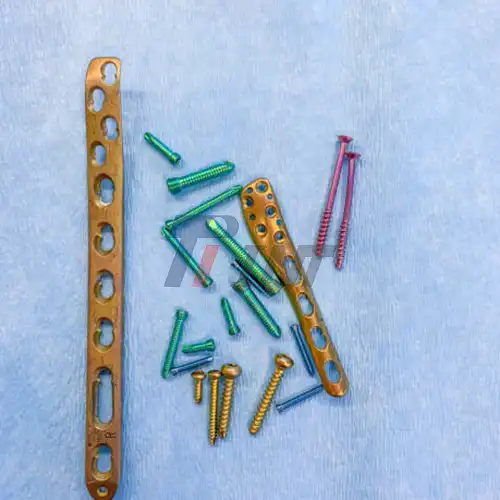
Titanium bars and rods are also used by surgeons to stabilise ribs and the sternum. after an accident or tumour excision and to assist mend shattered bones in orthopaedic circumstances. As these bars are typically used with plates, screws or connections the diameter, surface polish and tolerance all need to be the same on all mating parts. A bar that is not straight or has an irregular diameter will not fit well and will create excessive junk when machined.
The same is true for intramuscular nail empty spaces, whose long and thin portions necessitate a straight starting bar. Before you purchase bar stock, I recommend that you examine the whole implant design with your engineers. This is because the required strength of the material changes with the load direction and the implant length.
Spinal Fixation Rods
In spinal systems , titanium rods join pedicle screws and hold vertebrae in place till they fuse together . The rods are bent repeatedly again for months and years, therefore their behaviour when they are weary is as critical as their static stiffness. Ti-6Al-4V ELI is a popular choice for these types of loads because that it has tight OD control that ensures rods fit well into screw heads.
Titanium also tends to create less artefacts on images than stainless steel, albeit the ultimate picture quality relies on the whole implantation assembly. So when rod producers accept a supply of material they look at microstructure and quality of surface very carefully. Most often, the medical aluminium rod stock used for this is a circular bar that the implant manufacturer moulds and polishes.
Why Medical Grade Titanium Works for Surgical Bars
ASTM F67, ASTM F136, and ISO 5832-3
Most surgical bar queries about titanium bar surgery need three things. ASTM F67 is unalloyed titanium, easy to shape and ideal for light products. [4] ASTM F136 states that wrought Ti-6Al-4V ELI has minimum tensile strength of 860 MPa and yield value of 795 MPa. The same alloy is known internationally as ISO 5832-3. ELI grade has additional constraints on interstitials such as oxygen, nitrogen, carbon and iron which make it less prone to fatigue and tougher. Buyers have to go over each certificate or authorised apparatus requirements line by line. Even a single change may impact a regulatory filing.
Corrosion Resistance, Weight, and Stiffness
Titanium is protected against corrosion by body fluids and loss of ions by a thin tenacious oxide covering. Tin-6Al-4V encounters a density of 4.43 g/cm3, half that of a standard stainless steel. This steel has an elastic modulus of 110 GPa vs 190 for stainless steel . This adds weight to the mending bone and minimises stress shielding by the titanium bar. Titanium is non-magnetic and hence suitable for MRI follow-up. The labelling of the completed device establishes the criteria. In their respective appraisals, Niinomi and Geetha address these qualities.
Comparing Titanium With Stainless Steel and Cobalt-Chrome
Stainless steel is easier to find and costs less, but it is stiffer and denser. Cobalt-chrome is very strong and doesn't wear down easily, but it is heavier and harder to work with. Titanium is in the middle; it has a lower density, good resistance to corrosion, and a good strength-to-weight ratio. What kind of titanium you use is also important. Grade 2 commercially pure titanium is easier to shape, while Grade 5 ELI titanium is stronger.
Galvanic and fretting tests must be done on mixed-metal assemblies before they can be approved. I think you should compare the total cost, which should include scrap and rework, instead of just the price per kilogram. It rarely saves money to have a cheaper bar that makes scrap rates go up.
How to Choose the Best Titanium Bar for Surgery
Define the Clinical Use and Loading
First, think about what the bar will be used for in the body, where it will be implanted, how long it will stay in place, how much weight it will hold, and how it will be bent or formed. A Nuss bar needs to be able to be shaped and last for a long time. When bent over and over, a spinal rod needs to be able to handle it and have a stable diameter.
These needs point to the grade and the standard, and they should both match the file that was approved. Teams that write them down before asking for quotes don't have to deal with grade changes in the middle of a project, which can mean more testing and changes to the registration. This first step has stopped more delays than any other check I've seen.
Dimensions, Straightness, and Tolerances
Include diameter, length, tolerance class, straightness, and end condition. Straightening long, thin parts like intramedullary nail blanks requires particular attention. Bending a bar while machining removes material and may fail inspection. Include the delivery state, such as annealed with a turned or ground surface, since it impacts machined metal. Draw the radius, holes, and slots for curved pieces. Don't assume all mills have the same tolerances. Instead, ask each supplier about its tolerances and measurement methods.
Surface Finish and Cleanliness
Scratches, tool marks, burrs, and particles make cleaning and finishing difficult for titanium bar surgery. Please indicate whether surfaces require turning, grinding, or polishing and the edge radius for tissue-touching bars. Anodizers and passivators reveal defects, thus a smooth starting surface helps. Packaging matters too. Ship bars in protective packaging to avoid damage or contamination. We recommend adding these elements to the procurement specification so the supplier quotes the proper finish the first time and there is a clear acceptance standard upon delivery.
Manufacturing and Quality Requirements for Medical Titanium Bars
Traceability and Documents
For each shipment, request an EN 10204 3.1 certificate with heat number, chemical composition, and mechanical qualities. Heat or lot numbers should connect the bar, container, and certificate. This lets you discover any final part's melt. Request third-party test results for your registration file. US firms must monitor their materials purchases under 21 CFR Part 820, the FDA quality system rule. Audits might utilise supplier papers as evidence. Asking for papers and getting prompt, detailed replies shows how disciplined the provider is.
Machining and Batch Consistency
Titanium doesn't conduct heat effectively, so cutting heat builds up at the tool's edge and wears it down rapidly. Changes in chemistry or hardness between batches may limit tool life and affect machining settings, increasing waste. I recommend cutting bars from many heats before approving a source. A different lab tests materials chemically, physically, and metallographically in two to four weeks. When material is constant, the CNC shop may use the same cutting settings. Yield is protected.
Quality Systems and Our Material Supply
After 30 years in the titanium industry, Mr. Zhan Wenge founded Baoji INT Medical Titanium Co., Ltd. We sell pure titanium and Ti6Al4V ELI rods, wires, plates, and forged objects for titanium bar surgery in various sizes and requirements. EU CE, ISO 13485:2016, and ISO 9001:2015 authorise our products. ISO 13485 qualifies suppliers but doesn't relieve manufacturers of regulatory duties. Since we exclusively offer titanium, the manufacturer designs, makes, and registers the implants. During qualifying, purchasers may discuss documentation and audit demands with our staff.
Buying Titanium Bars for Surgery: A Procurement Guide for Hospitals and Distributors
Writing a Clear RFQ
A clear question cuts down on weeks of back and forth. These are the things I think should be in every request for quotation:.
- Material and spec: State the grade or specification, as a Ti-6Al-4V. ELI to ASTM F136 and unalloyed steel to ASTM F67, and the certificate type, such as EN 10204 3.1. This allows the provider to verify the match and third-party testing before quoting your order.
- Geometry and condition: Include diameter, length, acceptance, straightness goal, delivery condition, surface finish, and a sketch. These parameters determine the processing route, inspection technique, and pricing, therefore missing information frequently results in repeated clarification mails and late project estimates for everyone.
- Commercial terms: Include sample amount, projected yearly volume, delivery date, packaging required, and destination. With this information, the supplier can clearly quote material, testing, packing, and freight costs, so you can compare offers instead of wondering what each price entails.
Because of these details, a supplier can only give one full answer, which speeds up the process from the first question to the shipment of a sample.
Matching Supply to Buyer Type
Implant manufacturers offer hospitals completed devices. Hospitals should get material certifications and vendor data from implant producers. Distributors require reliable supply, reusable grades and sizes, legible labelling, and export paperwork. Small trial batches of varied sizes are needed for implant development. After that, they require a stable volume with process alterations notice. Many have at least one local and one overseas source, reducing supply interruptions. Each group should start with its needs. That manner, the proper provider is discovered.
Mistakes to Avoid
Titanium grade, standard, and mechanical qualities are sometimes overlooked while selecting it. A raw bar certificate is mistaken for confirmation that an implant is ready, even though it just covers the material. Buyers neglect to specify surface and edge criteria or don't retest the initial batch. Custom curves, fittings, and inspection programs increase lead times, therefore plan prototype, pilot, and production timelines separately. The engineering, quality, and buying teams review a short list to catch most of these errors.
Conclusion
Every type of titanium bar surgery has its own specific needs when it comes to strength, fatigue life, and surface quality. Some examples are Nuss repair, chest wall reconstruction, fracture fixation, and spinal stabilization. For parts that need to be shaped and hold less weight, unalloyed titanium under ASTM F67 is best. Ti-6Al-4V ELI under ASTM F136 or ISO 5832-3 is better for higher loads.
Titanium is next to stainless steel and cobalt-chrome because it doesn't rust and isn't too dense or stiff. A clear specification that includes grade, size, straightness, and finish is the first step in making a good purchase. Then, machining yield and regulatory files are kept safe with traceable certificates, consistent batches, and testing by a third party. People who buy things don't have to deal with as much rework and delays that come from having bad specifications.
FAQ
What procedures use titanium bars?
Surgeons use them to fix broken bones, reconstruct the chest wall, fix Nuss defects, and stabilize the spine. The approved clinical design tells us what each bar's shape, grade, and size should be.
Which titanium grade is best for a surgical bar?
There isn't a single grade that works for all bars. ASTM F67 unalloyed titanium is good for low-load, formable parts, while ASTM F136 Ti-6Al-4V ELI is better for high-load systems. Match the grade to the requirements of the device.
Which documents should arrive with a shipment?
You can expect an EN 10204 3.1 certificate with the heat number, chemistry and mechanical results, as well as records of the lot's traceability and packaging. If your registration file needs them, add third-party reports.
Does a bar certificate validate a finished implant?
Not at all. The certificate only verifies the information. The company that makes the implant still has to make sure that the whole thing is designed correctly, machined correctly, cleaned, packed, and germ-free.
Request a Titanium Bar Surgery Quotation From Baoji INT Medical Titanium Co., Ltd.
The company Baoji INT Medical Titanium Co., Ltd. sells pure titanium rods and Ti6Al4V ELI. They are certified by ISO 13485:2016 and ISO 9001:2015, and their founder has worked in the titanium industry for over 30 years. Send your grade, standard, dimensions, and annual volume to export@tiint.com so that we can help you find the best titanium bar surgery supplier. You can learn more about our products at inttitanium.com, and if you have any technical questions, our team is here to help.
References
1. ASTM F136 Standard Requirement for Wrought Titanium-6 Aluminum-4Vanadium Cpe (Extra Low Interstitial) Material for Surgical Transplant Application (UNS R56401), ASTM International, 2021
2. ASTM International (2013): ASTM F67 Standard Specification för Unalloyed Titanium Surgical Implants (UNS R50250, R50400, R50550, R50700).
3. ISO 5832-3 Instruments for Surgery – Metallurgical Materials – Part 3: Forged Titanium 6-Aluminum 4-Vanadium Alloy.
4. Nuss D, Kelly Rr Jr., "Indications and Techniques of Nuss Surgery for Pectus Excavatum." Thoracic Surgery Clinics, 2010.
5. Geetha M., et al., "Ti Based Biomaterials, the final Choice for Orthopaedic Devices – A Review." Progress in Materials Science, 2009.
6. "Mechanical Properties of Titanium Alloys for Medical Applications." Journal of the Mechanical Behaviour of Biomedical Materials, 2008.