




Best Titanium Grades for Precision Medical Component Machining


 2026-10-27 08:43:20
When it comes to manufacturing precision surgical instruments — forceps, clamps, scissors, retractors, and instrument handles — the choice of raw titanium material determines everything downstream: machinability, surface finish quality, regulatory compliance, and ultimately, your profit margin. The right medical titanium bar grade can mean the difference between a smooth production run and costly material waste. This guide breaks down the most relevant titanium grades for surgical instrument manufacturers, compares their machining characteristics, and provides a practical framework for procurement decisions — whether you're sourcing from Sialkot, Solingen, or anywhere in between.
|
|
|
Understanding Medical Titanium Bars and Their Properties
What Makes a Titanium Bar "Medical-Grade"?
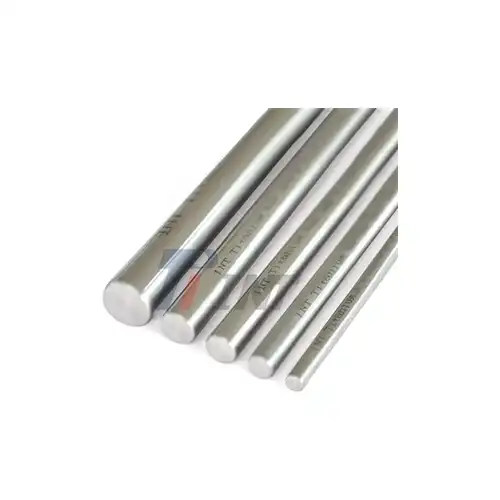
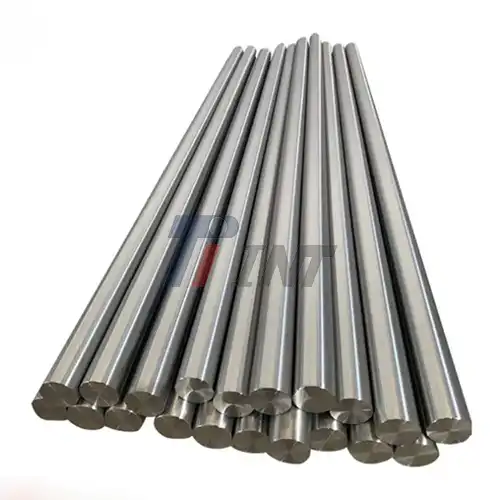
Not every titanium rod made for medical use is the same. The elements that make up a real medical titanium bar must follow strict rules. These rules are especially important for intermediate elements like oxygen, nitrogen, and carbon, which directly affect how easy it is to bend and break.
This is set by rules such as ASTM F67 (for commercially pure types) and F136 (for Ti-6Al-4V ELI). The material must also meet guidelines for being able to be tracked. Every bar needs to have a heat/lot number that links it to its records for melting and making. This is a must for customer checks and following the rules for exporting.
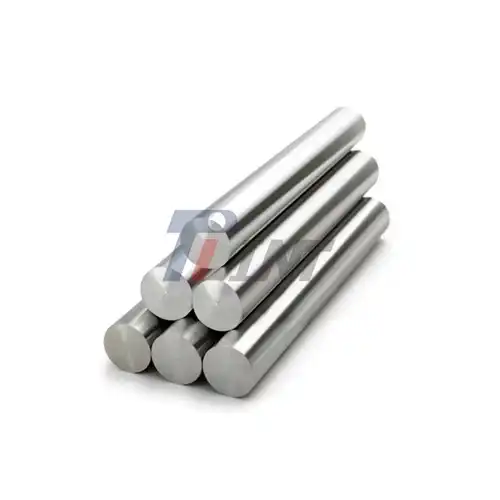
A medical titanium bar is generally made by vacuum arc remelting (VAR) and then controlled thermomechanical processes like hot forging, rolling, and straightening. This gives the bar a regular grain structure. This makes a material that can be precisely machined, has a stable surface finish after polishing, and has a certified oxide layer (TiO₂) that keeps biological environments from rusting and is safe for living things.
The following are some of the most important natural traits for making surgery tools:
- Corrosion resistance — titanium has a passive TiO₂ layer on its surface that doesn't change chemically when exposed to body fluids, autoclave sterilization cycles, or disinfectants. This means that titanium lasts longer than stainless steel in harsh cleaning environments.
- High strength-to-weight ratio — titanium is about 45% lighter than steel at the same level of strength. This makes the instrument easier to use and keeps the operator from getting tired during long procedures.
- Biocompatibility — for biocompatibility, the material is biologically inert, which means it doesn't send out any harmful ions into the skin. This is very important for tools that will touch surgery fields that are still open.
Because of these benefits, surgical tool makers in Sialkot and Solingen are switching their high-end lines more and more to instruments made of titanium.
Overview of Common Titanium Grades Used in Medical Precision Machining
Grade 1 and Grade 2: Commercially Pure Titanium
The biggest difference between economically pure (CP) titanium grades 1 through 4 is how strong they are based on how much oxygen is in them. Grade 1 has the least oxygen (≤0.18%), which makes it the most bendable and simple to shape when it's cold. Thin parts of instruments that need to be bent or shaped a lot can be made with this. Grade 2 is the most important grade in the business. It's pretty strong and very simple to work with, so it's often used for instrument shafts, handles, and jaw parts. It is a good choice for shops that make a lot of things because it cuts evenly when CNC turning and milling.
Grade 4: Higher Strength for Demanding Instrument Applications
Grade 4 CP titanium is the strongest of all the commercially pure types (tensile strength up to about 550 MPa). This is because the oxygen level is strictly controlled. It works well for the working ends of tools and props where load-bearing is important but not as important as when an alloy is used. Shops that already use CP titanium tools can get better results from Grade 4 by making a few small changes to how they work.
Grade 5 (Ti-6Al-4V) and Grade 23 (Ti-6Al-4V ELI): The Alloy Standard
Ti-6Al-4V (Grade 5) is the most common titanium alloy in the world. It makes up about half of all the titanium used in medicine and space. It can handle tensile loads of more than 895 MPa, and it cuts well with carbide tools that are sharp, enough coolant, and slow cutting speeds. Even less oxygen and iron are allowed in the ELI (Extra Low Interstitial) form of Grade 23. This makes the material harder and better able to handle wear and tear. As far as standards go, Ti-6Al-4V ELI is the best for surgical tools that will be cleaned and stressed more than once, and it is also widely supplied as medical titanium bar for implant and instrument manufacturing.
How to Choose the Best Titanium Grade for Your Precision Medical Components
To choose the right grade for the job, you need to think about three things that affect each other: the mechanical load profile, the cutting process, and the paperwork that needs to be done.
This is the way an organized picking method would work. CP Grade 1 or Grade 2 is the right grade for your instruments if they need to be cold-headed, deep-formed, or have thin walls. Grade 2 or Grade 4 will give you the most for your money if you need to standard CNC turn instrument shafts and grips that need to hold modest loads. These tools, like locking mechanisms, retractor arms, and high-torque handles, need to be strong and resistant to wear. Ti-6Al-4V ELI gives them which they need.
Titanium is about 43% lighter than AISI 316L stainless steel, but it doesn't rust as well or as well as titanium. Heavy metals made of cobalt and chrome are more likely to be dangerous and take a lot longer to make, which makes tools more expensive. Titanium grades—especially Grade 2 and Ti-6Al-4V ELI—are the best choice for makers who need to find a balance between the cost of products, the amount of work they need to do, and their customers' needs.
Advantages of Using Medical Titanium Bars Over Alternatives
It is better for everyone in the production chain when the stock is made of precision titanium instead of stainless steel. Below are some of the main reasons why medical titanium bars are the best choice for making surgical tools:
- Superior corrosion resistance — titanium has superior corrosion resistance; it can go through many autoclave cycles, strong chemical sterilizants, and long-term contact to salt water without getting pits or losing its surface. This makes tools last longer and reduces warranty claims.
- Fatigue resistance — when clamps and scissors are opened and closed many times, Ti-6Al-4V ELI stays structurally sound for a much longer time than similar stainless steel. This makes it less likely for things to go wrong in the field.
- Low elastic modulus — titanium has a low elastic stiffness (110 GPa compared to 200 GPa for steel), which makes stress spread out more widely. This keeps micro-fractures from spreading over time in thin instrument parts.
- Polishability — the surface of titanium can be cut and cleaned many times to get mirror finishes (Ra ≤ 0.2 µm) that meet the standards for Class II medical device surfaces without a second coating.
Companies that make tools for hospitals and surgery centers that need tools with titanium handles can stand out from the rest more easily because of these benefits. The material costs more at first than stainless steel, but instruments last longer and there are fewer returns, so the difference is usually worth it.
Procurement Best Practices: Sourcing High-Quality Medical Titanium Bars
You need more than just low prices to find a good place to buy medical titanium bar stock. Teams should use these strict criteria to judge suppliers when they need to buy something:
- Certification coverage — ISO 9001:2015 and ISO 13485:2016 certifications show that the supplier has a quality management system that has been tried and tested and found to work. EU CE marking provides additional assurance for exporting into European markets.
- Material traceability — it is important to keep track of the materials that come in a box. Each package should have a material test report (MTR) that lists the heat/lot number, chemical make-up, and mechanical test results. This paperwork supports both your own quality records and customer audits.
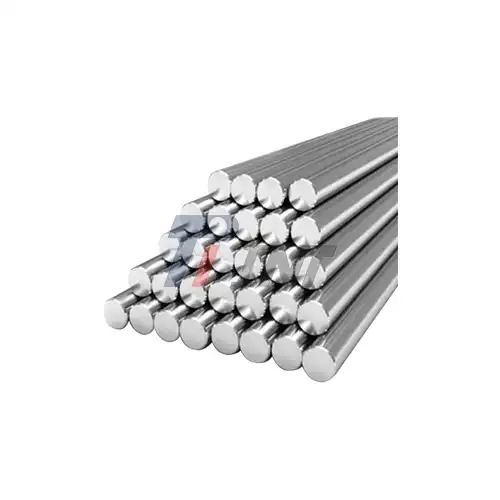
- Specification range and stock availability — a good source should have Gr1, Gr2, and Gr4 CP titanium, as well as Ti-6Al-4V and Ti-6Al-4V ELI, in lengths and widths from 6 mm to 150 mm and 1,000 mm to 3,000 mm, with sandblasted or polished surface options.
- Flexible minimum order quantities — most of the time, making surgical tools is done in small amounts with a lot of different requirements. You won't be able to make as much if your provider won't let you sell mixed grades.
- Lead time reliability — when planning to restock every month, it's helpful to have consistent delivery windows of three to four weeks. Suppliers who can't commit to these windows add production risk.
In Baoji, China, also known as the "Titanium Valley," most of the world's aircraft and medical titanium mill goods are made. It is also where most medical titanium bars are produced.
Conclusion
What grade of titanium to use for making surgical instruments is a business and technical decision that has a real impact on production. A lot of basic instruments can be made from Grade 2 CP titanium because it is cheap and easy to work with. Ti-6Al-4V ELI is used for parts that need to be strong and not wear down quickly. It's just as important that the supplier can always deliver certified, traceable material as it is that the material meets the specifications, no matter what grade you need. When instrument makers work with a well-known medical titanium bar manufacturer that has ISO 13485:2016 and CE certification and can offer all grade ranges, most of the risks they face when they source materials are taken care of.
FAQ
What is the difference between Grade 2 and Grade 23 titanium for surgical instruments?
Grade 2 titanium is strong enough for business use, not too weak, and very simple to work with. It can be used to make handles and rods for instruments. With a tensile strength of at least 895 MPa and tighter interstitial limits, Grade 23 (Ti-6Al-4V ELI) is an alloy that is much stronger. Parts of instruments that need to hold a lot of weight or not break down easily will work better with this. Grade 23 of ASTM F136 also has tighter biocompatibility rules.
How do I verify that a titanium bar shipment is genuinely medical-grade?
Ask for a full material test report (MTR) that includes the heat/lot number, a chemical composition analysis, and test results from the mechanical test. Either ASTM F67 (CP grades) or ASTM F136 (Ti-6Al-4V ELI) should be used to compare the chemical make-up. Suppliers who are accepted by ISO 13485:2016 must keep track of the progress of every production batch.
Can I order mixed grades and diameters in a single shipment?
It is true that a good medical titanium bar provider should be able to handle orders for a variety of grades and sizes, and they should also be able to change the minimum order quantity. When a company makes surgical tools, they often use different part specs for each line of products.
What surface finish options are available for titanium bars used in CNC machining?
Most things are finished with either polish or sandpaper. Polished bars are best for fine-tolerance CNC turning because they cut down on initial tool wear. A surface that has been sandblasted is good for situations where the surface will be treated again later.
Request a Quote from Baoji INT Medical Titanium Co., Ltd.
Since 2003, Baoji INT Medical Titanium Co., Ltd. has sold approved titanium bar stock to businesses on four continents that make surgical tools. We have a lot of different sizes of pure titanium (Gr1–Gr4) and Ti-6Al-4V ELI, ranging from 6 mm to 150 mm. There are ISO 13485:2016 and EU CE marks on all of our goods, and every package comes with a tracked MTR. You can count on us to give you medical titanium bars, and the wait time for both small-batch and mixed-specification orders is 3–4 weeks. Contact our team at export@tiint.com or visit inttitanium.com to request pricing and samples.
References
1. ASM International. Titanium: A Technical Guide. 2nd ed. ASM International, 2000.
2. ASTM International. ASTM F136: Standard Specification for Wrought Titanium-6Aluminum-4Vanadium ELI Alloy for Surgical Implant Applications. ASTM International, 2013.
3. ASTM International. ASTM F67: Standard Specification for Unalloyed Titanium for Surgical Implant Applications. ASTM International, 2017.
4. Geetha, M., et al. "Ti Based Biomaterials, the Ultimate Choice for Orthopaedic Implants." Progress in Materials Science, vol. 54, no. 3, 2009, pp. 397–425.
5. Rack, H.J., and J.I. Qazi. "Titanium Alloys for Biomedical Applications." Materials Science and Engineering: C, vol. 26, no. 8, 2006, pp. 1269–1277.
6. Niinomi, M. "Mechanical Biocompatibilities of Titanium Alloys for Biomedical Applications." Journal of the Mechanical Behavior of Biomedical Materials, vol. 1, no. 1, 2008, pp. 30–42.