




Why ASTM F136 Titanium Is Best for Implant Manufacturing


 2026-10-27 08:43:15
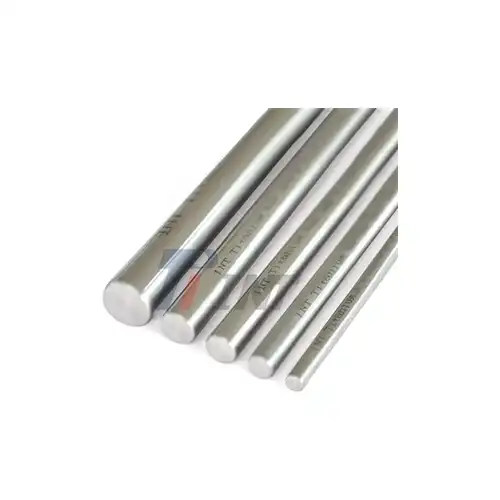
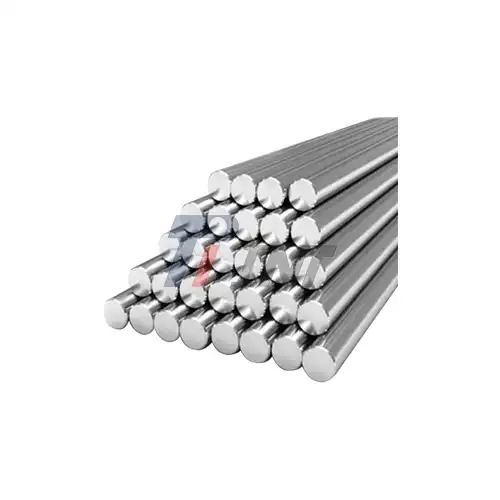
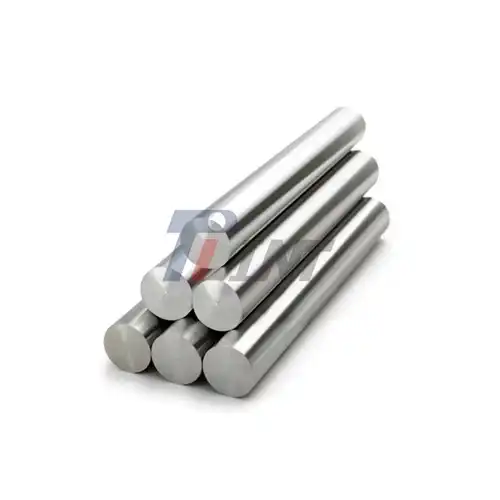
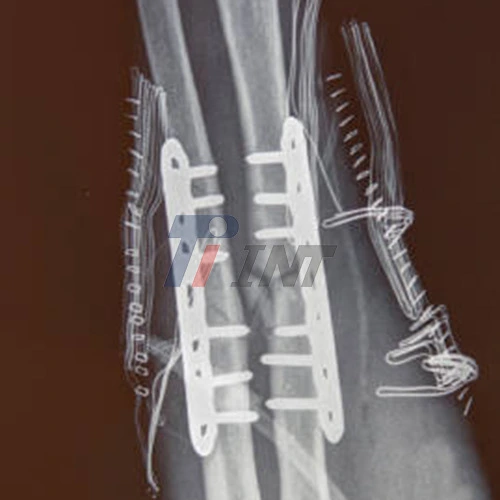
When orthopedic implant manufacturers evaluate raw material options, one specification consistently rises above the rest. The ASTM F136 titanium round bar — a wrought Ti-6Al-4V ELI alloy — delivers the precise balance of mechanical strength, biocompatibility, and regulatory traceability that implant-grade production demands. Unlike standard industrial titanium grades, F136 enforces tighter interstitial element limits, making it the material of choice for trauma fixation, spinal systems, craniofacial plates, and high-load orthopedic components. At Baoji INT Medical Titanium Co., Ltd., we supply this standard exclusively for medical applications.
|
|
|
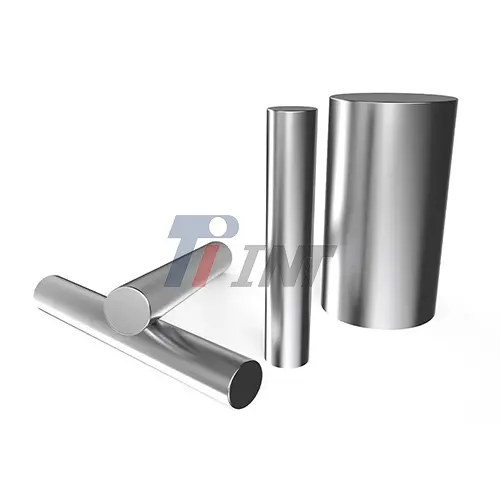
Understanding ASTM F136 Titanium Round Bar – Properties and Standards
Chemical Composition and ELI Designation
The precise word "ELI" (Extra Low Interstitial) is what sets ASTM F136 apart from regular titanium. Standard Grade 5 allows a maximum of 0.20% oxygen, but this standard only allows 0.13% oxygen. It also limits the amount of iron to 0.25% and the amount of carbon to 0.08%. These strict limits keep the alloy's alpha-beta microstructure, which directly makes it more flexible and difficult to break. This is very important when making implants; a material that can handle repeated bodily stress without forming microcracks is not just a nice-to-have, it's a medical necessity.
Mechanical Performance That Meets Implant Demands
ASTM F136 bar has a minimum tensile strength of 860 MPa (125 ksi) and a minimum yield strength of 795 MPa (115 ksi). It can also stretch more than 10%. It has an elasticity value of about 110 GPa, which is about half of what stainless steel or cobalt-chrome metals have. This less stiffness is very important for preventing stress shielding, which happens when an implant that is too stiff bears too much weight and causes the bone around it to break down over time. Because it is not magnetic, F136 can be used with MRIs without any problems. This means it can be used for both anatomical and diagnostic purposes in current orthopedic surgery.
How F136 Compares to ASTM F67 and ASTM B348?
Titanium grades 1–4 that are widely pure and not alloyed are governed by ASTM F67. These grades are best for lower-load uses. ASTM B348 Grade 5 has the same Ti-6Al-4V chemistry but can handle higher interstitial levels. This means it can be used in aerospace but not in implants. As the highest standard, ASTM F136 titanium round bar was made to be used for long-term human implantation. It has the strictest chemical limits and is the starting point for FDA 510(k) applications and EU MDR compliance in the US and EU markets.
Why ASTM F136 Titanium Round Bars Are Ideal for Medical Implants?
This metal is widely used in orthopedic production not because of a single property, but because it combines a number of performance factors that no other material can match right now.
Here are the main material benefits that make people want to use it:
- Fatigue resistance under cyclic loading: Hip stems and pedicle screws undergo millions of load cycles over their service life. F136's ELI microstructure resists crack initiation, ensuring implant longevity without premature structural failure.
- Corrosion integrity in physiological environments: Body fluids present a hostile electrochemical environment. F136 forms a stable, self-regenerating titanium oxide passive layer that resists crevice corrosion and galvanic attack — even in the fluctuating pH conditions of the oral cavity.
- Osseointegration and biocompatibility: F136's surface chemistry promotes direct bone-to-implant bonding without fibrous tissue encapsulation. This is the biological mechanism behind the long-term stability of titanium orthopedic implants.
All of these benefits lower the number of surgeries that need to be redone, help regulatory reports, and give implant makers the confidence to make parts that are thinner, lighter, and more physically accurate. There is a reason why Ti-6Al-4V ELI is listed as the main structural material in almost every major orthopedic implant platform used in clinical practice today.
Comparative Analysis: ASTM F136 vs Alternative Titanium Grades and Materials
F136 vs Standard Grade 5 (ASTM B348)
The formal alloy makeup of Grade 5 and ASTM F136 titanium round bar is the same: 6% aluminum and 4% vanadium. However, the interstitial boundaries and intended use are very different. The higher oxygen tolerance of Grade 5 makes it slightly stronger, but it also makes it less flexible and less resistant to damage. In the context of CNC cutting, this means that Grade 5 bar can have differences in size from batch to batch, which can mess up tool settings and make more scrap. The tighter chemistry of F136 makes it easier to machine, which directly improves production yield in the high-volume production of implants.
Titanium vs Stainless Steel and Cobalt-Chrome
Stainless steel (316L) is still a competitive price, but it has a much higher modulus (about 200 GPa) and nickel ions have been known to leak out when it corrodes. Cobalt-chrome metals are very good at protecting articulating surfaces from wear, but they have higher ion release rates and are not radiolucent, which makes imaging after surgery more difficult. Ti-6Al-4V ELI is one of a kind because it has low modulus, zero ferromagnetism, proven long-term biocompatibility, and X-ray radiolucency all in one material platform. No other alloy can match this combination fully at this time.
Practical Guidance for Procurement of ASTM F136 Titanium Round Bars
Finding implant-grade titanium bars isn't just a matter of price. The people in charge of regulations and quality know that every piece of material that goes into production has to come with full paperwork that can be tracked back to a file for a final device.
Manufacturers who follow FDA 21 CFR Part 820 or EU MDR 2017/745 must meet these requirements. They are checkpoints for audits. No matter how much the unit costs, a seller who can't show these papers when asked is a qualification risk.
- EN 10204 3.1 Mill Certificate: This document links each bar to its specific heat number, confirming chemical composition and mechanical test results from the producing mill.
- ISO 13485:2016 Quality Management Certification: Confirms the supplier operates under a medical device-specific quality system, including documented nonconformance handling and corrective action processes.
- Third-party chemical and mechanical test reports: Independent laboratory verification of oxygen, iron, and carbon content alongside tensile and elongation results eliminates reliance on in-house supplier data alone.
- Small-quantity sampling capability: New implant development programs routinely require multi-diameter sample sets in quantities below standard MOQ thresholds. A qualified supplier accommodates this without compromising traceability.
These criteria for ASTM F136 titanium round bar are not optional for manufacturers operating under FDA 21 CFR Part 820 or EU MDR 2017/745. They are audit checkpoints. A supplier who cannot produce these documents on request is a qualification risk, regardless of unit price.
Processing and Fabrication Tips for ASTM F136 Titanium Round Bars
CNC Machining Recommendations
It gets very hard very quickly when you cut Ti-6Al-4V ELI. Sharp carbide or PCD tools, slow cutting speeds (usually 40–60 m/min for turning), high feed rates, and constant flood coolant stop edges from building up and surfaces from burning. It is important to have consistent bar diameter tolerances, which are h8 or h9 in centerless-ground conditions, so that tight part tolerances can be kept without having to change the tool offset between runs.
Welding and Post-Process Thermal Treatment
F136 is easier to weld than standard Grade 5 because it has less oxygen in it. To keep oxygen and nitrogen from picking up and weakening the metal, all welding must be done in a glove box or an inert argon atmosphere. After welding, annealing at 480–595°C in a vacuum or an inert gas returns the mechanical qualities of the area that was heated up.
Inspection and Quality Control
Bar stock that will be used to make important implant parts should go through non-destructive testing, such as ultrasound inspection for internal holes and dye-penetrant or fluorescent penetrant inspection for surface discontinuities. The distribution of the alpha and beta phases is confirmed by metallographic cross-section review. This proves that the heat treatment has created the desired microstructure before the machining process starts.
Conclusion
Not only is ASTM F136 titanium round bar Ti-6Al-4V ELI a standard choice, it is also the material base that makes long-lasting implantable devices reliable, regulatory reports defendable, and CNC production consistent. Its ELI chemistry, fatigue performance, corrosion resistance, and ability to work with MRI machines make it unique. Selecting a confirmed F136 round bar provider is one of the most important decisions orthopedic implant makers can make when building supply chains that will last through audits and decades of clinical use.
FAQ
Q1: What distinguishes ASTM F136 from ASTM B348 Grade 5?
A: One type of Ti-6Al-4V is ASTM F136, which is the Extra Low Interstitial (ELI) type. It has 0.25% iron and 0.13% oxygen. Astm B348 Grade 5 is made for aircraft and industry use, and it can handle oxygen levels of up to 0.20%. The lower interstitial content in F136 makes it more flexible and less likely to break, which are important qualities for making implants.
Q2: Is F136 titanium bar MRI compatible?
A: Yes. Since the metal isn't magnetic, people who have implants made from it can safely go through MRI tests without worrying about heating up, picture artifacts, or implant movement.
Q3: What certifications should an F136 supplier hold?
A: At the very least, ISO 13485:2016 certification, EN 10204 3.1 mill certificates with heat number tracking, and test reports from a third party that describe the chemical makeup and mechanical properties of the product. A supplier should also be willing to be inspected by a customer, either in person or via video.
Q4: Can small-diameter or non-standard sizes be supplied?
A: Qualified suppliers can work with custom diameters and lengths, and they can also handle small orders while a new product is being developed. They also keep full lot-level traceability on every piece.
Partner With Baoji INT Medical Titanium Co., Ltd. for Your F136 Supply Chain
It has been since 2003 that Baoji INT Medical Titanium Co., Ltd. has sold approved Ti-6Al-4V ELI titanium round bar to orthopedic makers in North America, Europe, and Asia. Our production is ISO 13485:2016-certified and comes with full EN 10204 3.1 tracking, third-party test records, and a range of sample sizes. As a reliable ASTM F136 titanium round bar supplier, we help you through the whole process, from the first sample to the annual framework agreement. You can email our technical team at export@tiint.com to get details and a quote.
References
1. ASTM International. ASTM F136: Standard Specification for Wrought Titanium-6Aluminum-4Vanadium ELI Alloy for Surgical Implant Applications. ASTM International, 2013.
2. Niinomi, M. "Mechanical biocompatibilities of titanium alloys for biomedical applications." Journal of the Mechanical Behavior of Biomedical Materials, 2008.
3. Long, M., and Rack, H.J. "Titanium alloys in total joint replacement — a materials science perspective." Biomaterials, 1998.
4. Rack, H.J., and Qazi, J.I. "Titanium alloys for biomedical applications." Materials Science and Engineering: C, 2006.
5. Geetha, M., et al. "Ti based biomaterials, the ultimate choice for orthopaedic implants — a review." Progress in Materials Science, 2009.
6. ISO. ISO 5832-3: Implants for Surgery — Metallic Materials — Part 3: Wrought Titanium 6-Aluminium 4-Vanadium Alloy. International Organization for Standardization, 2021.