




How to identify genuine GR2 titanium medical bars from counterfeit products?


 2026-11-02 14:24:17
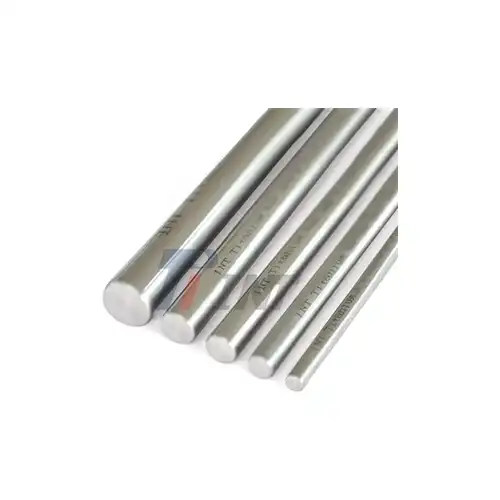
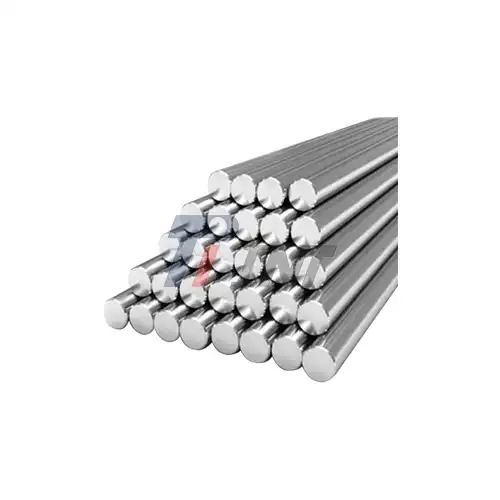
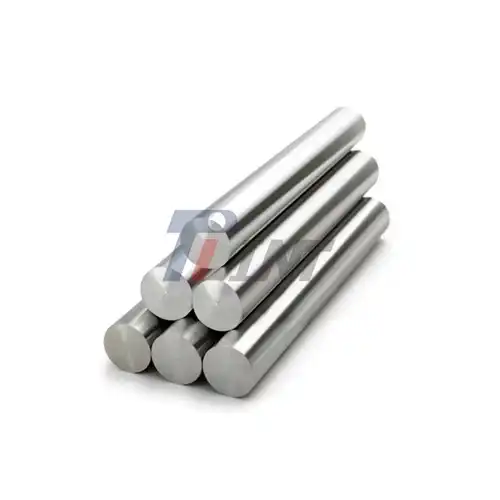
Identifying authentic Gr2 Titanium Medical Bar products requires a systematic approach combining documentation verification, chemical testing, and supplier auditing. Genuine Gr2 Titanium Medical Bars conform to ASTM F67 and ISO 5832-2 standards, exhibiting precise chemical composition—particularly controlled oxygen content below 0.25%—and documented mechanical properties including yield strength of approximately 275 MPa.
Counterfeit materials typically lack proper certification documentation, display inconsistent surface finishes, and fail rigorous spectrographic analysis. We've spent over two decades helping medical device manufacturers navigate these challenges, and this guide shares proven verification methods that protect your supply chain integrity and patient safety.
|
|
|
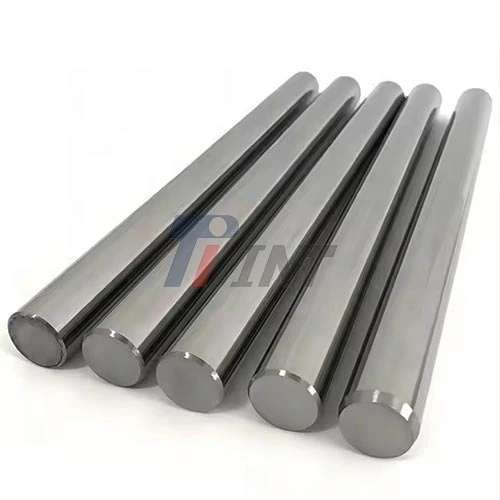
Understanding GR2 Titanium Medical Bars: Fundamentals and Properties
What Makes GR2 Titanium the Industry Standard
Commercially pure Gr2 Titanium Medical Bar represents the most widely specified material in medical device manufacturing because it strikes an exceptional balance between mechanical performance and biological compatibility. The material features a single-phase alpha crystalline structure with a density of 4.51 g/cm³—roughly 55% lighter than stainless steel—making it ideal for implantable devices where weight reduction matters. The spontaneous formation of a regenerative titanium dioxide passive layer provides near-immunity to corrosion in physiological environments, including exposure to body fluids containing chlorides and proteins.
Key Technical Specifications You Must Know
When evaluating medical bar stock, understanding the baseline specifications prevents costly procurement errors. Genuine Gr2 material maintains iron content below 0.30%, oxygen below 0.25%, carbon under 0.08%, and nitrogen beneath 0.03%. These controlled impurity levels directly influence ductility and fracture toughness. The tensile strength typically ranges from 345 to 480 MPa, while elongation exceeds 20%, ensuring excellent formability during machining operations. We've observed that suppliers offering bars with "enhanced strength" often introduce alloying elements that compromise biocompatibility—a red flag warranting immediate scrutiny.
How GR2 Differs from Other Titanium Grades
Medical device engineers frequently ask about distinctions between Gr2 and GR5 (Ti6Al4V ELI). GR5 titanium alloy contains aluminum and vanadium, delivering approximately twice the strength of Gr2 but with reduced corrosion resistance and ductility. Surgical instruments requiring intricate bending or cold-forming operations benefit from Gr2's superior workability. Conversely, load-bearing orthopedic implants like hip stems often specify GR5 for its higher fatigue strength. Understanding these application-specific differences helps procurement teams resist suppliers attempting to substitute grades inappropriately—a common counterfeit tactic we've encountered in quality audits.
Identifying the Problem: Challenges Caused by Counterfeit GR2 Titanium Bars
The Hidden Costs of Material Fraud
Counterfeit Gr2 Titanium Medical Bars introduce catastrophic risks extending far beyond initial purchase savings. We've documented cases where non-compliant material led to implant failures during FDA pre-market testing, resulting in six-figure losses from scrapped inventory, delayed product launches, and damaged manufacturer reputations. Fraudulent bars may contain excessive iron content creating galvanic corrosion cells, or harbor hydrogen embrittlement from improper processing—defects invisible during visual inspection but lethal in clinical applications. Regulatory bodies increasingly hold device manufacturers accountable for supplier material verification, making counterfeits a compliance liability under 21 CFR Part 820 quality system regulations.
Common Counterfeit Tactics Targeting Medical Buyers
Sophisticated counterfeiters employ multiple deception strategies. Material substitution involves selling GR1 or industrial-grade titanium as medical Gr2, exploiting the subtle chemical differences undetectable without laboratory analysis. Documentation forgery includes fabricated mill test reports with plausible-looking data that don't match actual material properties. Gray market diversion channels have increasingly begun circulating Gr2 Titanium Medical Bar—retired aerospace or automotive-grade bars—into medical supply chains, complete with misleading certifications. The proliferation of online B2B marketplaces has amplified these risks, as procurement managers face pressure to source competitively priced materials from unfamiliar suppliers lacking established medical industry credentials.
Why Traditional Vetting Falls Short
Standard supplier qualification processes designed for commodity purchasing prove inadequate for medical-grade titanium. Price-focused procurement strategies attract counterfeit suppliers offering 15-30% discounts that seem reasonable during budget reviews but signal material compromise. Single-sample testing provides false confidence when counterfeiters strategically submit compliant samples while shipping non-conforming production lots. Relying solely on ISO 9001 certification without verifying medical-specific standards like ISO 13485 creates dangerous gaps in quality assurance. Our experience across hundreds of supplier audits reveals that surface-level due diligence misses the nuanced verification layers essential for medical material procurement.
Proven Methods to Verify Authenticity of GR2 Titanium Medical Bars
Documentation Verification: Your First Defense Line
Authenticating medical titanium begins with comprehensive credential review before material ever ships. Legitimate manufacturers provide certification packages including ASTM F67 or ISO 5832-2 compliance statements, third-party test laboratory reports, and full traceability documentation linking specific heat/lot numbers to production records. We recommend verifying that mill test reports contain complete chemical analysis for all controlled elements—not abbreviated summaries—and include testing dates within reasonable timeframes of production. Cross-reference the supplier's business registration with their claimed manufacturing locations, checking for consistency in facility certifications. A genuine medical titanium producer maintains current ISO 13485 registration and welcomes customer audits of their quality management systems.
Chemical Analysis: The Definitive Truth Test
Laboratory testing removes all ambiguity from material authentication. Optical emission spectrography (OES) provides rapid, accurate determination of metallic elements including the critical iron and aluminum content that distinguishes grades. X-ray fluorescence (XRF) analysis offers portable verification suitable for incoming inspection, though with slightly lower precision than OES. The most critical test involves inert gas fusion (IGF) analysis measuring interstitial elements—oxygen, nitrogen, and hydrogen—that profoundly impact mechanical properties and biocompatibility. We've identified counterfeits through IGF testing revealing oxygen levels exceeding 0.35%, which increases strength deceptively but creates brittle alpha-case layers prone to crack propagation during device service life.
Physical and Dimensional Inspection Techniques
Beyond chemistry, authentic medical bars exhibit manufacturing precision reflecting quality control disciplines. Examine surface finish for uniform acid-pickled or peeled appearance, free from iron contamination, rolled-in scale, or machining chatter marks indicating substandard processing. Verify dimensional tolerances against specified standards like h9 or h10 (ISO 286)—genuine medical producers maintain tighter control than industrial suppliers.
Check packaging for professional labeling including QR codes enabling digital traceability, lot identification allowing batch tracking, and protective wrapping preventing shipping damage. We've caught counterfeit shipments through simple diameter measurements revealing out-of-spec variance exceeding 0.2mm on bars specified to ±0.1mm tolerance.
Real-World Case Study: Detection Success
A mid-sized orthopedic device manufacturer approached us after experiencing unusual machining difficulties with recently procured bars advertised as medical Gr2. Visual inspection revealed nothing suspicious, and the accompanying MTR showed compliant chemistry. We conducted independent OES analysis discovering titanium alloyed with 0.8% iron and 0.6% oxygen—technically within some industrial CP titanium specifications but exceeding medical grade limits.
Mechanical testing revealed 15% lower elongation than specified, explaining the machining problems. The discovery prevented approximately 2,000 implant components from reaching the sterilization stage, saving the manufacturer an estimated $180,000 in scrap costs and protecting their regulatory standing. This case reinforced the irreplaceable value of verification testing beyond supplier-provided documentation.
Comparing GR2 Titanium Medical Bars with Alternatives to Aid Procurement Decisions
GR2 Versus GR5: Choosing the Right Alloy
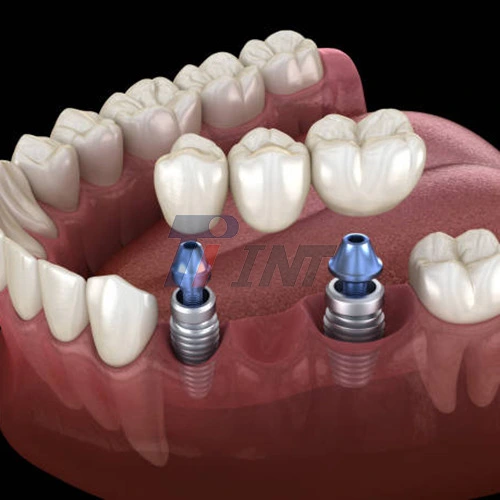
Medical device designers face strategic material decisions impacting performance, cost, and manufacturability. Gr2 Titanium Medical Bar—as commercially pure titanium—excels in applications prioritizing corrosion resistance, biocompatibility, and formability over maximum strength. Dental implant abutments, surgical instrument shafts, and cranial fixation plates leverage these attributes effectively. GR5 titanium alloy (Ti6Al4V ELI) delivers approximately 860 MPa yield strength—more than triple Gr2's 275 MPa—making it essential for load-bearing orthopedic implants like femoral hip stems and spinal fusion cages. The strength advantage comes with higher material costs, reduced cold-working capability, and more complex welding requirements. We guide procurement teams through trade-off analyses considering not just material price but total manufacturing costs including machining time, tool wear, and quality control complexity.
Titanium Versus Stainless Steel: The Total Cost Equation
Stainless steel's lower acquisition cost tempts budget-conscious buyers, yet comprehensive analysis often favors titanium for medical applications. While 316L stainless steel costs roughly 40% less per kilogram than Gr2 Titanium Medical Bar, its 7.99 g/cm³ density means titanium provides 55% weight savings at equivalent volumes—critical for patient comfort in implants. Titanium's superior corrosion resistance eliminates the pitting and crevice corrosion concerns plaguing stainless steel in chloride-rich physiological environments, reducing long-term implant failure risks.
Device manufacturers targeting MRI compatibility must specify titanium, as stainless steel's magnetic properties create imaging artifacts and pose patient safety risks in strong magnetic fields. We've helped multiple surgical instrument manufacturers transition from stainless steel to titanium, achieving differentiated product positioning despite higher material investment.
Supplier Selection Criteria Beyond Price
Securing reliable medical titanium supply requires evaluating partners across multiple performance dimensions. Manufacturing capability encompasses not just basic bar production but value-added services like precision cutting, surface treatments, and custom diameter offerings matching your design specifications. Quality infrastructure should include on-site testing equipment, documented quality procedures aligned with ISO 13485, and established corrective action systems demonstrating continuous improvement culture.
Supply chain reliability encompasses reasonable lead times (typically 4-8 weeks for medical-grade material), flexible minimum order quantities accommodating prototype and production runs, and transparent communication during allocation shortages. We've observed that manufacturers prioritizing these factors over lowest-cost sourcing achieve 30% lower total procurement costs through reduced quality incidents, minimized inventory carrying costs, and accelerated time-to-market.
Best Practices for Secure Procurement and Long-Term Partnership
Building a Multi-Layer Supplier Qualification System
Protecting your supply chain requires systematic vetting extending beyond initial approval to continuous monitoring. The qualification protocol should include corporate due diligence verifying business legitimacy, facility inspections assessing manufacturing capabilities and quality systems, reference checks with existing medical device customers, and initial material testing validating compliance claims.
We recommend implementing a tiered supplier classification system: "approved" suppliers meeting baseline requirements, "preferred" partners demonstrating consistent performance across multiple orders, and "strategic" manufacturers offering collaborative development capabilities and supply security commitments. This structure enables risk-based procurement decisions, reserving critical implant materials—such as Gr2 Titanium Medical Bar for biocompatible components—for strategic partners, while allowing approved suppliers for lower-risk applications like prototyping.
Leveraging Technology for Supply Chain Transparency
Digital transformation tools enhance authentication and traceability capabilities. Blockchain-enabled certification systems create immutable records linking material certifications to specific production batches, preventing documentation forgery and enabling instant verification of compliance claims. QR code integration on packaging provides immediate access to digital test reports, manufacturing dates, and traceability information through smartphone scanning—a practice we've implemented with our shipping protocols.
Real-time supplier performance dashboards aggregating quality metrics, delivery performance, and responsive communication scores enable data-driven procurement decisions. These technologies particularly benefit multi-site medical device manufacturers requiring standardized material specifications across global production facilities, ensuring consistent quality regardless of shipping destination.
Cultivating Strategic Manufacturing Partnerships
Transactional supplier relationships limit value creation compared to collaborative partnerships addressing shared challenges. Strategic suppliers invest in understanding your device designs, manufacturing processes, and future development roadmaps, enabling proactive material recommendations and specification optimization. They maintain buffer inventory supporting your production schedules during demand spikes and offer technical consultation on machining parameters, surface treatments, and quality control methodologies.
At Baoji INT Medical Titanium Co., Ltd., partnerships developed over our 20-year history include joint development projects creating custom bar specifications, dedicated production allocations ensuring supply security, and comprehensive documentation packages streamlining customer regulatory submissions. These relationships transform procurement from a cost center into a competitive advantage, enabling faster innovation cycles and superior product reliability.
Conclusion
Authenticating Gr2 Titanium Medical Bar materials protects patient safety, regulatory compliance, and brand reputation in increasingly complex global supply chains. We've outlined verification methodologies combining documentation review, laboratory analysis, physical inspection, and supplier auditing that collectively eliminate counterfeit risks. The stakes extend beyond immediate procurement savings to encompass product liability exposure, regulatory penalties, and market reputation damage that can threaten business viability.
Successful medical device manufacturers implement multi-layered authentication protocols, invest in strategic supplier partnerships, and leverage technology platforms enhancing traceability. By adopting these proven practices, procurement teams transform material sourcing from a vulnerability into a competitive strength, ensuring every component entering production meets the exacting standards your patients deserve.
FAQ
How can I verify chemical composition using laboratory testing?
Request independent testing through accredited laboratories employing optical emission spectrography for metallic elements and inert gas fusion analysis for interstitial elements like oxygen and hydrogen. Compare results against ASTM F67 specifications, paying particular attention to oxygen content (max 0.25%) and iron content (max 0.30%), as these elements most significantly impact biocompatibility and mechanical properties. Reputable suppliers welcome third-party verification and provide sufficient sample material for your testing protocols.
What distinguishes GR2 from GR5 titanium in medical applications?
Gr2 Titanium Medical Bar commercially pure titanium offers superior corrosion resistance and formability with moderate strength (275 MPa yield), making it ideal for surgical instruments and non-load-bearing implants. GR5 titanium alloy contains aluminum and vanadium, delivering approximately 860 MPa yield strength suited for load-bearing orthopedic implants but with reduced ductility. The choice depends on specific application stress requirements, with Gr2 preferred when biocompatibility and corrosion resistance outweigh strength demands.
Why should I be concerned about abnormally low-priced titanium bars?
Medical-grade titanium production requires specialized processing, rigorous quality control, and comprehensive documentation that establish baseline cost structures. Prices significantly below market rates often signal material substitution, counterfeit certifications, or non-compliant processing. The risk-reward equation strongly favors paying legitimate market pricing to avoid catastrophic quality failures, regulatory violations, and patient safety incidents that dwarf any procurement savings.
Partner with a Trusted Gr2 Titanium Medical Bar Manufacturer
Baoji INT Medical Titanium Co., Ltd. eliminates counterfeit risks through two decades of specialized experience manufacturing certified medical-grade titanium materials. Since our founding in 2003, we've maintained comprehensive ISO 13485:2016 and CE certifications, providing full traceability documentation and batch-specific mill test reports for every shipment.
Our quality infrastructure includes on-site spectrographic analysis equipment, ensuring each Gr2 Titanium Medical Bar meets exact ASTM F67 chemical specifications before delivery. We offer flexible specifications including custom diameters, precision tolerances to h9 standards, and responsive technical support guiding material selection for your specific device applications. Medical device manufacturers across North America trust our consistent quality, reliable delivery schedules, and collaborative partnership approach.
Contact our team at export@tiint.com to discuss your procurement requirements and request complimentary material samples demonstrating our uncompromising commitment to authenticity and performance. Your patients' safety begins with materials you can trust absolutely—let us prove why leading OEMs specify Baoji INT as their strategic titanium supplier.
References
1. ASTM International. (2013). "Standard Specification for Unalloyed Titanium, for Surgical Implant Applications (UNS R50250, UNS R50400, UNS R50550, UNS R50700)." ASTM F67-13, West Conshohocken, PA.
2. International Organization for Standardization. (2016). "Implants for Surgery — Metallic Materials — Part 2: Unalloyed Titanium." ISO 5832-2:2018, Geneva, Switzerland.
3. Rack, H.J., and Qazi, J.I. (2006). "Titanium Alloys for Biomedical Applications." Materials Science and Engineering C, 26(8), 1269-1277.
4. Peters, M., Kumpfert, J., Ward, C.H., and Leyens, C. (2003). "Titanium Alloys for Aerospace Applications." Advanced Engineering Materials, 5(6), 419-427.
5. U.S. Food and Drug Administration. (2020). "Quality System Regulation: Medical Device Current Good Manufacturing Practice (CGMP)." 21 CFR Part 820, Silver Spring, MD.
6. Donachie, M.J. (2000). "Titanium: A Technical Guide, 2nd Edition." ASM International, Materials Park, OH.