




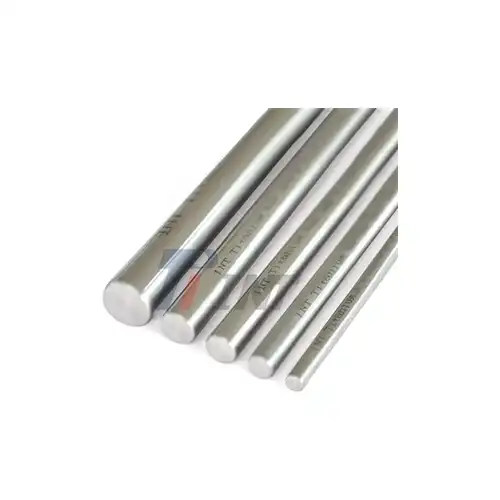
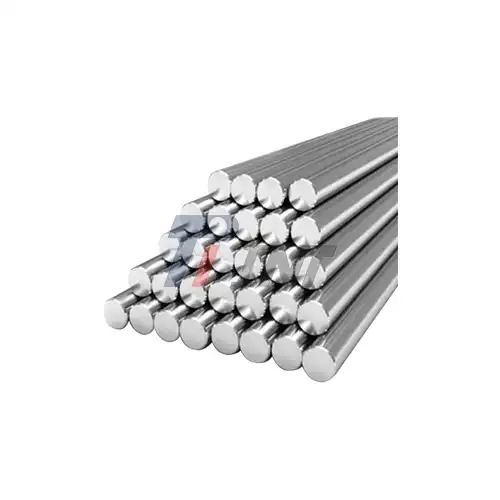
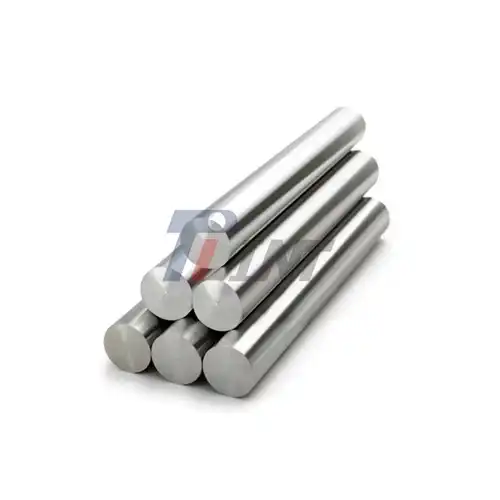
Complete Guide to Gr2 Titanium Medical Bar for Implant Makers


 2026-11-02 14:24:12
When selecting materials for surgical implants and medical devices, the stakes couldn't be higher. Gr2 Titanium Medical Bar stands out as a commercially pure titanium grade that combines exceptional biocompatibility with reliable mechanical properties, making it indispensable for manufacturers producing bone plates, spinal rods, dental implants, and orthopedic screws. This guide walks you through everything procurement managers and R&D engineers need to know about this versatile material—from its chemical makeup to procurement strategies—helping you make confident, compliant purchasing decisions.
|
|
|
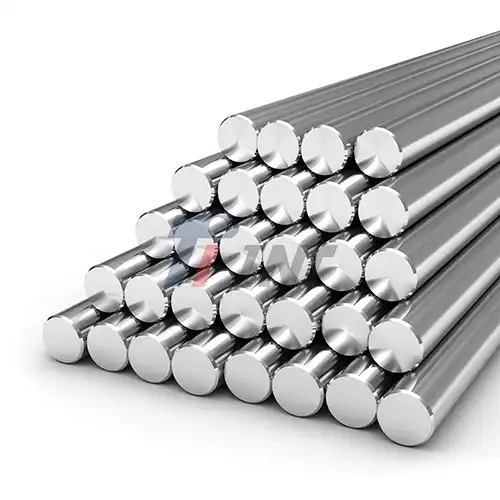
Understanding Gr2 Titanium Medical Bar: Properties and Specifications
It's very important to choose the right materials for surgery implants and other medical gadgets. Gr2 Titanium Medical Bar is a widely pure grade of titanium that is very biocompatible and has stable mechanical qualities. This makes it essential for companies that make bone plates, spinal rods, dental implants, and orthopaedic screws. This guide tells procurement managers and R&D experts everything they need to know about this flexible material, from how to buy it to what chemicals are in it. This will help you make sure you're buying the right thing.
What Makes Gr2 Titanium Unique?
Commercially pure titanium Grade 2, which is also known as CP Ti Grade 2, is the most common material used in medical devices. The chemical make-up of titanium keeps its purity at a minimum of 99.2%. Trace elements like oxygen (0.25% max), iron (0.30% max), nitrogen (0.03% max), and most importantly, hydrogen levels below 0.015% are managed. Because of this careful balance, the material is easy to work with and keeps its shape under normal physiological conditions.
The mechanical profile shows why this grade is preferred by implant makers. Tensile strength is usually between 345 and 483 MPa, and yield strength is at least 275 MPa. Elongation values of 20% or more make the material flexible enough to be cold-formed during production without cracking. This is a big plus when making complicated implant shapes like threaded screws or curved bone plates.
Compliance Standards That Matter
Since we've been working with medical device makers for decades, we've seen that certification paperwork is the key to building trust with suppliers. Multiple standards must be met by Gr2 Titanium Medical Bars. ASTM F67 sets the requirements for surgical implant applications, ASTM B348 covers general bar specifications, and ISO 5832-2 makes sure that all standards are followed around the world. Material certifications should include Mill Test Reports that show the results of mechanical tests, chemical tests using Optical Emission Spectrometry and Inert Gas Fusion, and the ability to track back to specific heats and lots.
When buying, you should pay extra attention to the oxygen content. When there is too much oxygen above the limits allowed, it makes what metallurgists call "alpha case," a fragile top layer that lowers fatigue resistance and can cause a catastrophic implant failure. To avoid this problem, reliable suppliers do a thorough chemical analysis on every production lot.
Biocompatibility and Corrosion Performance
The passive titanium oxide layer that forms naturally on Gr2 surfaces protects against corrosion very well in body fluids that contain chlorides, proteins, and different pH levels. Biocompatibility is guaranteed by the same oxide layer, as shown by decades of clinical proof and ISO 10993 biological evaluation tests. Titanium that is commercially pure doesn't release many ions into nearby tissue like stainless steel does. This means that it doesn't cause inflammation and helps bones fuse together in bone-contacting uses.
Comparison of Gr2 Titanium with Other Medical-Grade Materials
Buying managers often wonder if they should ask for Gr2 or Gr5 (Ti-6Al-4V) titanium. The answer depends on the needs of the program.
Gr2 Versus Gr5 Titanium Alloy
Gr5 is much stronger than other materials, with tensile strengths close to 895 MPa. This makes it a good choice for load-bearing implants like hip stems and fracture plates in big bones. However, this strength comes at a cost: Gr5 costs about 30–40% more, is harder to make, and has slightly lower corrosion protection than commercially pure grades.
Gr2 is the best when moderate strength is enough but excellent formability and weldability are needed. Gr2 is flexible, which makes it useful for dental implant abutments, plates for maxillofacial repair, and spine rods with complicated shapes. When using inert gas tungsten arc welding, the material welds smoothly and doesn't crack when heated, which can happen with Ti-6Al-4V metals.
Stainless Steel Alternatives
Medical-grade stainless steels, such as 316L, are usually 60–70% less expensive than titanium, but they are not as good for long-term implants. Stainless steel is almost twice as heavy as titanium, which can be painful for people with big implants. Concerns about metal sensitivity in some patient groups are raised by the nickel presence in steel alloys. Titanium is also better for magnetic resonance imaging because implants made of it produce fewer artefacts than implants made of ferromagnetic stainless steels.
Gr1 and Gr4 Comparisons
In the widely pure titanium family, Gr1 has less oxygen (0.18% max), which makes it less strong but more flexible for deep-drawing uses. On the other end is Gr4, which has a higher oxygen content and is stronger than Gr5, but less flexible. Gr2 is a good compromise because it has balanced qualities that meet most of the needs of implant manufacturers without having to pay extra.
Manufacturing Process and Quality Assurance of Gr2 Titanium Medical Bars
From Sponge to Bar: Production Steps
To make high-quality Gr2 Titanium Medical Bars, titanium sponge is first made using the Kroll process. This sponge goes through several vacuum arc remelting cycles to make sure it is chemically uniform and get rid of any impurities that are in the gaps between the layers. For medical-grade production, Baoji INT Medical Titanium uses triple-melt methods to make ingots with a regular microstructure and no macro-segregation.
Ingots are turned into bars through hot forging and rolling. Precise temperature control keeps the grains from getting too big, which would weaken the bars' mechanical properties. Solution annealing is used on bars, usually at temperatures between 650°C and 750°C, to remove internal stresses and create the fine equiaxed alpha grain structure needed for the best flexibility and wear resistance. Finishing the surface with centerless grinding and acid cleaning gets rid of scale and any other surface dirt, especially iron particles that could start rusting in cracks.
Quality Control Checkpoints
At several steps of production, calibrated micrometres and coordinate measuring tools are used to check the dimensions. This makes sure that the diameter errors for precision-machined bars are within 0.1mm. Tensile properties meet minimum requirements for each production lot, as shown by mechanical tests on samples from each lot. Guided bend tests to 105° show that the material won't crack during cold forming operations.
For larger diameter bars that are going to be used in critical situations, non-destructive testing is now required. According to AMS 2631 Class A1 guidelines, ultrasonic testing finds internal flaws like inclusions or laminations that could weaken the structure. A close look at the surface under controlled lighting makes sure that acid-pickled finishes are still free of iron contamination. This is an important checkpoint because even small amounts of iron can cause localised corrosion. Every package comes with traceability paperwork that connects the goods to their original heats, production dates, and test results. This paper record is very helpful during regulatory checks and lets people act quickly if problems arise in the field.
Medical Applications and Benefits of Gr2 Titanium Bars
Surgical Implant Categories
One of the main uses for Gr2 Titanium Medical Bars is in trauma stabilisation devices. Bone screws with diameters from 2.0 mm for hand fractures to 6.5 mm for long bone fixation are made from bar stock. The thread shapes are cut to make the screws fit best in both cortical and cancellous bone. For stabilising femur and tibial fractures, intramedullary nails use wider bars that have been shaped and drilled to fit interlocked screws.
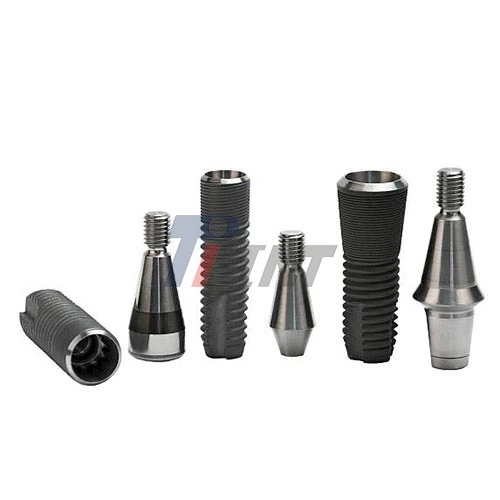
A lot of Gr2 Titanium Medical Bars are used in spinal surgery for things like pedicle screws, spinal rods, and interbody fusion cages. The radiolucency of the material makes it possible to see how the bone is growing on an X-ray after surgery, without the shadowing effects that come with cobalt-chromium options. In dental implantology, Gr2 is used for implant bodies, healing abutments, and prosthetic parts where moderate strength is enough and maximum biocompatibility is needed for tissue contact.
Gr2 Titanium Medical Bars are also used in surgical instrument handles, retractors, and other specialised tools, especially when resistance to sterilisation, non-magnetic qualities, and rust resistance are more important than strength. Titanium is a good material for electrosurgical tools because it conducts electricity well and lets heat escape.
Long-Term Performance Evidence
Studies that followed up on patients for more than 20 years show that Gr2 Titanium Medical Bar implants last a long time in tough situations. Fracture fixation devices keep the structure intact while the body heals, and bone remodelling normally happens around implant surfaces. The stable oxide layer doesn't break down when sterilised over and over again with an autoclave, gamma irradiation, or ethylene oxide treatment.
The good biocompatibility profile of Gr2 is based on patient safety data collected from millions of implantations around the world. Adverse tissue reactions are still very rare and usually only happen because of mistakes in the manufacturing process or in the surgery itself, not because the materials don't work well together. Regulatory bodies, such as the FDA, recognise Gr2 titanium under various 510(k) clearances. This makes it easier for products that use this well-known material to get approved.
Procurement Guide: Buying Gr2 Titanium Medical Bars for Implant Production
Sourcing medical-grade titanium demands more than just checking prices.
Selecting Qualified Suppliers
When a supplier is qualified, they should show that their quality management systems are ISO 13485:2016 certified, which shows that they follow controlled processes from receiving the raw materials to the final review. As a minimum, look for companies that have ISO 9001:2015 as their quality system. Other approvals, such as AS9100 for aerospace-grade production standards, show that they can make high-tech products.
In this specialised field, production knowledge is very important. Companies that have been in the medical device market for more than 15 years know how important it is to have good paperwork, be able to track products, and expect no problems from suppliers. When you can, visit production facilities and pay attention to how clean they are, how they maintain their equipment, and how they train their employees. These things all have a direct effect on how consistent the products are.
The ability to provide technical support sets strategic partners apart from commodity suppliers. Can the provider give you advice on the right heat treatment settings for the work you need to do? Do they keep up-to-date on their metallurgical knowledge to help solve processing problems? Will they do test runs with the new specs before going to large-scale production?
Understanding Pricing Structures
The price of Gr2 Titanium Medical Bars is based on the cost of raw materials, which changes with the world titanium sponge market. Base prices for normal industrial amounts will likely be between $25 and $40 per kilogram. For medical approval, better testing, and tighter tolerances, extra fees will be added. Because they have to go through more steps of processing and have more scrap during production, small-diameter precision bars (under 10mm) cost 20 to 30 percent more than larger bars.
Levels of certification affect how prices are set. Material that fully meets ASTM F67 standards and comes with proof of traceability costs 15–25% more than ASTM B348 general-grade bars that don't have a medical history. Instead of changes in the metal itself, this difference is due to the extra work that goes into testing, documenting, and maintaining a quality system.
Customisation costs more, but it's worth it when standard sizes don't work with the way you make things. Custom lengths cut down on waste, special surface finishes get rid of the need for pre-machining, and custom mechanical qualities improve the performance of implants. Talk about these choices with your provider when you're negotiating prices, especially for high-volume uses where savings per unit add up quickly.
Logistics and Lead Time Considerations
Standard medical-grade Gr2 Titanium Medical Bars usually ship between 4 and 6 weeks after an order is confirmed, as long as the material is made to stock standards. Taking into account production schedules, handling times, and testing processes, custom orders take 8 to 12 weeks. To keep production going, either keep enough safety stock on hand or set up blanket buy orders with planned releases. When you ship things across international borders, you have to pay extra attention to export paperwork, translating material certifications into the languages of the destination countries, and customs classifications. Suppliers with a lot of experience can easily meet these needs by giving business bills, certificates of origin, and compliance statements that keep the border from being held up.
Conclusion
Gr2 Titanium Medical Bars have the perfect balance of performance qualities that make them essential for making surgical implants. They are strong enough to be worked with, but also biocompatible and resistant to corrosion. Understanding the specifications of the material, comparing it well to other options, and working with qualified suppliers are the most important parts of successful procurement. From chemical analysis to non-destructive testing, the quality control steps we've talked about protect your production processes and, in the end, patient safety. With this information, buying managers can safely choose Gr2 Titanium Medical Bar for uses like bone screws and dental implants, knowing that they have chosen a material that has been clinically tested and shown to work for decades.
FAQ
Q1: What distinguishes Gr2 from Gr1 titanium in medical applications?
A: Gr2 Titanium Medical Bar contains a slightly higher oxygen level than Gr1, which gives it about 25–30% more tensile strength while still being easy to shape. This makes Gr2 Titanium Medical Bar more useful for load-bearing implants like bone plates and screws, where Gr1 can't meet the structural needs. Gr1 is still the best choice for thin-walled tubing and deep-drawn parts that need to be very flexible.
Q2: How can I verify authentic material certifications?
A: Real Mill Test Reports have exact heat numbers, full chemical analysis results from approved labs, mechanical test data with real values (not just pass/fail), and they can be traced back to well-known standards like ASTM F67. Ask for certificates directly from the company that made the material instead of taking paperwork from a third party, and make sure that the information on the certificates matches what is written on the bars themselves.
Q3: Can Gr2 titanium bars be customized for specific implant designs?
A: Of course. Medical titanium providers you can trust offer custom sizes, exact length cuts to cut down on waste, unique surface finishes like centerless grinding or polishing, and changes to the heat treatment process to achieve the desired mechanical properties. To make sure the seller gives you exactly what your manufacturing process needs, you need clear technical drawings and material property standards.
Partner with a Trusted Gr2 Titanium Medical Bar Supplier
The Baoji INT Medical Titanium Co., Ltd. has been in the medical device business since 2003. They sell ISO 13485:2016-certified Gr2 Titanium Medical Bars to implant makers in North America, Europe, and Asia. We have full quality paperwork, uniform mechanical features, and a history of on-time delivery that solves the problems that procurement managers face every day. We keep a lot of stock in widths ranging from 6mm to 200mm, and we can make sizes to fit your production needs.
Our professional team, led by founder Mr. Zhan Wenge, has more than 30 years of experience in the titanium business and can help you choose the right materials, make suggestions for processing, and provide responsive support throughout the entire product development cycle. We provide the material quality and source dependability that your success requires, whether you're making more of well-known implant designs or coming up with new medical devices. To talk about your needs for a Gr2 Titanium Medical Bar, please email our export team at export@tiint.com. Ask for certifications of the materials, prices for the amounts you need, and shipping times that work with your production plan.
References
1. American Society for Testing and Materials. "ASTM F67-13: Standard Specification for Unalloyed Titanium, for Surgical Implant Applications." ASTM International, 2013.
2. Brunette, Donald M., et al. "Titanium in Medicine: Material Science, Surface Science, Engineering, Biological Responses and Medical Applications." Springer-Verlag, 2001.
3. International Organization for Standardization. "ISO 5832-2:2018 Implants for Surgery — Metallic Materials — Part 2: Unalloyed Titanium." ISO Standards, 2018.
4. Niinomi, Mitsuo. "Mechanical Properties of Biomedical Titanium Alloys." Materials Science and Engineering A, vol. 243, 1998.
5. Rack, H.J., and J.I. Qazi. "Titanium Alloys for Biomedical Applications." Materials Science and Engineering C, vol. 26, 2006.
6. Semlitsch, M.F., et al. "Long-Term Behavior of Pure Titanium in Human Bodies." Journal of Biomedical Materials Research, vol. 18, 1984.