




Implant Titanium Bar vs Cobalt Chrome: Which Should You Choose?


 2026-11-02 14:24:04
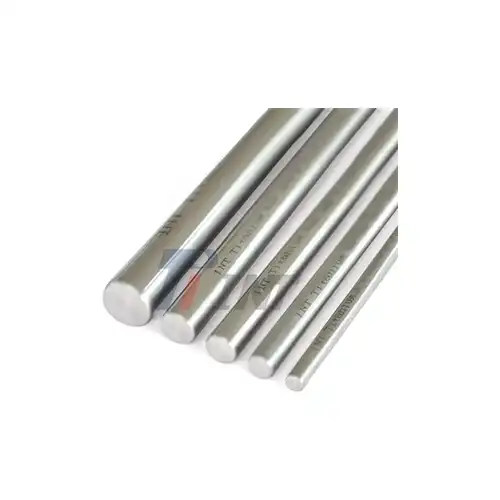
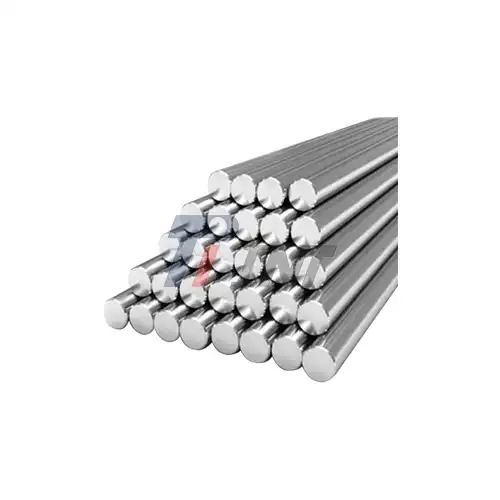
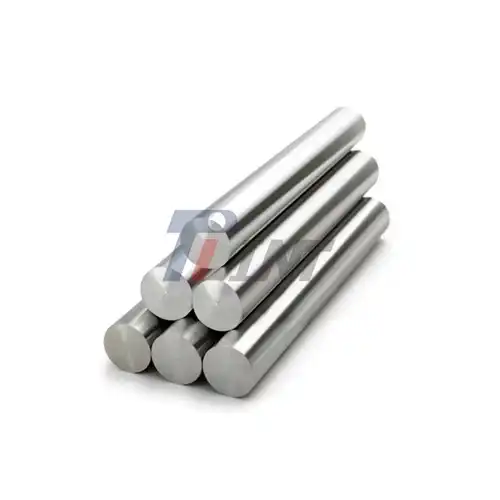
In most implant programs, an implant titanium bar is the best place to start. Titanium is about half as heavy as cobalt chrome. It doesn't rust and can be machined cleanly on modern CNC machines. Cobalt chrome is still the best when it comes to surfaces that need to be very stiff or resistant to wear, like bearings. I think you should pick based on your application, load, and documentation needs instead of just price per kilogram. For companies that make implant parts, I'll compare the two materials below and tell you what checks you should do on a new bar stock supplier.
|
|
|
Why Material Selection Matters for Implant Titanium Bars
What an Implant Bar Is and Who Buys the Stock
In our field, an implant titanium bar can mean two different things. The word refers to a milled part that holds implants in place in an overdenture or full-arch prosthesis. Machine shops that make orthopedics use it to make round bars that are then used to make bone screws, anchors, and pins. The second group is mostly who I write for.
Titanium rods, wires, plates, and forged products, such as pure titanium and Ti6Al4V ELI, are sold by Baoji INT Medical Titanium Co., Ltd. We don't sell medical parts that are already made. Your team is in charge of machining, finishing, and following the rules. We give them the metal that makes that process possible.
Why Raw Material Price Alone Misleads
In your machine shop, a cheaper bar may cost more. Chemical drift between heats may affect tool cutting, and a program that performed well last quarter may chatter or wear out quicker. Scrap, rework, and line stops pile up quickly. Missing documentation is another expense since a regulatory affairs manager can't submit without raw material standard evidence. The amount I paid, the projected scrap rate, the documentation quality, and delivery stability are considered. Even if the price appeared cheap, it rises as one breaks.
The Decision Criteria I Use
Five questions cover crucial options. When done, the bodily part performs what? What loads and wear does it experience? Your regulation file mentions ASTM F136 for Ti-6Al-4V ELI or ISO 5832-3. Which will it use? Your CNC line can process the material at a steady yield? Can the supplier verify lot tracking from heat number to certificate? You should agree on material requirements before freezing the design since FDA submissions in the U.S. follow consensus standards like these. Answering these five questions first should make choosing titanium or cobalt chromium straightforward.
Titanium vs Cobalt Chrome: Material, Biocompatibility, and Strength
Grades and Alloys Compared
Pure titanium, Grade 2, is weaker yet rust-free and malleable. ASTM F136-regulated Ti-6Al-4V ELI strengthens implant sections that carry weight. Extra low interstitials with ELI. It restricts oxygen, nitrogen, carbon, and iron to make the material more flexible and robust. Cobalt-chromium-molybdenum grades in ASTM F75 and F1537 are tougher and denser. They contain no titanium. Know the alloy, specification edition, and material condition before comparing costs from various providers.
Biocompatibility and Imaging
Long-used implants employ both categories of materials. Implant titanium bar features titanium's thin, persistent oxide coating prevents corrosion from bodily fluids. Cobalt chrome and chromium oxide layers behave similarly. Nickel, cobalt, and chromium are the most discussed metals for metal sensitivity, thus the clinical team should advocate for these individuals. Titanium makes CT and MRI images less congested than cobalt chrome, helping surgeons see healing. Biocompatibility relies on the alloy's name and surface cleanliness and smoothness. The biocompatibility file should match the material you chose.
Strength, Stiffness, and Fatigue
ASTM F136 requires 860 MPa tensile and 795 MPa yield strength for Ti-6Al-4V ELI. Its density is 4.43 g/cm³ and tensile strength is at 110 GPa. Cobalt chrome alloys are stiffer due to their modulus of 210–240 GPa. They're twice as volumetrically heavy. Thin, unbending parts benefit from rigidity. Less stiffness helps bone distribute load. Geometry, surface quality, and notch design effect fatigue life as much as alloy. Test the finished design against the standards to ensure it works for your device. Find the limitations in the latest version of each standard.
Machining, Surface Treatment, and Sterilization
Machining Behavior in Your CNC Shop
Titanium retains cutting edge since it doesn't conduct heat effectively. Machinists employ sharp tools, constant feeds, high-pressure coolant, and chip control. Cobalt chrome tools break easily and are hard to work with. Both materials value consistency. This is why batch homogeneity matters. With constant bar diameter, clean surface, and reliable chemistry, you can lock in cutting parameters and yield. Straightness and diameter of entering bar effect fixing and stock removal. Compare suppliers and get dimensions information on batches, then utilise the heat number to monitor scrap.
Surface Finishing and Cleaning
After machining, titanium pieces are deburred, polished, bead blasted, passivated, or anodised depending on design. Anodising may colour-code sizes. Most cobalt chrome is polished or blasted. Polishing is essential for moving surfaces. The cleaning process must remove cutting fluids, particles, and residues. Ultrasonic cleaning, rinsing, and drying are most common and effective. A bar provider can't control what your facility does, thus the surface should be clean and rough enough for your gadget. Find out the rod's finish since the provider may modify it.
Sterilization and Validation
The equipment manufacturer sterilises, not the bar supply. Some devices employ steam, ethylene oxide, or gamma irradiation. All methods must be tested against the final device and packaging. Titanium and cobalt chromium can endure these procedures, but cleaning and packaging provide different outcomes. One trackable file should include the material record, cleaning validation, and sterilisation validation. Send non-sterile parts to a steriliser separately from sterilised items. Your regulators may enquire regarding raw material. Bar certificate and heat number identify the completed product's metal.
Applications: When to Choose Titanium or Cobalt Chrome
Trauma, Spine, and Fixation Parts
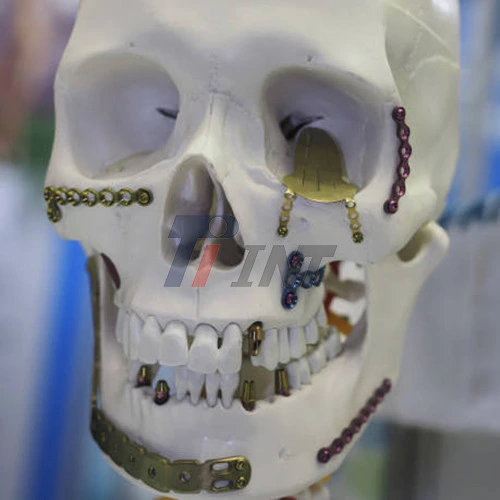
Titanium is used for bone screws, plates, rods, and anchors. It's lighter than cobalt chrome, has a modulus like bone, and reduces imaging mistakes. Strong threaded items may be machined from Ti-6Al-4V ELI bar material. Some craniomaxillofacial plates may be shaped using pure titanium. Spine rod systems employ titanium alloy and cobalt chromium. Stiffer cobalt chrome rods are used by surgeons to rectify deformities. The proper response depends on the concept. If you construct screws or anchors, start with an implant titanium bar in ELI grade.
Dental Implant Bars and Overdentures
In dentistry, the implant bar holds an overdenture or full-arch prosthesis in place and splints several implants. CAD/CAM is used to mill titanium bars, which works well with digital workflows. The lighter weight also makes the bars more comfortable for patients. Also milled or cast, cobalt chrome bars are extra stiff, which can help with long spans or cantilevers.
Arch span, implant angulation, prosthetic space, and occlusal load are all determined by case geometry. Passive fit is important for both types of materials because strain at the implant interface can lead to issues. Companies that make bars from titanium rod need accurate measurements and stock that has been checked. A rod supplier helps with that work by sending you properly documented materials, and you do the milling in your own facility.
Where Cobalt Chrome Still Wins
Cobalt chromium is still utilised for femoral heads and knee femoral components since it's robust and durable. It also works for stiff, thin areas where titanium would be too thick. Titanium doesn't wear well on sliding surfaces, thus designers don't use it for bearing faces without treating it. Use of existing casting and lab equipment may aid cobalt chrome. This doesn't seem like a contest. Many manufacturers employ both materials in various products. They choose depending on part function and test results.
Cost, Lead Time, and Supplier Evaluation
Cost Beyond Price per Kilogram
Cost for implant titanium bar includes raw material, machining time, tool wear, scrap, inspection, finishing, sterilisation, documentation, and freight. Cobalt chrome tools wear out rapidly, while titanium cuts slower than free-machining metals. This implies the cheaper bar isn't necessarily cheaper. Grade, diameter, length tolerance, material condition, quantity, and destination demands determine quotes.
Request quotes from suppliers using the same specified specifications. This lets you compare identical deals. Then add the cost of any repeat inspections or testing. A bar with comprehensive records and uniform chemistry simplifies quality control and audits.
Lead Time and Supply Continuity
An implant line can't proceed without a missing bar due to tight manufacturing timelines. As a consequence, many producers use two suppliers, such as a domestic and foreign mill. That strategy prices one mill's delays and minimises their impact. Write down the lead times you agree on, comprehend rolling order release, and determine a qualification cycle-compatible safety stock level. New supplier approval takes three to six months, in my experience. Reorders speed up after supplier approval. Provide your supplier with your annual projection early on to arrange melting and processing capacity.
Supplier Evaluation Checklist for Global B2B Buyers
Before I place my first order, I would ask any implant titanium bar supplier for the following things.
- Material certificates: Request the mill certificate with heat number, chemical analysis, and mechanical results for each lot. Check that the standard, such as ASTM F136 or ISO 5832-3, appears clearly. Confirm that the heat number on the certificate matches the bar marking and shipping documents.
- Independent verification: Send samples to a third-party laboratory for chemistry, mechanical testing, and metallography before approval. This step often takes two to four weeks, so plan it early. Compare results with the certificate, and record any difference in your supplier file.
- Quality system records: Ask for the ISO 13485 certificate, its scope, and the process for corrective actions and change notices. Baoji INT Medical Titanium Co., Ltd. holds ISO 9001:2015, ISO 13485:2016, and EU CE certification. Request a video or onsite audit if your procedure requires one.
The first thing auditors want to know is answered by these checks. Some red flags are unclear specifications, no revision control, no test data available, and a low price that doesn't explain what the scope is.
Conclusion
The function, load, and regulatory file of the part determine which of an implant titanium bar and cobalt chrome to use. Titanium is a very useful metal that is about half as dense as steel. It has a lower modulus, fewer imaging artifacts, and is used in a lot of different things, like screws, anchors, plates, and milled dental bars. Cobalt chrome is good for bearing surfaces and thin, stiff sections because it makes them stiffer and less likely to wear down.
Both materials are affected by how they are machined, finished, cleaned, and sterilized, so using consistent implant titanium bar stock and keeping full lot records is important for both yield and audits. There should be more than just price per kilogram in the cost, like scrap, tool wear, inspection, and paperwork. A lot of companies use both alloys, and getting them from two different sources helps keep production schedules safe.
FAQ
Is titanium or cobalt chrome better for bone screws?
Most of the time, titanium alloy is used. Ti-6Al-4V ELI is stronger than cobalt chrome, but it is less dense and has a lower modulus. The final choice will still depend on your design, the test results, and the regulatory pathway.
How does Grade 2 differ from Ti-6Al-4V ELI?
Grade 2 titanium is pure enough for commercial use, but it is less strong and easier to shape. ASTM F136 says that Ti-6Al-4V ELI has a minimum tensile strength of 860 MPa, which means it can be used for parts that hold weight.
What documents should I request before ordering?
Ask for the supplier's ISO 13485 certificate as well as the mill certificate with the heat number and chemical and mechanical test data. Then have samples tested by a third party. Before production starts, make sure that your regulatory team agrees with all of the details.
Can I discuss sample quantities before a larger order?
Yes. Please send your grade, diameter, length, and quantity to export@tiint.com. We will then talk to you about your sample and trial order options.
Request an Implant Titanium Bar Quotation from Baoji INT Medical Titanium Co., Ltd.
Baoji INT Medical Titanium Co., Ltd. has been in business since 2003 and is ISO 13485:2016 certified. Send your grade, diameter, length, standard, quantity, and where the bar is going to export@tiint.com if you need to find a supplier for implant titanium bars. We'll look over your requirements and make a quote plan. You can also get more information about the product at inttitanium.com.
References
1. ASTM F136: Standard Specification for Wrought Titanium-6Aluminum-4Vanadium ELI (Extra Low Interstitial) Alloy for Surgical Implant Applications, ASTM International, 2013
2. ISO 5832-3: Implants for Surgery — Metallic Materials — Part 3: Wrought Titanium 6-Aluminium 4-Vanadium Alloy, International Organization for Standardization, 2021
3. ASTM F1537: Standard Specification for Wrought Cobalt-28Chromium-6Molybdenum Alloys for Surgical Implants, ASTM International, 2020
4. Titanium in Medicine: Material Science, Surface Science, Engineering, Biological Responses and Medical Applications, Springer, 2001
5. Ti Based Biomaterials, the Ultimate Choice for Orthopaedic Implants – A Review, Progress in Materials Science, 2009
6. Biomaterials Science: An Introduction to Materials in Medicine, Academic Press, 2013