




Titanium Bar Dental Applications and Manufacturing Uses


 2026-10-28 09:18:24
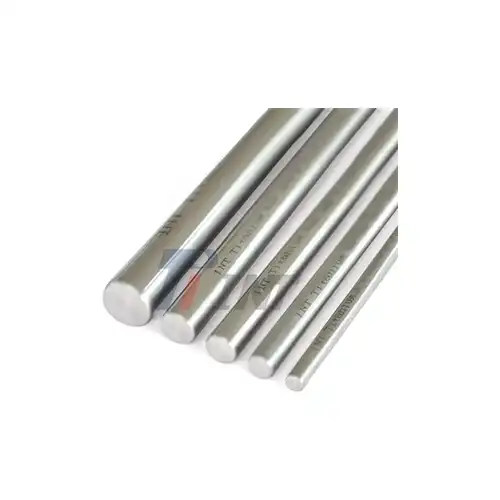
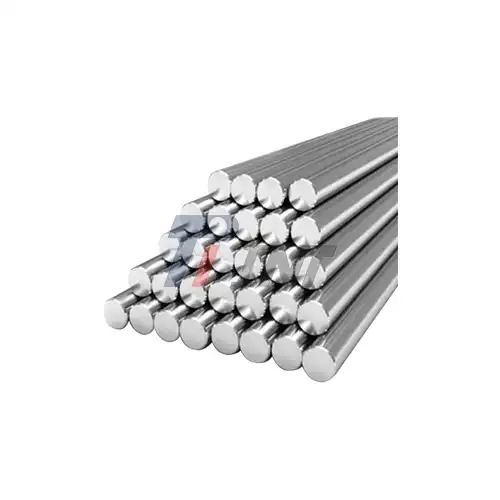
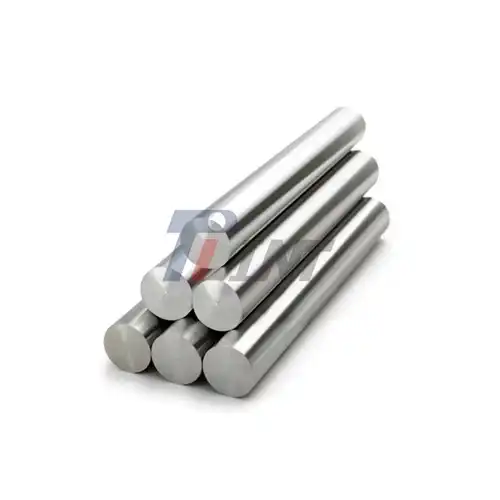
When sourcing materials for dental and orthopedic devices, medical device manufacturers face a critical decision: choosing a substrate that won't compromise patient safety or product performance. The titanium bar for medical use has emerged as the gold standard, addressing persistent challenges like implant rejection, corrosion in bodily fluids, and mechanical failure under cyclic loading. These bars, particularly Ti-6Al-4V ELI grade, deliver unmatched biocompatibility and structural integrity, making them indispensable for high-stakes applications ranging from dental abutments to spinal fusion hardware.
|
|
|
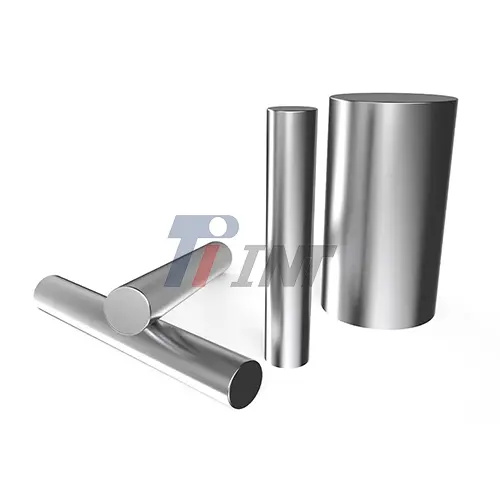
Understanding Titanium Bars for Medical and Dental Uses
Medical-grade titanium bars are a great example of advanced engineering. They have been carefully honed to meet the exact needs of human insertion. Commercially pure (CP) titanium (Grades 1–4) and titanium alloys make up the material environment. Grade 5 (Ti-6Al-4V) and its ELI (Extra Low Interstitial) variant are mostly used in medical uses.
Material Grades and Their Distinct Characteristics
Grade 2 CP titanium is good for tooth screws and simple implant shapes because it is moderately strong and very easy to shape. Its tensile strength is about 345 MPa, which is strong enough for non-load-bearing uses. The most important thing about the material is that it is pure, which makes it more likely for tissues to accept it.
Ti-6Al-4V ELI improves performance in tough situations. By strictly keeping the oxygen level below 0.13%, this metal can have tensile strengths of more than 860 MPa while still being able to be bent. The vanadium stabilises the microstructure during heat cycle, and the aluminium adds to the strength. This mix is very important for dental implants that are hit by biting forces (bite pressures can reach 700 Newtons in the back) and for orthopaedic hardware that is loaded and unloaded over and over again when a patient moves.
Why Biocompatibility Matters in Clinical Settings?
Medical titanium bars are basically different from other options because they naturally form a stable titanium dioxide (TiO2) passivation layer. This oxide film, which is only a few nanometres thick, stops ions from getting into nearby tissues. This stops the chain of inflammation that metal debris starts. Studies that follow implant success rates over 10 years consistently show that titanium's rejection rates stay below 2%, while some cobalt-chromium alloys have rejection rates of 8–12%.
Osseointegration, which is when bone and implant surface become structurally connected, always happens with titanium. Osteoblasts quickly settle on the oxide layer and add calcium phosphate minerals that hold the device in place. This biological acceptance changes the implant from something that is not part of the body into something that is.
Regulatory Compliance as a Quality Benchmark
Following ASTM F136 (for Ti-6Al-4V ELI grades) and ASTM F67 (for CP grades) for titanium bar for medical use makes sure that the products can be tracked and are always the same. As a result of these standards, chemical composition limits, mechanical property limits, and surface finish requirements must be met. Manufacturers with ISO 13485:2016 certification have quality management systems that are specifically designed for making medical devices. These systems include checking the quality of the raw materials, testing them while they are being made, and keeping track of the whole lot. When applying for an FDA 510(k) or a CE mark, this kind of paperwork is very important because it directly affects when the product will be approved by the government.
It's better for procurement teams when sources have two types of certification: ISO 9001:2015 for general quality systems and ISO 13485:2016 for controls that are specific to medical devices. This two-part framework makes sure that both the products are consistent and that the documentation is strong enough to pass an audit.
Titanium Bar Applications in Dental and Orthopedic Manufacturing
From raw titanium bar stock to finished medical devices, the material has to go through precise machining steps that take advantage of its good machinability while also being aware of its work-hardening tendencies.
Dental Implant Systems: Precision at the Micron Level
To make sure that dental implants fit properly and distribute weight evenly, manufacturers often need to keep standards within 10 microns. CNC turning is used to make threaded implant bodies out of titanium bars. The shape of the threads is very important for the initial support of the implant. The thread pitch, depth, and flank angle all work together to determine how resistant the implant is to pullout forces while it is osseointegrating.
Abutments, which are the parts that connect implants to replacement crowns, need even more precise control over their dimensions. Connection surfaces have curved or hexagonal shapes that must fit perfectly to stop micromotion, which can lead to bacterial growth and peri-implantitis. Titanium is easy to machine, so makers can make these complicated shapes while keeping the surface roughness (Ra) below 0.4 microns on sealing surfaces.
Orthopedic Hardware: Load-Bearing Performance
Intramedullary nails for femur fractures show how mechanically better titanium bars are. When they are loaded with weight, these devices, which are made from Grade 5 titanium bar stock, must be able to handle axial loads of more than 3000 Newtons. The material's high strength-to-weight ratio makes implants about 40% lighter than stainless steel versions. This lowers stress shielding, which happens when implants that are too stiff stop natural bone loading, which causes density loss.
Titanium's ability to be shaped is used in bone plates for craniomaxillofacial repair. During surgery, surgeons shape plates to fit the anatomy of each patient without putting too much stress on them, which could cause fatigue cracks to spread. The material has a low elastic modulus (110 GPa compared to 200 GPa for stainless steel), which lets it deform without losing its strength.
Sterilization Resilience and Contamination Control
The most common way to sterilise terminals is still to use an autoclave at 134°C and steam pressure. Titanium's oxide layer can be sterilised many times without breaking down, while polymeric coatings may separate. Manufacturers need to make sure that the processes they use for cutting don't contain ferrous tool bits, which can make the product less compatible with MRIs. Electropolishing after machining gets rid of surface contaminants and makes the metal more resistant to corrosion. In simulated body fluid testing, the passive current densities were below 0.1 µA/cm².
The titanium bar for medical use stays strong from being machined to being implanted because of these processing factors. This eases supply chain worries about material consistency and tracking.
Comparing Titanium Bars with Alternative Implant Materials
The choice of material has a big effect on clinical results, the life of the gadget, and the total cost of ownership. A careful comparison shows why titanium remains the market leader despite the higher prices of its raw materials.
Stainless Steel: Cost Versus Longevity Trade-Offs
Titanium metals are more expensive than 316L stainless steel, which makes it a good choice for short fixation devices. But the fact that it is made of chrome and nickel makes me worry about its biocompatibility. About 10 to 15 percent of people are sensitive to nickel, which can lead to dermatitis or implant intolerance. Corrosion products from stainless steel can raise metal ion levels in the area, which is linked to inflammation reactions, especially in body fluids that are high in chloride.
When used in load-bearing situations, stainless steel's higher modulus creates strong stress shielding. This biomechanical mismatch speeds up bone loss around implants, which makes revision surgeries more difficult. Stainless steel is fine for plates that are taken off after a fracture has healed, but it's not the best material for lasting implants.
Cobalt-Chromium Alloys: Strength at the Expense of Weight
Cobalt-chromium (CoCr) metals are better at resisting wear, which is why they are used for moving joint surfaces. But their density (8.3 g/cm³) is almost twice that of titanium (4.5 g/cm³), which makes the implants heavier. This extra weight doesn't matter as much for total hip stems because bulk is a good thing. But it's a problem for dental or maxillofacial uses because reducing tissue load improves results. Recent studies that link high levels of cobalt in the blood to systemic problems have made people look more closely at CoCr devices. Metal-on-metal hip implants had too many failures due to the release of particulate cobalt, which led to limits by regulators. Titanium's bioinert oxide layer takes away this worry, giving people who will be implanted for a long time peace of mind.
Economic Analysis: Upfront Investment Versus Lifecycle Value
Although titanium bar stock is more expensive than 316L stainless steel—typically $80-150 per kilogram for medical-grade material compared to $15–25 for 316L stainless steel—total cost estimates must take into account the frequency of revision surgeries, patient complications, and costs associated with regulatory compliance. Higher material costs are worth it for devices with 5% lower failure rates over 10 years because they lower legal risks and improve the company's image in the market.
Procurement managers optimising supplier portfolios should evaluate not only price per kilogram but also seller technical support skills, customisation flexibility, and certification upkeep. A supplier that offers services like material certifications, mechanical property validation, and rapid prototyping is more valuable than a distributor of common goods who doesn't know much about medical technology.
How to Choose and Procure the Right Titanium Bar for Medical Use?
When you strategically source the titanium bar for medical use, you have to find a balance between technical requirements, regulatory requirements, and the reliability of the supply chain. The buying process includes more than just negotiating prices. It also includes managing wait times, making sure quality standards are met, and building partnerships with suppliers.
Defining Application-Specific Requirements
Initial specifications should include the grade of the material, any required tolerances for size, the finish on the surface, and the amount that is needed. Manufacturers of dental implants usually ask for Ti-6Al-4V ELI with sizes between 4mm and 12mm and straightness limits of no more than 0.5mm per metre of length. Specifications for surface roughness (Ra 1.6–3.2 microns) balance how easy it is to machine with how clean the surface is.
Evaluating Supplier Certifications and Capabilities
Getting ISO 13485:2016 certification shows that a supplier is dedicated to medical device quality management, which includes controls for design, risk management, and monitoring after the product has been sold. Certifications that go together, like FDA registration or EU Medical Device Regulation (MDR) compliance, show that you know how to deal with regulations around the world.
In addition to certifications, you should look at how well suppliers can test. Technical know-how is shown by in-house spectroscopy (checking chemical makeup), mechanical testing (tensile and yield strength), and surface analysis (oxide layer thickness). It is easier for downstream regulatory entries to be made when suppliers provide material test records (MTRs) that can fully trace finished bars back to specific melt batches.
Managing Lead Times and Inventory Strategies
Medical titanium bars usually take 8 to 12 weeks to arrive after an order is placed. Timeliness can be cut down to 4–6 weeks for rush orders, but there are usually 20–30% extra fees. Supply chain managers should make demand forecasts every three months and place blanket orders with set release dates to balance the costs of keeping goods with the costs of speeding up deliveries.
Baoji INT Medical Titanium Co., Ltd. was founded in 2003 and has more than 30 years of experience in the titanium business. They are an example of a company that can provide full solutions. They make pure titanium and Ti-6Al-4V ELI in bars, wires, plates, and forgings, and they offer customisation services to meet specific needs for size or finish. With ISO 9001:2015, ISO 13485:2016, and EU CE approvals, they provide the strict paperwork that is needed for medical device markets around the world.
Future Trends and Innovations in Titanium Bar Medical Applications
New materials science discoveries and advanced manufacturing technologies are coming together to make titanium more useful in medicine while also making it more cost-effective.
Additive Manufacturing Integration
Selective laser melting (SLM) and electron beam melting (EBM) make it possible to make implants that are custom made for each patient and have porous structures that help bone grow. Titanium bar for medical use is used in these processes, but bar stock is still needed for hybrid manufacturing, which is when 3D-printed parts are attached to structures that have been machined. Being able to print complicated lattice structures with 60–80% porosity lowers the stiffness of implants, making them more like bone in terms of mechanical qualities and reducing stress absorption.
Surface Modification Technologies
Plasma electrolytic oxidation (PEO) adds calcium and phosphorus to titanium surfaces to make reactive ceramic layers that help the bones fuse together faster. When compared to titanium that hasn't been handled, these methods shorten the repair time by 30 to 40 percent. This is especially helpful for people with weak bones, like osteoporosis patients. When manufacturers add surface treatment features to their products, they make them stand out and can charge more for better clinical performance.
Alloy Development Roadmap
Beta-titanium alloys, like Ti-Nb-Ta-Zr mixtures, are being studied to find ones with elastic moduli close to 20 GPa, which is the range that bones have. These new metals don't have any aluminium or vanadium, which answers theoretical questions about how ions might build up over time. Beta-titanium is the next big thing in biomechanically optimised implant materials, but it isn't widely available yet.
Supply Chain Digitalization
Blockchain-based material traceability systems let you check the certification status, melt batch history, and compliance documentation of titanium bars in real time. This openness speeds up regulatory filings and makes quality control stronger. When suppliers invest in digital platforms, they make themselves more desirable as partners for OEMs that have to deal with stricter regulations.
Conclusion
Titanium bars for medical use are the main material used to make orthopaedic and dental devices because they are biocompatible, work well mechanically, and are accepted by regulators. Procurement professionals can make the best sourcing decisions that balance cost, quality, and supply chain resilience by learning about the differences between material grades, the needs of specific applications, and the abilities of suppliers. As manufacturing technologies improve and clinical needs change, it's more important than ever to have strategic partnerships with qualified suppliers. Titanium's track record and ongoing improvements mean it will continue to be the best material for life-critical medicinal uses.
FAQ
Q1: What makes titanium bars superior for dental implants compared to other metals?
A: Titanium bars have great osseointegration, which means that bone cells stick directly to the titanium dioxide surface layer. This biological acceptance, along with the ability to fight corrosion in the tough enzymatic environment of the mouth, means that over 95% of implants are successful after 10 years. Stainless steel and cobalt-chromium options don't have this biocompatibility profile, so they have higher rates of rejection and inflammatory reactions.
Q2: How do I verify a supplier's medical-grade titanium certification?
A: For certain lot numbers, ask for copies of ISO 13485:2016 certificates, ASTM compliance paperwork, and material test reports (MTRs). Use sources like the International approval Forum to check the certification body's approval. Genuine sellers give proof that finished bars can be tracked back to the batches of melt that they came from. This proof includes chemical makeup analyses and mechanical property test results.
Q3: Can titanium bars be customized for unique device geometries?
A: Suppliers you can trust offer customisation services, such as non-standard diameters, custom surface finishes, and cut-to-length options. Baoji INT Medical Titanium offers custom solutions ranging from simple bars to complicated formed forms, helping with everything from making prototypes to mass production. Talk about tolerances for dimensions and quantity needs early on in the design phase to make sure that manufacturing is possible and doesn't cost too much.
Partner with Baoji INT Medical Titanium Co., Ltd. for Reliable Titanium Bar Supply
Finding a reliable source of approved medical-grade titanium bars has a direct effect on the quality of your products and your ability to follow the rules. Baoji INT Medical Titanium Co., Ltd. has been making titanium products for over 30 years and has full material traceability and certifications such as ISO 9001:2015, ISO 13485:2016, and EU CE. Our Ti-6Al-4V ELI bars meet the biocompatibility, strength, and consistency needs of manufacturers of dental implants and orthopaedic devices around the world.
Get in touch with our technical team at export@tiint.com to talk about your needs for a titanium bar for medical use. As a well-known company that supplies titanium bars for medical use, we offer material certifications, proof of mechanical testing, and application engineering help that make the process of developing your product and getting it approved by regulators easier.
References
1. Niinomi, M., Nakai, M., & Hieda, J. (2012). Development of new metallic alloys for biomedical applications. Acta Biomaterialia, examining titanium alloy microstructure optimization for medical implants.
2. Rack, H.J., & Qazi, J.I. (2006). Titanium alloys for biomedical applications. Materials Science and Engineering: C, comprehensive review of Ti-6Al-4V ELI properties in surgical contexts.
3. Geetha, M., Singh, A.K., Asokamani, R., & Gogia, A.K. (2009). Ti based biomaterials: the ultimate choice for orthopaedic implants. Progress in Materials Science, analysis of titanium's clinical performance data.
4. Liu, X., Chu, P.K., & Ding, C. (2004). Surface modification of titanium and titanium alloys for biomedical applications. Materials Science and Engineering: R, exploring surface treatment effects on osseointegration.
5. ASTM International. (2013). ASTM F136-13: Standard Specification for Wrought Titanium-6Aluminum-4Vanadium ELI Alloy for Surgical Implant Applications, defining material requirements for medical devices.
6. Brunette, D.M., Tengvall, P., Textor, M., & Thomsen, P. (2001). Titanium in Medicine: Material Science, Surface Science, Engineering, Biological Responses and Medical Applications, Springer-Verlag, authoritative text on titanium medical device engineering.