




Ti6Al4V Titanium Bar vs Pure Titanium: Which Is Better?


 2026-10-28 09:18:19
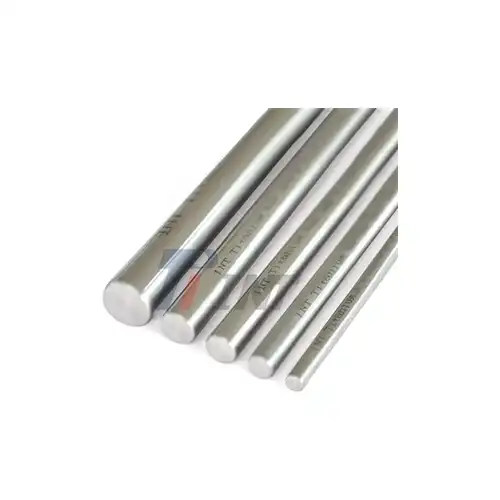
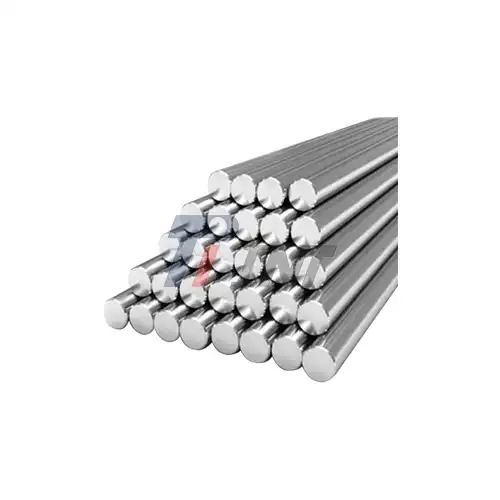
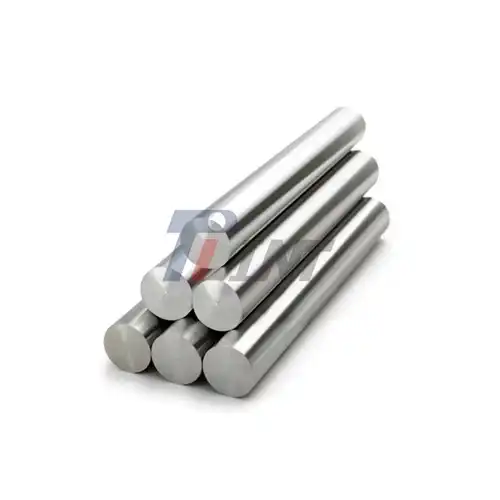
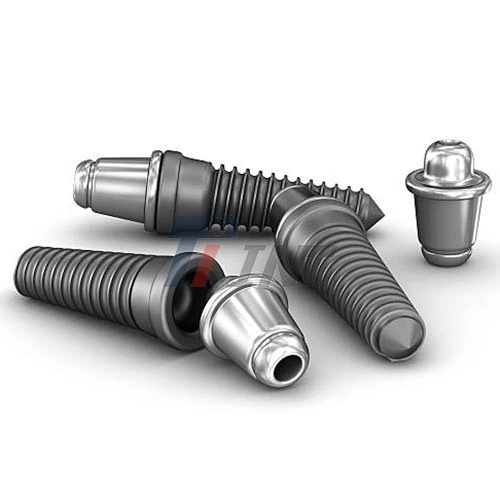
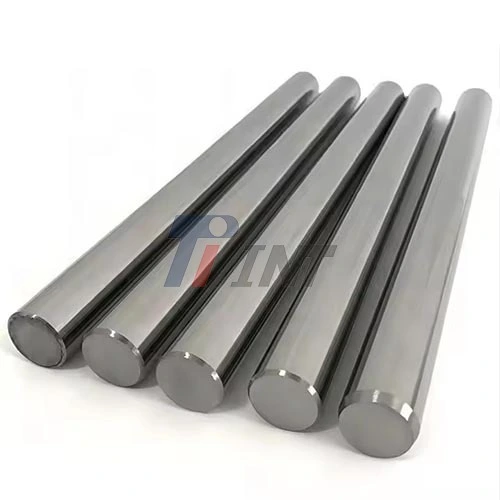
When deciding between Ti6Al4V alloy and commercially pure titanium, especially for an 8mm diameter bar, the answer depends on your application requirements. Ti6Al4V titanium bar 8mm delivers superior tensile strength (≥895 MPa) and exceptional fatigue resistance, making it the preferred material for high-stress medical implants, orthopedic devices, and precision surgical instruments. Pure titanium, while offering excellent corrosion resistance and biocompatibility, falls short in load-bearing scenarios due to lower mechanical strength. For medical device manufacturers requiring both reliability and performance, Ti6Al4V stands as the optimal solution.
|
|
|
Introduction
For their unique mix of being lightweight, resistant to rust, and biocompatible, titanium bars have become an important part of making medical devices. Choosing the right titanium grade has a direct effect on how well the device works, how safe it is for patients, and how much it costs to make in the long run. This is especially true for precision applications like 8mm diameter rods. From working with medical device makers for 20 years, we know that mistakes in choosing the right materials cause almost 30% of prototypes to fail during field testing.
This detailed guide looks at the differences between commercially pure titanium grades and Ti6Al4V (Grade 5) titanium alloy, focusing on their mechanical properties, biomedical uses, and buying options that are important for making medical devices. We take care of the main issues that R&D engineers and buying managers worry about, such as making sure that materials meet certification requirements, keeping the supply chain stable, and providing expert support. By knowing these differences, you can make choices that are in line with FDA rules, ISO quality standards, and the performance needs of your particular project.
Understanding Ti6Al4V Titanium Bar 8mm
The most common titanium metal used to make medical devices is Ti6Al4V, which has an alpha-beta phase microstructure and is made up of 6% aluminum and 4% vanadium. This particular mix has a tensile strength of more than 895 MPa and a density of only 4.43 g/cm³, which is about 60% lighter than stainless steel alternatives. For the precise machining tasks needed to make implants, the 8mm circle design provides the best physical stability.
Superior Mechanical Performance
The alloy's mechanical qualities come from the microstructure, which has been carefully managed. Some heat treatments, like solution annealing at 925°C followed by controlled cooling, smooth out the grain structure, which makes the metal stronger and more flexible. Our factory can keep stretch rates at ≥10% and yield strengths of 825 MPa or more, so the materials are always the same from one production batch to the next. This dependability is very important when companies that make medical devices test the materials to make sure they are correct before committing to mass production.
Chemical Composition and Corrosion Resistance
The aluminum in Ti6Al4V makes the alpha phase stronger, and the vanadium stabilizes the beta phase. This makes a passive oxide film (TiO₂) that heals itself when it gets damaged. This ability to fix itself protects against chloride-induced pitting corrosion in physiological settings. This is a major benefit over stainless steel, which can release nickel ions into nearby tissue. Testing according to ASTM F1801 standards shows that corrosion rates are less than 0.02 mm/year in environments that mimic body fluids.
Medical-Grade Certification Standards
Following the rules set by ASTM B348 and ISO 5832-3 makes sure that materials can be tracked and that quality is always the same, and Ti6Al4V Titanium Bar 8mm is fully compliant with these specifications. Our production methods keep up with the strict paperwork needs that buying managers face during supplier checks by maintaining ISO13485:2016 certification for medical device quality management systems. Each batch of products comes with a certified mill test report that lists the chemicals used, the results of any mechanical tests, and the heat treatment parameters.
Exploring Pure Titanium Bars 8mm: Features and Limitations
Grades 1-4 of commercially pure (CP) titanium are made up of more than 99% titanium and small amounts of oxygen, iron, and nitrogen. These types aren't alloyed and are very good at being shaped and compatible with living things. This means they can be used in situations where modest strength is needed. The most common type of titanium, Grade 2 CP, has a tensile strength of about 345 MPa, which is strong enough for some tooth parts and low-load surgical tools.
Biocompatibility and Cost Considerations
Pure titanium doesn't contain many alloys, so it doesn't cause as many allergic reactions. However, clinical research shows that Ti6Al4V Extra Low Interstitial (ELI) forms are just as biocompatible. One of the best things about CP titanium is that it costs about 30 to 40 percent less per kilogram than Ti6Al4V. This difference in price attracts companies that make disposable medical tools, since they only need to be used once and the higher price doesn't make sense for them.
Mechanical Limitations in Load-Bearing Applications
Pure titanium isn't good for devices that are loaded and unloaded over and over again because it doesn't have any strengthening parts. Testing for fatigue shows that crack propagation rates in CP titanium speed up a lot when put under physiological stress levels that are common in hip stems or spinal fixation devices. When we talk to orthopedic makers about technical issues, they always say that switching from CP titanium to Ti6Al4V in new designs is because the old material isn't strong enough against wear.
Ti6Al4V vs Pure Titanium 8mm Bars: Head-to-Head Comparison
When making procurement choices, you need to look at more than just strengths when making a choice. We built this study around the factors that medical device buyers consider most important during the qualification process for suppliers.
Mechanical Properties and Performance Metrics
The differences in tensile strength between Ti6Al4V (≥895 MPa) and Grade 2 CP titanium (~345 MPa) have a direct effect on the flexibility of the design. Ti6Al4V allows for smaller cross-sectional sizes while still having the same load-bearing ability, which makes minimally invasive surgery methods possible. The alloy's elastic stiffness (113 GPa) is more like cortical bone than stainless steel's. This means that it doesn't protect against stress as well, which can cause bone loss around implants.
According to ASTM E466 testing for fatigue resistance, Ti6Al4V can handle more than 10 cycles of 500 MPa stress amplitudes, while CP titanium breaks below 200 MPa in the same conditions. This edge in durability is important for fixed implants that are meant to last a patient's whole life without breaking down mechanically.
Machinability and Manufacturing Considerations
Titanium doesn't carry heat well and tends to work-harden, which makes it hard to machine both materials. Ti6Al4V Titanium Bar 8mm needs carbide tools with the right cutting settings, like 50–70 m/min cutting speeds and a lot of water flow. Based on our production experience, the average tool life for Ti6Al4V is 60% shorter than for CP titanium. This makes the cost of production go up gradually. However, the alloy's better dimensional stability during heat treatment cuts down on secondary operations, which often cancels out the costs of the initial machining.
Procurement Factors and Supply Chain Reliability
Not being able to get medical devices without material clearance is not an option. We keep full records of each working step's compliance with ISO9001:2015 and ISO13485:2016 standards, from the sellers of raw materials to the delivery of the finished product. Our minimum order quantity for normal 8mm diameter bars starts at 50 kilograms, which can be used for both making prototypes and increasing output.
Lead times depend on how complicated the specifications are. Standard ASTM B348 Grade 5 bars ship within 4 to 6 weeks, but custom lengths or surface finishes take 8 to 10 weeks. We've spent money on strategic inventory placement to reduce the risk of disruptions. We keep safety stock equal to 60 days of average customer demand for frequently stated dimensions.
How to Choose the Right Titanium Bar for Your 8mm Requirements
When choosing a material, there should be a structured review process that takes into account the needs of the product before cost is taken into account. During the first consultations, our expert support team walks customers through this choice process.
Application-Specific Performance Requirements
Load-bearing orthopedic implants, like femoral stems, tibial components, and spinal fixation rods, need Ti6Al4V's ability to resist fatigue and be strong. The material has a good track record in total hip surgery, with survival rates above 95% at 15 to 20 years. This gives people faith in its long-term performance. The alloy's ability to withstand mastication forces between 200 and 900 Newtons is also good for dental implant abutments.
Ti6Al4V's ability to keep its shape even after being heated and cooled many times makes it useful for surgical instruments that need to be sterilized many times. The alloy's mechanical traits stay the same after over 1,000 autoclave cycles at 134°C. Some types of pure titanium, on the other hand, lose strength over time because they absorb oxygen at high temperatures.
Supplier Qualification and Quality Assurance
When looking at possible suppliers, you need to make sure they have the right quality management system certifications for making medical devices. We suggest asking for proof of ISO13485:2016 certification along with ASTM E45 inclusion rating reports that show how clean the material is—this is very important for keeping stress crack start points from appearing. Third-party audits of our site once a year show process capability indices (Cpk) above 1.67 for key mechanical properties.
The material test certificates should have tensile testing data from the specific production heat lot along with optical emission spectrometry readings that show the aluminum and vanadium contents are within the ranges specified by ASTM B348 (5.5–6.75% Al, 3.5–4.5% V). We include these certificates as normal paperwork with every shipment, so there are no more delays in buying caused by missing traceability records.
Customization Capabilities and Technical Support
When making medical devices, it's common for non-standard requirements like custom surface finishes, tight diameter limits (±0.05mm), or precise length cuts to be needed. Ti6Al4V Titanium Bar 8mm is often the starting point for these components. Our precise centerless grinding can get surface roughness values below Ra 0.4 μm, which means it can be used for press-fit implant applications without any extra finishing steps. We keep working together with our customers' R&D teams, giving them advice on how to process materials in a way that makes them easier to make and better in the clinic.
Machining and Heat Treatment of Ti6Al4V Titanium Bar 8mm
Understanding the unique metallic properties of Ti6Al4V is necessary for accurate cutting. Because we've been making things for 30 years, we can give our customers useful advice that lowers their production costs and raises the quality of their parts.
Optimized Machining Parameters
Cutting speed has a big effect on how long tools last and how well the surface finishes. When using carbide inserts with TiAlN coats for turning, we suggest keeping the speed between 50 and 70 meters per minute. Feed rates should stay below 0.2 mm/revolution so that the surface being cut doesn't become work hardened, which can speed up tool wear. At 40 to 60 liters per minute, flood coolant effectively gets rid of heat, protecting the microstructure of the material from thermal damage.
It is important to have cutting edges that are very sharp, because dull tools cause too much friction, which raises the temperature at the interface above 600°C and speeds up titanium's reaction with oxygen in the air. We say that the insert should be replaced when the maximum side wear hits 0.3 mm. This way, the surface finish stays the same throughout production runs. Because titanium is flexible, it can leave chatter marks that make thread accuracy worse. This is why rigid machine sets and vibration dampers are especially helpful for threading operations.
Heat Treatment for Property Enhancement
Solution treatment and aging make Ti6Al4V's mechanical properties work best for certain uses. The grain is evened out by heating it to 925°C for two hours. The beta phase is then kept by cooling it in water. After that, aging at 540°C for six hours forms small alpha particles inside the beta matrix. This makes the material stronger while still allowing it to bend easily. The highest tensile strength that can be reached with this processing sequence is close to 1100 MPa, making it suitable for high-performance implant uses.
After cutting, stress relief annealing at 650°C for two hours gets rid of any remaining stresses without changing the mechanical features much. This treatment is especially helpful for precision parts that need to stay the same size during subsequent sterilization cycles. Our heat treatment furnaces keep the temperature uniform within ±5°C. This is shown by regular thermal surveys, which make sure that the properties develop the same way for all batch sizes.
Conclusion
When it comes to medical devices, choosing between Ti6Al4V and pure titanium is mostly based on how well they work mechanically, not on price alone. Ti6Al4V Titanium Bar 8mm has the strength, wear resistance, and biocompatibility that are needed for implants that hold weight and precise surgery tools. Pure titanium works well in low-stress situations, but Ti6Al4V is the best material for quality-conscious makers because it has been shown to be reliable over time in orthopedic and dental implants.
Our 20 years of experience providing medical-grade titanium materials proves that investing in premium alloys up front lowers warranty costs and boosts brand image through better clinical results. Along with material requirements, procurement choices should put supplier qualification, certification compliance, and expert support skills at the top of the list.
FAQ
What advantages does Ti6Al4V offer over pure titanium for medical implants?
Ti6Al4V has a much higher tensile strength (≥895 MPa vs. ~345 MPa), better fatigue resistance over 10° cycles, and better dimensional stability during sterilization cycling. The alloy's elastic elasticity is more like bone's, which lowers the stress buffering effects that make implants come loose. Pure titanium is good for tasks that don't need a lot of strength, but devices that hold weight need the mechanical qualities of Ti6Al4V.
Can you customize Ti6Al4V bars beyond standard 8mm specifications?
We can make many changes to your order, such as non-standard lengths, precise diameter tolerances (±0.05mm), and different surface finishes, such as smooth or rough sandblasting. Custom orders usually need 8 to 10 weeks to be made, but this depends on how complicated the specifications are. Our expert team works with the engineering departments of our customers to make sure that the material specs are the best they can be so that they can be made without lowering the performance standards.
How do certification standards impact material procurement timelines?
According to ASTM and ISO standards, medical-grade titanium needs full tracking paperwork, such as mill test certificates, heat treatment records, and mechanical testing data. Our ISO13485:2016-certified processes make sure that all of the paperwork is complete, which usually adds two to three days to the normal shipping time. We keep digital records of certifications that make them easy to find during customer audits or regulatory reports.
Partner with a Certified Ti6Al4V Titanium Bar 8mm Manufacturer
Since 2003, Baoji INT Medical Titanium Co., Ltd. has been making medical-grade titanium materials for companies that make medical devices in North America and Europe. Our Ti6Al4V Titanium Bar 8mm goods are certified by ISO 5832-3 and meet ASTM B348 standards. They are also backed by ISO9001:2015, ISO13485:2016, and EU CE, which makes the process of finding a source easier.
We know how hard it is for procurement managers to keep the supply chain running, make sure that materials can be tracked, and get quick technical support. As a supplier of only Ti6Al4V Titanium Bar 8mm, we keep strategic levels of inventory, which cuts lead times for standard specifications to 4 to 6 weeks. Our expert metallurgical team offers free material selection advice to help R&D engineers make the best designs for both clinical performance and manufacturing efficiency.
Contact our export team at export@tiint.com to get full material specs, proof of certification, or sample tests. Visit inttitanium.com to see our full selection of medical titanium materials and learn how our 30 years of experience in the titanium industry can help you make great products.
References
1. Rack, H.J. and Qazi, J.I. (2006). "Titanium Alloys for Biomedical Applications," Materials Science and Engineering C, Vol. 26, pp. 1269-1277.
2. Niinomi, M. (2008). "Mechanical Biocompatibilities of Titanium Alloys for Biomedical Applications," Journal of the Mechanical Behavior of Biomedical Materials, Vol. 1, Issue 1, pp. 30-42.
3. ASTM International (2020). "ASTM B348-20: Standard Specification for Titanium and Titanium Alloy Bars and Billets," ASTM Book of Standards, Volume 02.04.
4. Geetha, M., Singh, A.K., Asokamani, R., and Gogia, A.K. (2009). "Ti Based Biomaterials: The Ultimate Choice for Orthopaedic Implants," Progress in Materials Science, Vol. 54, pp. 397-425.
5. International Organization for Standardization (2016). "ISO 5832-3:2016 Implants for Surgery - Metallic Materials - Part 3: Wrought Titanium 6-Aluminum 4-Vanadium Alloy," ISO Standards Catalog.
6. Long, M. and Rack, H.J. (1998). "Titanium Alloys in Total Joint Replacement - A Materials Science Perspective," Biomaterials, Vol. 19, Issues 18-20, pp. 1621-1639.