




Titanium Grade 2 vs Grade 5 Bar for Medical Use: Which Wins?


 2026-11-05 15:23:13
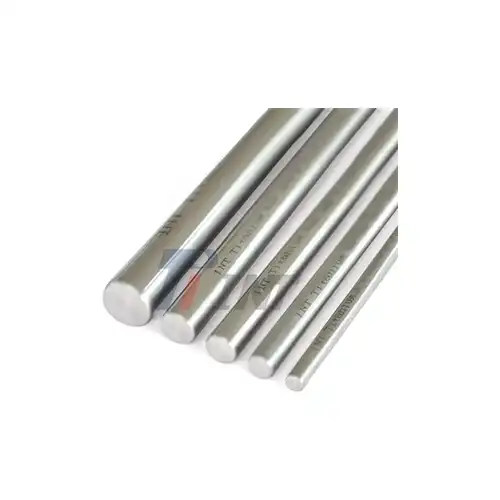
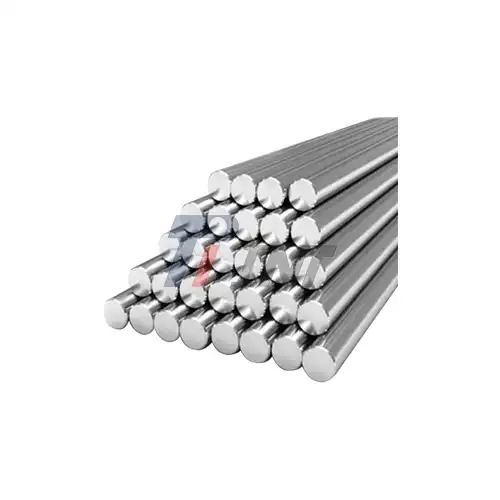
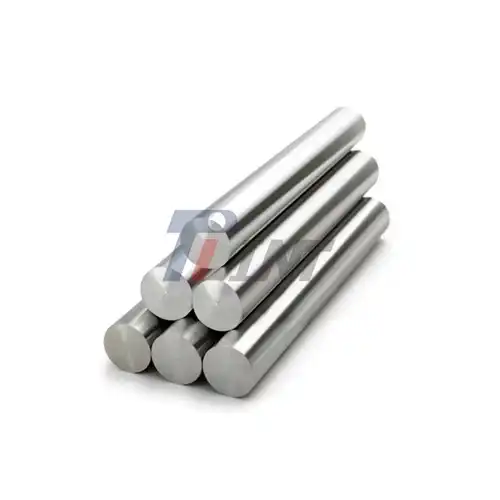
Grade 5 ELI is used for implants under normal stress, whereas Grade 2 is used for devices and parts with mild loads. The aim is to find out the optimum quality of titanium bar for medical use. Grade 2 titanium is corrosion resistant, flexible and pure enough for commercial use. Grade 5 (Ti-6Al-4V) and Grade 5 ELI (Ti-6Al-4V ELI) are two or three times as strong, which is great for designs that endure cyclic loads. No grade is better than the other in every respect. I’ll be looking at strength, machining, standards and sourcing to assist you choose a bar for the endeavour and budget.
|
|
|
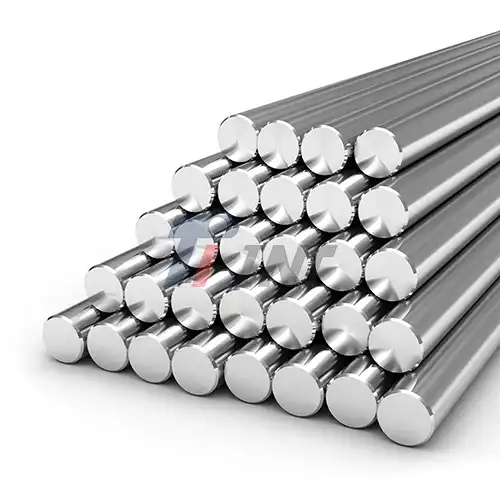
Titanium Bar Properties for Medical Applications
First, let's talk about what each grade is made of and how it works in the body.
Grade 2: Commercially Pure Titanium
Grade 2 titanium is not an alloy and contains not more than 0.25% oxygen. According to ASTM B348 and F67, the tensile strength should be at least 345 MPa and the yield strength shall be at least 275 MPa. These values are not particularly outstanding compared to an alloy . This grade has high elongation which means it may be bent, forged and shaped with less likelihood of breaking.
It has an elasticity modulus of roughly 105 GPa, somewhat lower than Grade 5. It is used by instrument manufacturers for handles, shafts, housings other dental parts where high strength is not required but moderate load carrying capacity and ease of shaping are. Another thing design teams enjoy about pure titanium is that it has none of the aluminium and vanadium in grade 5.
Grade 5 and Grade 5 ELI: Alpha-Beta Alloys
It is the most common titanium alloy . It is termed Grade 5 . It is an alpha-bet alloy containing about 6% aluminium and 4% vanadium. The ASTM B348 states that the lowest tensile strength of Standard Grade 5 is around 895 MPa and the minimum yield strength is about 828 MPa . The ELI variant of ASTM F136, Ti-6Al-4V ELI (Grade 23), restricts the oxygen content to 0.13% and the iron content to 0.25%.
With less interstitial content, the material is more elastic and less likely to break, thus designers chose ELI for robust, heavy-duty equipment. Min. tensile strength 860 MPa Min. yield strength of 795 MPa in accordance with ASTM F136. There are still numerous applications for Standard Grade 5 equipment that do not include implant grades.
Corrosion Resistance and Biocompatibility in Both Grades
Each grade forms a thin, stable titanium oxide coating on the surface. This film resists bodily fluids, saline, and surgery's chloride environment. It heals rapidly from scratches. Grade 2 and Ti-6Al-4V ELI are biocompatible since they have long been utilised to treat bone and tissue issues. Only clean bars are protected well by the film. Oxygen, nitrogen, surface condition, and handling residue affect the completed product. Always verify certifications, hygiene, and grade name before buying. Final gadget must undergo many autoclave cycles to establish sterilisation compatibility.
Grade 2 vs Grade 5: Which Titanium Bar Performs Better?
What you ask the bar to do determines how well it works. Here's how the two grades stack up in the most important ways for shops.
Strength and Fatigue Performance
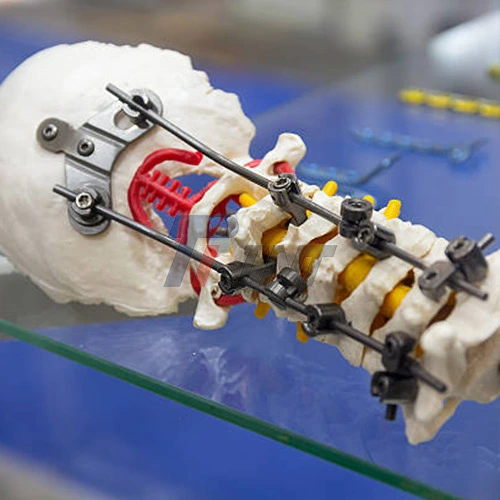
Grade 5 ELI wins if the job requires high strength for titanium bar for medical use. Bone plates, spinal rods, and intramedullary nails are loaded and unloaded millions of times. Because the alloy is stronger and wear-resistant, thinner and lighter portions may be employed. According to orthopaedic titanium reviews like Geetha and colleagues (2009), Ti-6Al-4V is the most popular alloy for weight-bearing implants. Grade 2 is for lighter tasks like minor pieces for mending objects or moderate-load instruments. The lower yield strength of a loaded segment limits its thickness. A part that functions in Grade 5 may require a thicker cross-section in Grade 2.
Machining and Forming for Instrument Makers
Easy to form, forge, and machine grade 2. After polishing, it cuts smoothly and wears out fewer tools. Forging, CNC turning, and polishing shops benefit from this. Grade 5 needs extra care. Titanium alloys don't conduct heat, so they remain sharp. All you need is plenty of coolant, sharp tools, stable feed rates, and rigorous setups. Following those criteria, you may construct complex designs with our titanium bars, which are straightforward to manufacture. List bar straightness, diameter tolerance, and surface quality on every order since these affect scrap rates.
Weight, Modulus, and Design Flexibility
Titanium weighs 4.5 g/cm³, 40% less than 316L stainless steel at 8 g/cm³. Lighter instruments and implants make protracted surgeries simpler and reduce patient weight. Stainless steel's near 200 GPa modulus is substantially higher than titanium's 105–114 GPa. This makes it flex like bone and may not protect against stress, according to Niinomi (2008). Grade 2 has the lowest modulus and Grade 5 the greatest strength-to-weight ratio. Designers might sacrifice flexibility for strength. Neither will rust after years of usage.
ASTM and ISO Standards for Medical Titanium Bar
Names of grades do not describe the material on their own. These rules do that.
Standards for Grade 2 Bar
Without a number, "medical grade" is useless. Buyers refer to ASTM F67 and ISO 5832-2 for unalloyed titanium. They meet surgical implant chemical and mechanical demands. These grade 2 papers restrict oxygen, iron, nitrogen, carbon, and hydrogen. Product standards like ASTM B348 control titanium bar and billet. Some instrument builders utilise it for non-implant parts. Medical titanium bar purchase orders should specify the standard. This lets the provider quote the same material. Your customers utilise these references for audits.
Standards for Grade 5 and Grade 5 ELI
Common implant criteria for wrought Ti-6Al-4V include Grade 5 and Grade 5 ELI standards. The standard for Grade 5 is ASTM F1472, and the ELI version is F136. ISO 5832-3 discusses implant-grade wrought Ti-6Al-4V. Names may deceive. ELI has tougher oxygen, iron, and other limitations, therefore a "Grade 5" bar may not satisfy F136. For implant-friendly ELI, put "Ti-6Al-4V ELI to ASTM F136" on the order. Instead, suppose you create Grade 5 instruments. Clearly stated language will ensure that your product meets the customer's quality file expectations.
Documents to Check Before You Order
A bar is useless without proper papers. Before signing a purchase order, check the mill test certificate for grade, product form, chemical composition, mechanical results, heat number, and processing condition. Melt and heat numbers assist trace the bar during export clearance and customer audits. Many purchasers want dimensions reports, compliance certificates, and ultrasonic testing records for fracture-critical parts. Requests for EN 10204 type 3.1 certifications are common. Before sending material to your forge or lathe, verify each document against the purchase order standard and flag any discrepancies.
How to Choose Titanium Bar for Medical Applications
You won't buy the wrong grade if you have a clear plan. Do these three things.
Match the Grade to the Application
Start by inspecting the device made from titanium bar for medical use. Determine where, how long, and what loads it sees. Many instrument shafts and handles must bend, form, or have a lower modulus. Grade 2 is suitable for these sections. Ti-6Al-4V is ideal for high-strength, fatigue-sensitive orthopaedic designs. It may be utilised in spinal plates, screws, and joints. Then, ensure your product satisfies regulator and client standards. If a design is near to correct or wrong, do short tests in both grades to compare machining time, scrap, and outcomes. Changing materials after validation costs more than a simple test.
Specify Size, Tolerance, and Surface
They save time long-term. Note the diameter, length, tolerance, straightness, surface quality, machining allowance, testing, packing, and packaging. Automated feeding and guiding bushings on Swiss-type lathes need a tight diameter tolerance to prevent vibration and poor centring from uneven stock.
The thin, oxygen-filled alpha case layer that develops during heat processing must be removed before it may damage fatigue life, therefore check at the surface. Instrument shops order various sizes and grades. Tell the provider what sizes and grades you require each month and ask if they can divide the quantity among specifications.
Common Procurement Risks
The price per kilogram can be misleading. The biggest mistake is thinking that implant-grade ELI is the same as commercial Grade 5. Some other things that can slow down a customer audit are missing heat numbers, generic test reports, and shipment records that don't match up. Tools made of carbon steel, bad storage, and thin packaging can all damage the surface.
Changes in freight costs and exchange rates can also eat away at margin. The price of titanium also changes with the prices of raw materials, so make sure that quotes come with a clear expiration date. The total landed cost includes testing, materials, scrap, rework, freight, and the risk of being late. A cheaper bar that doesn't pass inspection costs more than a bar that is priced fairly and does pass.
Supplier Selection Guide for Medical Grade Titanium Bar
If you find the right partner, your lines will keep going month after month. Check these things out.
What to Ask Before You Pick a Supplier
Tech questions are quickly answered by good suppliers. What standards do they use, what tests are done, and what certificates come with each lot? Ask if they can provide Grade 2 and Ti-6Al-4V ELI bar. Find out about custom sizes, small orders, lead time, and Incoterms. You can compare quotes line by line, looking at things like tolerance, surface condition, inspection scope, and packaging.
Before you place a trial order for a titanium bar for medical use, ask for a sample so that your machinists can test cutting and polishing it. It also helps to have experience. The Baoji INT Medical Titanium Co., Ltd. was set up by Mr. Zhan Wenge, who has worked in the titanium business for more than 30 years.
What Baoji INT Medical Titanium Co., Ltd. Supplies
These are the main things that buyers usually ask me.
- Material range: We supply pure titanium, Ti-6Al-4V, and Ti-6Al-4V ELI in rods, wires, and plates across various specifications and sizes. These materials offer strong biocompatibility, superior corrosion resistance, a high strength-to-weight ratio, and fatigue resistance that suits long-term implantation and repeated stress in demanding medical settings. Pick the grade that matches your load and budget.
- Certification: Every product has passed ISO 9001:2015 quality system certification, ISO 13485:2016 medical device quality management system certification, and EU CE safety certification. These credentials give your quality team a clear starting point for supplier review and support the audits that your own customers run on your documentation and incoming material.
- Custom sizes and shapes: We offer custom lengths, diameters, and shapes for specific needs. Our titanium bars are easy to machine, so teams working on orthopedic, dental, spinal, trauma, and surgical instrument applications can cut detailed designs with steady results. Send us your monthly mix of sizes and grades, and we will review it with you.
These points fill in the usual gaps in size, paperwork, and range of materials.
Final Verdict: Which Grade Wins?
Grade 2 is suitable for mild loads, flexibility, low modulus, simple shaping, and little machining. Ti-6Al-4VI is excellent for implant-grade, high- or cyclic-load, or thin-section parts. Standard Grade 5 provides sturdy instrument parts. Before deciding, specify the loading, confirm the standard, review the certifications, and test the machining on a sample. Many music shops purchase both grades monthly, so a supplier that mixes sizes and splits orders is handy. The correct provider will also assist you meet all criteria before manufacturing.
Conclusion
There are wins for both Grade 2 and Grade 5 titanium bar for medical use. Grade 2 is commercially pure titanium that has a minimum tensile strength of about 345 MPa, good ductility, a lower modulus, and is easier to shape and machine. This makes it a good choice for instruments and parts that aren't overly loaded. Grade 5 and Ti-6Al-4V ELI have about twice or three times the strength and better fatigue performance, which makes them better for load-bearing orthopedic designs.
ELI also adds tighter interstitial limits according to ASTM F136. Both grades don't rust and are biocompatible, but the results depend on clean materials, exact standards, full mill certificates, and heat numbers that can be tracked. The practical choice is based on the weight of the device, the relevant ASTM or ISO standard, the need for machining, and the overall cost, not just the price per kilogram.
FAQ
Can Grade 2 be used for implants?
Yes, but only for certain devices. Grade 2 meets ASTM F67 and ISO 5832-2 as long as the bar has the right paperwork and processing controls. However, because it isn't as strong, it's not as good for high-load, fatigue-sensitive implants. Take a look at the design loads first.
Is Grade 5 the same as Grade 5 ELI?
What ELI stands for is "extra low interstitial." According to ASTM F136, ELI limits the amount of oxygen to 0.13% and the amount of iron to 0.25%. This makes the steel more flexible and harder to break than standard Grade 5. Don't think that a Grade 5 label meets F136.
Which Certificates Should Come with Titanium Bar for Medical Use?
Please ask for a mill test certificate that shows the grade, chemistry, mechanical properties, heat number, and the standard that rules the mill. For parts that are likely to break, many buyers also want reports in EN 10204 type 3.1 format, with measurements and ultrasonic test records.
Can I order small quantities in mixed sizes?
Many sellers will take them, but the terms are different. Send Baoji INT Medical Titanium Co., Ltd. your grades, sizes, and monthly forecast, and we'll talk with you about custom sizes and quantity options.
Request a Quote for Titanium Bar for Medical Use from Baoji INT
Pure titanium, Ti-6Al-4V, and Ti-6Al-4V ELI can be bought from Baoji INT Medical Titanium Co., Ltd. as a titanium bar for medical use. Each item has been certified by ISO 9001:2015, ISO 13485:2016, and the EU CE. Send your grade, standard, diameter, length, monthly quantity, and where you want the goods to go to export@tiint.com, and we'll get back to you with a quote. To learn more about the product, go to inttitanium.com.
References
1. ASTM International, Standard Specification for Unalloyed Titanium for Surgical Implant Applications (ASTM F67), 2013.
2. ASTM International, Standard Specification for Wrought Titanium-6Aluminum-4Vanadium ELI Alloy for Surgical Implant Applications (ASTM F136), 2013.
3. International Organization for Standardization, Implants for Surgery: Metallic Materials, Part 2: Unalloyed Titanium (ISO 5832-2), 2018.
4. International Organization for Standardization, Implants for Surgery: Metallic Materials, Part 3: Wrought Titanium 6-Aluminium 4-Vanadium Alloy (ISO 5832-3), 2021.
5. Journal of the Mechanical Behavior of Biomedical Materials, "Mechanical Biocompatibilities of Titanium Alloys for Biomedical Applications" (Niinomi), 2008.
6. Progress in Materials Science, "Ti Based Biomaterials, the Ultimate Choice for Orthopaedic Implants: A Review" (Geetha et al.), 2009.