




Titanium Implant Bar: A Complete Guide for Dental OEM Buyers


 2026-11-05 15:22:47
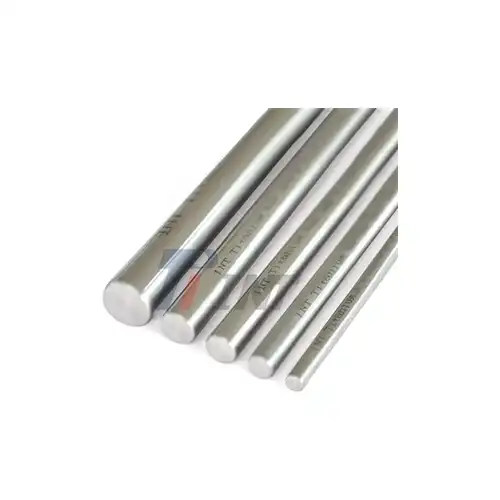
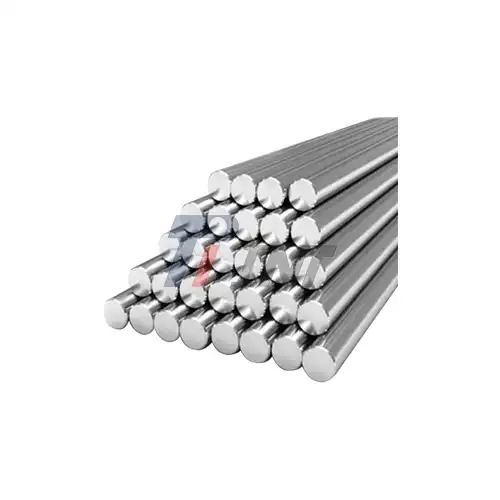
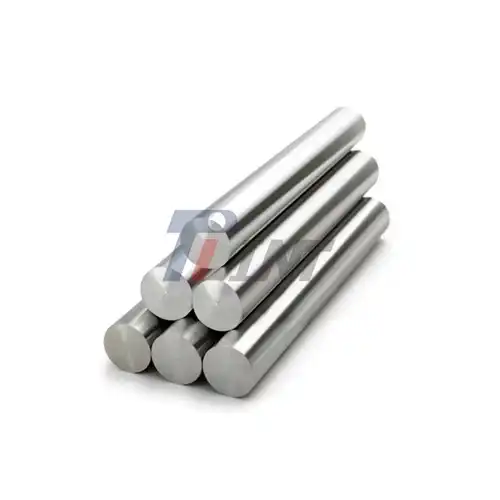
A titanium implant bar is a precisely machined substructure that connects many dental implants and supports an overdenture or the full-arch prosthesis. Most are produced from Ti-6Al-4V ELI or economically pure titanium. The material will dictate how well the bar matches, machines and passes inspection. In this article I explain how a part functions, what design information a manufacturer requires, how titanium varies from zirconia or cobalt chrome and how to check out a provider. I'm writing from a material point of view, since every future step is dictated by stable, well recorded titanium.
|
|
|
What Is a Titanium Implant Bar?
How a Titanium Implant Bar Works
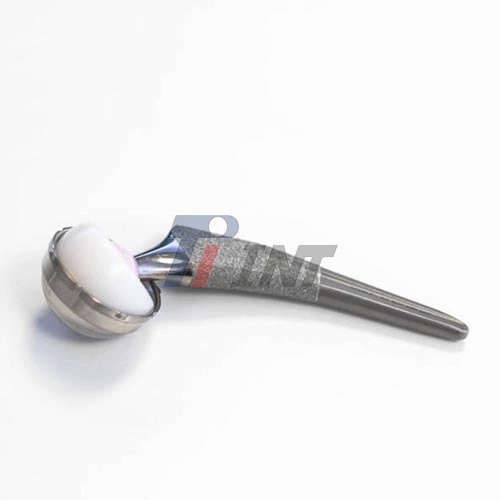
Several implants are held together by a bar splint. For screws to hold it to the implants or multi-unit abutments, the prosthesis clips on or screws down over it. When you splint, the chewing load is spread out over all of your fixtures instead of just one implant. Shape is important, but fit is even more important. A 2017 review by Katsoulis and colleagues talks about how implant prosthesis misfit may affect clinical outcomes. That's why bars are milled to very tight tolerances and then checked on a model. Stock material that cuts the same way every time is also important for accurate machining.
Bar, Abutment, or Coping?
One implant is linked to the crown above it by an abutment. A coping is a thin cap that goes on top of an abutment. A bar is longer. It connects two or more implants and supports them both at the same time. There is a full-arch substructure that can go over the whole arch and hold fixed teeth directly. In requests, buyers sometimes mix these up, which causes the wrong quotes to be sent. It would be helpful to list the exact part, implant platform, and restoration type at the beginning so that the correct rod diameter and grade can be found.
Common Applications
When you remove your overdentures, Dolder and Hader bars can hold them in place with clips. Milled bars can also hold attachments like locators. A bar is used as the rigid core under acrylic or composite teeth in fixed designs, such as All-on-X ideas. Separate zirconia crowns are held in place by thin designs. For their own lines, dental labs and OEM brands also buy bars. For each use, rods come in different sizes, wall thicknesses, and finishes. The stock you buy should be based on the use.
Titanium Implant Bar Materials and Biocompatibility
Commercially Pure Titanium or Ti-6Al-4V ELI
Pure titanium for sale, as defined by ASTM F67 and ISO 5832-2, is resistant to corrosion and easy to shape. The tensile strength of Grade 4 is at least 550 MPa. As per ASTM F136 and ISO 5832-3, Ti-6Al-4V ELI has a minimum tensile strength of 860 MPa and a minimum yield strength of 795 MPa. Its density is close to 4.43 g/cm³. With ELI, you get extra low interstitials. Tougher limits on oxygen and iron make things more flexible and less likely to break. A lot of companies use this alloy to make long, thin bars that can bend.
Why Titanium Works in the Mouth
It is natural for titanium implant bar to form a thin, stable oxide layer on its surface. This layer doesn't rust when it comes into contact with saliva and other body fluids, and it helps dental implants connect directly to the bone. Niinomi's 2008 review also says that titanium alloys, like Ti-6Al-4V, have a lower elastic modulus (about 110 GPa) than stainless steel and cobalt-chrome. Even though the base metal is biocompatible, that doesn't mean the finished part is safe. Poor cleaning, contamination during machining, and damage to the surface can all change the outcome, so process control is just as important as grade.
Certificates and Traceability
Each lot of rods should come with paperwork that your regulatory team can file. I think you should ask for a mill certificate that shows the heat number, chemical composition, and mechanical results. Ideally, you should ask for an EN 10204 type 3.1 certificate, which is given out by a qualified inspector regardless of production. A lot of buyers also send samples to a third-party lab to be tested for chemistry, tensile strength, and microstructure before they approve them. Once the raw rod is cut, the heat numbers should stay linked to the lot records. Our products have been certified to ISO 13485:2016, and I can send you copies of the certificates if you ask.
Titanium Implant Bar Design, Sizes, and Manufacturing
Data Needed Before Machining
There is no universal sizing chart since each instance is distinct. The designer must know the implant brand, platform, connection type, angle, abutment, span length, cantilever length, prosthesis clearance, screw access, and attachment space. Wall thickness must be constant around screw channels. Usually, scan data and alignment are followed by virtual design, interference checks, engineering approval, and CAM programming. Custom milled bars are excellent for one-time purchases, whereas prefabricated bars are cheaper and better for bulk orders. Material buyers should acquire rod diameter and length ranges early to arrange stock.
From Rod to Finished Bar
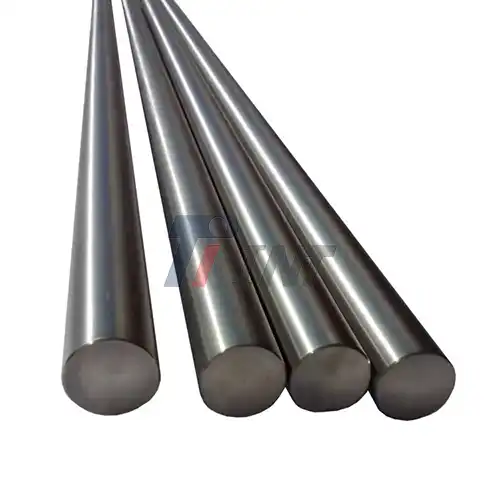
Certified titanium rod or plate is machined first. The store blanks it. CNC milling forms the bar, deburring removes razor-sharp edges, and cleaning removes cutting fluid and dust. Titanium becomes heated at the cutting edge and wears tools quicker than many steels since it doesn't transfer heat effectively. Because chemistry and hardness are consistent, a shop may reuse tool paths and feeds. OEM teams seek a constant supply since raw material changes might cause new regulations and waste.
Inspection and Packaging
A coordinate measurement machine is used to inspect implant interfaces, optical surface, threads, and master model fit while testing a final bar's quality. First-article approval precedes bulk manufacturing. Labels should include lot number, part quantity, and revision level to correlate records to titanium heat numbers. Private-label orders might include brand packaging. The US FDA's Quality Control System Regulation is same as ISO 13485:2016, therefore controls must be documented at every stage.
Benefits, Limits, and Material Comparison
Benefits and Limits
Titanium implant bar is light and strong. Ti-6Al-4V has a density of 4.43 g/cm³, which is about half that of conventional cobalt-chrome alloys. Milled parts do not rot or warp like castings. Still, there are limitations. Performance depends on more than material grades. Bar geometry, implant distribution, cantilever length, screw preload, and cleanliness all matter. Engineering time increases costs for small-scale specialist projects. Early technical evaluation reduces the need for redesign. I don’t specify a fixed lifespan since clinical outcomes vary.
Titanium, Zirconia, and Cobalt Chrome
Zirconia has a modulus of 110 GPa and weighs 4.43 g/cm 3, 6 g/cm 3 lighter than cobalt-chrome. It is stiffer (modulus of 200 GPa) but may shatter rapidly with impact. Cobalt-chrome is often heavy (8-9 g/cm3) and rigid (above 200 GPa). Tooth coloured is ideal, Zirconia. Casting Cobalt Chrome may result in high tool wear and distortion. Titanium is also a good material to utilise with CNC machines and has been utilised for centuries to make dental bars. The final choice should depend on the ease of correction, how computerised the procedure is, and how the store runs.
Reading Durability Claims
Strength claim need context. Before accepting a number, I consider the test technique, sample shape, load direction, fatigue cycles, failure criteria, and test environment. A flat coupon in air doesn't indicate how a lengthy bar will behave in saliva. ISO 14801 describes endosseous dental implant fatigue testing. It also illustrates test report detail. Request product-specific evidence from vendors instead of generic charts. The minimal values in ASTM F136 or F67 and lot test reports are appropriate raw material starting points.
Sourcing Titanium and Planning Your OEM Program
Supplier Selection Criteria
When I look at a titanium supplier for implant-grade stock, these are the main things I look at.
- Grade and standard coverage: Confirm the supplier offers the grade you need, such as pure titanium or Ti6Al4V ELI, in the rod diameters and lengths your shop runs. Test reports should name the standard, for example ASTM F136, ASTM F67, or ISO 5832, so your regulatory team can file them without extra questions.
- Quality system and traceability: Look for ISO 13485:2016 certification, heat-number control, and a clear process for handling nonconformances and corrective actions. A supplier that welcomes sample re-testing and a video or on-site audit shows confidence in its own records, and your quality engineer can verify claims directly instead of relying on brochures.
- Supply and commercial terms: Compare lead time, minimum order quantity, packaging, shipping terms, and replacement policy. Implant production schedules stop when material runs out, so ask about stock levels and repeat-order lead times. A dual-source plan, with one local and one overseas supplier, also protects your schedule against a single point of failure.
These checks for titanium implant bar make it less likely that lots will be rejected or that the production line will stop.
Quotation, Pricing, and Order Workflow
Grade, diameter, length, tolerance, test demands, and quantity determine rod pricing. Please include the standard, grade, dimensions, yearly forecast, certifications, and packaging requirements in your estimate request. Request independent cost estimates. A realistic OEM process includes defining the product and market, sending technical data, checking the design, approving a first item, running a pilot or batch order, and reviewing lot data to improve it. I retest samples before publishing the first post with fresh material. After then, many customers move to a yearly supply arrangement with monthly or quarterly releases and excess stock.
Avoiding Mistakes With a Specialized Partner
Six mistakes happen a lot: ordering before making sure the implant will work, picking based only on price per unit, using standard measurements for a custom part, skipping first-article approval, not looking at documents, and not checking for long-term capacity. Most of them can be avoided by writing down quality records in the purchase order and comparing the total cost, which includes scrap and retesting.
The Baoji INT Medical Titanium Co., Ltd. was set up by Mr. Zhan Wenge, who has worked in the titanium business for more than 30 years. We sell rods, wires, plates, and forged items made of pure titanium, Ti6Al4V ELI, and titanium alloy. Our goods have been certified by CE, ISO 13485:2016, and ISO 9001:2015. We only send you the parts' raw materials; your team makes the finished products.
Conclusion
Several implants are joined together in a splinted support by a titanium implant bar. The material determines how well it works. Most people choose pure titanium that meets ASTM F67 or Ti-6Al-4V ELI that meets ASTM F136 or ISO 5832-3. Each lot can be tracked with a certificate that has a heat number on it. Fit is decided by design data, CNC machining, and inspection.
Stable lot-to-lot chemistry helps shops keep tool settings and cut down on scrap. Titanium is less dense and has a lower elastic modulus than zirconia and cobalt-chrome. However, any claim about its durability needs to be backed up by tests. Careful supplier review, re-testing of samples, itemized quotes, and a clear OEM workflow all lower the risk of procurement and help keep production going.
FAQ
What is a titanium implant bar used for?
It joins several dental implants and supports an overdenture or a fixed full-arch prosthesis. The bar spreads chewing load across the implants, and OEM brands and labs mill it from medical-grade titanium.
Which titanium grade should I choose?
Ti-6Al-4V ELI under ASTM F136 suits many long or thin bars because of its higher strength. Commercially pure titanium under ASTM F67 suits designs that need easier forming. Your design and regulatory pathway decide.
What documents should I request from a titanium supplier?
Ask for a mill certificate with heat number, chemical and mechanical results, and ideally an EN 10204 3.1 certificate. Add third-party test reports and quality system certificates.
Can I verify a new supplier before ordering?
Yes. Most buyers send samples to a third-party lab, then review the supplier's quality records by video or on-site audit before a trial order.
Request Medical Titanium for Your Titanium Implant Bar Production
The material is the first thing you should look for in a titanium implant bar supplier. Baoji INT Medical Titanium Co., Ltd. can help you with your production line by giving you medical-grade pure titanium and Ti6Al4V ELI rods. The people on our team have worked with titanium for more than 30 years and are certified to ISO 13485:2016. I will send you a quote after you send your grade, diameter, standard, and expected quantity to export@tiint.com. For more information, go to inttitanium.com.
References
1. ASTM International, Wrought Titanium 6Aluminum-4 Vanadium ELI (Extra Low Internal) Alloy for Surgical Implants Applications (ASTM F136), 2021.
2. ASTM F67, 2013 Standard Requirement for Unalloyed Titanium for Surgical Implant Applications.
3. ISO 5832-3: Surgery Implants, Metallic Materials, Welded Titanium 6-Aluminium 4- Vanadium Alloy, 2021.
4. ISO 13485: Medical gadgets Quality Management Systems, 2016.
5. Niinomi, M., Titanium Alloy Mechanical Biocompatibilities for Biological Applications, Journal of Biomedical Materials, 2008.
6. Katsoulis, J. et al., Implant Prostheses Misfit and Medical Findings, European Journal of Maxillofacial Implantology, 2017.