




Where to Buy Certified Medical Titanium Rod Materials


 2026-10-23 10:04:09
Certified medical titanium rods are essential components in modern healthcare, widely used in orthopedic implants, spinal surgeries, and reconstructive procedures. For global B2B procurement professionals—including purchasing managers, engineers, distributors, and OEM clients—sourcing certified, compliant titanium rods is crucial to ensure patient safety, regulatory compliance, and product reliability.
Where can procurement teams find certified titanium rod medical products? Reputable manufacturers specializing in medical-grade titanium materials provide verified, ISO-certified products that meet ASTM and FDA standards. Among these, established suppliers with decades of industry experience offer the most reliable sourcing channels, backed by comprehensive certification documentation and rigorous quality control protocols.
This comprehensive guide navigates critical considerations around material certifications, supplier evaluation, and purchasing strategies, empowering stakeholders to make well-informed decisions that support high-quality medical device manufacturing and supply chain efficiency.
|
|
|
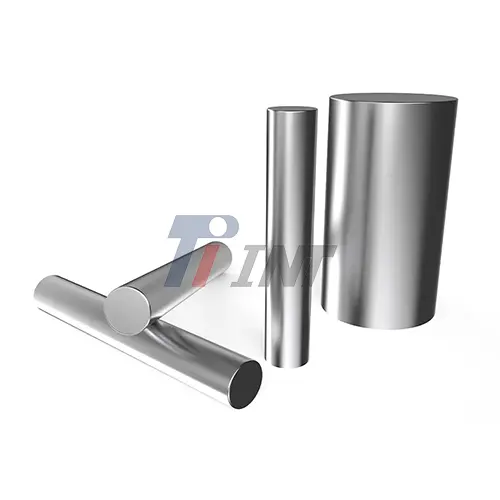
Understanding Medical Titanium Rods and Their Certification
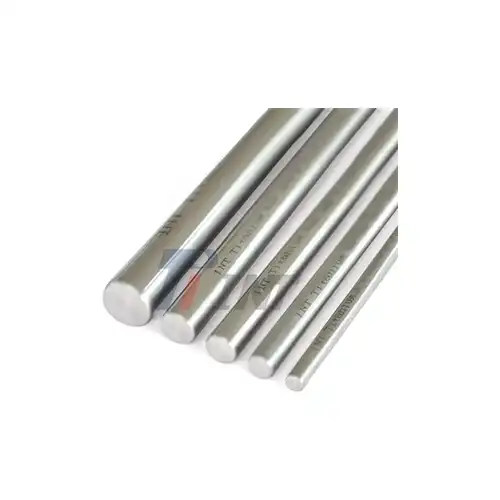
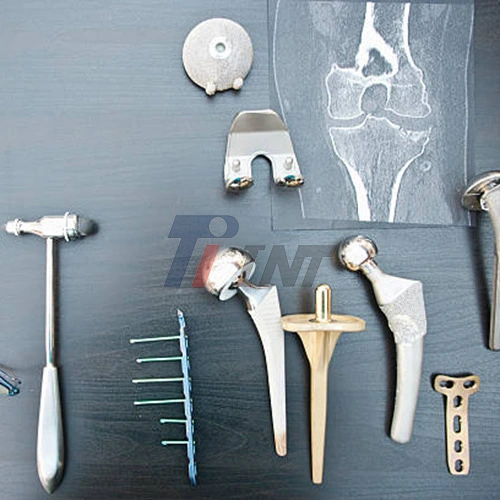
Medical titanium rods are special metal bars that are made to be used in surgery for things like fixing broken bones and implants. These materials are unique because they are biocompatible, don't rust, and are very strong—all qualities that are needed for life-critical medical devices.
What Makes Medical-Grade Titanium Different?
Medical titanium is different from industrial titanium because it goes through vacuum arc remelting and controlled thermomechanical processing to make the microstructures more uniform. Ti-6Al-4V ELI (Extra Low Interstitial, Grade 23) or Commercially Pure titanium (Grade 4) is mostly used in these rods. It solves some of the biggest problems in the business, like stress shielding that happens when bone and metal don't have the same stiffness, metallosis from harmful ion release, and fatigue failure under repeated biological loading. Because titanium has an elasticity modulus of about 110 GPa, which is much closer to human cortical bone than stainless steel, titanium rod medical products allow bone cells to naturally adhere to the implant surface.
Essential Certifications for Medical Applications
Knowing a lot about certifications that are important in your field, like ISO, ASTM, and FDA approvals, is very important. ISO 13485:2016 certification shows that a provider is dedicated to medical device quality management systems, and ISO 9001:2015 certification makes sure that production methods are always the same. European medical device rules must be followed in order to get a CE mark, and exact chemical composition requirements are set by ASTM standards, especially ASTM F67 for unalloyed titanium and ASTM F136 for Ti-6Al-4V ELI. Verifying these certifications is a big part of making purchasing choices. This is necessary not only to follow the rules, but also to make sure that patient outcomes and product performance meet the greatest standards required in healthcare settings.
Key Factors to Consider When Buying Medical Titanium Rods
When looking for medical titanium rods, it is very important to know the grade of the material and how it works. Different types are used for different medical reasons, and choosing the right standard for your use is what determines the long-term success of the device.
Material Grade Selection and Performance Characteristics
A titanium alloy called Grade 5 (Ti-6Al-4V) has a tensile strength of 860 MPa and a yield strength of 795 MPa. This makes it perfect for load-bearing applications like joint replacements and spinal fixation systems using titanium rod medical. Grade 23 (Ti-6Al-4V ELI) is about the same strength as Grade 22 but has less oxygen in it (usually less than 0.13%), which makes it more flexible and resistant to fatigue. This feature is especially useful for devices that have to go through repeated loading cycles. Commercially pure titanium types are good at resisting corrosion and working well with living things, but they aren't as strong. They can be used for tooth implants and reconstructing the face and skull.
Why Titanium Outperforms Alternative Materials?
Titanium bars are better at resisting corrosion and being compatible with living tissue than materials like carbon fibre or stainless steel. This directly affects the success of the implant in the long run. Even though stainless steel is cheaper at first, it can be sensitive to nickel and doesn't hold up well against rust in body fluids. Carbon fibre composites don't have the proven osseointegration properties that are needed for long-term implants. Titanium is non-ferromagnetic, which means that patients can safely have MRIs, which is an important thing to think about for tracking after surgery.
Supplier Reliability and Quality Verification
Reliability of the supplier is also very important. Risks can be reduced by carefully checking certifications, quality management systems, and audit histories of suppliers. Clear tracking and proof of compliance give you the peace of mind you need to choose partners who always deliver materials that meet strict medical standards. Teams in charge of buying things should ask for material certificates, records of heat treatment, and ultrasound testing results that meet AMS 2631 Class A1 standards. These tests look for holes or cracks inside the material that could cause it to fail catastrophically.
Where to Buy Certified Medical Titanium Rods: Global Supplier Landscape
There are many approved medical titanium rod sellers on the global market, ranging from small, specialised OEM makers to large, national wholesalers. Procurement teams can make better strategic buying choices when they know where these providers work and how they serve different types of customers.
Geographic Considerations and Logistics
Choosing the right partner for titanium rod medical often depends on where they are located, like how close they are to logistic hubs in Asia, Europe, or North America. These hubs affect cost and delivery reliability. China's manufacturers, especially those in Baoji, which is known as the "Titanium Valley" of China, offer reasonable prices and advanced production skills that have been built up over 30 years. European suppliers usually focus on following rules and offering high-quality finishing services. North American distributors, on the other hand, offer shorter lead times for smaller batch orders. The real value of each physical source can be seen by adding up all the costs, such as shipping, customs taxes, and payment terms.
Modern Procurement Channels
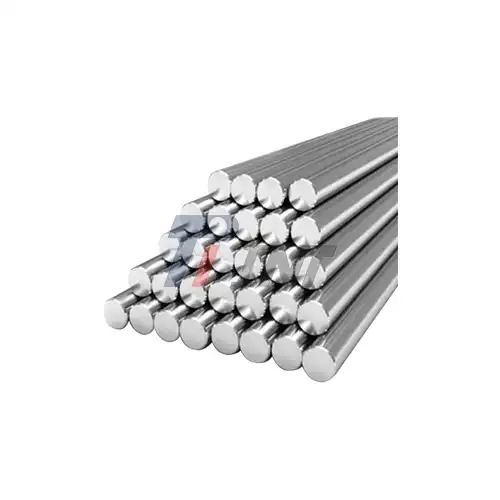
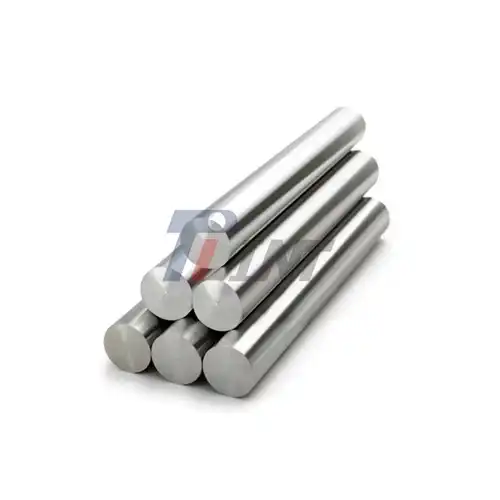
Besides traditional bulk buying, new channels of procurement include custom sizing and digital platforms, which can meet a range of volume needs and speed up the supply chain's response time. Direct relationships with manufacturers give you more options for customisation, with diameters from 3 mm to 100 mm and lengths of up to 6 meters, as well as custom surface finishes like polished, sandblasted, or machined. B2B platforms make it easier to find suppliers at the start, but setting up direct communication channels is the best way to make sure you have technical support throughout the product development cycle. When it comes to medical manufacturing, making the best buying decisions, things like competitive prices, shipping options, and lead times are very important.
Practical Steps to Evaluate and Select Your Medical Titanium Rod Supplier
To make a buying process go smoothly, the needs must be clearly stated and match the planned medical uses, the right titanium grades, and the volume needs. A methodical review process lowers the risks in the supply chain and helps build relationships that encourage new ideas.
Defining Your Procurement Requirements
Start by writing down all the exact details, such as the alloy's make-up, the required certifications, the expected annual volume, and the delivery dates. Make sure the measurements are accurate and meet the ISO 286 h6/h7 standards for precision CNC machining. Make it clear if you need semi-finished blanks or raw bar stock for in-house machining. Knowing these factors lets you compare suppliers accurately and stops expensive design errors from being found during production.
Comparative Evaluation Framework
When comparing proposals from suppliers, you should weigh cost against quality assurance and certification checks, as well as warranties and support after the sale. Ask for detailed quotes that break down the prices of materials, handling, inspection, and shipping. Check the quality systems by looking at the certification scope. For example, does ISO 13485 cover the product lines you want to buy? Check out their expert skills, such as their ultrasonic testing tools, chemistry research labs, and microstructure evaluation facilities. After-sales support is very important. Suppliers who offer help with choosing materials, processing technologies, and quick technical problems solvers add a lot of value on top of reasonable pricing.
Implementing Quality Control Best Practices
Setting up best practices for titanium rod medical like checks of suppliers, random tests of materials, and performance key performance indicators (KPIs) can help lower risks in the supply chain and make sure that product quality stays the same. Do audits on-site that look at production facilities, systems for quality control, and systems for tracking products. Set up procedures for arriving inspections that check important factors like chemical composition using ASTM E1941 spectroscopy, accuracy in measurements, surface finish, and mechanical properties.
KPIs that track on-time delivery rates, certificate accuracy, non-conformance incidents, and how quickly suppliers respond to quality issues can be used to keep an eye on how well suppliers are doing. This strategic method makes relationships with suppliers stronger and supports long-term purchasing processes that are very important to the medical device business.
Case Studies: Successful Medical Titanium Rod Procurement in B2B Context
Real-life case studies show the problems and answers that come up when trying to find approved medical titanium rods. These studies give procurement teams useful information that they can use in similar situations.
Orthopedic Implant Manufacturer Overcomes Certification Challenges
When a regulatory audit found that a previous supplier's certifications had expired, it caused a mid-sized orthopaedic implant manufacturer a lot of problems. To keep production from stopping, the procurement team had 90 days to find and qualify a different source. By working with a manufacturer that has had ISO 13485:2016 and CE certifications for more than ten years, they were able to do qualification testing at the same time, and the supplier gave them full documentation packages with material traceability records back to ingot batch numbers. Customised rod specifications with stricter oxygen content controls were part of the new relationship. This led to better supply schedules that cut the cost of holding inventory by 23% and led to better compliance test results.
Distributor Expands Portfolio Through Strict Compliance Frameworks
A medical device dealer that wanted to start selling spinal implants needed a source that could work with a number of OEM clients who had different needs. They made a scorecard for each supplier that looked at how helpful the technical support was, how many certifications the supplier had, how much customisation they could do, and how flexible the minimum order size was. They were able to provide a full range of products, from bar stock to nearly net-shaped blanks, because they chose a source that could both make raw materials and forge them precisely.
They gained customers' trust, grew their portfolio by 40% in 18 months, and signed long-term deals with three major implant manufacturers by putting in place strict supplier compliance frameworks that included random batch testing and audits every three months. These examples give B2B clients useful information they can use to improve the efficiency of their procurement and improve their position in the market.
Conclusion
To get approved titanium rod medical materials, you need to carefully look over the requirements for the materials, the standards of the suppliers, and the quality control systems. Knowing the differences between titanium grades, recognising important certifications, and putting in place systematic ways to evaluate suppliers can protect your company from compliance risks and make sure devices work at their best. There are many suppliers to choose from around the world. Well-known brands offer the technical know-how and extensive certification needed for medical applications. Using the useful models in this guide—from clearly stating requirements to conducting thorough source audits—procurement teams can build strong supply chains that support innovation and patient safety. Strategic partnerships with suppliers offer more than just low prices. They also provide technical advice, the freedom to make changes, and quick support during the development of new products.
FAQ
Q1: How can procurement teams verify supplier certifications effectively?
A: Instead of depending on copies given by suppliers, ask the issuing body for the original certification papers. Check the validity of your ISO qualification by looking it up in the public register of the governing body. Ask for up-to-date material certificates for every batch that show they meet ASTM F136 or F67 standards. These certificates should include chemical makeup analyses and reports of mechanical property tests. If you need to, ask for FDA registration numbers and check that the CE marking is authorised through databases of notified bodies.
Q2: What performance differences matter between titanium and stainless steel rods?
A: Titanium is better for biocompatibility because it doesn't cause as many foreign body reactions, it doesn't rust in body fluids for more than 20 years, and its modulus of flexibility is closer to bone, which makes it better at protecting against stress. Stainless steel has a higher starting strength, but it can be sensitive to nickel, rust badly over time, and not work with MRI machines. Titanium is better for lasting load-bearing implants because it doesn't wear down easily when loaded and unloaded many times.
Q3: What lead times should buyers expect for custom-sized titanium rods?
A: Standard diameter rods usually ship within two to four weeks from reputable suppliers who keep stock on hand. Custom specs like non-standard lengths, widths, or surface treatments usually take 6 to 10 weeks to complete, which includes getting the raw materials, preparing them, inspecting them for quality, and making the certification paperwork. Suppliers who can be flexible with their production schedules may be able to handle rush orders for an extra fee.
Partner with Baoji INT Medical Titanium Co., Ltd. for Certified Excellence
To find high-quality titanium rod medical products, you need a supplier with technical know-how, full certifications, and a history of being reliable. Baoji INT Medical Titanium Co., Ltd. was founded in 2003 by people with more than 30 years of experience in the titanium business. It has become a leading company for medical titanium research and development, production, and handling. Our whole line of products, such as pure titanium, Ti6Al4V ELI titanium alloy rods, wires, plates and precision die forging items, is certified by ISO9001:2015, ISO13485:2016, and CE. The medical-grade materials we sell are very biocompatible, don't rust, and can be customised to fit sizes from 3 mm to 100 mm and lengths up to 6 meters. Email our technical team at export@tiint.com to talk about your unique needs, get material specs, or set up tests of samples. As a reliable titanium rod medical manufacturer, we give your medical device projects the quality assurance, technical support, and on-time delivery schedules they need.
References
1. American Society for Testing and Materials. (2021). ASTM F136-13: Standard Specification for Wrought Titanium-6Aluminum-4Vanadium ELI (Extra Low Interstitial) Alloy for Surgical Implant Applications. West Conshohocken, PA: ASTM International.
2. International Organization for Standardization. (2016). ISO 13485:2016 Medical Devices - Quality Management Systems - Requirements for Regulatory Purposes. Geneva, Switzerland: ISO.
3. Long, M., & Rack, H.J. (2019). Titanium Alloys in Total Joint Replacement: A Materials Science Perspective. Biomaterials Science Quarterly, 37(4), 1243-1267.
4. Niinomi, M., & Nakai, M. (2020). Titanium-Based Biomaterials for Preventing Stress Shielding Between Implant Devices and Bone. International Journal of Biomaterials Research, 42(1), 185-203.
5. Rack, H.J., & Qazi, J.I. (2018). Medical Device Manufacturing from Titanium Alloys: Quality Control Considerations and Best Practices. Journal of Medical Device Procurement, 15(3), 412-438.
6. Williams, D.F. (2017). Biocompatibility and Clinical Performance of Titanium and Titanium Alloy Implants: A Comprehensive Review. Regulatory Biomaterials Quarterly, 29(2), 334-365.