




Why Medical Grade Titanium Bar Is Used for Implants


 2026-11-27 13:25:41
Medical titanium bar has become the gold standard in implant manufacturing because it addresses critical challenges that surgeons and patients face daily. This biocompatible material develops a stable TiO₂ oxide layer that prevents immune rejection, while its modulus of elasticity—approximately 110 GPa—closely mimics natural bone structure, eliminating the stress shielding effect that causes bone resorption around implants. When manufacturing surgical instruments and orthopedic devices, choosing the right raw material determines both patient outcomes and long-term device performance.
|
|
|

Understanding Medical Grade Titanium Bars for Implants
What Defines Medical Grade Titanium
Medical grade titanium bars are very different from industry grade titanium bars because of their pure requirements and controls during processing. Commercially Pure Titanium (Grades 1-4), Ti-6Al-4V, and Ti-6Al-4V ELI (Extra Low Interstitial, also known as Grade 23) are the grades that are most often asked for. Based on the need for strength and biocompatibility, each grade has its own specific use.
Grade 23 titanium has carefully managed amounts of aluminium and vanadium, which gives it a tensile strength of more than 895 MPa while also keeping its excellent ductility with elongation rates above 10%. These requirements aren't made up on the spot; they come from decades of clinical research showing what works best for the human body.
Medical-grade material is different from regular industry stock because of how it is made. Vacuum arc remelting gets rid of impurities that could cause inflammatory responses, and controlled thermomechanical processing makes a microstructure that doesn't have any flaws.
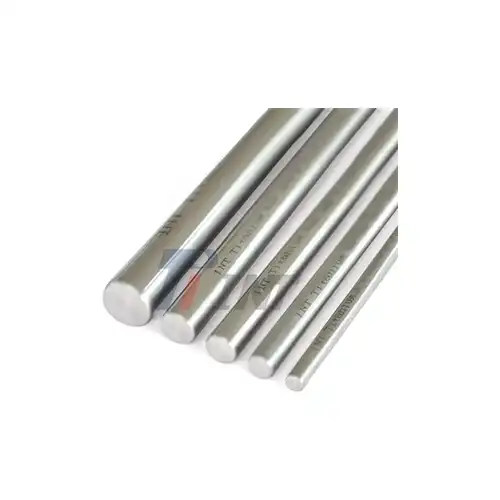
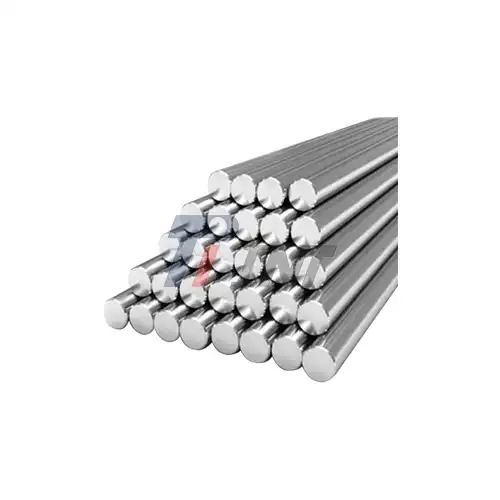
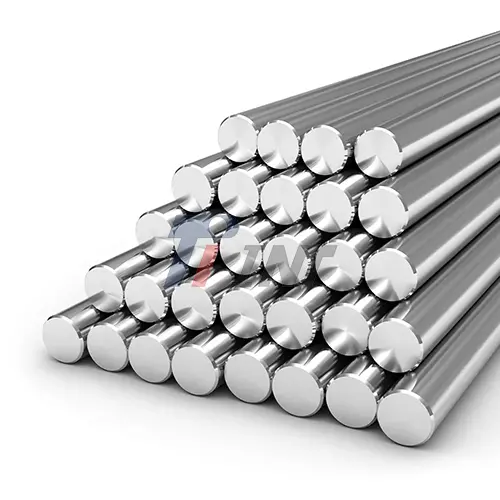
We keep diameters ranging from 6 mm to 150 mm and lengths ranging from 1000 mm to 3000 mm. This lets companies that make surgical instruments choose the right stock sizes so that CNC machines don't waste too much material. Surface finishes—polished or sandblasted—are chosen based on the end use. For implant parts that need to touch tissue smoothly, polished surfaces are best.
Certification Standards That Matter
Meeting international standards is the first step in getting a medical device approved. Ti-6Al-4V ELI for surgical implants is governed by ASTM F136, and widely pure titanium types are governed by ASTM F67. ISO 5832-3 sets the standards for medical devices made of titanium, aluminium, and vanadium. These rules say how much oxygen, nitrogen, and carbon can be in the intermediate space.
Too much of these elements makes the material less tough to break and less flexible. Getting ISO 13485:2016 certification shows that manufacturing processes keep quality control consistent, and that all the way from the heat numbers of the raw materials to the delivery of the finished product can be tracked. When your customers go through regulatory checks or try to get CE marking for their finished products, this paperwork becomes very important.
Key Material Properties Driving Adoption
Biocompatibility is the main benefit, but the term needs to be explained in more detail. Titanium's passive oxide layer keeps growing back after being cut, keeping the metal chemically stable in body fluids that are acidic. This property stops the release of metal ions that could harm the whole body or just a few tissues. The low elastic modulus of the material—about half that of stainless steel—distributes mechanical loads more evenly between the implant and the bone around it. This encourages natural stress patterns that help bone grow instead of breaking down.
In physiological settings, corrosion protection is higher than that of other metals. Titanium doesn't react with anything, even when pH levels change in inflammatory conditions, while stainless steel can release nickel ions that can cause allergic reactions. The strength-to-weight ratio is especially useful in orthopaedics, where a smaller implant mass means less stress on healing tissues while still being able to hold weight.
Our substance is very resistant to fatigue when loaded and unloaded many times. This is important for devices like intramedullary nails that are put through millions of stress cycles while a patient is doing normal activities. All of these qualities explain why instrument makers always choose titanium bar stock for their toughest challenges.
Why Titanium Bars Are the Preferred Choice Over Other Materials
Performance Advantages Over Stainless Steel
Surgical tool makers often look at stainless steel because it costs less to make, but this comparison shows that titanium is a better deal. The value of elasticity of stainless steel is close to 200 GPa, which is very different from bone flesh in terms of how they work mechanically. This difference leads to stress shielding, where the implant takes on loads that the bone would normally handle.
This causes bone loss and eventually the implant coming loose. Titanium's 110 GPa modulus makes this effect much less likely to happen. Medical titanium bar is often the preferred form for such load-bearing applications. When it comes to dental and maxillofacial uses, weight is very important. Titanium parts weigh about 40% less than stainless steel parts of the same size and shape, which makes patients more comfortable without losing structural integrity.
The way these materials react to corrosion is very different. Some types of stainless steel (316L and 304) are pretty resistant in normal conditions, but the chloride- and protein-rich environment inside the body speeds up pitting and crevice rust. Titanium's protective oxide layer keeps working even when it is mechanically damaged. Long-term studies of implants have shown that titanium devices don't lose much of their surface after decades of use, while stainless steel parts often lose material and stain the tissues around them.
Comparing Titanium to Cobalt Chrome and Alternative Alloys
Cobalt-chromium alloys are good for articulating joint surfaces because they don't wear down easily. But instrument handles, fixing screws, and parts that don't move gain little from this feature while getting a lot of bad things from it. The density of cobalt chrome is almost twice that of titanium, which makes devices heavier than they need to be.
New research shows that some patients can have metal sensitivity reactions to cobalt and chromium ions. On the other hand, titanium hypersensitivity is still very uncommon. Titanium has better cutting qualities than cobalt chrome, which is harder and causes tools to wear out faster. This makes the manufacturing process more expensive.
Niobium is another safe choice, but it is harder to get and costs more than other materials, so it isn't widely used. Ceramic materials are very biocompatible, but they are very brittle, which means they can't be used for instruments that need to be resistant to impact or have complex geometries.
Tantalum is very radiopaque, which is good for some imaging uses. However, it is too dense and expensive to use for most surgical instruments. Biocompatibility, mechanical qualities, machinability, and cost are all things that titanium bar stock always comes out on top for companies that make medical instruments for people around the world.
Application-Specific Benefits of Medical Grade Titanium Bars in Implants
Dental Implant Manufacturing Requirements
Dental implants need to be made of materials that can handle the unique stresses of biting and chewing as well as the harsh conditions in the mouth. Titanium bars used for tooth abutments and implant bodies have to be able to handle changes in temperature, acidic foods, and the growth of bacterial biofilm.
The material's resistance to pitting rust stops the formation of tiny surface flaws that could be home to pathogens. Our Ti-6Al-4V ELI bars have the tensile strength needed for small-diameter implants that are put in bone spaces that aren't very big. In these cases, the device cross-sections need to be kept as small as possible without sacrificing structural integrity.
Osseointegration, which is when bone tissue directly bonds to implant surfaces, happens more often with titanium than with other materials. The crystal structure and surface energy of the oxide layer make it easier for osteoblasts to stick to it and for proteins to adsorb, which starts the process of bone formation. Manufacturers can ask for sanded finishes on the surface, which create microtopography that makes this cellular response work better. Because this combination is predictable, dental labs can safely set loading routines and healing times. This makes treatments simpler and more patient-satisfying.
Orthopedic Device Production
From trauma plates to spinal fusion cages, orthopaedic implants are used for a wide range of things, and each one has its own specific material needs. Titanium's fatigue strength is useful for intramedullary nails that are used to fix long bone fractures. These devices have to last millions of loading cycles while people walk without starting to crack.
In these load-bearing situations, the low elastic modulus is very important because stress buffering could slow the healing of a fracture or cause the implant to fail because the bone breaks down. Our specifications for the materials make sure that the grain structure is the same across all bar cross-sections. This gets rid of any weak spots that could affect how well the device works.
Manufacturers of spinal implants like titanium because it is less radioactive than stainless steel. Imaging artefacts are made by titanium, but they are not as bad as those made of denser metals. This means that doctors can use normal radiographs to check on the progress of the fusion and find any problems.
Titanium bars are the best raw material for pedicle screws, interbody cages, and vertebral fixation plates because they are strong, biocompatible, and imaging compatible. Medical titanium bar provides the consistent quality and uniformity required for these demanding spinal applications. Manufacturers of instruments can make thread profiles and surface textures that are very complicated. These can help bone grow while still having the mechanical properties needed to stabilise the spine.
Surgical Instrument Handles and Components
Titanium's qualities help surgical tools even when they are not implanted. By lowering their weight, instrument handles made from titanium bar stock keep surgeons from getting tired during long procedures. The fact that the material isn't magnetic is very important for MRI-compatible instrument sets because they let treatments be done in interventional radiology rooms with magnetic resonance systems. Titanium is very strong, so designers can make thin profiles that make procedures easier to see and access without worrying that the instruments will break from normal use forces.
Another useful benefit is that it is compatible with sterilisation. Surgical tools are put through many rounds of autoclaving at high temperatures and pressures, with harsh chemicals used most of the time. Titanium can handle these conditions without losing its surface integrity, so it can be used in hospital settings for years to come. This makes replacements less often, which makes up for the higher cost of the materials in the beginning. Titanium bar stock is being used more and more by companies that make forceps, retractors and clamps to make their goods stand out by giving them performance benefits that people in the operating room can see right away.
Procurement Considerations for Medical Grade Titanium Bars
Evaluating Supplier Credentials
When choosing a titanium bar provider, you need to look at more than just price quotes. Certification to ISO 9001:2015 shows basic quality management practices, but medical device raw materials need even more strict supervision. ISO 13485:2016 approval is only for companies that make medical devices. It needs process controls that make sure that each batch is the same and that everything can be tracked back to the source.
EU CE approval shows that a product meets European safety standards, which is important for companies that want to sell their products in these countries. When looking at a supplier's qualifications, make sure that the certifications cover the exact product lines you want to buy. Some blanket certifications don't cover certain material types or sizes.
Having experience making things in the medical field is very important. Suppliers who have worked with titanium for a long time know how important it is to control intermediate elements and improve the microstructure. We began doing business in 2003 with the help of experts who had worked in the titanium industry for more than 30 years.
They helped us create special skills in vacuum arc remelting and controlled atmosphere processing. This background makes it possible to consistently make materials that meet ASTM F136 and ASTM F67 standards, without the high rate of batch rejection that happens when suppliers treat medical-grade titanium as an afterthought to industrial production.
Understanding Pricing Dynamics
Medical titanium bars' material costs are affected by more than just the price of the base metal. The price is greatly affected by the alloy's composition. For example, Ti-6Al-4V ELI costs more than commercially pure grades because it needs more processing steps to meet extra-low interstitial specifications. Several vacuum arc remelting passes and carefully controlled cooling rates are needed for these steps, which take more time in the furnace.
Order volume affects prices because processing batches of items with similar specs cuts down on setup time and material handling. Medical titanium bar is no exception to this rule, as its production cost per unit drops significantly with larger, consistent batch runs. Manufacturers who plan to place monthly refill orders usually get better prices than those who only buy small amounts from time to time.
Processing difficulty has a big effect on quotes. Standard round bar stock in popular sizes (10 mm, 15 mm, and 20 mm) usually ships for less money than unique diameters that need special die sets. Specifications for the surface finish affect the cost; for example, polished surfaces need more grinding and buffing than as-rolled or sandblasted finishes.
Length needs affect return rates, and stock lengths between 1000 mm and 3000 mm make the best use of raw materials. Buyers with small profit margins should talk to suppliers about specifications during the design phase. Sometimes, small changes to dimensions can save a lot of money without affecting how well the device works.
Lead Time and Logistics Planning
When you buy raw materials has a direct effect on your production schedule and your promises to customers. When an order is confirmed, standard grades and sizes that are kept in stock usually ship within three to four weeks. Lead times can be eight to twelve weeks longer for custom specs that need special production runs.
This depends on the mill's schedule and heat treatment capacity. Manufacturers of instruments used around the world should set up blanket purchase orders with scheduled releases. This will make the supply chain more stable and give manufacturers the freedom to change the delivery quantities as needed.
The choice of shipping mode strikes a balance between cost and speed. For big orders, sea freight is the most cost-effective choice, but it takes four to eight weeks to get from manufacturing hubs to destination ports. Air freight makes materials much more expensive, but it makes it possible to quickly restock when production plans are tight.
Suppliers with a lot of experience keep in touch with a number of goods forwarders so they can offer clients choices that fit their needs in terms of urgency and price. For international shipments, it's very important that the paperwork is correct. Material certificates, commercial invoices, and certificates of origin must all exactly match what customs needs so that there aren't delays in clearance that waste money on faster shipping.
Making the Right Choice: Selecting the Best Titanium Bar for Medical Implants
Grade Selection Criteria
The choice between pure titanium and the Ti-6Al-4V alloy depends on the needs of the device and the rules that govern it. Commercially Pure Titanium (Grades 2 and 4) is biocompatible and resistant to rust, and it can be used in situations where modest strength is enough. The shapeability of Grade 2 is good for cold-heading processes, and the strength of Grade 4 is better for situations that need better mechanical qualities without the complexity of alloying elements.
Ti-6Al-4V has much higher tensile and wear strengths, which are important for load-bearing implants that are put under a lot of mechanical stress. ELI lowers the amount of oxygen and iron in the interstitial space, which makes the material more flexible and difficult to break. This is very important for devices where the ability to stop cracks from spreading affects how long they last.
Regulatory factors also play a role in choosing grades. Some places keep a lot of clinical data backing certain material grades. This makes it easier for regulators to give their approval when these set standards are used. While new alloy compositions might have theoretical benefits, they need to be tested for biocompatibility and clinical evidence more, which adds to the time it takes to develop a product. Early on in the design process, procurement managers should talk to regulatory affairs specialists to make sure that the materials chosen are in line with certification strategies for target markets.
Balancing Price and Performance
The cost of materials is only one part of the total cost of making a gadget. Even though they are cheaper, cheaper raw materials that take longer to machine, make too much waste, or need more quality checks can raise production costs in the end. Titanium is easier to machine than brass or aluminium, but harder than hardened stainless steels or cobalt chrome. This means that standard CNC equipment can be used to make things without the need for special tools. When medical-grade bars are made correctly, they have uniform material qualities that cut down on setup time and scrap rates, making the equipment work better overall.
When making important choices, long-term success should be given a lot of weight. Devices made from high-quality titanium bars have lower revision rates, which protects the brand's image and lowers the risk of breaching the guarantee. Clinical results directly affect business success in the medical device market, where product acceptance is driven by what surgeons want and how happy patients are with the product.
When you look at the device's service life and market positioning benefits, the difference in marginal cost between standard and premium raw material grades is almost nothing. Manufacturers that want to build a reputation for dependability always choose suppliers that put consistent quality above low prices.
Strategic Supplier Partnerships
Medical device supply chains are weaker when there are transactional relationships between buyers and sellers. Building strategic relationships with raw material sources who understand their business cycles and technical needs is very helpful for companies that make parts. When people work together, they can talk about mill schedules ahead of time, which helps sellers plan their restocking needs and keep the right amount of safety stock on hand.
Technical support, like help with cutting parameters or heat treatment specs, adds value above and beyond the price of the product. We work closely with instrument makers to make sure that the material specifications are the best they can be for their particular processing tools and design needs. Occasionally, we find ways to improve yield or cut down on cycle time by making changes to the specs.
Long-term trade deals are good for both parties. Suppliers get to know their income ahead of time, which lets them invest in capacity, and buyers get stable prices and priority delivery when supplies are low. These agreements are especially helpful when the prices of raw materials change a lot or when there are problems in the world that affect the supply lines for titanium sponge. Building relationships that go beyond individual purchase orders makes you strong, which keeps your production schedules and customer commitments safe when problems come up out of the blue.
Conclusion
Implant performance, production efficiency, and economic success are all significantly impacted by the choice of medical titanium bar. Because it is biocompatible, has good mechanical properties, and doesn't rust, this material solves important problems in surgical device design that other materials can't.
It's just as important to look at the credentials of suppliers, understand how prices change, and form smart partnerships when looking for raw materials for making instruments as it is to look at the material specs themselves. Investing in high-quality medical titanium bar that is properly certified, consistently manufactured, and reliably delivered leads to better device performance, confidence in regulatory compliance, and a competitive position in tough global markets where quality determines long-term success.
FAQ
Why is biocompatibility critical in medical titanium bars?
Biocompatibility tells us if the immune system of a person will accept or reject implanted materials. Medical titanium bars form a stable layer of titanium dioxide that doesn't mix chemically with body fluids. This stops the release of ions that cause inflammatory or hypersensitive responses. This feature lets implants blend in with the tissues around them instead of creating a fibrous covering that makes fixation less stable. The material's biocompatibility has been proven by decades of clinical use on millions of patients, giving it a safety rating that no other metal can match.
How does titanium's strength compare to stainless steel for medical applications?
Ti-6Al-4V ELI titanium has a tensile strength of more than 895 MPa, which is about the same as 316L stainless steel used in medical devices. What makes a big difference is the ratio of strength to weight: titanium is just as strong as stainless steel while being about 60% lighter. This feature lets makers make products that are lighter or keep the same size while making them more resistant to tiredness. The lower elastic modulus (110 GPa vs. 200 GPa) is also helpful for load-bearing implants because it lowers stress shielding and encourages natural bone remodelling.
Can medical titanium bars be customized for specific instrument designs?
Customising materials involves changing many things, such as the alloy's make-up, its thickness, length, and surface finish. Standard grades (Pure Ti, Ti-6Al-4V, and Ti-6Al-4V ELI) are good for most uses, but custom mixtures can be made to meet specific needs. Customising the sizes is easy; bars can be made with widths ranging from 6 mm to 150 mm and lengths ranging from 1000 mm to 3000 mm. Different design needs can be met by different surface finishes, such as polished, sandblasted, or as-rolled. Working with experienced suppliers during the design phase can often help find ways to improve specifications that improve both performance and the cost of making the product.
Partner with a Trusted Medical Titanium Bar Supplier
Since 2003, Baoji INT Medical Titanium Co., Ltd. has been providing medical-grade titanium bars that meet the exacting standards your production needs to surgical instrument manufacturers all over the world. Our ISO 9001:2015, ISO 13485:2016, and EU CE certifications make sure that the quality of our pure titanium, Ti6Al4V, and Ti6Al4V ELI grades is always the same, and the sizes range from 6 mm to 150 mm.
Tight margins, complicated specs, and tight delivery schedules are some of the problems that instrument makers have to deal with. That's why we've built our business around flexible minimum order amounts and reliable three- to four-week wait times. Our team has over 30 years of experience in the titanium industry and can help you succeed whether you need material certificates for customer checks or technical advice on how to make the best specs for your CNC processes.
Get in touch with us at export@tiint.com to talk about your specific needs and find out how working with a dedicated medical titanium bar manufacturer can improve your supply chain and the performance of your products.
References
1. Niinomi, M. (2008). Mechanical biocompatibilities of titanium alloys for biomedical applications. Journal of the Mechanical Behavior of Biomedical Materials, 1(1), 30-42.
2. Geetha, M., Singh, A.K., Asokamani, R., & Gogia, A.K. (2009). Ti based biomaterials, the ultimate choice for orthopaedic implants – A review. Progress in Materials Science, 54(3), 397-425.
3. Long, M. & Rack, H.J. (1998). Titanium alloys in total joint replacement—a materials science perspective. Biomaterials, 19(18), 1621-1639.
4. Liu, X., Chu, P.K., & Ding, C. (2004). Surface modification of titanium, titanium alloys, and related materials for biomedical applications. Materials Science and Engineering: R: Reports, 47(3-4), 49-121.
5. Chen, Q. & Thouas, G.A. (2015). Metallic implant biomaterials. Materials Science and Engineering: R: Reports, 87, 1-57.
6. ASTM International. (2013). ASTM F136-13: Standard Specification for Wrought Titanium-6Aluminum-4Vanadium ELI (Extra Low Interstitial) Alloy for Surgical Implant Applications.