

Advantages of using titanium bars for implant-supported dentures over traditional methods


 2026-06-10 08:54:31
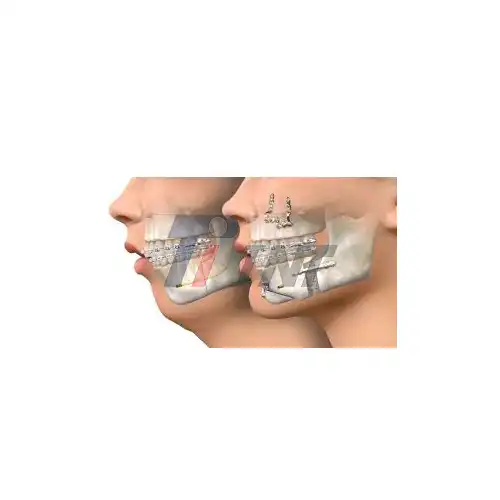
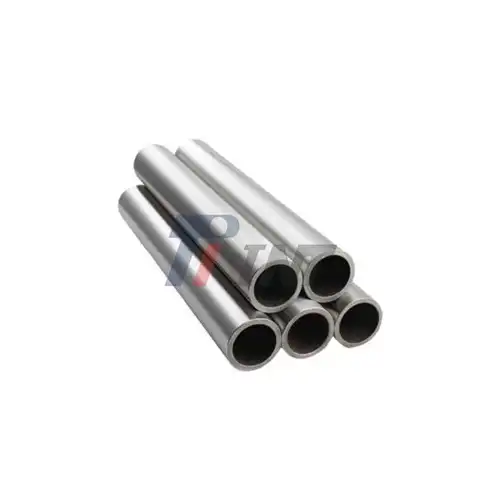
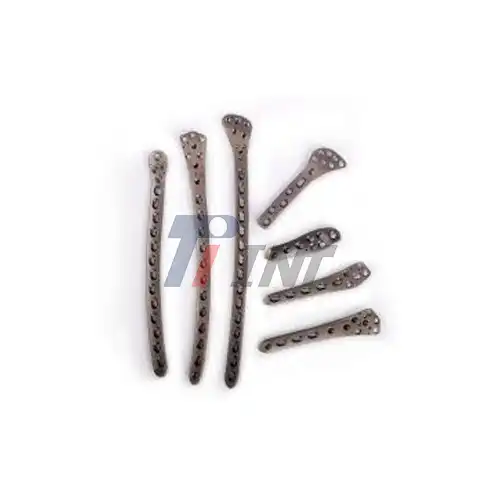
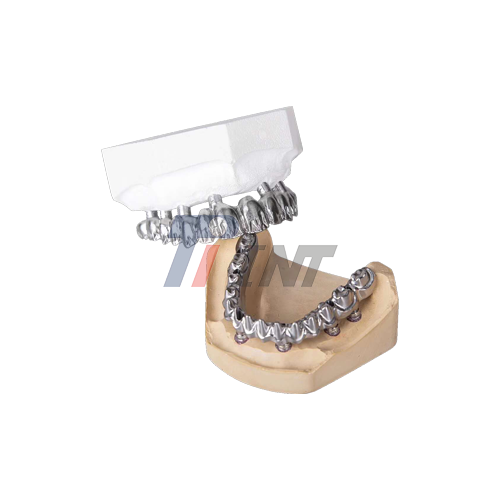
Titanium bar dental implants are a huge step forward in restorative dentistry. They allow implant-supported prostheses that are much more stable, durable, and comfortable for patients than standard disposable dentures. These carefully designed frames, made from medical-grade titanium alloys like Ti-6Al-4V ELI, combine several dental implants to make a single, load-distributing base for devices that are either set or removable. Implant-supported systems anchored by titanium bars offer predictable clinical outcomes, reduce bone resorption, improve the overall patient experience, and provide procurement professionals with cost-effective, reliable supply chain solutions. This is in contrast to traditional denture methods that rely on suction or adhesive.
|
|
|
Limitations of Traditional Denture Support Methods
Traditional denture solutions have been used by patients for many years, but they have a lot of problems that affect both patient results and the economics of the supply chain. Traditional detachable dentures rely on buccal support and suction to stay in place, but they tend to slip around when you eat or talk. This instability not only lowers the quality of life for patients, but it also causes ongoing service needs that put a lot of stress on dental practices' resources and guarantee programs.
In a physiological sense, standard dentures speed up the breakdown of alveolar bone because they don't directly apply functional stress to the jawbone. Studies show that people who wear traditional full dentures can lose up to 0.5 mm of bone every year, which means that their teeth need to be relined and replaced every so often. For business-to-business buyers, this means complicated supply lines with many parts, like denture bases, fake teeth, and reline materials, that need their own ways of being sourced, managed, and checked for quality.
There are also problems with standard implant systems that don't have bar frameworks. Individual implant-retained crowns and bridges work well for partial recovery, but they aren't as good at meeting the biomechanical needs of full-arch replacements as titanium bar dental implants. When bone quality is low or the angle of the implant changes, different stress patterns can cause the implant to fail. This is especially true if the implant is not splinted. These problems lead to more warranty claims, which hurts the brand's image in areas where competition is high.
The effects on the economy of these restrictions are big. The total cost of ownership goes up for both dentistry practices and patients when they have to make a lot of changes, fix things quickly, and replace things too soon. When looking at standard ways, people who work in procurement need to think about these hidden lifecycle costs, which often go over the original buy price. Knowing about these problems helps explain why titanium bar dental implants have become so popular so quickly among companies that want to give their professional customers better value.
Introduction to Titanium Bar Implant-Supported Dentures
Titanium bar dental implants are a complex engineering solution that blends several parts into a single prosthetic system. The titanium bar is the mesostructure. The mesostructure is a precisely milled or cast framework that links dental implants that have been put in a way that makes the end prosthesis solid. This arrangement is often used in procedures like All-on-4, All-on-6, and hybrid prosthetics like Toronto bridges. All of these are meant to replace full tooth arches with the best biomechanical performance.
A titanium alloy called Ti-6Al-4V ELI is usually used to make these bars. This alloy has controlled amounts of aluminum and vanadium to make it stronger while still being biocompatible. Extra-low interstitial elements (oxygen, nitrogen, and carbon) are found in grade 23 titanium. These elements lower the risk of inflammatory reactions and increase wear resistance under cyclic loading conditions. These properties of the material are very important for implant frameworks that have to withstand biting forces of 300 to 800 Newtons for the whole patient's life.
When making titanium bar dental implants, manufacturing accuracy is very important. With CAD/CAM technology, frameworks can be made with dimensional limits between h8 and h9, which means they will fit passively on implant abutments. Passive fit means that the bar can engage all implants at the same time without putting stress on the implant-bone contact, which is very important to avoid mechanical problems. Advanced suppliers use five-axis CNC cutting centers that can cut out complicated shapes while keeping the surface finish to a level that helps the bone integrate and keeps bacteria from sticking.
Standardized ways to connect to titanium bar dental implants are often built into their design architecture. The cross-section of Hader bars is shaped like a saddle, and they fit into clips that are built into the overdenture. This keeps the bars in place securely and lets you control the release force. Dolder bars have a T-shaped design that makes them more stable on the sides. When these attachment systems are bought, they can be adjusted to fit specific clinical standards. This lets dental makers provide custom solutions without having to keep a lot of different kinds of parts in stock. When procurement managers are looking for these parts, they like it when sellers give full technical paperwork, such as material certificates, dimensional inspection reports, and biocompatibility testing data that meets ISO 10993 standards.
Core Advantages of Titanium Bars Over Traditional Methods
Titanium bar dental implants have many clinical and operational benefits, which creates strong value for makers, dealers, and end users. When procurement workers know about these benefits, they can make choices that meet both technical needs and business goals.
Enhanced Biomechanical Performance and Load Distribution
Titanium bar dental implants are great at spreading occlusal forces evenly across several implants, which keeps stress from building up at any one implant site. This biomechanics benefit directly fixes the problem of distal extension that comes up with non-splinted replacements, where cantilever effects can cause too many bending moments. Titanium metals have a high strength-to-weight ratio—their tensile strength is over 860 MPa and their density is only 4.43 g/cm³—so they can be used to make frames that are both strong and comfortable for patients. The procurement teams that get these materials can list the exact mechanical qualities that are needed. This makes sure that all production batches are the same and lowers the risk of mistakes in the field.
Because medical-grade titanium is so resistant to wear, these bars can be loaded and unloaded millions of times without cracks spreading or the structure breaking down. Titanium frames that are properly built have been tested in the lab and shown to last more than 5 million cycles at physiological stress levels. This is a lot longer than other materials like cobalt-chromium castings. This means that maintenance costs will go down and customer happiness will go up, which are both important factors for B2B buyers looking for long-term provider relationships.
Superior Biocompatibility and Tissue Integration
Titanium is bioinert, which means that when it comes into touch with oral cells, it doesn't cause a strong immune reaction. The material's natural oxide layer forms on its own when it comes into contact with air or biological fluids. It forms a solid surface that stops proteins from sticking to it and bacteria from taking over. High-purity titanium doesn't release ions that can cause sensitive reactions like some metal alloys do. Instead, it has great tissue tolerance across a wide range of patient groups. Titanium sensitivity does happen, but it's very rare (less than 0.6%), according to published clinical data. This makes it the best material for long-term implantable devices.
When the right medical steps are taken, osseointegration—a direct structural link between living bone and the implant surface—always happens with titanium parts. Because they are biologically integrated, they provide stable support that standard dentures can't. This means that adhesives aren't needed, and soft tissues are less likely to get irritated. For companies that make dental devices, using approved medical-grade titanium from reliable sources guarantees consistent osseointegration results that back up regulatory claims and the creation of clinical proof.
Corrosion Resistance and Long-Term Stability
Metallic materials have a hard time in the mouth because the pH levels change, there is enzyme activity, and there are lots of microbes that can cause rust. Titanium's inactive oxide layer is very resistant to these breaking down processes, so the structure stays strong even after decades of use in the mouth. This quality is especially useful in implant frameworks, where material breakdown could make it harder to hold on to a prosthetic or let out corrosion products that could be dangerous.
When buying titanium bar dental implants, people in charge of procurement should make sure they meet rust testing standards like ASTM F2129, which tests how well materials work in conditions that are similar to human body conditions. When suppliers give full test results, like potentiodynamic polarization curves and immersion test results, it shows they care about quality, which lowers risk further down the line. At Baoji INT Medical Titanium Co., Ltd., we put every batch through strict corrosion tests to make sure it meets or beats international standards. This gives our partners proof that makes regulatory reports and quality checks easier.
Customization Capabilities and Manufacturing Flexibility
Modern CAD/CAM processes make it possible to precisely customize titanium bar dental implants to fit the tissue and setting of each patient's implants. This flexibility is important for dealing with the differences in angles that always happen when surgically placing an implant. With just-in-time stocking strategies, suppliers with advanced manufacturing skills can make frames from digital files with short lead times. This helps keep production going while lowering production costs.
Dental makers can set their products apart from others in a crowded market by changing the shape of the bars, the sizes of their cross-sections, and the ways they connect to other devices. When procurement teams work with vertically integrated providers, they can get engineering support services that shorten the time it takes to make new replacement systems and speed up the product development cycle. These features are especially useful for ODM/OEM companies that are making custom solutions for brand partners who need designs that are kept secret by security agreements.
Comparing Titanium Bars with Alternative Implant Solutions
Comparing titanium bar dental implants to other materials and ways is an important part of making decisions about what to buy. There are a few different ways to support implant teeth, and each has its own pros and cons when it comes to performance, cost, and practical usefulness.
Titanium Versus Zirconia Frameworks
Zirconia has become an attractive option for some dental uses, providing tooth-colored ceramic frameworks that get rid of worries about metal showing through in the front. Zirconia is very weak, though, which makes it hard to use in full-arch frameworks that are put under a lot of occlusal loads. Tensile strength and fracture toughness of the material are much lower than those of titanium alloys. This means that it fails more often when loaded and unloaded many times. Manufacturing flaws introduced during sintering, such as microcracks and changes in density, make the prosthesis even less reliable and could cause severe fractures that require a whole new prosthetic.
When it comes to buying, zirconia frameworks usually cost more than other options, but they don't work as well in bar uses mechanically. Making this material requires several steps, such as cutting pre-sintered blanks and then firing them at a high temperature. This makes it possible for the dimensions to change, which makes passive fit harder to achieve. Titanium's one-step machining process from fully dense bar stock improves production consistency and dimensional stability. This leads to fewer rejections and more stable delivery plans.
Bar Systems Versus Individual Screw-Retained Crowns
Individual caps held in place by screws on separate implants are a good way to replace missing teeth, but they don't have the biomechanical benefits of splinted bar systems for full-arch therapy. Non-splinted replacements can't fix issues with implant angulation as well, which could cause problems with the prosthesis like screws coming loose or ceramic breaking. Because of its shape, the bar framework can fix implant axes that aren't aligned properly, so dental makers don't have to use angled abutments or make special parts. This makes inventory management easier for them.
Long-term results are better with bar-supported overdentures than with ball attachment methods or individual locators, according to clinical data. Meta-analyses of randomized controlled studies show that bar-retained prostheses are easier to maintain and make patients happier, especially when they are used in the mouth and support is very important. These differences in outcomes affect the products that dental practices choose, causing market demand that procurement professionals must meet by forming smart partnerships with suppliers.
Titanium Bars Versus Bone Grafting Procedures
When there was severe alveolar bone loss, patients had to go through a lot of healing surgeries before they could get implants. This took months longer and cost a lot more. Titanium bar dental implants used in All-on-4 methods take advantage of available bone volume by strategically angling the implants, which often means that no bone grafts is needed at all. This method lowers the risk of surgical morbidity, speeds up the delivery of prosthetics, and makes care more cost-effective. These are all things that dental offices want to use and that affect how people buy things.
The move toward graftless standards provides a steady need for titanium bar dental implants parts and hardware for business-to-business buyers. Companies that can give full system solutions, such as implants, bars, abutments, and replacement parts, get a bigger share of the market than companies that only make a few products. When procurement workers understand these treatment trends, they can make sure that their sourcing methods are in line with new clinical standards. This way, their companies will stay relevant as dental implantology changes.
Maintenance and Aftercare for Titanium Bar Implant Dentures
Long-term success of titanium bar dental implants relies on following the right maintenance steps and being proactive about managing aftercare. Knowing these needs helps people who work in buying guess what products and services will be needed, which affects the total cost of ownership.
Cleaning Protocols and Hygiene Management
To avoid peri-implant infections and technical problems, titanium bar dental implants and the ways they connect to other implants need to be cleaned in a certain way. Bar-supported fixed prostheses stay in place all day, so daily oral care routines with interdental brushes, floss threaders, and antimicrobial rinses are needed. This is different from standard dentures, which patients take out to clean them at night. With removable overdentures, you have to clean both the implant and the bar structure to get rid of plaque. This means that the patient needs to be taught how to clean their teeth properly and given the right tools.
Dental companies that make implant systems might want to think about making lines of afterward products that meet these upkeep needs. The procurement team can find specialized cleaning tools, such as tapered brushes made for bar shape and low-abrasive mouth cleaners that protect the surface integrity of titanium. These extra goods bring in regular income and help patients follow the care instructions, which protects the main implant investment in the long run.
Professional Monitoring and Complication Management
By getting regular checkups, doctors can find problems like screws coming loose, connection wear, and signs of peri-implantitis early on. Depending on the patient's risk factors and the type of prosthesis, the recommended return times are usually between six months and a year. At these visits, doctors check the health of soft tissues, make sure the prosthesis is stable, and do upkeep tasks like tightening retention screws and replacing worn connection parts.
People who work in procurement should know that the need for support creates a constant need for new parts and specialized tools. Titanium abutment pins, retention clips, and O-rings are all wear-out parts that need to be replaced at regular intervals. By working with sellers who keep a large stock of spare parts, you can be sure that service requests will be met quickly, causing less trouble for patients and keeping your dental office productive. Supply deals that promise parts will be available for the expected length of time that a product is on the market reduce risk, which is a good reason to choose a premium seller over others in a bid situation.
Technical Support and Documentation Requirements
For aftercare to work, there needs to be clear detailed paperwork that shows both dentists and dental technicians how to do maintenance procedures. Suppliers should give out full repair guides that include torque values for tightening screws, lists of suitable replacement parts, and steps for fixing common problems. These tools cut down on the number of service calls while still making it easy to fix problems quickly when they happen.
ISO 13485 quality management systems need to be able to fully track a product from the time it is made to the time it is delivered to the customer. This includes giving each item a unique number that can be used for easy return management if needed. When you work with certified sellers for your purchases, you can get full paperwork packages with things like material certificates, dimensional inspection reports, and biocompatibility test data that help with quality checks and following the rules. We at Baoji INT Medical Titanium Co., Ltd. have strict tracking systems that are backed by ISO 9001:2015 and ISO 13485:2016 certifications. This gives our customers peace of mind that lasts throughout the lifecycle of the product.
Conclusion
Titanium bar dental implants are a big step forward in implant-supported denture technology. They offer clear clinical, practical, and financial benefits over older ways of making prosthetics. Due to its biocompatibility, mechanical strength, resistance to corrosion, and ability to be customized, medical-grade titanium is the best material for dental therapy frames. For people who work in procurement in the medical device business, choosing the right titanium providers has a direct effect on how well products work, how well they follow regulations, and how competitive the market is.
Strategic relationships with experienced makers who can show consistent quality, full technical support, and reliable supply chain performance give businesses long-term competitive benefits in a global market that is becoming more demanding. As dental implantology develops, it continues to favor solutions that improve patient results while also supporting good clinical processes and cost-effectiveness.
FAQ
Q1: What are the primary safety considerations for titanium bar implant systems?
A: Medical-grade titanium metals have been shown to be very safe, with almost no chance of side effects. Less than 0.6 percent of people are actually allergic to titanium, which means that hypersensitive worries are very small compared to other metallic biomaterials. The right choice of material—specifically Grade 23 Ti-6Al-4V ELI that meets ASTM F136—ensures the best biocompatibility for long-term insertion.
Q2: How do recovery timelines compare between titanium bar systems and traditional dentures?
A: Titanium bar dental implants need three to six months of healing time for osseointegration to happen before the final implant is delivered. On the other hand, standard dentures can be delivered right away after a tooth is extracted. However, implant solutions are much better for the long term because titanium bar dental implants don't need to be relined or remade all the time, which is what happens when you wear regular dentures and your bone breaks down.
Q3: Where can manufacturers source certified titanium bars for dental implant production?
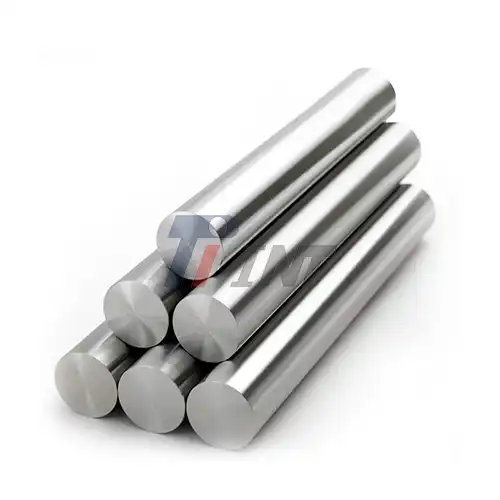
A: Suppliers who are qualified must show that they are ISO 13485 certified, keep up-to-date quality management systems, and give full documents on how materials can be tracked. Baoji INT Medical Titanium Co., Ltd. sells medical-grade titanium bars in a range of specs, such as Grade 5 and Grade 23 alloys. The company has been in business for more than 20 years and follows all regulations.
Partner with a Proven Titanium Bar Dental Implants Manufacturer
In the competitive market for dental devices, B2B buying success depends on building strong relationships with material providers who have a lot of experience. Baoji INT Medical Titanium Co., Ltd. has been making medical-grade titanium for more than 20 years and supplies dental implant makers around the world with approved Ti-6Al-4V and Ti-6Al-4V ELI materials that meet strict international standards. Our ISO 9001:2015, ISO 13485:2016, and EU CE certifications make sure that our products always meet quality standards and government regulations.
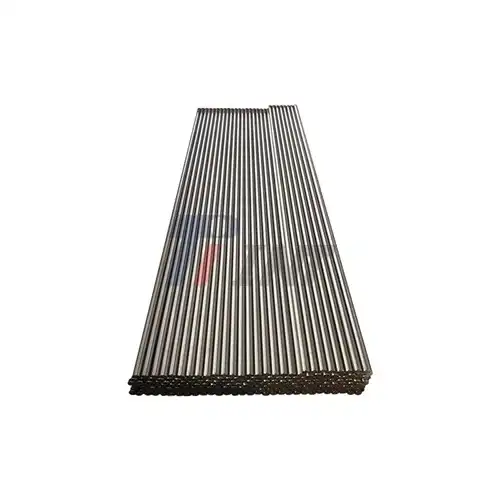
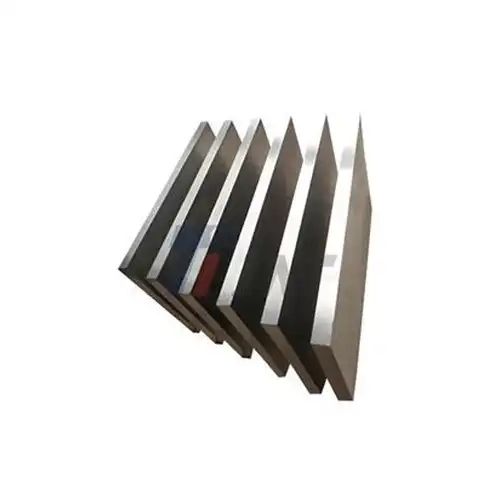
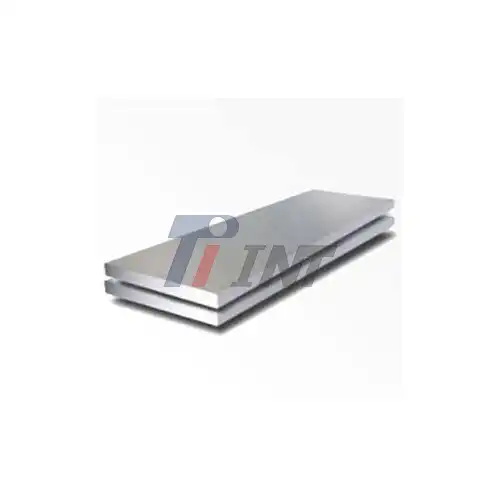
Our wide range of products, such as bars, plates, wires, and special forgings, can also be used for a variety of industrial tasks. We offer full technical paperwork, quick customer service, and flexible order sizes that can work for both established production lines and R&D prototyping needs. Get in touch with our purchasing team at export@tiint.com to talk about your titanium bar dental implants needs and find out how our material solutions can help your products work better and be more competitive in the market. As a reliable provider of titanium bar dental implants in places around the world, we give your business the quality and service it deserves.
References
1. Brånemark, P.I., Svensson, B., and van Steenberghe, D. (1995). Ten-Year Survival Rates of Fixed Prostheses on Four or Six Implants ad Modum Brånemark in Full Edentulism. Clinical Oral Implants Research, 6(4), 227-231.
2. Steinemann, S.G. (1998). Titanium—the Material of Choice? Periodontology 2000, 17(1), 7-21.
3. Misch, C.E. (2015). Dental Implant Prosthetics, 2nd Edition. Elsevier Health Sciences, St. Louis, Missouri.
4. Att, W., Yajima, N.D., Wolkewitz, M., and Witkowski, S. (2017). Influence of Prosthetic Design on Stress Distribution in Peri-Implant Bone: A 3D Finite Element Analysis. Journal of Prosthetic Dentistry, 118(6), 770-776.
5. Quirynen, M., De Soete, M., and van Steenberghe, D. (2002). Infectious Risks for Oral Implants: A Review of the Literature. Clinical Oral Implants Research, 13(1), 1-19.
6. Donath, K., and Breuner, G. (1982). A Method for the Study of Undecalcified Bones and Teeth with Attached Soft Tissues: The Säge-Schliff (Sawing and Grinding) Technique. Journal of Oral Pathology & Medicine, 11(4), 318-326.
_1753429871786.webp)
_1752821449466.webp)