Gr4 Titanium Welding Wire in Implant Repair


 2026-06-09 09:10:18
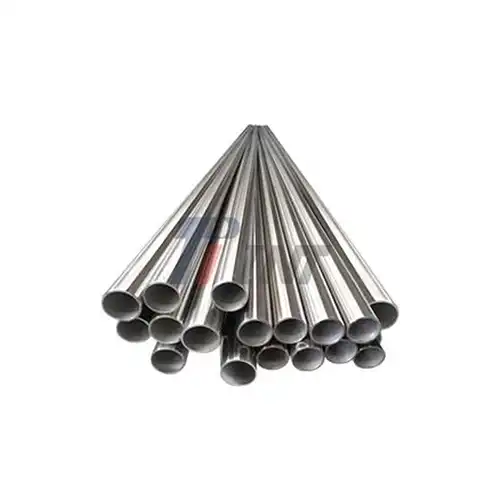
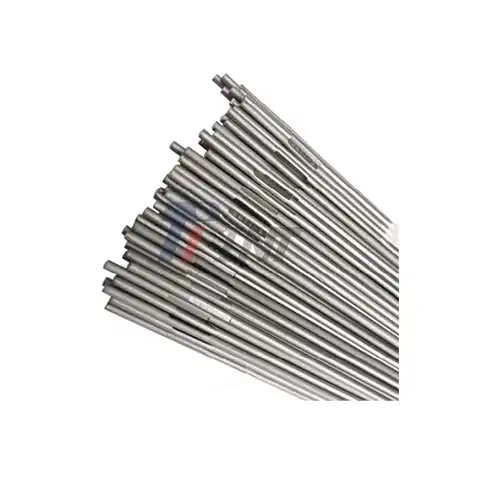
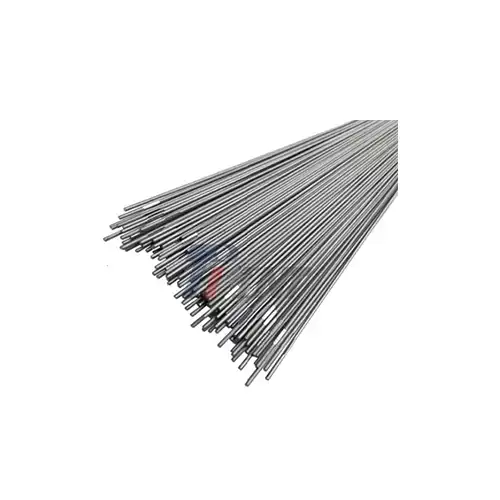
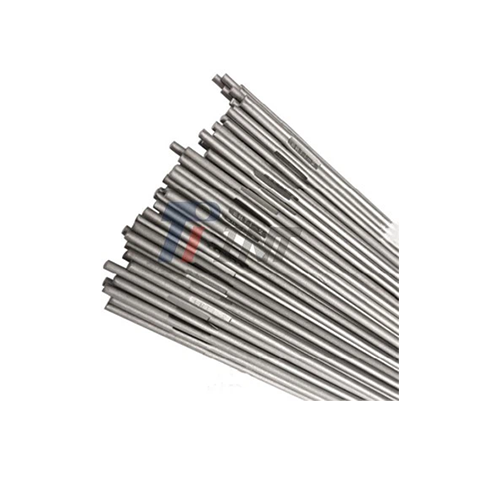
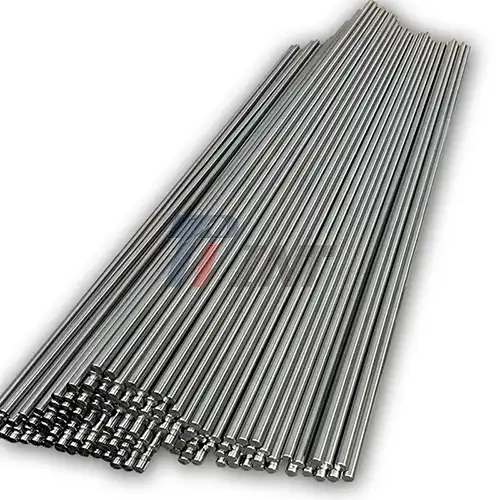
Manufacturers of medical devices must fix high-performance implants, and Gr4 Titanium Welding Wire is one of the best ways to do it because it is both biocompatible and very strong. When it comes to commercially pure titanium filler metal, this is the strongest type of unalloyed titanium. It has mechanical qualities similar to basic titanium alloys and is also very resistant to corrosion. In implant repair applications, such as rebuilding orthopedic parts, dental frameworks, or surgical instruments, Gr4 Titanium Welding Wire creates weld deposits with tensile strengths exceeding 550 MPa. This ensures structural integrity that meets the strict FDA and ISO standards for medical-grade materials.
|
|
|
Understanding the Global B2B Procurement Landscape
In the past ten years, the supply line for medical devices has changed a lot. Now, procurement managers have to deal with a complicated environment where following the rules, keeping costs low, and making sure high standards are met all come together. Industry data shows that more than 68% of companies that make medical devices have streamlined their supply chains to lower their risk and make it easier to track down products. As companies merge, buyers are more likely to choose providers who can show they have all the necessary qualifications, a lot of experience, and a track record of being reliable over the long run.
The Shift Toward Strategic Sourcing in Medical Materials
We've witnessed procurement tactics change from buying things one-time to building ties based on relationships. Supply chain managers at major companies that make orthopedic and dental implants now work with material sources to plan together months before production starts. This method reduces supply problems, which is very important because 43% of medical device companies have had material shortages in the past few years, which messed up their production plans. Strategic sourcing also lets R&D teams get technical help during the planning phase, which speeds up the time it takes for new implant systems to hit the market.
Transparency and Traceability Requirements
After a number of high-profile gadget recalls, regulatory agencies around the world have made it harder to track materials. Now, every batch of medical-grade Gr4 Titanium Welding Wire has to come with a lot of paperwork, like heat lot numbers, chemical makeup certificates, mechanical property test results, and oxygen-nitrogen-hydrogen analysis reports. Purchasing managers give more weight to sellers who have digital tracking systems that work well with their quality management platforms. This way, there are full audit trails from the raw materials to the finished product.
Key Factors Influencing Procurement Decisions
When choosing a material to fix an implant, you have to think about a lot of technical and financial factors. The most important thing is quality. For example, medical Gr4 Titanium Welding Wire has to meet the requirements for AWS A5.16 guidelines, ASTM B863 measurement tolerances, and AMS 4956 aerospace-grade purity. The chemical make-up of the material has a direct effect on the stability of the weld. For example, Gr4 Titanium Welding Wire has controlled amounts of oxygen (up to 0.40%) and iron (up to 0.50%), which make it stronger without affecting its biocompatibility or resistance to corrosion in biological settings.
Compliance as a Non-Negotiable Criterion
Before even being considered, suppliers must show that they meet the requirements for approval. From what we've seen, buying teams carefully check ISO 13485:2016 medical device quality control systems and make sure that the paperwork for CE marking is correct so that products can be sold in Europe. Because the FDA has strict rules about implant materials, any seller that doesn't have the right registration and material master files is quickly thrown out of the vendor selection process. In addition to licenses, buyers check to see if sellers follow tested cleaning methods that keep biological contamination at bay. This is an important factor because tiny amounts of lubricant residue can cause porosity flaws when implant parts are TIG welded.
Balancing Cost Against Performance Requirements
Healthcare systems put price pressure on companies that make medical devices, but those companies know that major mistakes have huge costs. Even without the damage to the company's image, a single implant recall can cost more than a million dollars in direct costs. Instead of just looking at unit price, production managers figure out the total cost of ownership. They look at return rates, how often work needs to be redone, and how easy it is to get expert help. Gr4 Titanium Welding Wire that regularly makes welds without holes lowers scrap rates by 15 to 20 percent compared to lower-grade alternatives that don't work as well, giving a measured return on investment (ROI) even though it costs more at first.
Optimizing Procurement Strategies for Industrial Clients
Structured supplier review systems help companies that make medical devices get better deals on supplies. Leading businesses use scorecards with multiple factors, such as consistent quality (35%), reliable service (25%), expert help (20%), compliance documentation (15%), and low costs (5%). This fair method keeps the focus on quality instead of price, which could put patients at risk.
Best Practices in Supplier Qualification
The process of becoming qualified to supply medical titanium usually takes between 6 and 12 months and has several steps. The first screening checks for licenses and output skills. The next step is sample testing, where buying teams order small amounts of Gr4 Titanium Welding Wire in different diameters (0.8mm, 1.0mm, 1.6mm, and 2.4mm) to check the wire's mechanical qualities (tensile testing) and surface cleanliness (scanning electron microscopy). Production trials check how well the material can be welded on typical implant shapes in the real world. Suppliers don't become approved vendors until they've passed all the steps, which include on-site checks of production sites.
Leveraging Long-Term Partnerships
Performance-based rewards are becoming more common in contract arrangements. Annual purchasing deals with committed number tiers get better prices, and inventory management programs run by suppliers lower the need for operating capital. When problems come up, collaborative connections let people work together to solve them. We've seen situations where suppliers and makers work together to create unique wire specs for new implant designs. They share intellectual property and work out deals that are good for both sides and speed up the innovation process.
Material Specifications and Technical Advantages
The mechanical features characteristic of Gr4 Titanium Welding Wire makes it stand out. It is much stronger than the more popular Grade 2 version (345 MPa tensile strength), with a minimum tensile strength of 550 MPa and a yield strength of 483 MPa. When fixing load-bearing implant parts like hip stem prostheses or spine fusion devices that can't have their mechanical integrity weakened, this strength advantage is very important. The material keeps its elongation values at least 15%, which means it is flexible enough to handle heat forces during welding without breaking.
Corrosion Resistance in Physiological Environments
Titanium's high resistance to rust is a big reason why it is biocompatible. The passive oxide layer that forms on titanium surfaces on its own stays steady in all pH ranges that are found in body fluids and human tissue. The Gr4 Titanium Welding Wire creates weld layers that don't rust or char even when they are exposed to chloride-rich environments like blood plasma. This resistance stops the release of ions that could cause inflammation or make it harder for bone to grow around implant sites that have been fixed.
Surface Cleanliness and Processing
To get the "super clean" finishes needed for medical uses, material makers use special surface processes. Wire drawing uses oils that don't pollute and evaporate totally. This is followed by pickling in acid baths, which gets rid of surface oxides without putting the metal at risk of hydrogen embrittlement. Laser micrometer checking makes sure that diameter tolerances are within ±0.05mm, which is important for making sure that automatic TIG welding systems used to make a lot of implants feed the wires evenly. Before being vacuum-sealed and packed with desiccants, each spool goes through a final check in a cleanroom.
Building Trust and Long-Term Partnerships
To build ties with suppliers in the medical device industry, you have to show that you care about quality beyond what's required by contract. Purchasing managers look at possible partners to see if they are ready to be open about how their products are made, share quality data on a regular basis, and take part in efforts to keep getting better. Suppliers who see compliance as just checking boxes instead of making quality a part of everything they do rarely make it through the strict evaluation process.
The Role of Technical Support
R&D experts like working with sellers who can help them with technical issues rather than just selling things. Having access to metallurgy experts is very helpful when making repair plans for complicated implant shapes. There are questions about the best way to weld, the minimum purity level of the shielding gas (99.999% argon), the right way to heat treat the weld bead after it's been made, and the standards for inspecting the quality of the weld bead. Suppliers who provide detailed technical paperwork, such as specs for welding procedures and material data safety sheets, shorten the time it takes to develop new products and keep people from having to do expensive trial-and-error tests.
Performance Monitoring and Continuous Improvement
Structured performance review processes are a part of partnerships that do well. Key measures are looked at every three months: on-time delivery rates (target ≥98%), certificate of conformance accuracy (target 100%), and the number of customer complaints. By taking quick corrective actions when problems arise and spending in capability improvements that meet customers' changing needs, suppliers show their dedication. We've seen that providers who consistently do a great job over a number of years often become the first choice for introducing new products, which leads to growth paths that are good for both parties.
Leveraging Digital Tools to Enhance Procurement Efficiency
Adopting new technology speeds up the decision-making process and cuts down on the time it takes to buy things. Medical device companies use e-procurement tools that connect to their suppliers' inventory management systems. This lets them see in real time what materials are available. When inventory levels hit reorder points, automated purchase order generation takes over, getting rid of the need for mistakes-prone human processes. Digital tools also make compliance management easier. For example, automatic alerts let quality teams know when source certificates are about to expire, so that expired materials aren't used by accident.
Data Analytics for Strategic Insights
Spend analysis software is used by advanced buying organizations to find ways to combine purchases and keep an eye on price changes across different types of titanium. Predictive analytics models predict changes in demand based on production plans. This lets you talk to suppliers ahead of time to make sure they have enough capacity during busy times. With data showing volume promises and market conditions, these insights give buying managers the tools they need to deal better.
Blockchain for Supply Chain Transparency
New technologies like blockchain make records of where things came from that can't be changed. Each batch of Gr4 Titanium Welding Wire comes with a digital token that records its production history, including where it was smelted, the results of a chemical study, the settings used in the process, and the results of a quality check. This paperwork that can't be changed speeds up regulatory audits and lets quick verification happen during getting inspection, which lowers the administrative load while increasing the guarantee of traceability.
Quality Control Protocols for Medical-Grade Welding Wire
Medical-grade titanium is different from industrial-grade titanium because it goes through strict quality checks. Analysis of interstitial gases is the basis for material approval. The amount of oxygen, nitrogen, and hydrogen in a material has a direct effect on its mechanical qualities and how it reacts to rust. Inert gas fusion analysis measures these elements to within a few parts per million, making sure they are within the limits set by specifications. Too much oxygen makes things stronger but less flexible than is acceptable. Hydrogen pollution above 125 ppm raises the risk of cold cracking, which could show up months after surgery on an implant.
Mechanical Property Verification
Testing for tensile strength proves that weld deposits meet the minimum strength standards. Test objects that are ready according to AWS B4.0 standards are put through destructive testing on universal testing tools that are set up to meet international measurement standards. The numbers for yield strength, final tensile strength, and elongation must all be within the ranges given. Bend testing checks how flexible something is and shows any flaws inside. For example, samples that break when bent 180 degrees show that the material quality isn't good enough for medical uses.
Surface Inspection Techniques
Surface problems can be seen with the right lighting: darkening from oxidation, cuts that could cause stress clusters, or residue that means the surface wasn't cleaned well enough. Finer features can be seen under a microscope at 10x to 50x magnification. Advanced suppliers use automatic optical inspection systems with machine vision algorithms that find flaws that human inspectors might miss. These systems have success rates of over 99.5% for finding key flaws.
Application Considerations in Implant Repair
When compared to making new devices, fixing medical hardware has its own set of technical hurdles. Parts that need to be fixed often have areas of high stress, changes in the material's properties from previous use, and complicated shapes that make welding harder. With its power, resistance to rust, and ability to be welded, Gr4 Titanium Welding Wire can handle these problems.
Orthopedic Implant Restoration
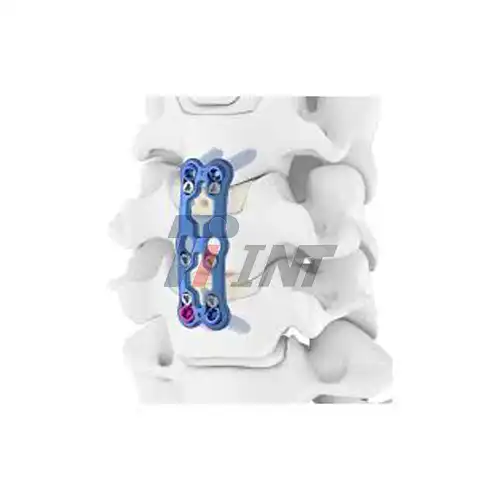
Some hip and knee prostheses need to be fixed because of problems found during making that were found before they were implanted or because they were damaged while being handled. When welding, the mechanical qualities must be restored without leaving heat-affected areas that could become crack-starting sites when the load is applied and removed over and over again. Gr4 filler metal creates weld layers with strength qualities that are very close to those of the base metal in Ti-6Al-4V ELI alloy stems. This keeps the structure strong even when people are doing activities that put 3–4 times their body weight on it, like climbing stairs.
Dental Framework Repair
Custom titanium frameworks that hold up tooth appliances sometimes need to be fixed or modified to fit properly. The fine diameter choices of the Gr4 Titanium Welding Wire (0.8mm to 1.0mm) allow for precise micro-welding that can be used on tooth structures that are very delicate. Finishing the surface after welding makes it safe again, which is needed for long-term use inside the mouth. The material is resistant to rust, so it can handle the harsh climate in the mouth, which is full of acids, enzymes, and microbes.
Surgical Instrument Maintenance
It is more cost-effective to fix expensive medical tools made of titanium alloys than to buy new ones. Manufacturers of instruments keep repair shops where trained workers use Gr4 Titanium Welding Wire to fix broken parts. The process increases the useful life of instruments by 40–60%, which lowers the cost of capital tools while keeping up the performance standards needed for minimally invasive surgeries.
How Baoji INT Medical Titanium Co., Ltd. Supports Your Procurement Goals
Our company has been specializing in medical-grade titanium products since 2003. We have over 20 years of experience meeting the unique needs of companies that make implants and surgical devices. We know how hard it is to find the right suppliers when you need to make sure of quality and price, keep your supply chains running smoothly, and get professional help when you're making new goods. Baoji INT Medical Titanium Co., Ltd. has a wide range of options that are made to fit these needs.
We keep all of our certifications up to date, such as ISO 9001:2015 for quality management, ISO 13485:2016 for making medical devices, and EU CE marking for material compliance. We use cutting edge vacuum arc remelting technology and precise drawing tools to make Gr4 Titanium Welding Wire with surface finishes that meet Class 1 cleaning standards. For full tracking, each production lot goes through interstitial gas analysis, mechanical property certification, and dimensional inspection records.
We are more than just suppliers of materials; we are also expert partners. Our metals engineers help develop new bonding procedures, choose materials for new implant designs, and fix problems with quality when they happen during production. Our founder, Mr. Zhan Wenge, has worked in the titanium industry for more than 30 years and built technical skills and relationships with suppliers that guarantee the quality of the raw materials and consistent production. These are very important for medical device manufacturers who can't have their supplies cut off or the quality of their products change.
As a trustworthy Gr4 Titanium Welding Wire supplier, we know that strong relationships are more than just buying things. We put in the time to learn about your unique needs in terms of applications, production volumes, and shipping times so that we can give you custom inventory management solutions. We promise to deliver on time more than 98% of the time, and we keep safety stock levels to protect against sudden changes in demand. We'd love the chance to talk about how our skills fit in with your buying plan.
Conclusion
In conclusion, to choose the right welding wire for fixing an implant, you need to carefully look at its mechanical features, biocompatibility, and the supplier's abilities. The extra strength of Gr4 Titanium Welding Wire makes it ideal for load-bearing uses, while its corrosion protection is key to the long-term performance of implants. To be successful in procurement, you need to work with sellers who have strong quality systems, a lot of scientific knowledge, and a dedication to the strict rules that govern making medical devices. Please email us at export@tiint.com to talk about your unique needs and find out how our medical titanium products can help you make more.
FAQ
What differentiates Gr4 from Grade 2 titanium welding wire?
Gr4 Titanium Welding Wire is much stronger than Grade 2 because it has more oxygen and iron than Grade 2. Its minimum tensile strength is 550 MPa, compared to 345 MPa for Grade 2. Because it is stronger, Gr4 Titanium Welding Wire is better for fixing load-bearing implant parts where maintaining structural stability under physiological stress is very important. The trade-off is a little less ductility (15% minimum extension compared to 20% for Gr2), but this is still enough for medical welding when the right methods are used.
What welding parameters ensure optimal results with Gr4 titanium wire?
To weld properly, you need ultra-high purity argon shielding gas (99.999% at a minimum) with a dew point below -60°F to keep hydrogen from taking in and oxidizing the metal. When you use 80 to 120 amps of TIG welding with a 1.6 mm wire thickness, you get the best penetration without using too much heat. Trailing covers that go 6 to 8 inches past the weld pool protect the metal while it cools until the temperature drops below 400°C. When shielding is done right, silver-colored welds show oxide-free layers, while blue or purple coloring shows contamination that needs to be fixed.
How should medical-grade titanium welding wire be stored?
The material must stay in its original, sealed package with desiccants until it is time to use it. To keep things from absorbing water, storage places should stay between 40°F and 70°F and have a relative humidity below 50%. When handling, you need to wear clean rubber gloves to keep from spreading skin oils that can contaminate the carbon. After opening packages, leftover wire should be put in sealed cases with fresh desiccant instead of being left out in the open air.
Partner with Baoji INT Medical Titanium Co., Ltd. for Your Titanium Welding Wire Needs
Getting medical-grade materials can be hard, so you need a seller partner who is both technically skilled and excellent at running their business. With more than 20 years of experience, Baoji INT Medical Titanium Co., Ltd. has worked with implant makers, surgical tool makers, and oral device makers. We offer a wide range of products, such as Gr4 Titanium Welding Wire with diameters ranging from 0.8mm to 2.4mm. All of these are made using ISO 13485:2016-certified methods and come with full paperwork for tracking them.
We offer more than just materials. Our engineering team can help you develop welding procedures, make material choices, and fix quality problems, all of which can speed up the time it takes to make your products. Get in touch with export@tiint.com right away to ask for technical details, certifications, or trial amounts. Let us show you why top medical device makers trust us to be their long-term partner for titanium materials.
References
1. Davis, J.R. (2016). Titanium: A Technical Guide, Second Edition. ASM International Materials Park.
2. American Welding Society (2018). AWS A5.16/A5.16M: Specification for Titanium and Titanium-Alloy Welding Electrodes and Rods. Miami: AWS Publications.
3. Brunette, D.M., Tengvall, P., Textor, M., and Thomsen, P. (2012). Titanium in Medicine: Material Science, Surface Science, Engineering, Biological Responses and Medical Applications. Springer-Verlag Berlin Heidelberg.
4. ASTM International (2019). ASTM B863-19: Standard Specification for Titanium and Titanium Alloy Wire. West Conshohocken: ASTM Standards.
5. Liu, X., Chu, P.K., and Ding, C. (2014). "Surface modification of titanium, titanium alloys, and related materials for biomedical applications." Materials Science and Engineering: R: Reports, 47(3-4), 49-121.
6. Donachie, M.J. (2000). Titanium: A Technical Guide for Medical Device Manufacturers. Medical Device & Diagnostic Industry Publications.
_1752463990252.webp)
_1750663253486.webp)
_1750662435585.webp)