
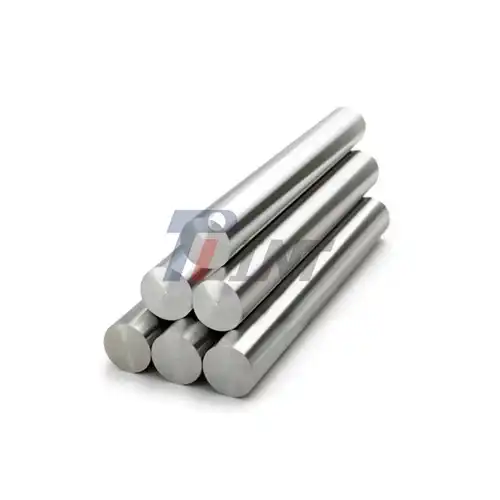
Medical Grade Titanium Materials - Indispensable to the Medical Industry


 2026-06-10 08:54:34
Medical-grade titanium materials have changed the way healthcare is done today. They are the main ingredient in many life-saving medical products and procedures. In order to recover movement and improve the quality of life for millions of patients around the world, surgeons rely on the titanium rod medical grade, which is a crucial component. With its unmatched biocompatibility, corrosion resistance, and mechanical strength, this special material is the best choice for orthopedic implants, spine fixation systems, and oral replacements. As the market for medical devices grows around the world, it's important for people who work in the field to know about the features, uses, and best ways to buy medical-grade titanium. This is because regulators want materials that are reliable, perform well, and meet strict requirements.
|
|
|
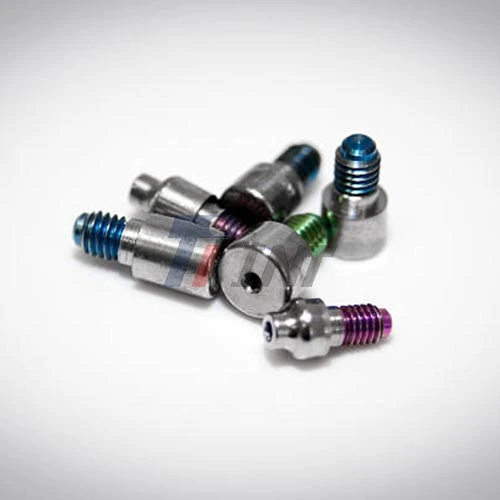
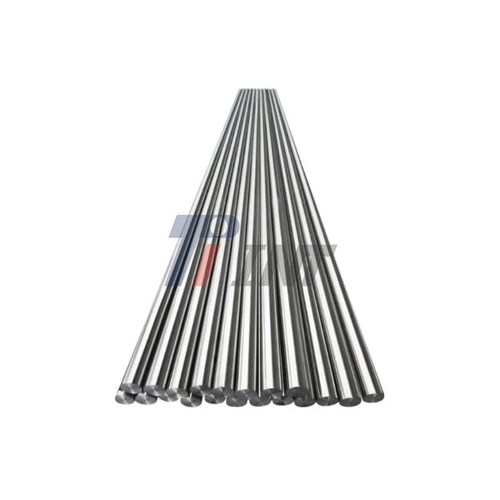
Understanding Medical Grade Titanium Rods: Properties and Applications
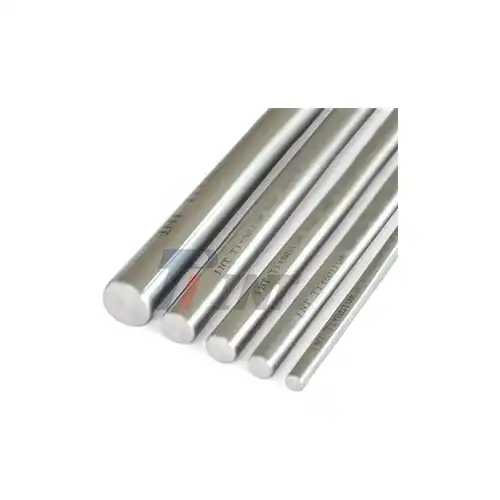
Titanium bars made for medical use are a complex type of biomaterial that was made to be implanted in humans. These rods are made from either commercially pure titanium or titanium alloys. In surgery settings, Ti-6Al-4V ELI (Extra Low Interstitial, also known as Grade 23) is the most common material used. The "ELI" name means that the material has less oxygen, nitrogen, and carbon in it. This makes it more flexible and less likely to break, which are important qualities for load-bearing implants that are put through repeated stress in the body.
Exceptional Biocompatibility and Osseointegration
Titanium rod medical goods are biocompatible because they can form a steady, passive oxide layer when they come into contact with body fluids. The thin film, which is mostly made up of titanium dioxide, stops the release of metals ions that could cause immune system reactions or tissue inflammation that aren't good. Titanium doesn't cause as many allergic reactions as stainless steel or some cobalt-chromium metals. It also blends in perfectly with nearby bone tissue through a process called osseointegration. Bone cells grow straight onto the titanium surface, making a lasting link that makes the device more stable. This biological bonding happens without the use of cement or adhesives.
Superior Mechanical Properties for Demanding Applications
Titanium bars have a great strength-to-weight ratio that solves a major problem in implant design: how to give enough mechanical support without adding too much mass. Grade 5 titanium has a tensile strength of 860 MPa and a yield strength of 795 MPa. This means that these materials can hold heavy loads while still being flexible. Titanium has an elasticity value of about 110 GPa, which is very close to that of human cortical bone. This makes it less likely for stress shielding to happen, which happens when implants that are too hard stop natural bone loading, which causes bone loss and implant loosening over time.
Diverse Clinical Applications Across Specialties
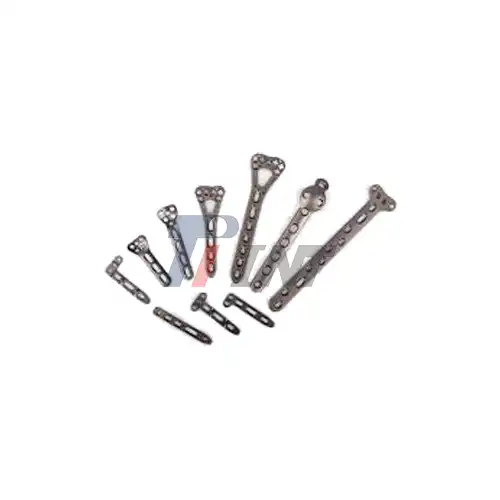
Medical titanium rods are the basic material that many surgery tools and implants are made of. In orthopedic trauma surgery, these rods are carefully cut into intramedullary nails that hold broken long bones in place while they heal. Shaped titanium rods joined to pedicle screws are used by spinal doctors to fix deformities and fuse the spine in conditions like scoliosis and degenerative disc disease. Smaller bars are used by dentists to make implant abutments and posts that replace tooth roots that have been lost. Medical-grade titanium is very useful for many things, including surgery tools. It doesn't rust and can be sterilized many times, which makes it perfect for devices that will be used again and again.
Titanium Rods vs Alternative Materials: Informed Decision-Making for Buyers
When choosing implant materials, procurement managers and R&D engineers have to make tough choices because each one has its own pros and cons. When you know about these trade-offs, you can make choices that combine clinical success, legal compliance, and cost. Knowing the value of a titanium rod medical solution helps in balancing these factors.
Stainless Steel: Cost Versus Performance
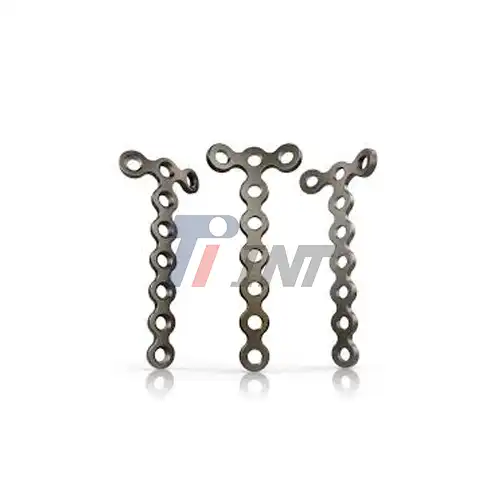
There is a long history of using stainless steel 316L as a main material for hip implants because it is cheap and strong enough. However, it can rust in body fluids that are high in chloride, which can cause pitting and rusting in the cracks. This could release nickel ions that can make allergic patients sick. Because stainless steel has a higher elastic stiffness (about 200 GPa), it shields stress more, which makes it less ideal for permanent implants. Stainless steel is fine for short-term fixing devices like bone plates that are taken off after healing, but it is not as biocompatible or osseointegration-friendly as titanium.
Cobalt-Chromium Alloys: Strength with Limitations
Cobalt-chromium metals are stronger and less likely to wear down than titanium. This makes them a good choice for the areas that move in joint replacements. Still, these materials have metallosis risks. Metallosis is the release of metal bits and ions that can hurt tissues locally and have effects on the whole body. Because cobalt-chromium doesn't osseointegrate, it needs to be fixed with cement in many cases, which makes repair treatments more difficult. Titanium rods work great in situations where they need to directly bond with bone and lower inflammation.
Ceramic and Carbon Fiber Composites: Niche Applications
Ceramics like zirconia are biocompatible and very hard, but they are also very fragile, which means they can't be used for load-bearing tasks. Radiolucency in carbon fiber composites is good for images after surgery, but worries about long-term decay and fiber release keep them from being widely used. Titanium is still the best material for most implant uses because it is tough, doesn't wear down easily, and has a long history of good clinical results.
Procurement Guide: How to Source Medical Grade Titanium Rods for Your Business?
To set up solid supply lines for medical-grade titanium materials, you have to pay close attention to supplier skills, quality assurance, and legal compliance. Purchasing managers have to deal with a lot of different needs while keeping budgets, wait times, and minimum order amounts in mind when sourcing a titanium rod medical supply.
Certification and Compliance Verification
International standards, such as ASTM F136 for Ti-6Al-4V ELI alloy and ASTM F67 for widely pure titanium grades, must be met by real medical-grade titanium rods. For each output lot, suppliers should give material certificates that show the chemical make-up, mechanical qualities, and history of heat treatment. ISO 13485:2016 certification shows that a company is dedicated to medical device quality management systems. FDA registration and CE marks show that the product is safe for use in medical settings. Before placing a large order, we suggest getting independent test results from recognized labs to confirm the tensile strength, corrosion resistance, and cleaning of the surface.
Customization Capabilities and Technical Support
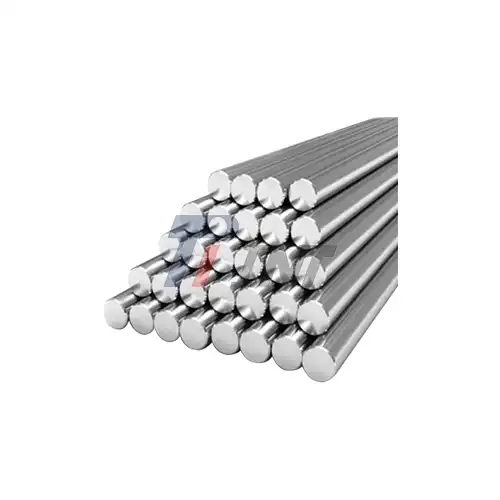
Medical device makers need customized rod specs more and more to meet the special needs of each design. Leading providers offer diameters from 3 mm to 100 mm and lengths that can be customized up to 6 meters. This means that they can be used for both standard implant designs and unique situations. Different surface finishes, such as polished, sandblasted, and machined, have different effects on how quickly the bone integrates and how the end part is made. In addition to giving raw materials, providers who offer value-added services like CNC machining, heat treatment, and surface modification make the production process run more smoothly. Premium sellers are different from basic vendors because they offer technical support throughout the entire product development process, such as help with choosing materials and failure analysis.
Evaluating Supplier Reliability and Experience
Long-term relationships with titanium suppliers who have a lot of knowledge help keep the supply chain running smoothly and prevent quality problems. We suggest that you judge possible partners based on their production capacity, quality control infrastructure, and length of time in the business. Suppliers with specific production lines for medical titanium show that they are experts in the field and are committed to it. References from well-known medical device makers can tell you a lot about how well a delivery system works, how quickly it fixes problems with quality, and how ready it is to cooperate with government reports. We at Baoji INT Medical Titanium Co., Ltd. have been in the titanium business for thirty years and have been focusing in medical-grade materials for more than twenty years. This makes us a reliable partner for tough projects.
Future Trends and Innovations in Medical Grade Titanium Materials
The medical titanium market is still moving very quickly, thanks to new technologies and shifting patient needs. Keeping up with new trends helps procurement pros predict changes in the market and find new ways to solve problems involving the titanium rod medical sector.
Additive Manufacturing Revolutionizes Implant Design
Three-dimensional printing has changed the way medical titanium is processed, making it possible to make shapes that are too complicated to be made with traditional machines. Selective laser melting and electron beam melting make structures with pores that look like natural bone structure. This improves osseointegration and lowers stress shielding. Using CT scans to build implants that are specific to each patient improves how well they fit and how well surgery goes, especially in complicated repair procedures. As equipment for additive manufacturing gets cheaper and the rules for using it become clearer, the rate of usage keeps going up in orthopedic and maxillofacial uses.
Advanced Alloy Development Enhances Performance
Metallurgists are working on making the next wave of titanium alloys that have the best qualities for certain medical uses. When it comes to bone, beta titanium alloys have smaller elastic moduli, which could mean that they don't protect against stress at all. Titanium-tantalum and titanium-niobium alloys are better at hiding radioactive material, which makes them better for imaging after surgery without affecting their biocompatibility. Changing the surface of things with hydroxyapatite covering, anodization, and calcium phosphate formation can help bones fuse together faster and heal faster. These new ideas are in response to changing operator tastes and patient demands for better implant performance.
Market Growth Driven by Changes in Population
More joint replacements and spine treatments are needed in developed countries because their populations are getting older. This has a direct effect on the amount of titanium used. The World Health Organization predicts that by 2050, there will be 2 billion people aged 60 and up around the world. This will mean that a lot more people will need knee procedures. At the same time, rising healthcare costs in emerging countries open up new business possibilities for companies that make medical devices. This steady growth pattern means that there will be a strong need for high-quality medical-grade titanium products for many years to come.
Case Studies: Successful Applications of Medical Grade Titanium Rods
Medical-grade titanium rods have real-world examples that show how they can help patients and help suppliers and gadget makers work together well. The following cases highlight the impact of a high-quality titanium rod medical component.
Spinal Fixation System Works Better than Others.
Our company worked with a major orthopedic implant maker to create a cutting edge spine fixation system using Ti-6Al-4V ELI rods with custom sizes and surface treatments. As part of the partnership, a lot of testing was done on the materials to find the best ones for fatigue resistance under cyclic loading conditions that simulated decades of spine movement. Clinical tests showed that the final implant system had success rates of over 95% for fusion with few problems. The bendable rods let doctors perfectly fit the patient's body, which cut down on surgery time and improved the accuracy of the alignment. This success came from working together closely throughout the development process. For example, our technology team helped with fast prototyping and gave advice on the materials.
With custom orthopedic implants, fewer surgeries need to be redone.
A company that makes trauma fixing devices had trouble with implants failing in high-load situations. Through a thorough failure analysis, we found that the material specs were not ideal and suggested switching to higher-grade titanium bars with better interstitial element control. Our ISO 13485:2016-certified supply chain and batch-specific material traceability helped the company meet legal requirements while also making the products more reliable. After the product went on sale, follow-up data showed that the number of revision surgeries went down by 40%. This proved that the material update worked and made our long-term relationship stronger.
New developments in dental implants make the market bigger.
An innovative dental implant business wanted to set its goods apart by making them more osseointegrated and better looking. We worked together to make titanium rods with smaller diameters and special surface treatments that helped the bone bond faster while keeping the rods' functional integrity. The new implant line made it possible for patients with limited bone volume to get implants instead of having to have bone grafts treatments. This greatly increased the number of people who could be helped. Our open minimum order amounts and quick lead times helped the business grow from a startup to a major player in the market.
Conclusion
Medical-grade titanium materials are very important to modern medicine because they are biocompatible, work well mechanically, and have good clinical results in many different settings. Medical implants, spine fixation systems, and oral prosthetics that restore function and make people's lives better every day are built on a titanium rod medical foundation. To do procurement right, you need to pay close attention to certification standards, the skills of suppliers, and new technology trends that will shape the future of the business. By working with seasoned manufacturers who consistently show high quality, adherence to regulations, and technical know-how, medical device businesses can make new goods that meet strict performance standards and stay competitive in global markets.
FAQ
Q1: What kinds of approvals should medical-grade titanium bars have?
A: Medical titanium suppliers that are legit must offer materials that meet ASTM F136 (for Ti-6Al-4V ELI) or ASTM F67 (for commercially pure titanium grades). They must also have ISO 13485:2016 approval that shows they have quality control systems for medical devices. The CE stamp and FDA approval further prove that products meet the rules for the European and American markets, respectively. Every shipment of a titanium rod medical product should come with a material certificate that lists the chemical makeup, mechanical qualities, and traceability for each production batch.
Q2: When it comes to solid implants, how does titanium stack up against stainless steel?
A: Titanium works much better than stainless steel for permanent implants because it doesn't rust, it doesn't hide stress as well because it has a lower elastic stiffness, and it fuses with the bone very well. Even though stainless steel is cheaper for temporary fixing devices, it is not as good for long-term implants because it corrodes more easily and nickel can cause allergic reactions. For uses that need stable biological integration, titanium's high price is justified by the fact that implants made of it have a track record of lasting decades.
Q3: What kinds of changes can be made to medical titanium rods?
A: Reliable providers let you make a lot of changes, like changing the width from 3mm to 100mm, the length from 1 meter to 6 meters, and the surface finish from polished to sandblasted to machined. As part of other processing services, materials may be precisely cut to specific lengths, heated to improve the microstructure, or have their surfaces changed by anodizing or painting them. For special uses, metal formulas and mechanical property requirements can be made just for you, but you usually have to commit to a minimum order and wait longer for delivery.
Partner with a Trusted Medical Titanium Rod Supplier
Baoji INT Medical Titanium Co., Ltd. is ready to help you create and make medical devices by providing a wide range of titanium material options based on more than 30 years of experience in the field. The factories that make high-purity titanium rod medical grade products are ISO 9001:2015, ISO 13485:2016, and CE-certified. They can make products in pure titanium, Ti-6Al-4V ELI, and custom alloy specs with sizes from 3mm to 100mm. In the medical device industry, we know how important it is to have consistent quality, follow all regulations, and deliver on time. That's why we do strict quality control throughout our production processes and give full paperwork on how materials can be tracked back to their original sources.
Our technical team works closely with buying managers, research and development engineers, and production managers to provide custom solutions that fit your implant designs. These solutions include precision cutting, surface treatments, and OEM services. Our flexible skills allow us to meet a wide range of buying needs, from small prototype amounts for initial development to large-scale production runs. Send an email to export@tiint.com to talk to our expert sales team about your medical-grade titanium needs, get material specs and certifications, or set up tests for samples. Find out how our dedication to quality and relationship with our customers can make your supply chain stronger and your product line better.
References
1. Niinomi, M. (2008). Mechanical biocompatibilities of titanium alloys for biomedical applications. Journal of the Mechanical Behavior of Biomedical Materials, 1(1), 30-42.
2. Geetha, M., Singh, A. K., Asokamani, R., & Gogia, A. K. (2009). Ti based biomaterials, the ultimate choice for orthopedic implants – A review. Progress in Materials Science, 54(3), 397-425.
3. Long, M., & Rack, H. J. (1998). Titanium alloys in total joint replacement—a materials science perspective. Biomaterials, 19(18), 1621-1639.
4. ASTM International. (2013). Standard Specification for Wrought Titanium-6Aluminum-4Vanadium ELI (Extra Low Interstitial) Alloy for Surgical Implant Applications (UNS R56401). ASTM F136-13, West Conshohocken, PA.
5. Chen, Q., & Thouas, G. A. (2015). Metallic implant biomaterials. Materials Science and Engineering: R: Reports, 87, 1-57.
6. Rack, H. J., & Qazi, J. I. (2006). Titanium alloys for biomedical applications. Materials Science and Engineering: C, 26(8), 1269-1277.
_1755062186746.jpg)
_1753427753918.webp)
_1749447504716.webp)