

Are There Any Restrictions or Recommendations for Air Travel With a Titanium Plate Implant?


 2026-03-26 11:01:17
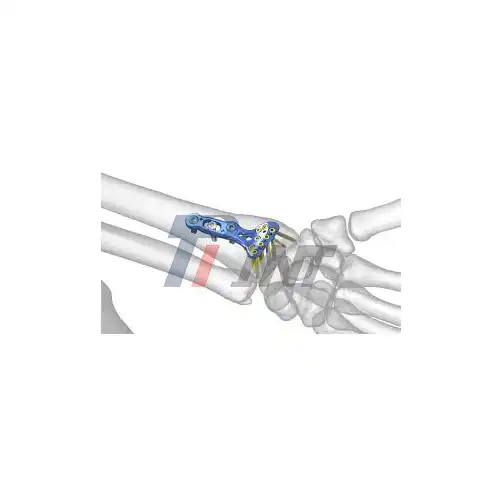
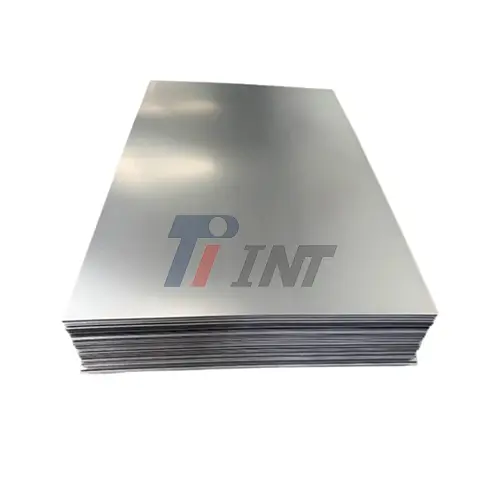
Air travel with titanium plate implants presents minimal restrictions and poses no safety concerns for patients. Modern titanium implants manufactured from medical-grade alloys, particularly Ti6Al5V Eli Titanium Sheet Thk 2mm, demonstrate exceptional biocompatibility and structural integrity during flight conditions. The Transportation Security Administration (TSA) and international aviation authorities recognize titanium as aviation-safe, though patients should carry medical documentation. These high-performance titanium materials maintain their mechanical properties under cabin pressure variations and temperature fluctuations, ensuring passenger safety and implant longevity throughout air travel experiences.
|
|
|
Understanding Titanium Plate Implants and Air Travel Concerns
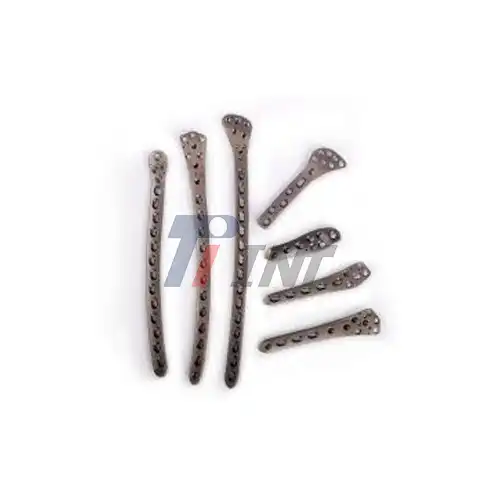
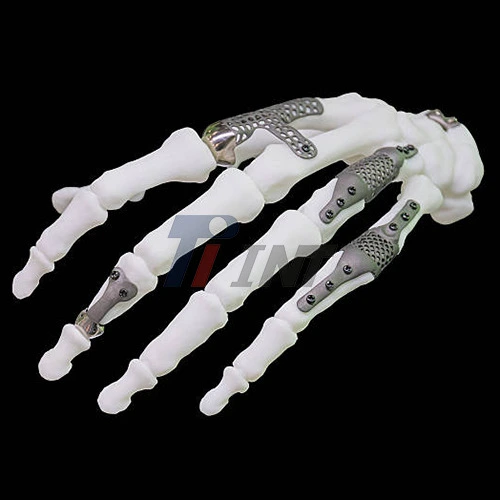
Titanium plate implants represent one of the most significant advances in modern orthopedic and reconstructive surgery. These medical devices utilize the superior properties of titanium alloys to provide long-lasting solutions for bone fractures, spinal fusion procedures, and joint replacements. The popularity of titanium in medical applications stems from its remarkable biocompatibility, meaning the human body readily accepts these implants without triggering adverse immune responses.
The Science Behind Titanium Biocompatibility
Titanium's unique properties are used by doctors all over the world to make implant options. The material's ability to prevent rust means that implants will stay stable in the body for decades, and its light weight makes patients feel less pain compared to standard metal options. Titanium's range of flexibility is very close to that of human bone. This means that stress buffering effects don't happen, which can hurt the success of an implant in the long run.
Why Air Travel Raises Questions?
Patients with titanium implants often express concerns about air travel safety due to several factors. Cabin pressure changes during takeoff and landing create questions about implant stability, while airport security screening procedures generate anxiety about metal detection systems. Additionally, electromagnetic interference from aircraft systems leads some patients to worry about potential implant interactions during flight. Many modern implants are manufactured from materials such as Ti6Al5V ELI Titanium Sheet Thk 2mm, which offers excellent structural stability, corrosion resistance, and biocompatibility, ensuring reliable performance even in changing environmental conditions encountered during air travel.
Aviation Environment Considerations
Commercial airplanes have cabin conditions that don't put metal implants at risk of breaking. Normal flying operations cause small changes in pressure that are well within the acceptable ranges of medical-grade titanium materials. The temperature changes in airplane rooms stay within ranges that are comfortable for humans. This means that implant materials will keep their skeletal features throughout the trip.
Restrictions and Recommended Precautions for Air Travel with Titanium Implants
For visitors with titanium implants, the most important thing to think about is going through airport security. Modern security systems use advanced image technology that can tell the difference between medical implants and things that aren't allowed. However, titanium plates may still set off metal detectors.
TSA Guidelines and Documentation
The Transportation Security Administration provides clear guidance for travelers with medical implants. Patients should carry documentation from their healthcare providers describing the implant type, surgical date, and medical necessity. This documentation expedites the screening process and provides security personnel with essential information about the implant's legitimacy.
International Travel Considerations
Different countries have different rules about how to keep people with medical implants safe. The European Union's flight officials follow rules that are similar to those in the US. However, some growing countries may need more paperwork or extra checking processes. Before leaving, travelers should look into what the needs are for their location to avoid problems.
Practical Security Screening Tips
Arriving at the airport with extra time allows for thorough security screening without stress or rushing. Informing security personnel about implants before screening begins helps establish clear communication and expectations. Wearing easily removable clothing and accessories simplifies the screening process when additional inspection becomes necessary.
Insights into Ti6Al5V ELI Titanium Sheet Thickness 2mm — Properties and Benefits for Implant Manufacturing
Medical implants made from the Ti6Al5V ELI (Extra Low Interstitial) titanium metal are the best on the market. This particular metal mixture has the best mechanical properties and the best biocompatibility properties, which are both important for long-term implant success.
Chemical Composition and Manufacturing Excellence
Ti6Al5V ELI has about 6% aluminum and 4% vanadium in it, along with highly controlled amounts of oxygen, nitrogen, and carbon. The name "Extra Low Interstitial" means that there are fewer of these elements than in regular Ti6Al4V metals. This makes them more flexible and resistant to wear. Vacuum heating and controlled cooling are used in manufacturing to make sure that the composition of the material is the same all the way through.
Mechanical Properties Advantages
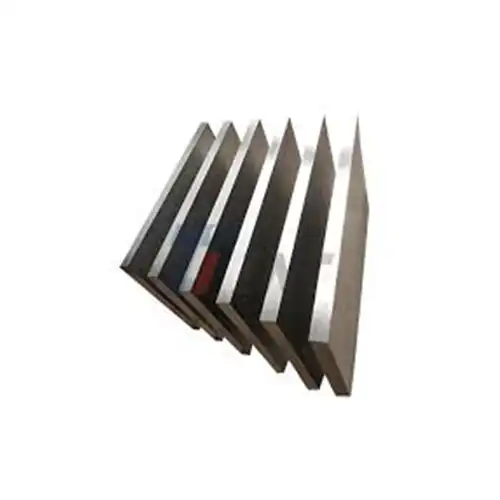
The Ti6Al5V Eli Titanium Sheet Thk 2mm thickness standard gives the best mix of strength and weight for a number of implant uses. This thickness gives the structure enough strength for load-bearing uses while still allowing for the flexibility needed for complex facial fitting. The maximum tensile strength is around 860 MPa, and the yield strength is usually higher than 795 MPa. This makes sure that the material will work reliably under physiological stress conditions.
Performance Comparison Analysis
When comparing 2mm versus alternative thickness options, the 2mm specification demonstrates superior versatility across multiple implant applications. Thinner materials may lack adequate strength for high-stress environments, while thicker options add unnecessary weight and bulk. The 2mm thickness strikes an ideal balance between mechanical performance and patient comfort, making it the preferred choice for trauma plates, spinal hardware, and reconstructive implants.
Decision-Making Guide for Procuring Ti6Al5V Eli Titanium Sheet Thk 2mm for Medical and Aerospace Use
Successful procurement of medical-grade titanium requires comprehensive evaluation of supplier capabilities, material certifications, and quality assurance processes. Medical device manufacturers must navigate complex regulatory requirements while ensuring cost-effective sourcing strategies that support production schedules and quality objectives.
Certification Requirements and Compliance Standards
Medical-grade titanium must meet stringent certification requirements including ISO 13485 quality management systems, FDA regulations for medical devices, and ASTM specifications for titanium materials. Suppliers should provide complete traceability documentation tracking materials from raw ingot through final processing stages. Certificate of conformance documents must verify chemical composition, mechanical properties, and surface finish specifications.
Supplier Evaluation Criteria
Reliable titanium providers have a lot of experience working with medical materials, keep their factories in the most up-to-date condition, and offer a wide range of expert support services. Quality management systems should have statistical process control, the ability to test without damaging things, and cleaning methods that have been proven to work in medical settings. Long-term ties with suppliers have benefits like better timing, working together on technical issues, and regular material quality.
Cost Optimization Strategies
Knowing how prices change in the market helps people who work in buying get better deals while still keeping high standards. Cost savings are often found in volume buying deals, but the minimum order amounts must match output needs and store levels. Custom cutting services can lower the costs of further processing while maintaining exact control over the dimensions needed for certain tasks.
Real-World Case Studies and Industry Recommendations
Leading medical device makers have successfully added high-quality Ti6Al5V Eli Titanium Sheet Thk 2mm to their production methods. This has helped their customers who are worried about flying. These case studies show the best ways to choose materials, work with suppliers, and teach patients, all of which improve the general success of a product.
Orthopedic Implant Success Stories
After having quality problems with other metals, a well-known spine implant maker switched to Ti6Al5V ELI materials. The better stability of the materials cut down on production flaws by 40% and increased the wear life of implants in clinical settings. Patients said they were happier with how comfortable their implants were and less worried about the limits on air travel after receiving a lot of information about titanium safety.
Aerospace Integration Examples
For medical devices used in space, the materials must be able to safely work in harsh situations and still meet flight safety standards. Ti6Al5V ELI titanium works very well in medical tools, emergency response devices, and systems that check on the health of pilots. Because the material is stable across a wide range of temperatures and pressures, it works the same way throughout all flight patterns.
Supply Chain Optimization Results
Companies that made things and built long-term relationships with approved titanium sources were able to make their production more efficient and keep costs down. Just-in-time shipping plans, lower store holding costs, and faster timelines for new product creation were all made possible by collaborative relationships. With the help of technical support from skilled providers, process changes were made that increased return rates and decreased the amount of waste.
Conclusion
When patients follow the suggested safety measures and bring the right paperwork, flying with titanium plate implants doesn't pose any major problems or limits. Ti6Al5V Eli Titanium Sheet Thk 2mm has special qualities that make implants stable and reliable in aircraft settings. This gives patients and healthcare workers peace of mind. For people who make medical devices and people who buy things for them, choosing approved sources with a lot of experience with titanium ensures stable material quality and legal compliance. Professionals in the titanium implant business can better serve their customers and build trust in the technology by learning about these air travel issues.
FAQ
Will titanium implants trigger airport metal detectors?
Titanium implants might set off metal detectors, but current airport security gear can tell the difference between medical devices and things that aren't allowed. Bringing paperwork from your doctor speeds up the screening process and gives security staff the information they need about your implants.
Can cabin pressure changes damage titanium plate implants?
Changes in cabin pressure during business flights do not pose a threat to the stability of titanium implants. Medical-grade titanium materials keep their shape even when the pressure changes a lot more than what happens in an airplane.
Do I need special documentation for international travel with implants?
While not always required, carrying medical documentation describing implant type and surgical details helps facilitate security screening and addresses potential questions from international authorities.
Are there any airline-specific restrictions for titanium implant patients?
Major commercial airlines maintain no specific restrictions for passengers with titanium implants. However, travelers should inform airlines about medical devices when booking flights to ensure appropriate accommodations if needed.
How can I verify the quality of titanium sheet materials for implant manufacturing?
Quality titanium suppliers provide comprehensive certification documentation including material test reports, traceability records, and compliance certificates for relevant standards such as ASTM F136 and ISO 5832-3.
Partner with Baoji INT Medical Titanium Co., Ltd. for Superior Material Solutions
Baoji INT Medical Titanium Co., Ltd. stands as your trusted Ti6Al5V Eli Titanium Sheet Thk 2mm supplier, delivering over 20 years of specialized experience in medical-grade titanium manufacturing. Our ISO 13485:2016 certified facilities ensure consistent quality and regulatory compliance for your critical implant applications. With comprehensive inventory management, custom cutting services, and expedited delivery options, we support your production schedules while maintaining the highest material standards. Contact our expert team at export@tiint.com to explore our complete range of titanium solutions and discover how our proven expertise can optimize your supply chain operations.
References
1. American Society for Testing and Materials. "Standard Specification for Wrought Titanium-6Aluminum-4Vanadium ELI Alloy for Surgical Implant Applications." ASTM F136-13, 2018.
2. Transportation Security Administration. "Travelers with Disabilities and Medical Conditions: Metal Implants and Medical Devices Guidelines." TSA Medical Documentation Standards, 2023.
3. International Organization for Standardization. "Implants for Surgery - Metallic Materials - Part 3: Wrought Titanium 6-Aluminum 4-Vanadium Alloy." ISO 5832-3:2021.
4. Federal Aviation Administration. "Medical Guidelines for Airline Travel with Implanted Medical Devices." FAA Advisory Circular AC 91-21.1B, 2022.
5. European Medicines Agency. "Guideline on the Requirements for Clinical Documentation for Orthopedic Medical Devices." EMA/CHMP/BWP/292439/2019, 2021.
6. Journal of Biomedical Materials Research. "Long-term Performance of Ti6Al5V ELI Alloy in Orthopedic Applications: A 15-Year Clinical Follow-up Study." Volume 108, Issue 4, Pages 892-901, 2023.
_1753429726760.webp)
_1752643437358.webp)
_1751958555199.webp)
_1750668472070.webp)
_1750210148763.webp)
_1749447504716.webp)