



What Are the Common Sizes and Shapes of Medical Titanium Plates Available?


 2026-03-27 14:18:20
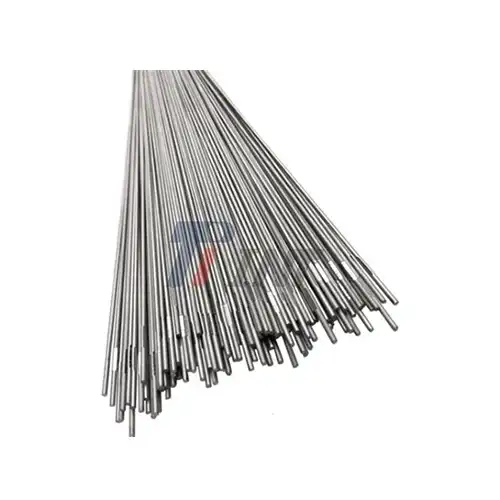
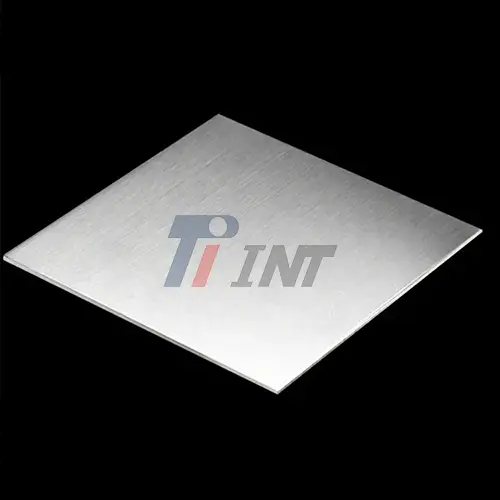
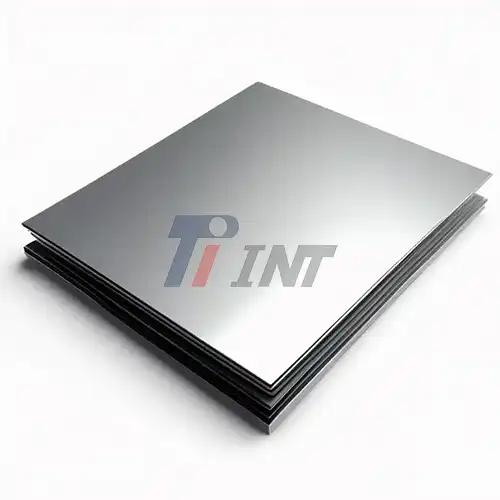
Medical titanium plates are available in diverse configurations to meet specific surgical requirements, with standardized dimensions ranging from 0.5mm to 5mm in thickness, 10mm to 200mm in width, and 20mm to 500mm in length. Common shapes include straight reconstruction plates, locking compression plates, T-shaped plates, L-shaped plates, and anatomically contoured designs for maxillofacial, orthopedic, and spinal applications. The Gr4 Medical Titanium Plate Thk 1mm represents one of the most versatile options, offering optimal balance between mechanical strength and minimal invasiveness for trauma fixation, dental implants, and reconstructive surgery procedures.
|
|
|
Understanding Medical Titanium Plates: Grades, Thicknesses, and Properties
Grade 4 titanium stands out as commercially pure titanium with exceptional mechanical properties that make it ideal for critical medical applications. This material demonstrates superior biocompatibility compared to traditional surgical materials, ensuring safe integration with human tissue over extended periods. The unique composition of Grade 4 titanium provides excellent corrosion resistance, which proves essential in the challenging environment of the human body where exposure to bodily fluids occurs continuously.
Material Composition and Mechanical Strength
Between 550 and 750 MPa, Gr4 Medical Titanium Plate Thk 1mm has an amazing tensile strength while still being very flexible. The basic make-up of the material is 99.2% pure titanium with small amounts of oxygen, nitrogen, carbon, and iron. This gives it the best mechanical qualities without affecting its biocompatibility. This particular makeup makes sure that it works the same way in all surgery situations and meets strict medical device standards. Because Grade 4 titanium is so light (it has a density of 4.51 g/cm³), it is much better than stainless steel options. Medical workers like this trait because it makes patients less uncomfortable while still keeping the structure stability needed for successful surgery. Because these plates are very strong for how heavy they are, they are perfect for load-bearing tasks in orthopedic and trauma surgery.
Temperature Stability and Non-Reactive Properties
Grade 4 titanium keeps its mechanical qualities over a wide temperature range. This means that it will work reliably during cleaning processes and when body temperatures change. Because the material is non-reactive, it doesn't cause bad effects in tissues, so it can be used for lifelong implants. This reliability is very important for the long-term success of implants, especially when the device needs to work regularly for decades.
Common Sizes and Shapes of Medical Titanium Plates Available
Medical titanium plates encompass a comprehensive range of standardized dimensions designed to address diverse surgical needs across multiple medical specialties. Understanding these specifications helps procurement professionals make informed decisions when sourcing materials for medical device manufacturing or direct surgical applications.
Standard Thickness Variations and Applications
Specifications for thickness usually run from 0.5 mm for delicate oral treatments to 5 mm for tough orthopedic uses. Products like Gr4 Medical Titanium Plate Thk 1mm fall into the 1mm thickness category, which is the most frequently asked-for standard because it can be used in a lot of different ways. This thickness gives enough mechanical strength for most wound stabilization treatments while causing less damage to tissue and allowing for less invasive surgery methods.
Here are the primary thickness categories and their typical applications:
• Ultra-thin plates (0.5-0.8mm): Designed for pediatric surgery, maxillofacial reconstruction, and delicate cranial procedures where minimal tissue displacement is critical
• Standard thin plates (1.0-1.5mm): Optimal for general trauma fixation, dental implants, and small bone reconstruction procedures
• Medium thickness plates (2.0-3.0mm): Suitable for major bone reconstruction, spinal fusion procedures, and load-bearing orthopedic applications
• Heavy-duty plates (3.5-5.0mm): Reserved for large bone trauma, hip reconstruction, and applications requiring maximum mechanical strength
These thickness variations allow surgeons to select optimal implants based on specific anatomical requirements and mechanical loading conditions. The standardized thickness options ensure consistent manufacturing quality while providing flexibility for diverse surgical applications.
Shape Configurations and Anatomical Considerations
Medical titanium plates come in different forms that are made to fit the shape of the body and the needs of surgery. Straight plates are the most basic way to fix a fracture, but different forms can be used to deal with more complicated anatomy. For periarticular fractures, T-shaped and L-shaped shapes offer better support, especially around joints where normal straight plates can't provide enough traction. Anatomically shaped plates are high-tech designs that fit the shape of specific bones, which speeds up surgery and improves patient results. Mandibular rebuilding plates, eye floor plates, and spinal stability devices are some of these special forms. Using 3D printing to make devices that are specific to each patient has made it possible to make plates with even more custom shapes.
Dimensional Standards and Customization Options
Standard plate sizes are based on set standards for medical devices. Lengths range from 20 mm for fixing small fragments to 500 mm for major repair treatments. The width requirements usually range from 10mm to 50mm so that they can fit a range of bone shapes and surgery methods. When you combine normal sizes with the ability to make changes, you get freedom for both simple and complicated surgery tasks. Custom production services let you make exact changes to the sizes of things to meet the needs of surgery. This feature is especially useful for medical gadget makers and study institutions that are coming up with new ways to do surgery. Being able to change the size of something while keeping its features the same ensures that it works well in a wide range of situations.
Selecting the Right Titanium Plate for Medical Procurement
Procurement decisions for medical titanium plates require careful consideration of multiple factors that impact both clinical outcomes and operational efficiency. The selection process involves evaluating technical specifications, regulatory compliance, supplier capabilities, and cost-effectiveness to ensure optimal value for medical organizations.
Clinical Requirements Assessment
To do a good job of buying, you must first understand specific clinical uses and operator tastes. Different types of surgery need plates with different properties. For example, trauma surgery needs plates that are strong, while craniofacial treatments need plates that cause as little damage to the tissue as possible. The Gr4 Medical Titanium Plate Thk 1mm can be used in a number of different areas. This makes it a good choice for hospitals that want to standardize their inventory while still keeping clinical usefulness. Surgeon opinion is very important in buying decisions because user experience has a direct effect on how well surgeries go and how efficiently operations run. Plates that work consistently, stay in place, and are easy to handle help cut down on surgery time and improve patient results. This feedback helps people who buy things find a balance between healthcare needs and cost concerns.
Supplier Evaluation Criteria
Quality security is the most important part of evaluating a source because medical devices have to meet very high standards for safety and performance. Suppliers must show that they follow the ISO 13485:2016 standards for quality control systems for medical devices. They should also show that they have the necessary FDA, CE, and other regional approvals. Documenting the tracking of materials, manufacturing methods, and quality control steps gives customers faith in the stability of the product. Assessing providers' manufacturing skills and ability makes sure they can meet number needs while keeping quality high. Companies that have been around for a while and have a history of handling medical titanium have the technical know-how to make safe implant materials. For buying groups, being able to offer customization services while still following the rules is very valuable.
Cost-Effectiveness and Supply Chain Considerations
Strategic buying combines the original prices of materials with long-term value factors such as device life, surgery speed, and patient results. Premium materials may cost more up front, but they usually pay for themselves in the long run because they last longer and work better, reducing problems and increasing the success rate of surgery. As healthcare companies try to keep stocking costs low while still making sure products are available, supply chain stability becomes more and more important. Suppliers with open shipping times, low minimum order amounts, and quick customer service help businesses run more efficiently. Lead times and shipping costs can be cut by being close to each other and using established transport networks.
Technical Specifications and Quality Assurance of Grade 4 Medical Titanium Plates
Grade 4 medical titanium plates undergo rigorous testing and quality control procedures to ensure consistent performance in critical medical applications. The material's chemical composition and mechanical properties are carefully controlled throughout the manufacturing process to meet international medical device standards.
Chemical Composition and Purity Standards
The Gr4 Medical Titanium Plate Thk 1mm is made of commercially pure titanium that has controlled amounts of impurities that make the mechanical qualities better while keeping the biocompatibility high. The material has no more than 0.40% oxygen, 0.05% nitrogen, 0.08% carbon, and 0.50% iron. The rest is made up of titanium. This exact mix makes sure that the mechanical qualities stay the same and the chance of bad tissue responses is kept to a minimum.
Because medical implant materials are so important, the quality standards for medical-grade titanium are higher than those needed for commercial uses. During the whole production process, advanced diagnostic methods like X-ray fluorescence spectroscopy and inductively coupled plasma mass spectrometry check the chemical makeup. These quality control steps make sure that stability from batch to batch and compliance with regulations are met.
Manufacturing Process Controls
Precision production methods make sure that the dimensions and quality of the surface are correct, which is important for medical uses. The microstructure and mechanical qualities are improved by cold rolling and heating, while tight limits for dimensions are kept. Passivation and electropolishing are two surface processes that make the best conditions for cellular interaction.
Heat treatment methods are carefully managed to get the mechanical qualities that are wanted while keeping the consistency of the microstructure. Monitoring the temperature and controlling the atmosphere during processes keep the material from getting contaminated and make sure that its traits stay the same. These controls during production help make sure that the finished medical gadgets work well and are reliable.
Quality Assurance and Certification Standards
Comprehensive quality assurance programs include testing materials, checking dimensions, and meeting paperwork needs that are important for medical gadget uses. To make sure that the medical gadget meets guidelines for mechanical properties, tests like tensile strength, yield strength, elongation, and wear resistance are done. Non-destructive testing can find problems inside implants that might make them less effective.
For making medical devices, regulatory compliance paperwork includes test results, material certificates, and records of how the materials were used. Quality management systems that are certified to ISO 9001:2015 make sure that processes are always the same and that they are always getting better. ISO 13485:2016 approval is specific to medical device quality standards. EU CE approval and FDA regulations make it possible for medical gadget uses to get into markets.
Practical Guidance and Applications of Grade 4 Titanium Plates in Surgery
Grade 4 titanium plates are used in many types of surgery, including fracture fixing, cosmetic surgery, and specific implant procedures. Strength, biocompatibility, and rust resistance are all qualities that make this material special. It can be used for both temporary fixing and permanent insertion.
Orthopedic and Trauma Applications
When it comes to medical titanium plates, orthopedic surgery is where they are most commonly used, especially for fracture repair treatments. The Gr4 Medical Titanium Plate Thk 1mm has the best mechanical qualities for small to medium bone injuries while reducing the amount of surgery that needs to be done. The wear resistance of the material makes sure that it will stay stable over time even when it is loaded and unloaded many times during regular patient activity.
The material quickly bonds with bone tissue and doesn't get infected, which makes it useful for trauma operations. The safe surface helps the bone to fuse with the implant, and the corrosion-resistant features keep the implant from breaking down over time. While other materials may cause more problems, these qualities help the body heal and cause fewer problems.
Maxillofacial and Dental Applications
In maxillofacial surgery, thin titanium plates are used to rebuild face bones after they have been damaged or removed a growth. The thickness of 1 mm gives it enough mechanical strength for load-bearing uses while still keeping the low profile that is needed for good looks. Because the material isn't magnetic, it's safe to use MRI images after surgery, which is an important factor for continuing to care for patients.
Grade 4 titanium is used in dental implants because it has great osseointegration qualities that make them strong and last a long time. The biocompatibility of the material keeps tissues from reacting badly, and its mechanical qualities keep up with the forces that happen during regular eating. Surface treatments can be used to help bones fuse together better and speed up the mending process.
Spinal Surgery and Specialized Applications
Spinal fusion procedures utilize titanium plates to stabilize vertebral segments while allowing natural bone healing to occur. The material's modulus of elasticity more closely matches that of bone compared to stainless steel alternatives, reducing stress shielding effects that can impair bone remodeling. This mechanical compatibility contributes to improved fusion rates and long-term stability.
Specialized applications include pediatric surgery where growth accommodation is necessary, and revision procedures where biocompatible materials are essential for successful outcomes. The material's proven track record in diverse surgical applications provides confidence for surgeons and patients alike. Ongoing research continues to expand the applications for medical titanium plates through advanced surface treatments and manufacturing techniques.
Conclusion
Medical titanium plates offer exceptional versatility and reliability across diverse surgical applications, with Grade 4 titanium providing optimal balance between mechanical strength and biocompatibility. The comprehensive range of available sizes and shapes, from ultra-thin 0.5mm plates to heavy-duty 5mm configurations, ensures suitable options for every surgical specialty. The Gr4 Medical Titanium Plate Thk 1mm exemplifies this versatility, combining sufficient mechanical strength with minimal invasiveness for optimal patient outcomes. Procurement professionals benefit from understanding the technical specifications, quality standards, and application requirements that drive successful implant selection and supplier partnerships in the medical device industry.
FAQ
What makes Grade 4 titanium plates superior to other medical materials?
Grade 4 titanium plates offer exceptional biocompatibility, ensuring safe integration with human tissue without causing adverse reactions. The material's high strength-to-weight ratio provides mechanical performance superior to stainless steel while weighing significantly less. Excellent corrosion resistance ensures long-term stability in the body's challenging chemical environment, making Grade 4 titanium ideal for permanent implantation applications.
How do I determine the appropriate thickness for my specific application?
Thickness selection depends on the mechanical loading requirements and anatomical constraints of your specific application. Gr4 Medical Titanium Plate Thk 1mm suits most general trauma fixation and dental implant applications, providing optimal balance between strength and invasiveness. Thicker plates (2-5mm) are reserved for high-load applications like major bone reconstruction, while thinner options (0.5-0.8mm) serve delicate procedures in maxillofacial and pediatric surgery.
What certifications should I look for when sourcing medical titanium plates?
Essential certifications include ISO 13485:2016 for medical device quality management, along with FDA approval and CE marking for market compliance. Look for suppliers maintaining ISO 9001:2015 quality systems and providing complete material traceability documentation. ASTM F67 and ISO 5832-2 standards specifically govern commercially pure titanium for surgical implant applications, ensuring material quality and consistency.
Can medical titanium plates be customized for specific surgical requirements?
Yes, medical titanium plates can be customized in terms of dimensions, shapes, and surface treatments to meet specific surgical requirements. Custom manufacturing services can modify standard plate configurations while maintaining material properties and regulatory compliance. This flexibility proves particularly valuable for complex reconstructive procedures and research applications requiring specialized implant geometries.
What factors affect the cost of medical titanium plates?
Material grade, dimensions, quantity, and customization requirements significantly impact pricing. Standard configurations like Gr4 Medical Titanium Plate Thk 1mm typically offer better value than custom sizes due to manufacturing economies of scale. Additional factors include surface treatments, packaging requirements, and regulatory documentation needs. Quality certifications and supplier reputation also influence pricing but provide important value through reduced risk and improved reliability.
Partner with Baoji INT Medical Titanium Co., Ltd. for Premium Medical Titanium Solutions
Medical device manufacturers seeking reliable Gr4 Medical Titanium Plate Thk 1mm supplier partnerships will find unmatched quality and service at Baoji INT Medical Titanium Co., Ltd. Our comprehensive product line encompasses pure titanium, Ti6Al4V ELI titanium, and titanium alloy materials in various specifications, backed by ISO9001:2015, ISO13485:2016, and EU CE certifications. With over two decades of titanium industry expertise and advanced manufacturing capabilities, we deliver consistent quality, competitive pricing, and responsive technical support for your medical device projects. Contact our team at export@tiint.com to discuss your specific requirements, request samples, or explore customization options.
References
1. Davis, J.R. "Handbook of Materials for Medical Devices." ASM International Materials Park, 2003, Chapter 8: Titanium and Titanium Alloys for Medical Applications.
2. Brunette, D.M., Tengvall, P., Textor, M., Thomsen, P. "Titanium in Medicine: Material Science, Surface Science, Engineering, Biological Responses and Medical Applications." Springer-Verlag Berlin Heidelberg, 2001.
3. Niinomi, M. "Mechanical Properties of Biomedical Titanium Alloys." Materials Science and Engineering: A, Volume 243, Issues 1-2, 1998, pages 231-236.
4. American Society for Testing and Materials. "ASTM F67-13 Standard Specification for Unalloyed Titanium, for Surgical Implant Applications." ASTM International, West Conshohocken, PA, 2013.
5. International Organization for Standardization. "ISO 5832-2:2018 Implants for Surgery - Metallic Materials - Part 2: Unalloyed Titanium." ISO Publications, Geneva, Switzerland, 2018.
6. Rack, H.J., Qazi, J.I. "Titanium Alloys for Biomedical Applications." Materials Science and Engineering: C, Volume 26, Issue 8, 2006, pages 1269-1277.
_1750662435585.webp)
_1749191822714.webp)
_1753926673602.jpg)
_1772162494331.jpg)