



How to choose the right titanium tube for medical devices


 2026-03-26 11:00:49
Selecting the appropriate titanium tubing for medical device manufacturing demands careful consideration of material specifications, regulatory compliance, and performance characteristics. Gr 2 Titanium Tube stands as the industry standard for medical applications due to its exceptional biocompatibility, corrosion resistance, and mechanical properties. This commercially pure titanium grade offers optimal balance between strength and formability, making it ideal for surgical instruments, implants, and catheter systems. Understanding the selection criteria ensures procurement professionals source materials that meet stringent medical device requirements while maintaining cost-effectiveness and supply chain reliability.
|
|
|

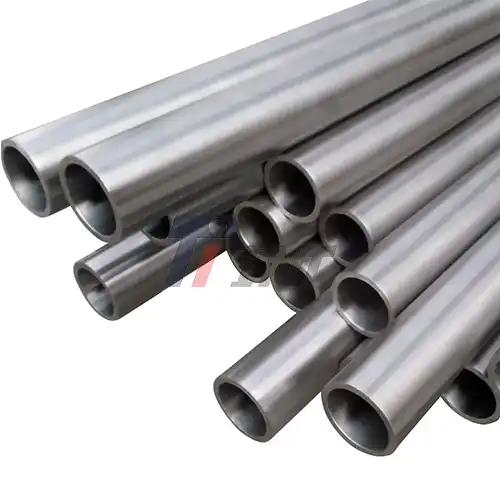
Understanding Grade 2 Titanium Tubes for Medical Devices
Grade 2 titanium represents the most widely utilized commercially pure titanium in medical device manufacturing. This material grade contains minimal alloying elements, typically consisting of 99.2% pure titanium with trace amounts of oxygen, nitrogen, carbon, hydrogen, and iron. The chemical composition provides exceptional biocompatibility, ensuring safe interaction with human tissues and body fluids over extended periods.
Chemical Composition and Mechanical Properties
Because its chemicals are carefully controlled, Gr 2 Titanium Tube works better than other tubes. Oxygen percentage is usually between 0.18 and 0.25%, which makes the material stronger while keeping its flexibility. As long as the carbon content stays below 0.08% and the iron content stays below 0.30%, the rust protection in living settings is at its best. The tensile strength is between 345 and 483 MPa (50 and 70 ksi), and the yield strength is between 275 and 410 MPa (40 and 60 ksi). The material has great wear resistance, which is important for devices like hip implants and surgery tools that are loaded and unloaded many times. The Young's modulus of about 103 GPa is very close to the mass of bone, which makes stress buffering effects less important in implant uses.
Manufacturing Processes and Quality Control
There are several precise steps needed to make medical-grade titanium tubes. Using vacuum arc remelting makes sure that the microstructure is uniform and gets rid of any flaws that might make the material less biocompatible. For medical uses, cold pilgering or rotating drilling makes tubes that are smooth and have very tight limits on their dimensions, usually within ±0.05mm. The best mechanical qualities are achieved through heat treatment methods that keep rust resistance. At controlled temperatures, stress relief annealing gets rid of any leftover stresses from the making process. This keeps the dimensions stable during cleaning rounds. Some ways to finish the surface of something are mechanical polishing, electropolishing, or passivation processes, which make it less likely to rust and make cleaning easier.
Core Criteria for Selecting Titanium Tubes for Medical Devices
Successful material selection requires comprehensive evaluation of performance requirements, regulatory compliance, and manufacturing considerations. Medical device applications demand materials that withstand aggressive sterilization environments, maintain mechanical integrity under physiological conditions, and demonstrate long-term biocompatibility.
Biocompatibility and Safety Requirements
According to ISO 10993 guidelines, biocompatibility testing checks for harm, sensitivity, and discomfort potential. Gr 2 Titanium Tube is very compatible with flesh because it forms a solid oxide layer that stops ions from escaping. The passive titanium dioxide layer on the surface protects against rusting and helps the implant integrate with the bone. Another important thing to think about is how well the sterilization works with other things. Using steam autoclaving, gamma radiation, or ethylene oxide exposure, medical equipment are sterilized over and over again. During these processes, grade 2 titanium keeps its mechanical qualities and structural stability. This makes sure that the device will work reliably after many cleaning rounds.
Mechanical Performance Evaluation
The choice of material is based on the technical needs of the device. Surgical tools need to be strong for their weight, not easily worn down, and able to stay sharp even after being used over and over again. Long-term mechanical stability, wear resistance, and harmony with surrounding tissues in terms of elastic stiffness are important for implant uses. When dynamic loading is used, fatigue performance is very important. When compared to stainless steel, grade 2 titanium has better failure strength, with limits that are close to 50% of its maximum tensile strength. This feature is very important for hip implants, heart devices, and surgery tools that are loaded and unloaded many times.
Regulatory Compliance and Certification Requirements
Multiple sets of rules must be followed by medical device materials, such as FDA guidelines, ISO standards, and ASTM specs. Grade 2 titanium meets the requirements of ASTM F67 for medical implants and ASTM B338 for smooth tubes. These rules set limits on chemical makeup, mechanical property needs, and testing procedures to make sure quality is always the same. As part of the documentation needs, material certificates, records of how the goods can be tracked, and checks for compliance all along the supply chain. For medical device quality management systems to stay valid, suppliers must keep their ISO 13485 approval. This makes sure that the manufacturing methods and quality control techniques are always the same.
Comparing Grade 2 Titanium Tubes with Other Materials and Grades
Material selection decisions benefit from comprehensive comparison analysis evaluating performance characteristics, cost considerations, and application suitability. Understanding differences between titanium grades and alternative materials enables informed procurement decisions aligned with specific device requirements.
Grade 2 vs. Grade 5 Titanium Comparison
Grade 5 titanium (Ti-6Al-4V) is stronger than widely pure grades, but it is not as compatible with living things. While Grade 5 has better mechanical strength (its tensile strength is over 895 MPa), the aluminum and vanadium alloying elements may make it less biocompatible for some uses. Since the Gr 2 Titanium Tube is better at resisting rust and working with tissues, it is the best choice for uses that need to make close touch with tissues. The commercially pure makeup gets rid of worries about the release of aluminum ions, which has been linked to brain effects in some studies. Because it is easier to work with and more common, Grade 2 usually has lower manufacturing costs.
Titanium vs. Stainless Steel Performance
Stainless steel is the standard material for many medical uses because it is less expensive to start with and there are already established supply lines for it. But titanium has big benefits in terms of not corroding, being biocompatible, and being lighter. In salt settings that are typical of living things, Grade 2 titanium is more resistant to pitting and fissure rust. It's important to think about weight when using portable medical gadgets or implants. Titanium's density of 4.5 g/cm³, compared to 8.0 g/cm³ for stainless steel, makes it possible to make devices that are lighter without sacrificing strength. Titanium is better at working with bone tissue because it has a lower elastic stiffness. This means that stress concentration effects are lessened.
Material Grade Selection Guidelines
Choosing the best grade within the titanium family depends on the needs of the application. Grades 1, 2, 3, and 4 that are commercially pure give higher amounts of power while still being biocompatible. The best mix for most medical uses is Grade 2, which has enough strength while also being easy to shape and resistant to rust. For stronger uses, Grade 5 titanium metal might be needed, especially for prosthetic gear that is put under a lot of stress. The extra low interstitial (ELI) version of Grade 5, on the other hand, is usually chosen for implant uses to improve biocompatibility while keeping strength benefits.
Procurement Considerations for Grade 2 Titanium Tubes
Strategic procurement planning ensures reliable supply of quality materials while optimizing costs and delivery schedules. Medical device manufacturing requires suppliers capable of meeting stringent quality requirements, maintaining consistent delivery performance, and providing comprehensive documentation and traceability.
Supplier Qualification and Certification
Providers must meet quality standards for medical tools and show that they are approved by ISO 13485 and, if needed, registered with the FDA. Statistical process control should be used in manufacturing companies, and they should be able to keep track of all their materials from where the raw materials come from to where the finished product is given. You should check out a supplier's quality control methods, their ability to make things, and the tools they offer to help experts. The supply chain is less risky when you have long-term ties with accepted providers. You can also work together to make custom solutions for specific uses.
Pricing Dynamics and Lead Time Management
The price of Gr 2 Titanium Tube depends on the cost of raw materials, how hard it is to make, and how the market's demand changes. Most of the time, volume agreements allow for better pricing structures. On the other hand, custom specs may require higher prices because they have unique handling needs. Standard requirements usually have lead times between 8 and 16 weeks. Custom orders need more time to be made. Some ways to improve the supply chain are to keep smart inventory levels, make blanket buy deals, and build ties with more than one provider. In uncertain market conditions, these strategies help keep costs low while reducing the impact of supply outages.
Customization and Technical Support Services
Customized tube specs, such as specific sizes, surface finishes, or mechanical qualities, are often needed for medical devices. Suppliers who are good at what they do help engineers choose materials, make designs better, and come up with new ways to make things. By working together on technology, gadget makers can improve performance while cutting down on development costs and time to market. Sample review tools let you test materials thoroughly before committing to large amounts for production. Material approval, measurement proof, and performance tests designed specifically for the purpose should all be part of these programs to make sure they are right for the job.
Real-World Case Studies and Best Practices in Medical Device Manufacturing
Practical implementation examples demonstrate successful Gr 2 Titanium Tube applications across various medical device categories. These case studies highlight material selection rationale, manufacturing considerations, and performance outcomes that guide future procurement decisions.
Orthopedic Implant Applications
A well-known orthopedic maker successfully used Grade 2 titanium tubes for modular implant system parts, which led to better osseointegration than stainless steel options. The choice of material took into account the patient's worries about metal sensitivity while still giving enough mechanical strength for load-bearing uses. As part of improving the manufacturing process, new welding techniques were created for joining tubes without any gaps. This made sure that the implant's structure had the same dynamic properties all the way through. Post-processing methods, such as surface texture, improved the way bone grows around implants, making them more stable over time and better patient results.
Surgical Instrument Manufacturing
When making precise medical instruments, you need materials that stay sharp, don't rust, and can handle being sterilized many times. For laparoscopic devices, a major tool maker switched from stainless steel to Grade 2 titanium. This made the devices much lighter and better able to fight rust in harsh cleaning solutions. For the execution, the heat treatment processes had to be tweaked to get the right amount of hardness while still allowing for flexibility for complicated shaping operations. Surface finishing methods were created to meet the need for mirror-like finishes in surgery settings while still meeting the standards for measurement accuracy.
Catheter and Guidewire Systems
Manufacturers of cardiovascular devices use thin-walled titanium tubes to make guidewires because it is better at blocking radiation and resisting kinks than stainless steel options. The choice of material made it possible for devices with smaller profiles to keep the mechanical qualities needed for moving through the body's complex structures. One of the problems in manufacturing was coming up with precise drawing methods that could achieve very thin wall thicknesses while still meeting standards for size. Non-destructive testing methods were used in quality control processes to make sure the stability of the tubes throughout the manufacturing process.
Conclusion
Selecting the optimal titanium tubing for medical device applications requires comprehensive evaluation of material properties, regulatory requirements, and manufacturing considerations. Grade 2 titanium tubes provide exceptional biocompatibility, corrosion resistance, and mechanical performance for diverse medical applications. Successful procurement strategies emphasize supplier qualification, quality assurance, and technical support capabilities. The material's proven track record in surgical instruments, implants, and catheter systems demonstrates its versatility and reliability in demanding medical environments. Investment in quality Grade 2 titanium tubing ensures device performance, regulatory compliance, and long-term commercial success in the competitive medical device market.
FAQ
Is Grade 2 titanium suitable for permanent implant applications?
Yes, Gr 2 Titanium Tube is widely approved for permanent implant applications due to its excellent biocompatibility and corrosion resistance. The material conforms to ASTM F67 standards for surgical implants and demonstrates long-term stability in physiological environments.
How does Grade 2 titanium compare to stainless steel for sterilization resistance?
Grade 2 titanium exhibits superior corrosion resistance during repeated sterilization cycles compared to stainless steel. The stable oxide layer prevents degradation from steam autoclaving, gamma radiation, and chemical sterilization processes commonly used in medical facilities.
What certifications are required for medical-grade titanium tubes?
Medical-grade titanium tubes require compliance with ASTM F67 or ASTM B338 standards, along with ISO 13485 quality management certification from the supplier. Additional certifications may include FDA registration and CE marking depending on specific device applications and target markets.
Can Grade 2 titanium tubes be welded for medical device assembly?
Yes, Grade 2 titanium demonstrates excellent weldability using appropriate techniques such as TIG welding in inert atmosphere conditions. Proper welding procedures maintain material properties and corrosion resistance while ensuring reliable joint integrity for medical device applications.
Partner with Baoji INT Medical Titanium Co., Ltd. for Superior Medical-Grade Tubing Solutions
Baoji INT Medical Titanium Co., Ltd. stands as your trusted Gr 2 Titanium Tube manufacturer with over 30 years of titanium industry expertise and comprehensive ISO 13485 certification. Our state-of-the-art manufacturing facilities produce medical-grade titanium tubes meeting the highest international standards for surgical instruments, implants, and medical devices. We provide complete material traceability, technical support, and customization services tailored to your specific requirements. Contact our expert team at export@tiint.com to discuss your titanium tubing needs and request product samples for evaluation. Let our proven experience and quality commitment accelerate your medical device development while ensuring regulatory compliance and superior performance outcomes.
References
1. American Society for Testing and Materials. "Standard Specification for Unalloyed Titanium for Surgical Implant Applications (UNS R50250)." ASTM F67-13, 2018.
2. International Organization for Standardization. "Biological Evaluation of Medical Devices - Part 1: Evaluation and Testing Within a Risk Management Process." ISO 10993-1:2018.
3. Boyer, Rodney R. "An Overview on the Use of Titanium in the Aerospace Industry." Materials Science and Engineering: A, vol. 213, no. 1-2, 1996, pp. 103-114.
4. Niinomi, Mitsuo. "Mechanical Properties of Biomedical Titanium Alloys." Materials Science and Engineering: A, vol. 243, no. 1-2, 1998, pp. 231-236.
5. Rack, Henry J., and John J. Qazi. "Titanium Alloys for Biomedical Applications." Materials Science and Engineering: C, vol. 26, no. 8, 2006, pp. 1269-1277.
6. Williams, David F. "Titanium: Epitome of Biocompatibility or Cause for Concern." Journal of Bone and Joint Surgery, vol. 76, no. 3, 1994, pp. 348-349.
_1750663525879.webp)
_1750662961697.webp)
_1750209732185.webp)