




Are Titanium Bar Dental Implants Safe for Long-Term Oral Health Care?


 2026-11-26 09:47:24
Titanium bar dental implants can be used for long-term oral health care if the situation is clinically appropriate and the work is done well. For a long time, medical-grade titanium has been used in implant dentistry because it doesn't rust and is safe for the body. The metal still doesn't know what to do. Bar fit, bite balance, daily hygiene, and going to the dentist for checkups are all important parts of getting implants. I talk about how these systems work, the risks you should be aware of, and how titanium bar stock can be checked by manufacturers before it is machined.
|
|
|
How Titanium Bar Overdentures Work
The Parts of a Bar-Supported Overdenture
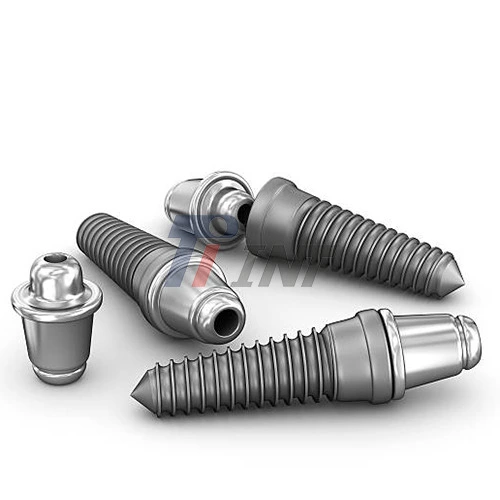
There are four main parts to a titanium bar overdenture. It is possible to put false teeth in the jawbone. Add-ons or parts that have more than one unit can connect to them. It is held together by a bar that was carefully milled. Retention clips or housings inside the removable denture snap into place on that bar. The bar links the implants together so they work as a splinted group instead of separate posts. To clean their denture, they can still take it out, which makes it easier to reach the tissue below. Since these bars are made from medical-grade titanium, each one is affected by the quality of the last one.
How the Bar Spreads Chewing Forces
The force goes from the false teeth to the bar and then to the implants when someone chews. A rigid bar spreads the weight over the arch so it doesn't fall on just one implant. This effect can keep weaker spots from getting too stressed if the design is good. Fit and length of the cantilever are the two most important things. Passive fit means that the bar doesn't pull on any of the implants. A bar pulling on an implant can damage the bone around it or loosen screws. Clinicians and technicians make sure they don't go over the limits that were set because longer cantilevers add to the force.
Why Implant Numbers Vary
There isn't a single answer that works for all mouths when people ask how many implants a bar needs. The plan is made up of the treatment goals, the angle of the implant, the loading method, and the jaw's shape. The 2002 McGill consensus statement said that the two-implant mandibular overdenture was the best way to treat lower jaws that don't have any teeth. Most types of bars have more than one implant. They decide how many implants to use after taking pictures and doing a full exam. I'm not sure about any fixed implant count that is promised.
Safety and Long-Term Benefits of Medical-Grade Titanium
Biocompatibility and Corrosion Resistance
TiO2 forms a thin film on top of titanium very quickly when it comes into contact with air. It doesn't rust in the mouth because it's always wet and changing. Titanium is also bioinert, which means that bone and soft tissue don't react to it much and aren't likely to reject it. Titanium allergies don't happen very often. The study was published in 2008 by Clinical Oral Implants Research and looked at it with 1,500 implant patients over a bit of time. Too much metal, plaque, or an infection should be looked for by the dentist before the metal is blamed if the swelling doesn't go away.
Strength, Weight, and Fatigue Resistance
It's important for a prosthesis to be able to handle being loaded and unloaded many times when you chew. Ti-6Al-4V ELI, which is also called Grade 23, is a special kind of Grade 5 that has very few interstitials. This makes it perfect for very strict medical settings. ASTM F136 sets the minimum rules for how this alloy should behave mechanically.
A tensile strength of 860 MPa and a yield strength of 795 MPa are some of these properties. It weighs 4.43 g/cm³, which means it keeps a prosthesis lighter than cobalt-chromium would. With 114 GPa, it's not as high as stainless steel or cobalt-chromium alloys when it comes to what it can do. This metal is strong and light, so it can be used for surgical tools, dental implants, and orthopedic implants.
Benefits for Patients and Laboratories
An overdenture with titanium bar dental implants holds better than a detachable denture. This is particularly true for thin or worn ridges. The removable design lets people clean the bar and tissue underneath it. In lab CAD/CAM milling, you may reuse digital processes and design files. This simplifies copying and replacing sections. Uniform bar stock supports repeatability since it processes predictably. Medical device quality suppliers with ISO 13485 certification add a documented procedure.
Risks, Procedure, and Healing Timeline
Common Biological and Mechanical Complications
Each type of implant comes with some risks. There are biological issues like peri-implant mucositis, peri-implantitis, bone loss, and failed osseointegration. Peri-implantitis is inflammation that causes bone loss that gets worse over time, while mucositis is inflammation that goes away on its own. This was agreed upon at the 2017 World Workshop event, which happened in 2018.
Some of the mechanics issues that happen are screws coming loose, clips wearing out, bars breaking, denture bases breaking, and retention fading. For long spans and a passive fit that doesn't work right, screws and implants are put under a lot of stress. Bulky bar shapes get gunk on them and make it harder to clean. These risks are lower when the scans are correct, the milling is managed, the material thickness is right, and the occlusion is even.
Warning Signs Patients Should Report
When you report a problem early, it stays small. People should see their dentist if their gums bleed, swell, hurt for a long time, taste bad, implants move, screws come loose often, cracks appear, or their dentures stop fitting right all of a sudden. All of these could be signs of an infection, too much work, or a part that is worn out. A dentist can change the bite, tighten or replace parts, and look at the tissue around the implant. You may need to fix a bar or deal with bone loss after a clip replacement if you wait too long. You shouldn't wait to get help when you're feeling bad.
Procedure and Healing Timeline
The first step in treatment for titanium bar dental implants is a medical and dental exam. Next comes imaging, planning where to put the implants, analyzing the bite, and seeing how much space there is for the restoration. Implants can be put in with either open surgery or guided surgery. You may need a few weeks to a few months to heal and integrate the implant into your bone. This depends on where the jaw is, how healthy the bone is, if there was a graft, how stable the implant is, and your overall health.
The bar is made from digital scans or paper impressions after the wound is healed. When a woman is about to give birth, the doctor or nurse checks her passive fit, tissue clearance, retention, bite, and ability to clean. After that, there are early reviews and regular calls back. Since every patient has a different schedule, the dentist that is seeing you should give you theirs.
Comparing Options and Protecting Oral Health
Bar Overdenture vs Locator Overdenture vs Fixed Bridge
There are pros and cons to every choice. For splinting, cross-arch stabilization, and strong retention, a bar can be used. But it needs to be made correctly and leave enough room for the bone to heal. There are fewer parts on locater attachments, which can sometimes make them easier to fix or clean. With a fixed implant bridge, the bridge stays in your mouth and feels more like real teeth.
It can be harder to clean and fix, though. The best one for each person depends on their body type, where they want to put the implants, what they want, how well they can clean, how much money they have, and how long the solution will last. They think about these things for every patient, and there isn't a single best choice.
Daily Care for Titanium Bar Dental Implants
Any restoration that is held up by bars works better when it is cleaned every day. The person was told to take out and clean the overdenture. Two types of tools can help you clean in between your teeth: an interdental brush and a floss helper. Day after day, you need to take care of your real teeth, implant parts, and soft tissue.
You can avoid problems and save money on repairs if you stop smoking, take care of your blood sugar, and stop grinding your teeth. To avoid peri-implant disease, these habits are just as important as getting good titanium bar dental implants. This is because controlling plaque is the most important thing you can do.
Professional Recalls and Maintenance
When you see the dentist frequently, they may detect tooth deterioration early. At each recall, the dentist or hygienist examines biting contacts, bars, screws, clips, housings, and denture base wear. The tissue surrounding the implants is also examined for stability. This is not a symptom of a problem since clips break and need to be changed often. Bone surrounding implants may be measured by X-rays. Recall visitors provide the team a history to employ. This helps them notice gradual changes immediately. Dental staff advise patients on visit frequency.
Choosing Titanium Bar Material for Implant Manufacturing
Standards and Documents Buyers Should Request
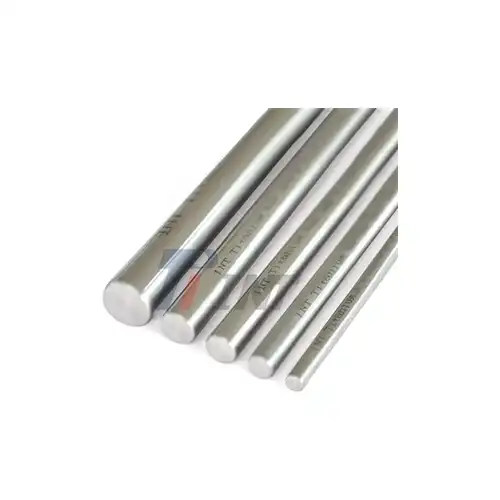
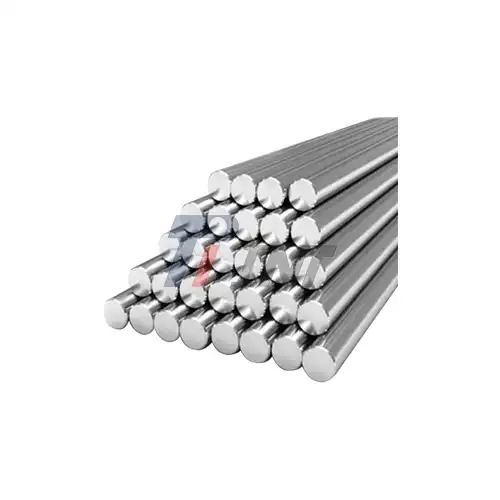
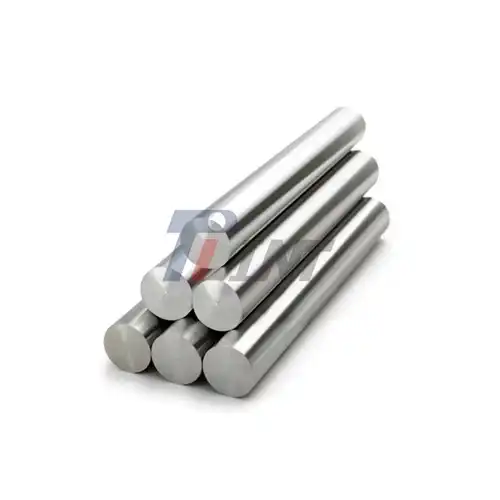
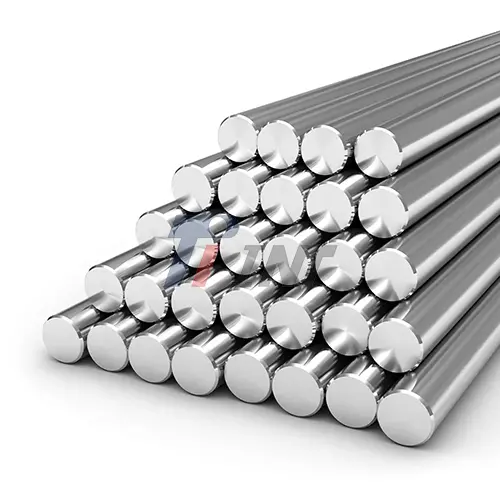
These systems are made in the raw bar, so you should check the material first. Astm F136 and ISO 5832-3 should be met by Ti-6Al-4V ELI, and ISO 5832-2 should be met by pure titanium. Ask for proof that the materials were used, the results of chemistry and mechanical tests, records of inspections, and the ability to keep track of each batch.
Make sure the machining line is ISO 13485 certified and that it meets the standards for straightness, circle tolerance, and surface condition. After it has been machined, a bar that has scratches or small cracks can't be used. This means that the part costs a lot more than the material itself. Make sure they will work with your CNC or Swiss-type lathe by sending drawings or samples.
What Baoji INT Medical Titanium Co., Ltd. Supplies
For nearly 30 years, Zhan Wenge has been in the titanium industry. Pure titanium, Ti-6Al-4V ELI, and titanium alloy rods, wires, plates, and forged items in various forms and sizes are available from us. We only offer raw materials, not finished medical parts. ISO 9001:2015, ISO 13485:2016, and EU CE say our goods are safe. Strong for their weight, the materials don't rust, react with living things, or break down readily. Change them to suit your requirements. Each cargo is protected by secure packing.
A Simple Process for Qualifying a Supplier
I think you should follow a staged path, which is what most buyers do. First, send a list of what you need, including the grade, size, length, and number of items. Second, get samples and check the surface and size for yourself. Third, put in a test order to make sure that each batch is the same. Fourth, add the supplier to a list of trusted sellers and plan to buy from them again. It can take anywhere from one to three months to qualify the first time, but it's faster the second time. At that speed, your R&D and quality teams will have time to check every claim before production goes into high gear.
Conclusion
If the case is clinically appropriate, the bar is designed and milled correctly, and the patient takes care of their teeth and remembers to brush and floss, titanium bar dental implants can help them stay healthy for a long time. Titanium has a proven oxide layer that makes it biocompatible, corrosion-proof, and strong even when it's worn down. On the other hand, the main risks are peri-implant disease, bad passive fit, overload, and component wear.
The dentist picks bar overdentures, locator overdentures, and fixed bridges for each patient based on their needs, budget, and the way their teeth are shaped. As a safety measure, manufacturers check the bar stock against ASTM F136 and ISO 5832-3. They also look at certificates and traceability and test samples before placing large orders.
FAQ
Are titanium bar dental implants safe long term?
They can be if they are medically necessary, fit well, and are well taken care of. Even though titanium is biocompatible and doesn't rust, the long-term results depend on how well you clean, balance your bite, and recalls.
Can someone be allergic to titanium?
It's not common for people to be really allergic to titanium. When swelling doesn't go away, dentists first check for infection, plaque, and too much material.
Which titanium grades suit implant bars?
Ti-6Al-4V ELI (Grade 23) and Grade 5 under ASTM F136 and ISO 5832-3 are often found. Titanium that hasn't been alloyed must follow ISO 5832-2.
What should a manufacturer check before ordering?
You should ask for samples, test records, certificates of material, and the ability to keep track of batches. Check the tolerances and surface quality of your own tools before you place a larger order.
Does Baoji INT sell finished implants?
No, we don't sell finished titanium items. Instead, we sell bars, rods, wires, plates, and forged items.
Request a Titanium Bar Dental Implants Quote from Baoji INT Medical Titanium Co., Ltd.
The Baoji INT Medical Titanium Co., Ltd. is happy to hear from businesses that need to buy titanium bar dental implants. The EU CE, ISO 9001:2015, and ISO 13485:2016 have all found our Ti-6Al-4V ELI materials to be safe. You can also make changes to them, and they come in safe packaging for shipping. Our team will get back to you with technical help after you send your list of grades, diameters, and quantities to export@tiint.com. You can also visit inttitanium.com to learn more.
References
1. International Journal of Prosthodontics, 2004: Albrektsson T, Wennerberg A. Oral implant surfaces: Part 1, review focusing on topographic and chemical properties of different surfaces and in vivo responses to them.
2. Clinical Oral Implants Research, 2008: Sicilia A, et al. Titanium allergy in dental implant patients: a clinical study on 1500 consecutive patients.
3. Journal of Clinical Periodontology, 2018: Berglundh T, et al. Peri-implant diseases and conditions: Consensus report of workgroup 4 of the 2017 World Workshop on the Classification of Periodontal and Peri-Implant Diseases and Conditions.
4. International Journal of Oral and Maxillofacial Implants, 2002: Feine JS, et al. The McGill consensus statement on overdentures.
5. ASTM International, 2013: ASTM F136, Standard Specification for Wrought Titanium-6Aluminum-4Vanadium ELI (Extra Low Interstitial) Alloy for Surgical Implant Applications.
6. International Organization for Standardization, 2021: ISO 5832-3, Implants for surgery, Metallic materials, Part 3: Wrought titanium 6-aluminium 4-vanadium alloy.