




ASTM F67 GR2 Medical Titanium Bar Benefits for Dental Implants


 2026-11-24 08:46:44
The ASTM F67 GR2 medical titanium bar is suitable for dental implants since it doesn't rust, bends readily, and doesn't react with living things. Business-wise, it is pure. It works with numerous abutments and screws due to its moderate strength. In saliva and other physiological fluids, its persistent oxide coating protects it. CNC is easy to make since it's machineable. Post-test cleaning and sterilisation are also typical. Grade 2 can't always be employed, thus design, fatigue data, and government regulations must be considered. I explain the substance, compare grades, and show you how to acquire it securely in this tutorial.
|
|
|
What Is ASTM F67 Grade 2 Medical Titanium Bar?
A Commercially Pure Grade Defined by a Surgical Standard
Grade 2 titanium is UNS R50400, while ASTM F67 covers unalloyed titanium. Titanium finishes the blend. Iron is limited to 0.30%, oxygen to 0.25%, carbon to 0.08%, nitrogen to 0.03%, and hydrogen to 0.015. Because oxygen makes something stronger but less flexible and hydrogen makes something weaker, these limitations are crucial. Many titanium implant buyers compare ISO 5832-2 with unalloyed titanium. However, the medical bar possesses chemistry, mechanical and heat data for regulatory files.
Common Bar Forms Used by Dental Manufacturers
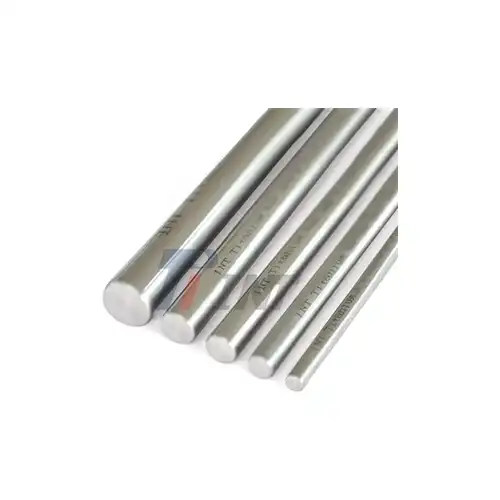
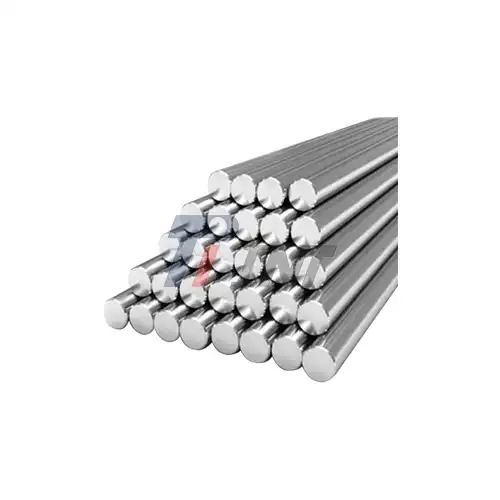
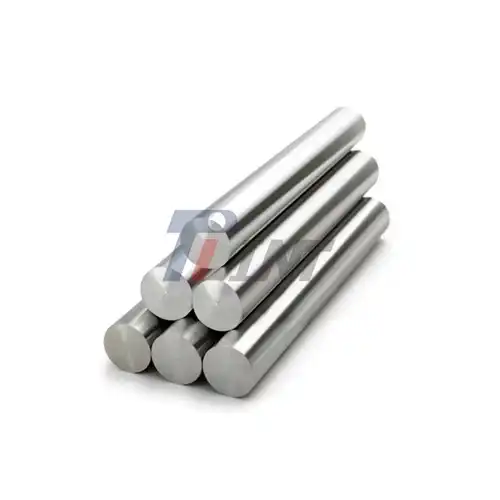
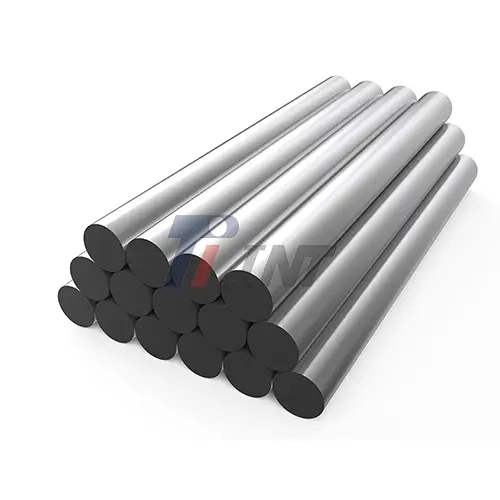
The round bar titanium is often used to make dental production lines. These lines are often made with CNC lathes and Swiss-type machines. Supply types that are often seen are hot-worked bar, cold-drawn bright bar, centerless-ground bar, and cut-to-length stock. The surface of the oxidized skin is ground off or peeled off. This also makes the surface more round, which helps when turning quickly.
It saves time and money to match the shape of the bar to the machine. Buyers should check the purchase order to make sure the diameter, tolerance, straightness, surface finish, and condition of delivery are all correct. Baoji INT Medical Titanium Co., Ltd. sells pure titanium and Ti6Al4V ELI titanium in rods, wires, and plates, so you can get everything you need in one place.
Mechanical Profile at a Glance
ASTM F67 Grade 2 requires 20% stretching and 345 MPa tensile strength. It needs 275 MPa yield strength. At 4.51 g/cm³, it is less dense than stainless steel. These requirements help dental engineers create a flexible, durable material. This simplifies labour. However, it's weaker than Grade 4 or Ti-6Al-4V ELI, thus thin portions susceptible to large cyclic stresses must be monitored for fatigue. Please go above minimums. I recommend comparing mill results to specification.
Key Benefits of ASTM F67 GR2 Medical Titanium Bar for Dental Implants
Biocompatibility and Bone Contact
ASTM F67 GR2 medical titanium bar forms a thin TiO₂ oxide coating that protects titanium from saliva and other bodily fluids and helps it mend. According to Per-Ingvar Brånemark's Swedish research, bone may bond straight to titanium. Modern dental implantology relies on osseointegration. Pure titanium has been used in dentistry for years. Its low alloying content makes it easier to investigate physiologically. A rough surface, lack of cleanliness, and treatment may still affect bone response, therefore the implant system must fulfil more than the bar standard.
Corrosion Resistance and Lower Stiffness
Grade 2 won't rust or pit in real life, thus it stays in the mouth longer. That resistance requires a clean, iron-free surface. Compared to stainless steel, which has 190–200 GPa, this one has 100–105. When modulus decreases, metal and bone stiffen, but titanium is stiffer than bone. Titanium is not magnetic, thus it doesn't mess with MRI images as much as ferrous alloys, however tiny difficulties may occur. Long-term imaging patients should observe these features.
Machinability and Process Compatibility
Grade 2 is bendable and easy to turn, grind, drill, and thread roll. It works effectively for prototyping often changing designs. To avoid heat buildup and chipping, shops require sharp tools, a continuous coolant flow, and regulated cutting rates since titanium doesn't conduct heat well. Because bars' chemistry and hardness remain constant, yield doesn't matter what lot you utilise. In Grade 2, blast, polish, passivate, and anodise are allowed. Once proven, it can sterilise using autoclave, gamma, and ethylene oxide.
ASTM F67 GR2 vs. Other Titanium Grades for Dental Implants
Grade 2 Compared With ASTM F136 Ti-6Al-4V ELI
ASTM F136 talks about Ti-6Al-4V ELI. This alloy can stretch by at least 10%, have a tensile strength of 860 MPa, and a yield strength of 795 MPa. Grade 2 isn't as strong, but it's more flexible, has simpler chemistry, and is easier to shape. Engineers choose F136 when they need to make small, heavy plans. They pick Grade 2 when they need to bend, shape, or make the design easier. If someone wants to change the design, they should always look over it first and keep track of any changes.
Grade 2 Compared With Grade 4
The weakest point of ASTM F67 Grade 4 (UNS R50700) is 550 MPa, the weakest point of its yield is 483 MPa, and the weakest point of its elongation is 15%. Many narrow-diameter implant fixtures use Grade 4 instead of Grade 2 because it is stronger. Because it has a lower oxygen limit (0.25% vs. 0.40% for Grade 4), Grade 2 is still easier to shape and machine. There is only one source that needs to be qualified for both grades because the requirements are the same. This saves time and money on paperwork and audits.
A Practical Decision Checklist
Before picking a grade for ASTM F67 GR2 medical titanium bar, consider how well it manages fatigue under actual loads, the implant's form and thickness, how hard it was to process, how the surface will be handled, and government issues. Quantity and pricing. Well-matched grades cost more than cheaper bars that need to be trashed or revalidated more regularly. If you want to create many per year, start with a modest prototype. Test it for fatigue and torque against your criteria and record the findings in your design file.
Manufacturing and Quality Control of ASTM F67 Titanium Bar
Melting, Forging, and Rolling Control
Medical bars are vacuum-melted from regulated raw ingredients. It is fine-tuned, bar sizes are determined, and the form is mechanically constant after forging and rolling. A material's microstructure and bendability alter with heat and cold. Vacuum annealing controls hydrogen. A 0.015% hydrogen restriction in Grade 2 prevents weakening at this point. Mr. worked in titanium for over 30 years. Zhan Wenge founded Baoji INT in 2003 to develop, manufacture, and use medical titanium.
Testing That Protects Machining Yield
A complete test plan checks chemistry, tensile strength, yield strength, elongation, hardness, microstructure, dimensions, straightness, and surface condition. Metallography shows grain size and unusual formations. Ultrasonic or eddy-current tests may reveal internal faults. Batch variation causes tool wear and unusable items in the shop. Thus, steady outcomes from lot to lot are as vital as meeting basic standards. Third-party testing is common for new samples. That offers your quality team data without outside influence.
Traceability, Cleanliness, and Packaging
Each bar should connect to a heat number and heat-specific material test result. EN 10204 type 3.1 covers standards, chemistry, mechanical results, and sizes. The cleanliness of anything is also crucial. Embed iron, oil residue, and surface scratches may reduce corrosion resistance and process stages. Food is less likely to be contaminated when washed, pickled, wrapped, and kept separately. Baoji INT has ISO 9001:2015, ISO 13485:2016, and CE safety. Audit teams may examine a documented quality plan.
How to Buy ASTM F67 GR2 Medical Titanium Bar
Write a Clear Purchase Specification
Clear specifications for ASTM F67 GR2 medical titanium bar reduce conflicts and speed up product inspection. ASTM F67 Grade 2, edition, sizes (diameter, tolerance, length, straightness, surface finish), delivery, packing, and inspection. Include an export document, a heat-specific test report, and papers showing the product's place of origin and manufacturing. It's also easy to compare samples when needs can be quantified since your lab can test against supplier-approved figures.
Qualify the Supplier and Run a Trial Lot
First, verify if the firm is a manufacturer, shop, or broker. Check its quality credentials and claims. After gathering further evidence, proofs, and test results, send samples to another lab for chemistry, mechanics, and metals testing. OEM teams usually undertake a video or in-person audit and a small trial lot before signing an annual agreement. This ensures items can be machined, surfaces are smooth, and certifications are precise. We benefit from this procedure because it builds trust.
What a Qualified Supplier Should Provide
They go beyond pricing quotes. Before starting production, it reviews your designs, yearly demand, prototypes, tolerances, and surface requirements. Technical issues are resolved swiftly, certifications are clear, and it addresses non-standard material. People have used Baoji INT for over 10 years. Titanium rods, wires, and plates come in different sizes from the firm. You should use the same mailing papers, labels, and boxes whether sending and receiving abroad.
Mistakes That Raise Risk
A lot of people are wrong when they say that any "medical titanium" can be used for any dental design. Some people get Grade 2 and ASTM F136 mixed up, accept generic test reports, and don't notice when heat numbers are missing or measurements don't match up. After that, it's hard to clean and passivate because of the iron that gets stuck, scratches, and oil residue. Price is not enough to make a decision. Place inspection, traceability, yield, lead time, and compliance risk next to each other. One lot that doesn't work can cost more than the money you saved at the start.
Conclusion
The titanium in ASTM F67 Grade 2 is pure enough for use in business and has a clear chemical make-up. It can stretch at least 20%, has a stable oxide layer, and can be machined without any problems. Its tensile strength is at least 345 MPa. This stuff is used when it doesn't rust, doesn't react with living things, and is simple to shape. For small or heavily loaded designs, Grade 4 and ASTM F136 are stronger. To choose the right grade, you need to look at data on fatigue, geometry, surface treatment, and government rules.
You can be sure of that choice for ASTM F67 GR2 medical titanium bar because quality control checks for hydrogen limits, clean packaging, heat traceability, and EN 10204 3.1 reports. Buyers lower their risk by writing down specifications that can be measured, testing samples again, getting references from suppliers, and ordering a small batch first. The lowest-risk bar fits the plan and has all the paperwork that is needed.
FAQ
Is Grade 2 strong enough for every dental implant?
Not at all. Grade 2 is better for designs that need to be bendable and simple to shape. For parts that are narrow or heavily loaded, fatigue testing and regulatory review should help you choose between Grade 4 and ASTM F136 if you have to.
Which certificate should I request with the bar?
A heat-specific material test report, such as EN 10204 3.1, should be asked for. As well as the heat number, the chemistry results, and the mechanical results, it should have the ASTM F67 title. Ask for the lot before you agree to it.
Can I test samples before a volume order?
Yes. A lot of OEM teams send samples to a different lab and then make a small batch to see how easy it is to machine, how good the surface is, and how accurate the certificate is. Let us know what sizes you need, and we'll talk about sample choices.
Is Grade 2 titanium compatible with MRI?
Yes. A magnetic field can't pull on it because it's not ferromagnetic. The image may still have some small flaws, though. Double-check that the finished item has the correct MRI markings at all times.
Request ASTM F67 GR2 Medical Titanium Bar Information from Baoji INT Medical Titanium Co., Ltd.
Baoji INT Medical Titanium Co., Ltd.'s ASTM F67 GR2 medical titanium bars are ready to help you with your next dental project. There are ISO 9001:2015, ISO 13485:2016, and CE marks on the company. The founder of the company has worked with titanium for over 30 years. Please email export@tiint.com with the type of document you need, the diameter, the length, the quantity, the tolerance, and the condition of the surface. Visit inttitanium.com to learn more about our products. Our team will get back to you with business and technical information.
References
1. ASTM F67 Standard Specification for Unalloyed Titanium, for Surgical Implant Applications, ASTM International, 2013
2. ASTM F136 Standard Specification for Wrought Titanium-6Aluminum-4Vanadium ELI Alloy for Surgical Implant Applications, ASTM International, 2013
3. ISO 5832-2 Implants for Surgery – Metallic Materials – Part 2: Unalloyed Titanium, International Organization for Standardization, 2018
4. Osseointegrated Implants in the Treatment of the Edentulous Jaw: Experience from a 10-Year Period, Scandinavian Journal of Plastic and Reconstructive Surgery, 1977
5. Mechanical Biocompatibilities of Titanium Alloys for Biomedical Applications, Journal of the Mechanical Behavior of Biomedical Materials, 2008
6. Biocompatibility of Advanced Manufactured Titanium Implants: A Review, Materials, 2014