




How Does a Dental Implant Titanium Bar Improve Full-Arch Stability?


 2026-11-24 08:46:42
An implant titanium bar joins many implants into a solid unit, stabilising the arch. A splint like this loads all implants instead of one or two and prevents prosthesis rotation. A carefully machined bar holds the implants without tension. This reduces screw looseness and stress. The bar can support extended spans in permanent and detachable restorations because titanium is stronger without being heavier. So you'll know which source to chose next. I'll discuss how bar design, material grade, machining, and supplier inspections impact the outcome.
|
|
|
What Is an Implant Titanium Bar?
Definition and Core Features
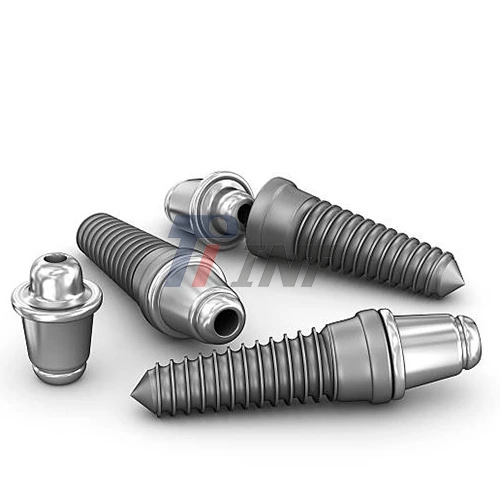
It is meticulously crafted to retain fake teeth, denture bases, and retention pieces and link many dental implants. These are titanium implant bars. They often have screw-retained fixation points, implant connection interfaces, reinforcing portions, and attachment housings. The bar is made from one titanium rod. Milling centers cut it. The rod's quality influences its strength, surface polish, and machining performance. Dentures may be fastened on a bar or removed, and full-arch prostheses can be secured with screws. The implant system and restoration aim always top the design brief.
Material Grades and Standards
Ti-6Al-4V is what most bars are made of, and Grade 23 is the most common type. This is an extra-low interstitial type. Item number F136 describes wrought Ti-6Al-4V ELI alloy for use in medical implants. Item number 5832-3 also talks about this type of alloy for use in implants. Reviews of biomedical titanium alloys say that Ti-6Al-4V has a density of 4.43 g/cm³ and an elastic modulus of 110 GPa. Titanium does not rust because it forms a stable oxide layer in the mouth. This is why full-arch substructures use it so often. These standards are often written down by people who buy things for medical reasons.
How the Bar Connects to the Prosthesis
The bar is in the empty space where the real teeth used to be. Each implant has screws that hold its sides in place. For a fixed hybrid, the lab puts acrylic, composite, or ceramic teeth on top of the bar. For an overdenture, they put clip and attachment housings on top of the bar. All the parts touch the bar, so small mistakes are made all over the assembly. It's possible for the other implants to load when the screws are tightened if one doesn't fit quite right. The lab needs to know the brand of implant, the type of connection, and the angle before they start milling.
How Does a Dental Implant Titanium Bar Improve Full-Arch Stability?
Splinting Spreads Chewing Forces
In a full-arch case, the main risk is that the loads will be different. Some implants only hold a small amount, but one takes more than its fair share. The implants are held together by a bar in the middle. There is force going through the bar and across the whole arch when you chew. Because it is stiff, it is also hard for prostheses to bend and turn over long distances.
That's important because acrylic or composite teeth can break if the base bends. It still depends on where the implants are put in, how long the cantilever is, what shape the bars are, and how the patient bites. Implants that aren't in the right place can't be fixed by a bar, but it can keep a good layout stable.
Passive Fit Protects Screws and Bone
Our implant titanium bar fits every implant without force. This is passive fit. Many studies have connected poor fit to technical concerns like loose screws, but biological impacts are less clear. Katsoulis and his colleagues investigated the issue in 2017 and discovered no consensus wrong-fit threshold. This suggests process control is more essential than a number. Papaspyridakos and colleagues examined toothless users' impression accuracy in 2014. This helps us recall that valid input data starts the chain. Cast TiN shrinks, whereas CNC machined straight rod TiN doesn't.
Overdenture Retention and Low Weight
If you have a removable overdenture, the bar in it holds the denture in place on the implants with clips, riders, or other parts. This makes the denture more stable than if it was only held in place by tissue. Cobalt chrome is about twice as dense as titanium alloy. This means that a long bar makes the prosthesis lighter. Aged people who wear dentures all day should choose a bar that is lighter. Since rigidity is still based on the bars' height and width, the designer has to find a balance between how strong it is and how much room there is for teeth and hygiene.
Implant Titanium Bar Applications in Full-Arch Dentistry
All-on-4 and All-on-6 Cases
Four implants are put in the mandible, with the two back implants tilted. Maló and his colleagues wrote about the All-on-4 idea in 2003. For the design to work, the angle, the length of the cantilever, and the spread from front to back must all be taken into account. This is because the tilt changes how screws can be changed and how the bar moves. All-on-6 has two more implants than All-on-5, but it still needs different geometry and planning for the bite. In both plans, stiffness and precise interfaces are important because only a few implants hold the whole arch. The plan needs to be looked over again for each case.
Removable Overdentures
Attachments like clips, riders, elements that work with Locator, and custom ones can be held on overdenture bars. People are aware of the Hader and Dolder designs. The designer has to leave space under the bar that can be cleaned so that patients can do that. The attachments should also be able to be taken off as the patients wear them out. Dispersion between implants put in ridges that have broken down can also be fixed with bars. This makes it easy for the person to put in and take out the denture. People who have trouble moving their hands should take that easy path.
Fixed Hybrid Dentures
The acrylic or composite teeth are protected by the implant titanium bar substructure in a fixed hybrid denture. The prosthetic material also doesn't change shape. Restorations made of acrylic alone can break when someone bites down hard. This risk goes down with a metal core. Things that load right away can also use rigidity. Some labs use a titanium base and individual zirconia crowns together. This has the good looks of ceramic and the flexural strength of titanium. Each design should think about where to put the implants, how much space is available for restoration, what the patient wants, and how much maintenance they expect.
From Digital Design to Titanium Rod Stock
Digital Design and Scan Data
At the start of production, there are checked scan results, implant library data, occlusal records, and clear prosthetic needs. CAD software is used by the designer to set up the stud channels, bar shapes, hygiene spaces, and retention features. Digital files are easy for clinics, labs, and manufacturers to share with each other. This means that approvals can happen online before any metal is cut. The geometry stays the same because the same approved file is used for all orders. The team should first make sure of the brand, connection, platform, and angle because software still needs the right inputs to work right.
CNC Milling and Finishing
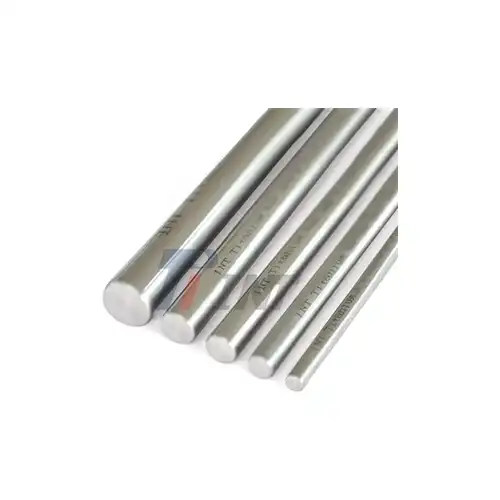
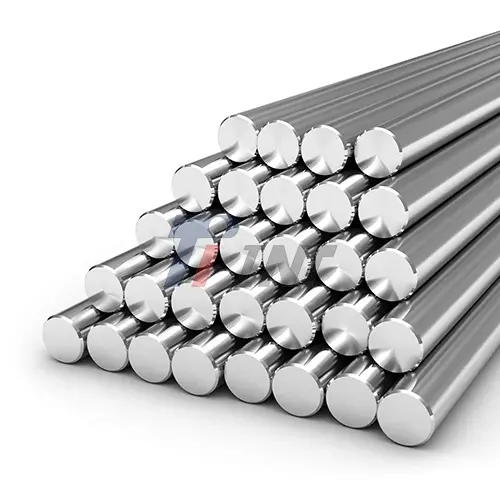
CNC milling cuts billets from solid titanium rods using the authorised design. These complex forms are easy for five-axis machines. Finishing comprises permitted surface treatments such cleaning, polishing, deburring, edge smoothing, etc. To ensure accuracy, screw channels, thread quality, surface condition, and fit are examined. A rod with stable chemistry and microstructure is utilised to maintain machining settings across batches. Cutting tools struggle with titanium. Written process control is very necessary for OEM manufacturing.
Material Quality at the Source
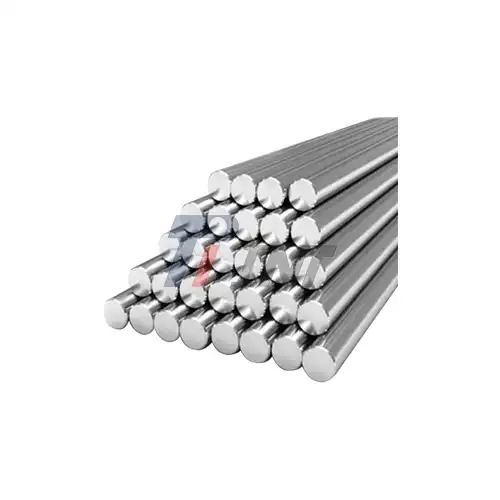
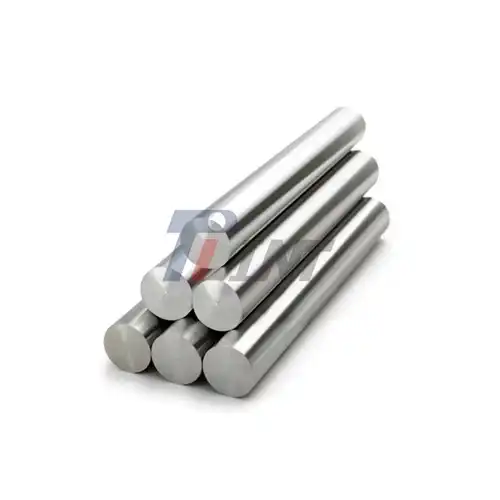
One thing that Baoji INT Medical Titanium Co., Ltd. does is this first step. It was begun by Mr. Zhan Wenge in 2003. He has worked in the titanium business for more than 30 years. We sell pure titanium and Ti6Al4V ELI titanium rods, wires, plates, and forged items for the medical field. The EU CE safety mark, as well as ISO 9001:2015 and ISO 13485:2016 marks, show that they are safe to use. You will only be given the titanium. It is up to your team to cut, polish, and check the finished bar.
Choosing the Right Bar Material and Supplier
Titanium Compared With Other Materials
Zirconia appears good, but extended spans must be examined to determine how they fail and how simple they are to restore. Though stiff, cobalt chrome is twice as dense as titanium alloy and may be moulded. Custom milled implant titanium bar is superior than premade bars for non-standard implants. It may cost more or take longer to design. I believe it's preferable to match the material to the project's cost, lab expertise, and clinical requirement than merely pricing.
Common Problems That Reduce Performance
Bad data and design make excellent content ineffective. Bad scans, missing implant information, too many cantilevers, thin bar sections, insufficient hygiene space, and improper screw access might impact fit and longevity. Watch out for unclear titanium grades, missing material certifications, irregular finishing, and no measure checks in the supply chain. A trusted partner checks your digital files for design faults and tells you how to remedy overlooked details before machining.
Procurement Workflow for B2B Buyers
Structured procedures reduce effort and surprise. The first line should include purpose, implant system, titanium grade, size, number, delivery date, and use. Next, request the specification and material certifications. Check a sample's chemistry, function, and microstructure. Machine testing is done on a small order before regular production. Unit cost, MOQ, lead time, shipping circumstances, inspection paperwork, and replacement policy should be quoted. Many people switch to normal supply when the test works.
Conclusion
Dental implant titanium bars connect implants into a single rigid unit that holds a full arch restoration in place. While you chew, this spreads out the force and keeps the prosthesis from moving. The scan data needs to be right, the CAD design needs to be careful, the CNC milling needs to be exact, and the product needs to be checked. ASTM F136 and ISO 5832-3 back up Ti-6Al-4V ELI.
It is stronger, less likely to rust, and lighter than cobalt chrome. For All-on-4, All-on-6, overdenture, and fixed hybrid designs, the implant titanium bar can be used, but each case needs a different shape. Machines that can be predicted depend on rods that are always of good quality and certificates that can be shown. This means that not just the bar works best, but the whole chain does too.
FAQ
Can an implant titanium bar support All-on-4 and All-on-6 restorations?
Yes, as long as the design works with the implant system, the angle, and the prosthetic. Before milling, we need to take another look at the cantilever length and the raised posterior implants.
Which titanium grade do buyers usually specify?
As per ASTM F136 or ISO 5832-3, a lot of people want Ti-6Al-4V ELI (Grade 23). Before you order, look at the certificate to make sure you know what grade it is.
What documents should I request from a titanium supplier?
Check that the materials have certificates, that you can keep track of lots, that there are inspection reports, and that the quality system has certificates. Another way to get extra peace of mind is to have a sample tested for chemistry, mechanical properties, and microstructure.
Contact Baoji INT Medical Titanium Co., Ltd. About Implant Titanium Bar Material
Need a Ti6Al4V ELI rod for your next project that uses implant titanium bars? You can get pure titanium and Ti6Al4V ELI rods for your machining lines from Baoji INT Medical Titanium Co., Ltd., which is a supplier of implant titanium bars. To find out more, go to inttitanium.com or send an email to export@tiint.com with your grade, diameter, and quantity needs. Our team will look over your question and give you a clear answer soon.
References
1. Katsoulis J, et al. Misfit of Implant Prostheses and Its Impact on Clinical Outcomes. Definition, Assessment and a Systematic Review of the Literature. European Journal of Oral Implantology, 2017.
2. Maló P, Rangert B, Nobre M. "All-on-Four" Immediate-Function Concept with Brånemark System Implants for Completely Edentulous Mandibles: A Retrospective Clinical Study. Clinical Implant Dentistry and Related Research, 2003.
3. ASTM International. ASTM F136-13, Standard Specification for Wrought Titanium-6Aluminum-4Vanadium ELI (Extra Low Interstitial) Alloy for Surgical Implant Applications, 2013.
4. International Organization for Standardization. ISO 5832-3, Implants for Surgery: Metallic Materials, Part 3: Wrought Titanium 6-Aluminium 4-Vanadium Alloy, 2021.
5. Niinomi M. Mechanical Properties of Biomedical Titanium Alloys. Materials Science and Engineering A, 1998.
6. Papaspyridakos P, et al. Accuracy of Implant Impressions for Partially and Completely Edentulous Patients: A Systematic Review. International Journal of Oral and Maxillofacial Implants, 2014.