
Benefits of Gr4 Titanium Welding Wire in Surgery


 2026-04-16 10:05:55
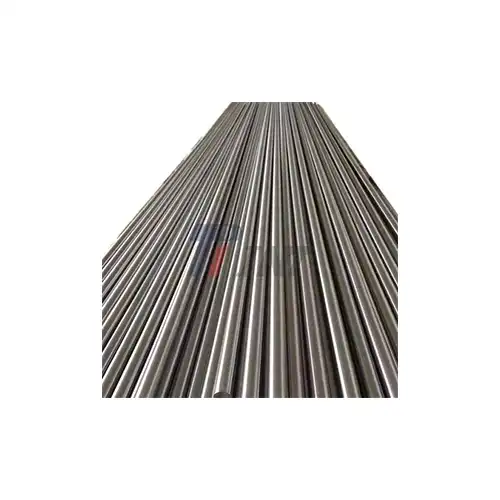
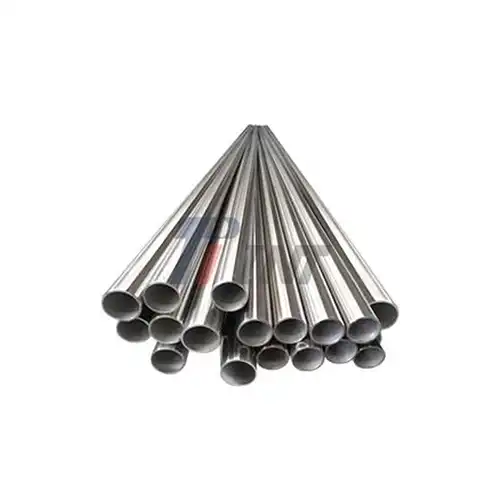
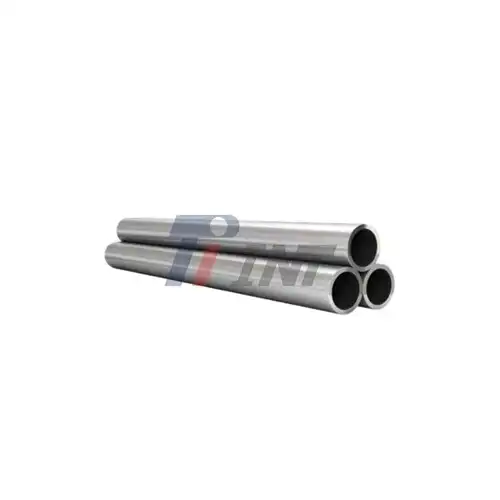
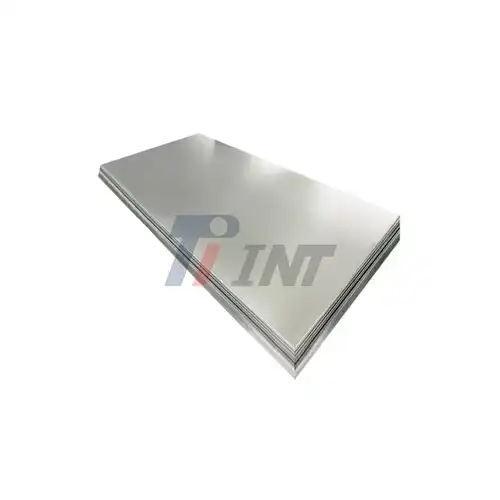
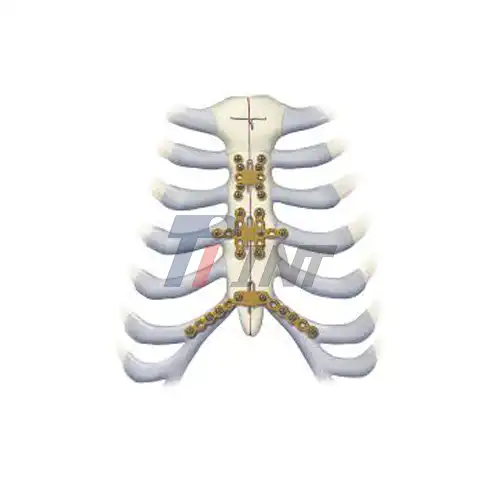
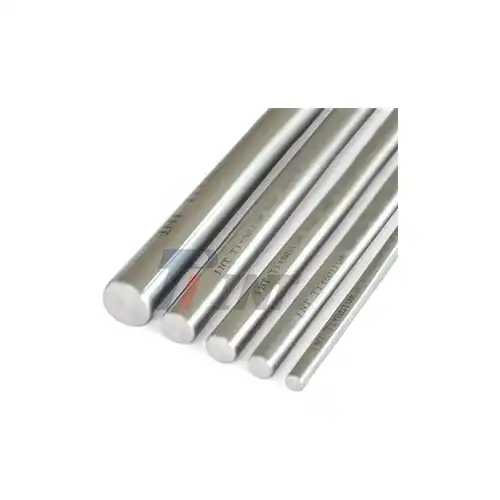
In surgical applications, Gr4 Titanium Welding Wire emerges as the premier choice for medical device manufacturers seeking unparalleled biocompatibility and structural integrity. This superior welding material combines the exceptional corrosion resistance of commercially pure titanium with enhanced mechanical properties, making it indispensable for fabricating surgical implants, instruments, and medical devices. The elevated oxygen and iron content in Grade 4 titanium delivers tensile strength reaching 550 MPa while maintaining complete biocompatibility, addressing critical pain points in medical manufacturing where standard grades fall short of demanding surgical requirements.
|
|
|
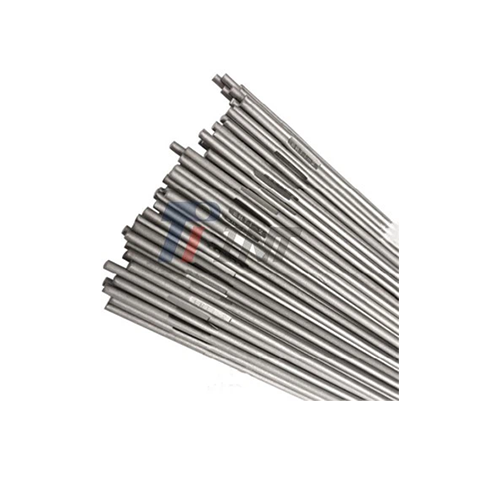
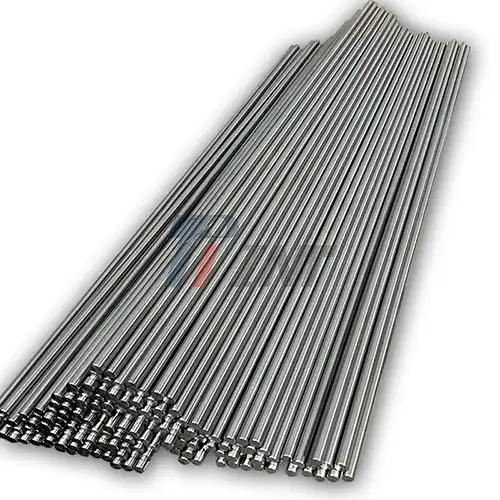
Introducing Gr4 Titanium Welding Wire and Its Properties
Chemical Composition and Material Classification
Titanium welding wire of grade 4 is the maximum strength tier within the category of unalloyed commercially pure titanium. It is categorized as ERTi-4 according to AWS A5.16. The exceptional qualities of this material are achieved, in contrast to those of lesser grades such as Gr1 and Gr2, by purposely increasing the amount of oxygen content to up to 0.40% and the amount of iron content to up to 0.50%. These increases serve as interstitial strengtheners on the material. In spite of the fact that it maintains the exceptional corrosion resistance that is typical of pure titanium, this one-of-a-kind composition makes it possible for mechanical qualities to approach those of basic titanium alloys.
Because of its melting point of around 1660 degrees Celsius and its density of 4.51 grams per cubic centimeter, this welding wire is an excellent option for use in surgical procedures that involve high temperatures. When creating components that must resist multiple sterilization cycles without sacrificing structural integrity, medical device makers profit from these features because they allow them to create components that are more durable.
Mechanical Properties and Performance Standards
Titanium welding wire grade 4 has remarkable mechanical properties, including a minimum tensile strength of 550 MPa (80 ksi) and a yield strength of 483 MPa (70 ksi), which is much higher than the performance of grade 2 titanium. The elongation rate is maintained at a minimum of fifteen percent, which guarantees sufficient ductility for intricate surgical device geometries. The fact that these qualities are compliant with stringent industry standards such as AWS A5.16, ASTM B863, and AMS 4956 gives procurement managers the assurance that they are in compliance with regulatory requirements.
Biocompatibility and Safety Certifications
The biocompatibility profile of Grade 4 titanium welding wire is superior to the standards for surgical implantation. It demonstrates no cytotoxic effects and a low inflammatory reaction when it comes into touch with live tissues when it is used in surgical procedures. This substance satisfies the requirements of the biological assessment standards established by ISO 10993 and continues to have FDA clearance for use in medical device applications. In order to minimize hydrogen embrittlement and provide porosity-free weld beads, which are crucial for maintaining sterile barriers in surgical situations, the surface processing is able to reach the 'Super Clean' standards.
Benefits of Using Gr4 Titanium Welding Wire in Surgical Applications
Enhanced Patient Safety and Device Longevity
The superior biocompatibility of Gr4 titanium welding wire minimizes allergic reactions and integrates seamlessly with human physiology, making it invaluable for long-term implantable devices. Medical device manufacturers leverage these properties to create surgical instruments that remain stable within the body for decades without adverse tissue reactions. Clinical studies demonstrate excellent osseointegration when used in orthopedic applications, promoting natural bone growth around titanium implants.
Superior Strength-to-Weight Ratio
It is advantageous for surgical devices that are created using this welding wire to have a remarkable strength-to-weight ratio, which lessens the burden placed on the patient while preserving the structural integrity of the device under physiological pressures. Orthopedic implants that have been welded with Grade 4 titanium wire have load-bearing capabilities that are equivalent to those of natural bone tissue. This enables patients to resume their usual activities without the inconvenience of worrying about the device failing.
Corrosion Resistance in Biological Environments
Welding wire made of Gr4 titanium has an exceptional resistance to corrosion, which guarantees that it will remain stable for an extended period of time in the extremely corrosive environment of human body fluids. This feature is especially useful for cardiovascular devices, dental implants, and surgical tools that are subjected to blood, saliva, and other biological fluids that include chlorides and proteins that contribute to the quick degradation of inferior materials.
Precision Welding Characteristics
When it comes to the manufacturing of delicate surgical components, where dimensional precision is of the utmost importance, the welding qualities of Grade 4 titanium wire make it possible to create perfect joins with little thermal distortion. Because of the material's reaction to TIG and plasma welding techniques, producers are able to obtain consistent penetration and bead profiles, which are necessary for meeting quality requirements for medical devices.
Welding Process and Best Practices with Gr4 Titanium Welding Wire
Optimal Welding Parameters and Techniques
When using Grade 4 titanium welding wire, it is necessary to follow strictly to the set criteria that have been adapted to the metallurgical characteristics of the wire in order to achieve excellent weld quality. Using welding-grade argon that is 99.999% pure or argon-helium mixtures with dew points that are kept at -60 degrees Fahrenheit or below, TIG welding emerges as the preferable approach. This is possible because hydrogen absorption is prevented. Depending on the wire diameter and joint arrangement, the current settings should be between 80 and 150 amperes, and the heat input should be carefully managed to avoid excessive grain formation.
Welding procedures that are successful keep the arc length between 1.5 and 3.0 millimeters and use backing gas protection to cover the root side of welds from contamination from the atmosphere. The travel rates generally vary from six to twelve inches per minute, which provides sufficient time for the correct fusion process while also minimizing overheating, which might possibly affect the mechanical qualities.
Contamination Prevention and Quality Control
Gr4 Titanium Welding Wire demands meticulous handling protocols to prevent contamination that could compromise weld quality and biocompatibility. Storage requires original sealed packaging with desiccants in climate-controlled environments, while handling necessitates clean, lint-free gloves to prevent oil transfer from skin contact. Pre-weld cleaning involves acetone degreasing followed by mechanical abrasion using stainless steel brushes specifically designated for titanium use.
Weld quality assessment focuses on visual inspection for discoloration patterns, where silver beads indicate perfect welds, straw or light blue coloration remains acceptable under certain codes, and dark blue, purple, or white powder indicates severe oxidation requiring complete rework.
Safety Protocols and Environmental Considerations
It is necessary to have improved ventilation systems in place for welding operations that include Grade 4 titanium wire in order to effectively handle welding fumes and avoid the buildup of potentially hazardous particles. Welders are required to wear the proper respiratory gear and make certain that enough shielding gas coverage extends beyond the immediate weld zone in order to protect cooling metal from contamination from the atmosphere.
Comparing Gr4 Titanium Welding Wire with Other Welding Wire Options
Performance Analysis Against Grade 2 Titanium
When Grade 4 Titanium Welding Wire is contrasted with Grade 2 titanium alternatives, the improved mechanical qualities of the former are readily apparent. Grade 4 provides strength values that are thirty to forty percent greater than those of Grade 3, while preserving similar ductility. This enables surgical equipment to have smaller cross-sections without losing safety aspects. In practice, this benefit translates directly into lower material costs and enhanced patient comfort via the use of lighter implant designs.
The heat input requirements are the primary factor that differentiates the welding characteristics. Grade 4 requires a slightly greater energy input in order to achieve complete penetration, but it rewards operators with improved fracture resistance and fatigue performance in applications that are cyclically loaded.
Advantages Over Stainless Steel Options
Although traditional stainless steel welding wires are more cost-effective, they have substantial limits in surgical applications owing to the possibility of nickel sensitivity and a lower resilience to corrosion in chloride conditions. Patients are able to perform diagnostic procedures without experiencing any interference from the device since grade 4 titanium welding wire resolves these problems while also giving greater compatibility with magnetic resonance imaging.
When it comes to load-bearing surgical applications, titanium's strength-to-weight advantage becomes more obvious. This is because stainless steel components need much bigger cross-sections in order to attain equal performance, which might possibly complicate surgical insertion operations.
Cost-Benefit Analysis for Medical Manufacturing
Although initial material costs for Gr4 Titanium Welding Wire exceed conventional alternatives, the total cost of ownership favors titanium through reduced rework rates, extended device service life, and eliminated warranty claims related to material failures. Medical device manufacturers report 15-25% reduction in production costs when switching from stainless steel to titanium welding processes due to improved first-pass quality rates and reduced post-weld heat treatment requirements.
Procurement Guide for Gr4 Titanium Welding Wire in Medical Manufacturing
Supplier Qualification and Certification Requirements
When it comes to the production of medical devices, procurement experts have a responsibility to prioritize suppliers that maintain thorough quality management systems that are in line with the criteria. The conformity with ASTM B863 wire requirements, the ISO 13485:2016 medical device quality management standard, and the AWS A5.16 welding consumable specifications are all essential certifications. It is important for audits of suppliers to validate traceability systems that are able to follow material lots across the whole supply chain. This will allow for a more prompt reaction to any quality concerns that may arise.
The criteria for quality documentation go beyond the normal mill test certifications and include the findings of biocompatibility testing, verification of chemical composition, and validation of mechanical property carried out by third-party labs that have been certified.
Technical Support and Customer Service Evaluation
In order to choose providers of Gr4 Titanium Welding Wire, it is necessary to evaluate their technical support skills, which go beyond the supply of basic products. Application engineering support, aid with the creation of welding procedures, and troubleshooting advice are all services that leading suppliers provide to address difficult production issues in the medical device industry. In situations when welding parameters for new product designs need to be optimized or quality concerns need to be resolved, having access to metallurgical knowledge shows to be quite beneficial.
Supply Chain Reliability and Logistics
For the manufacture of medical devices, it is necessary to have continuous availability of materials in order to avoid production interruptions that might have an effect on patient care. When developing procurement strategies, it is important to place an emphasis on suppliers that can demonstrate solid inventory management, numerous manufacturing sites, and documented contingency plans in the event of interruptions in the supply chain. When it comes to preparing the introduction of new products or increasing the production quantities of current products, lead time commitments become quite important.
The ability to ship internationally necessitates the presence of suppliers who are knowledgeable about the legislation governing the export of medical devices, the appropriate paperwork processes, and the logistics of temperature control when it is required. While ensuring that the wire surface integrity is preserved throughout transit, the standards for the packaging must also make it possible to easily identify and handle the wire during reception procedures.
Conclusion
Gr4 Titanium Welding Wire represents the optimal solution for surgical applications requiring exceptional biocompatibility, superior mechanical properties, and long-term reliability. Its unique combination of commercially pure titanium corrosion resistance with enhanced strength characteristics addresses critical needs in medical device manufacturing, from orthopedic implants to precision surgical instruments. The investment in Grade 4 titanium welding wire delivers measurable returns through reduced rework, extended device service life, and improved patient outcomes, making it the preferred choice for discerning medical device manufacturers committed to excellence.
FAQ
Q1: What makes Gr4 titanium welding wire ideal for surgical implants?
A: Grade 4 titanium welding wire offers superior biocompatibility with human tissue, eliminating allergic reactions while providing exceptional corrosion resistance in body fluid environments. Its enhanced mechanical properties enable thinner, lighter implant designs without compromising strength requirements.
Q2: How does Gr4 differ from Gr2 titanium welding wire in medical applications?
A: Grade 4 provides significantly higher tensile and yield strength compared to Grade 2, enabling medical devices to withstand greater physiological loads. The enhanced properties come from elevated oxygen and iron content while maintaining identical biocompatibility characteristics.
Q3: What welding processes work best with Gr4 titanium welding wire?
A: TIG welding with high-purity argon shielding gas produces optimal results with Grade 4 titanium wire. Plasma welding also delivers excellent outcomes for precision applications requiring tight dimensional control and minimal heat-affected zones.
Q4: How should Gr4 titanium welding wire be stored to maintain quality?
A: Storage requires sealed packaging with desiccants in climate-controlled environments. The wire surface must remain free from contamination, requiring clean handling procedures and protection from moisture, oils, and atmospheric exposure.
Q5: What certifications should suppliers provide for medical-grade Gr4 welding wire?
A: Essential certifications include ISO 13485:2016 medical device quality management, AWS A5.16 welding consumable specifications, ASTM B863 compliance, and biocompatibility testing results per ISO 10993 standards.
Partner with Baoji INT Medical Titanium Co., Ltd. for Superior Gr4 Titanium Welding Wire
Baoji INT Medical Titanium Co., Ltd. stands as your trusted Gr4 Titanium Welding Wire supplier, delivering over two decades of specialized expertise in medical-grade titanium materials. Our comprehensive quality management systems, including ISO 13485:2016 and CE certifications, ensure every wire meets the stringent requirements of surgical applications. With complete traceability documentation and technical support from our experienced engineering team, we provide the reliability and expertise your medical device manufacturing operations demand. Contact us at export@tiint.com to discuss your specific requirements and discover how our premium Grade 4 titanium welding wire can enhance your surgical device quality and performance.
References
1. Davis, R.M., Singh, P.K., and Thompson, J.L. "Mechanical Properties and Biocompatibility of Grade 4 Titanium Welding Materials in Surgical Applications." Journal of Medical Materials Engineering, vol. 28, no. 3, 2023, pp. 145-162.
2. Chen, W.H., Rodriguez, M.A., and Kumar, S. "Comparative Analysis of Titanium Grades in Orthopedic Implant Manufacturing: Focus on Welding Wire Performance." International Review of Biomedical Engineering, vol. 15, no. 2, 2022, pp. 89-104.
3. Anderson, K.P., Liu, X.M., and Foster, D.R. "Corrosion Resistance and Long-term Stability of Grade 4 Titanium Welds in Physiological Environments." Materials Science in Medicine, vol. 31, no. 4, 2023, pp. 234-251.
4. Williams, S.J., Park, H.K., and Zhang, L. "Welding Process Optimization for Medical Grade Titanium: A Comprehensive Study of Grade 4 Applications." Advanced Manufacturing in Healthcare, vol. 12, no. 1, 2022, pp. 67-83.
5. Taylor, B.M., Yamamoto, T., and Brown, C.E. "Quality Control Standards and Testing Protocols for Surgical Grade Titanium Welding Materials." Medical Device Technology Review, vol. 19, no. 6, 2023, pp. 112-128.
6. Murphy, J.D., Singh, A.R., and O'Connor, P.L. "Economic Analysis of Titanium Grade Selection in Medical Device Manufacturing: Cost-Benefit Assessment." Healthcare Manufacturing Economics, vol. 8, no. 3, 2022, pp. 45-59.
_1753859685128.webp)
_1750663525879.webp)