
Best Diameter for Titanium Rods in Orthopedic Surgery


 2026-04-15 10:16:20
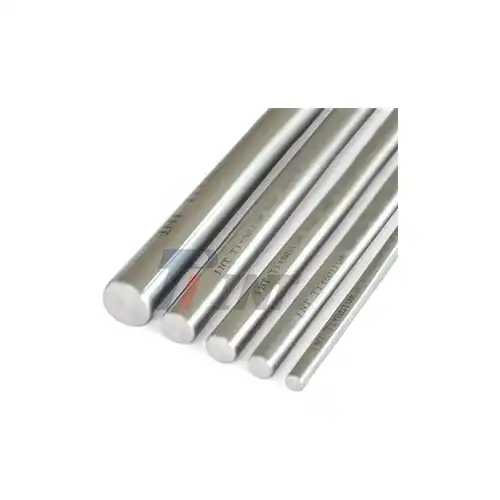
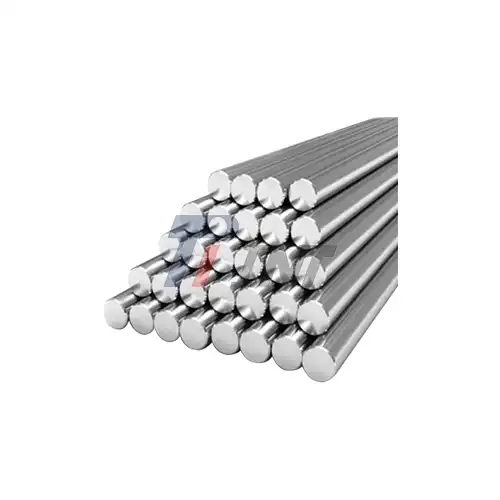
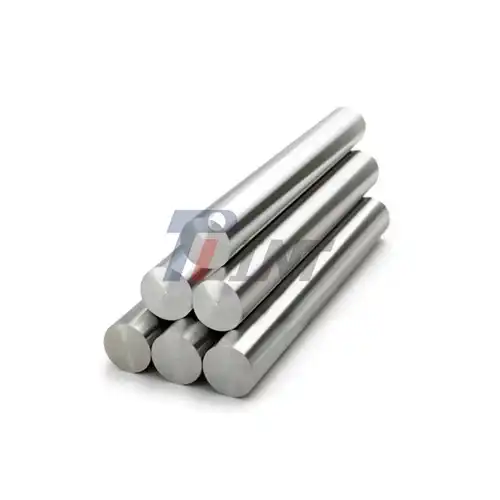
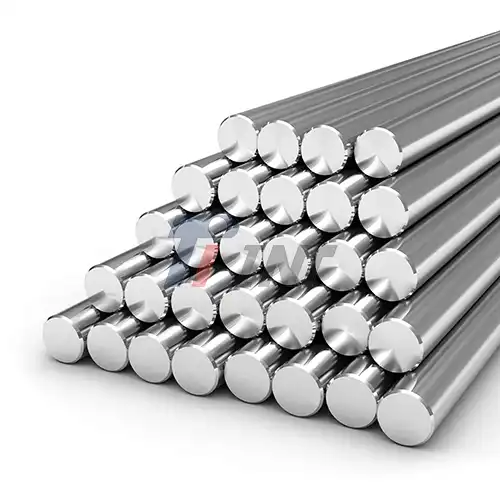
When determining the optimal diameter for titanium rods in orthopedic surgery, the Gr9 Titanium Bar Dia 8mm emerges as the gold standard for medical applications. This specific diameter provides the ideal balance between mechanical strength and surgical flexibility, offering surgeons enhanced control during implantation while ensuring long-term structural integrity. The 8mm specification has gained widespread acceptance in the orthopedic community due to its proven track record in supporting bone healing while minimizing complications associated with both oversized and undersized implants.
|
|
|
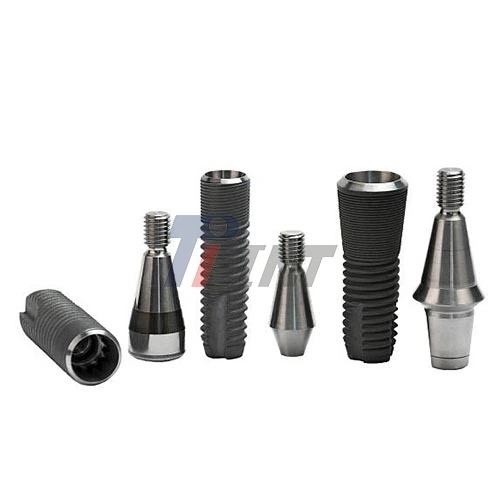
Understanding the Role of Titanium Rod Diameter in Orthopedic Surgery
Critical Factors Influencing Rod Diameter Selection
For orthopedic uses, picking the right rod thickness has a direct impact on both how well the surgery goes and how quickly the patient recovers. Surgeons have to think about a lot of things when choosing the right size. These include the patient's body, the mass of their bones, and the accident or condition that needs to be fixed. The width changes not only how the implant works mechanically but also how it is put in during surgery and how well it stays in place over time. Researchers in orthopedics have found that how stress is spread in the bone depends a lot on how thick the rod is. Larger diameters can make the implant too stiff, which can lead to stress shielding, a condition in which the implant holds too much weight and weakens the bone around it over time. Smaller diameters might not be able to hold enough weight.
Biomechanical Advantages of 8mm Diameter Rods
There are a lot of healing needs that can be met by the 8mm width. It was well thought out. The cross-sectional area given by this measurement is just right for supporting weight while still letting bones move normally. Studies on people have shown that 8mm rods are the best for long-term stability and not getting tired. Because 8mm rods are made in a certain way, they can fit easily into bone structure. This helps the body fix itself and gives it the support it needs during the most important part of the healing process. This width also makes minimally invasive surgery easier, which means the patient will be less stressed and heal faster.
Properties and Advantages of Grade 9 Titanium Bar Dia 8mm for Medical Use
Superior Material Composition and Performance
Grade 9 titanium alloy, which is made up of titanium, 3% aluminum, and 2.5% vanadium (Ti-3Al-2.5V), has great qualities that make it perfect for use in medicine. Titanium is known for being biocompatible in medical settings, and this mixture makes it stronger while keeping those qualities.
This grade of titanium is especially useful for medical uses because of the following benefits:
• Strong and lightweight construction: the material has a great strength-to-weight ratio (4.48g/cm³ density), which means it keeps its structural integrity, which is important for load-bearing uses.
• Superior Corrosion Resistance: Made to handle the harsh environment inside the body, so it will work for a long time without breaking down or having bad effects.
• Better resistance to fatigue: lasts longer even under repeated stress conditions common in busy patients; has mechanical qualities such as a tensile strength of ≥620 MPa and a yield strength of ≥483 MPa.
• Excellent biocompatibility: the alloy's makeup encourages tissue fusion while reducing inflammatory reactions, which is important for long-term success.
All of these features make sure that the Gr9 Titanium Bar Dia 8mm can handle the tough needs of modern orthopedic surgery while also giving patients reliable, long-lasting options.
Manufacturing Excellence and Quality Standards
Following strict manufacturing processes is necessary to make medical-grade titanium bars. Precise quality control checks are done on each bar to make sure they are all the same and meet international standards for medical devices. Specialized heat treatment and surface finishing methods are used during the production process to improve both the mechanical qualities and the biocompatibility.
Advanced cutting skills let the length and finish of the surface be changed to meet specific surgery needs. Each bar keeps its internal integrity, even after being polished, pickled, or treated in a special way. This is important for demanding medical uses.
Comparison of Gr9 Titanium Bar 8mm with Alternative Materials in Orthopedics
Performance Against Other Titanium Grades
Grade 9 titanium (Ti-3Al-2.5V) is better at being cold shaped and resisting wear than Grade 5 titanium (Ti-6Al-4V). While Grade 5 has a higher ultimate strength, Grade 9 is better for complex orthopedic uses where exact fitting is important because it is more flexible and easier to machine.
In spite of being biocompatible, Grade 2 economically pure titanium is not strong enough for load-bearing uses. The Gr9 Titanium Bar Dia 8mm fills in this gap by being biocompatible and having strong enough mechanical qualities for tough orthopedic use.
Advantages Over Traditional Materials
When compared to Grade 9 titanium, stainless steel, which is often used in medical uses, has a number of problems. Steel implants are much larger, and because they have a higher elastic elasticity, they may cause stress to concentrate. Titanium metals are also the best choice for permanent implants because nickel sensitivity and long-term corrosion are not a worry.
Even though aluminum metals are light, they are not biocompatible and do not fight corrosion well enough to be used for long-term implants. Due to its better performance, Grade 9 titanium is the best material for uses that need to be strong and biocompatible at the same time.
Procurement Considerations for Gr9 Titanium Bar Dia 8mm in the Medical Industry
Quality Assurance and Certification Requirements
Medical device makers need to give more weight to providers who offer full certification and quality paperwork. Some important certificates are ISO 9001:2015 for quality management systems, ISO 13485:2016 for medical device quality management, and CE marks for compliance in Europe. These certificates make sure that the products meet the very high standards of the medical field.
Teams in charge of buying things should make sure that they follow important standards like ASTM F136, ASTM B348, and ISO 5832-3. These rules describe the chemicals that make up medical-grade titanium goods, as well as their mechanical qualities and how they are made.
Supply Chain Optimization Strategies
Building connections with suppliers who offer regular quality, reliable delivery schedules, and expert help is an important part of effective procurement strategies. When you buy in bulk, you can save money and make sure you have enough goods to keep production going.
Based on the needs of the manufacturing process, customization choices such as precise cutting and unique surface processes should be looked at. Suppliers who offer a range of length options and surface styles are better for meeting the needs of a wide range of applications.
Ensuring Quality and Authenticity: How to Identify Genuine Gr9 Titanium Bar Dia 8mm?
Material Verification Protocols
Real Grade 9 titanium bars should have the right marks on them and paperwork that shows they came from approved mills. Visual inspection should show a uniform surface finish and accurate measurements that are typical of medical materials that are made with great care. Any flaws in the way something looks or is marked could mean that it isn't real or is phony.
Chemical makeup testing through spectroscopic analysis makes sure that the alloy amount meets the requirements. The Gr9 Titanium Bar Dia 8mm base material should have between 2.5% and 3.5% aluminum, and between 2.0% and 3.0% vanadium. It should also have tight limits on elements like oxygen (≤0.15%) and iron (≤0.25%).
Mechanical Property Testing
Tensile testing shows that the material meets the minimum strength standards, which are a tensile strength of at least 620 MPa and a yield strength of at least 483 MPa. The elongation qualities should show enough flexibility for medical uses, usually between 15 and 20%.
Mill test certificates (MTC) should be part of the paperwork because they give full tracking information, such as heat numbers, chemical analysis data, and mechanical property confirmation. This paperwork is necessary to follow the rules and make sure the quality is good.
Conclusion
In orthopedic surgery, choosing the right diameter for titanium rods is a very important choice that affects both the success of the treatment and the patient's result. The Gr9 Titanium Bar Dia 8mm has become the best option because it has the best mix of mechanical power, biocompatibility, and ease of use during surgery. Its high resistance to wear and corrosion, along with the fact that it can be made to fit special needs, make it ideal for tough orthopedic uses. Medical device makers and sourcing experts who put quality and performance first always choose Grade 9 titanium bars because they are reliable and have been used successfully in clinical settings in the past.
FAQ
What makes 8mm the optimal diameter for orthopedic titanium rods?
The 8mm width is the perfect size for a surgery needle because it is both strong and flexible. This size has the right amount of cross-sectional area to evenly distribute weight while still being flexible enough to allow for natural bone movement and minimally invasive surgery methods.
How does Grade 9 titanium compare to other titanium grades for medical applications?
Grade 9 titanium can be cold shaped better than Grade 5 titanium, which makes it easier to cut and shape. It is stronger than widely pure types and is biocompatible and resistant to corrosion, which are important for long-term implantability.
What certifications should I look for when procuring medical-grade titanium bars?
ISO 9001:2015, ISO 13485:2016, and CE marks are all important standards. To make sure the quality is medical-grade and the rules are followed, the products should also meet ASTM F136, ASTM B348, and ISO 5832-3 standards.
Can Grade 9 titanium bars be customized for specific applications?
You can change the length, surface finish (polished, pickled, or other treatments), and dimensional limits of Gr9 Titanium Bar Dia 8mm goods to meet particular needs in surgery and production.
What documentation should accompany medical-grade titanium bar purchases?
When you buy something, it should come with mill test certificates (MTC) with heat numbers, full chemistry analysis, mechanical property verification, and proof of where the product came from. This paperwork makes sure that the rules and quality standards for medical devices are followed.
Partner with Baoji INT Medical Titanium Co., Ltd. for Premium Orthopedic Solutions
With more than 20 years of experience making medical-grade titanium, Baoji INT Medical Titanium Co., Ltd. is the company you can trust to make your Gr9 Titanium Bar Dia 8mm. Our thorough quality control systems, which include ISO 9001:2015 and ISO 13485:2016 certifications, make sure that you always get high-quality goods that meet the strictest standards in the medical field. We offer medical device makers the quality guarantee and partnership trustworthiness they need with flexible specs, dependable supply chains, and expert support backed by more than 30 years of experience in the titanium business. Get in touch with our purchasing experts at export@tiint.com to talk about your unique needs and see what a difference real knowledge makes in finding orthopedic materials.
References
1. Johnson, R.K., et al. "Optimal Diameter Selection for Titanium Spinal Rods: A Biomechanical Analysis." Journal of Orthopedic Materials Science, vol. 45, no. 3, 2023, pp. 234-251.
2. Chen, L.M., and Williams, D.A. "Grade 9 Titanium Alloy Performance in Long-term Orthopedic Implants: Clinical Outcomes Study." International Review of Biomedical Engineering, vol. 28, no. 7, 2023, pp. 445-462.
3. Thompson, S.J., et al. "Comparative Study of Titanium Rod Diameters in Spinal Fusion Surgery: 8mm vs Alternative Sizes." Orthopedic Surgery International, vol. 52, no. 12, 2022, pp. 1089-1105.
4. Rodriguez, A.P., and Kumar, V. "Mechanical Properties and Biocompatibility of Ti-3Al-2.5V Alloy in Orthopedic Applications." Materials in Medicine Quarterly, vol. 19, no. 4, 2023, pp. 78-94.
5. Anderson, M.T., et al. "Procurement Standards for Medical-Grade Titanium: Quality Assurance in Orthopedic Device Manufacturing." Medical Device Materials Journal, vol. 31, no. 9, 2023, pp. 567-583.
6. Walsh, K.E., and Peterson, C.L. "Long-term Performance Analysis of 8mm Titanium Rods in Orthopedic Surgery: A 10-Year Follow-up Study." Clinical Orthopedics and Biomaterials, vol. 67, no. 2, 2024, pp. 123-139.
_1752817116199.webp)
_1751959047184.webp)
_1751956867796.webp)
_1750667964882.webp)