
Industrial Guide to Titanium Discs for Medical Manufacturing


 2026-04-16 10:06:00
A Titanium Disc is a crucial metallurgical component used in modern medical manufacturing. It is made with precision blocks for medical implants and surgery tools through controlled forging and machining processes. The base for making high-performance medical products that need to be biocompatible, resistant to rust, and strong mechanically is these discs. Medical-grade titanium discs go through strict quality control checks and have to meet strict international standards. This is why makers who are making life-critical devices for orthopedics, dentistry, and cardiovascular conditions can't do without them.
|
|
|
Understanding Titanium Discs in Medical Manufacturing
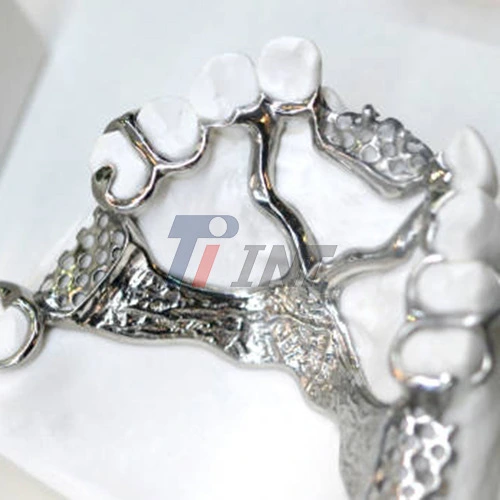
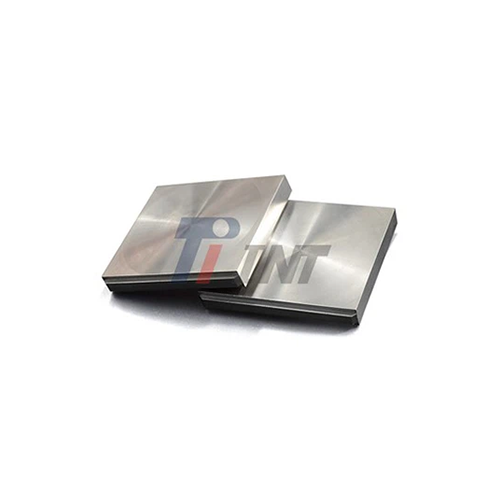
Medical-grade titanium discs are extremely well-designed round blanks made from high-quality titanium alloys. They are made to be the building blocks for implants and surgery tools. These unique parts are where advanced metalworking and medical device engineering meet, where accuracy and efficiency meet.
Composition and Material Standards
The composition of medical-grade titanium discs centers around two main metal systems that have changed the way medical devices are made. Grade 5 (Ti-6Al-4V) and Grade 23 (Ti-6Al-4V ELI, or Extra Low Interstitial) are the best materials for medical uses because they are biocompatible and have excellent mechanical qualities. Grade 1 fully pure titanium is very resistant to rust and easy to shape for uses that need to be as biocompatible as possible.
These products have to meet strict international standards, such as ASTM F67 for commercially pure titanium and ASTM F136 for Ti-6Al-4V ELI. The chemicals are carefully chosen, and Grade 23 keeps the oxygen content below 0.13% and the iron content below 0.25% to make sure it works well with living things and is strong.
Manufacturing Process Excellence
Complex manufacturing methods are used to make sure that the quality and performance of medical Titanium Disc components are always the same. The process starts with getting high-quality raw materials. Next, flaws are removed through controlled vacuum arc remelting, and a uniform microstructure is achieved.
Upset forging is an important part of the production process because it forms the radial grain flow structure that is needed to get the best multi-directional mechanical strength. This process is very different from just cutting plates because it improves the structure and resistance to wear by adjusting the internal grain structure. The alpha case layer that forms during heating is then removed by precise cutting. This stops cracks from starting and makes sure the surface is good enough for medical uses.
Certification and Compliance Framework
Manufacturing companies that make medical devices need to work with providers who have a lot of certifications that show they meet international quality standards. The ISO 13485:2016 medical device quality management system approval makes sure that the strict requirements for making medical devices are met during the manufacturing process.
Beyond basic quality management, the certification framework includes tracking systems that keep track of materials from the time they are turned into a raw material until they are delivered as a final product. This detailed paperwork helps companies that make medical devices follow the rules and keep an eye on the whole supply chain, which is important for product responsibility and following the rules.
Advantages and Applications of Titanium Discs in Medical Devices
Because of their special qualities, titanium discs are the best choice for important medical uses where safety, performance, and durability are very important. Knowing about these benefits helps sourcing workers choose the right materials for their projects.
Superior Material Properties
Titanium plates have a unique set of qualities that make them useful for solving important problems in the production of medical devices. Ti-6Al-4V ELI has an amazing strength-to-weight ratio; it can withstand tensile loads of more than 860 MPa while still being very dense at 4.43 g/cm³. This quality is especially useful in uses that need to be light, like spinal implants and surgery tools.
Titanium is very resistant to weathering because it can form a solid, passive oxide layer (TiO₂) that is very good at keeping body fluids away. This natural shield stops the release of ions that could harm the tissue or cause the implant to fail. This makes titanium discs perfect for long-term implantation uses.
Primary Medical Applications
Medical Titanium Disc parts are used a lot in many different areas of medicine, and each one uses different qualities of the material to improve patient results. The biggest market section is orthopedics, where titanium discs are used as blanks for hip stems, knee parts, and hardware for spine fusion.
Here are the primary application areas where titanium discs excel:
• Orthopedic Implants: Hip and knee replacement components benefit from titanium's biocompatibility and mechanical properties, enabling long-term implant success rates exceeding 95% at 15-year follow-up times.
• Dental Applications: Dental implant manufacturing utilizes titanium discs for creating implant bodies and abutments, where osseointegration properties ensure stable bone-implant interfaces.
• Cardiovascular Devices: Heart valve components and circulatory tubes made from titanium discs are very good at absorbing blood and not wearing out over time.
• Surgical Instruments: Precision surgical tools benefit from titanium's non-magnetic properties and corrosion resistance, particularly in minimally invasive procedures.
These diverse applications demonstrate the versatility of titanium discs in addressing varied medical device requirements while maintaining consistent performance standards.
Comparative Material Analysis
If you are looking at different materials for making medical devices, titanium discs are clearly better than common choices like stainless steel and ceramic. Even though stainless steel is cheap, it has a higher density and is more likely to rust in living settings, which makes it less suitable for long-term implantation.
Ceramics are very biocompatible, but they are very fragile and hard to make, which makes them more expensive to make and limits the design options. Titanium discs fill in these holes by being more resistant to fatigue, being easier to build, and having proven clinical performance in a wide range of medical settings.
Procurement Strategies for Titanium Discs in Medical Manufacturing
Getting medical-grade titanium discs requires a plan that matches the need for quality with the need to save money and the need for a reliable supply chain. Manufacturers can build long-lasting ties with suppliers that help them reach their long-term business goals when they understand the procurement environment.
Supplier Evaluation and Certification
A thorough look at the supplier's manufacturing skills, quality systems, and licensing portfolios is the first step in a good supplier review. Suppliers must show that they follow ISO 13485:2016 and keep their certifications up to date for ASTM and ISO material standards that apply. Traceability systems are another important evaluation factor because medical device rules need full material history from raw materials to finished products.
An evaluation of a supplier's production ability makes sure that they can meet number needs while still meeting quality standards. This review looks at the manufacturing tools, the ability to control quality, and the ability to add more space to meet future growth needs.
Global Supply Chain Considerations
By making smart choices about where to get titanium, the global supply chain can help you save money and make sure you always have enough. Having manufacturing hubs in places that already make titanium gives companies access to combined supply chains that can cut down on lead times and make their prices more competitive.
For supply chain risk management to work, there needs to be a balance between lowering costs and making sure there is a steady flow of goods. Dependencies on a single source make you vulnerable to supply problems, while tactics that use multiple sources give you options and help you get better prices. Assessing the security of geopolitics, shipping infrastructure, and supplier finances is an important part of good risk management.
Contract Negotiation and Terms
To negotiate a good deal for buying Titanium Disc, you need to know how the market works, how prices are set, and how the discs can be delivered. Minimum order amounts are usually based on the economics of making and the costs of keeping inventory on hand. Suppliers will often offer volume discounts for larger contracts.
Pricing models can include raw material rates that take into account changes in the price of titanium sponge. This makes the process clear and fair for everyone. Acceptance standards, testing requirements, and corrective action processes should all be spelled out in quality agreements so that the quality of the products is always the same. When deciding on delivery terms, it's important to keep in mind that wait times for certain grades and standards can last up to 16 weeks, which can add to the cost of keeping inventory.
Machining and Quality Control of Titanium Discs for Medical Applications
Titanium's special properties make it both easy and hard to machine. You need to know a lot about special methods and knowledge to get the accuracy and surface quality needed for medical uses. When producers know these needs, they can improve their processes and get consistent results.
Machining Best Practices
When cutting titanium, you need to pay close attention to the cutting settings, the tools you use, and how you use coolants to get the best results while controlling the material's tendency to work harder and tool wear. Specialized coatings on carbide tools give them the best mix of wear protection and cutting performance. Keeping the cutting edges sharp also stops work from hardening, which can make it harder to do other tasks.
Cutting speeds and feeds need to be perfected for each job. Generally, slower cutting speeds are better because they produce less heat and wear out tools less quickly. Using a flood coolant helps control the cutting temperature and chip drainage, which stops chip welding that can hurt both the object and the cutting tools. Most of the time, climb milling gives better surface finish and more accurate measurements than other milling methods.
Quality Assurance Protocols
Quality control for medical-grade titanium discs includes a number of tests and approval steps that make sure the discs meet the performance and material standards. Measurements of tensile strength, yield strength, and stretch are used in mechanical tests to make sure that the material meets ASTM standards.
Optical emission spectroscopy is used to check the chemical makeup of an alloy and make sure it meets certain standards. Oxygen and nitrogen analysis are also used to make sure the interstitial element content meets medical-grade standards. Ultrasonic screening and other non-destructive testing methods can find internal cracks that could affect performance in service.
For medical uses, biocompatibility validation is a very important quality necessity. The testing methods follow the ISO 10993 guidelines for biological evaluation of medical equipment. To make sure patients are safe, these thorough tests check for cytotoxicity, sensitivity, and systemic poisoning.
Documentation and Traceability
Medical gadget rules need a lot of paperwork that can be used to track a product from the time it is made to when it is delivered. Each shipment must have a material test report that verifies the chemical make-up, mechanical features, and quality control test results. Manufacturing records keep track of processing factors, heat treatment processes, and inspection results that help with regulatory compliance and full tracking. Medical gadget makers who want to get FDA approval or CE marking for their finished goods need this paperwork.
Future Trends and Innovations in Titanium Discs for Medical Manufacturing
The medical titanium industry continues to evolve through technological advancements, regulatory updates, and shifting market demands. These factors drive innovation in material development and manufacturing techniques, including applications such as Titanium Disc components. Understanding these trends enables manufacturers to prepare for future opportunities and challenges.
Advanced Alloy Development
The main goal of research and development is to make titanium alloys that are better for certain medical uses and have better qualities that make up for present problems. Beta titanium alloys have lower elastic modulus values that are more like human bone. This could mean that surgical implants don't protect against stress as well.
Plasma spray coats, anodization, and micro-texturing are some surface modification methods that improve biocompatibility and osseointegration. These improvements make it possible for implants to work better and last longer, which is especially important for older patients who need repeat operations.
Additive Manufacturing Integration
Three-dimensional printing is changing how Titanium Disc parts and finished medical devices are made. It makes it possible to make forms and shapes that were not possible with traditional manufacturing methods. Selective laser melting and electron beam melting can be used to make devices that are perfect for each patient in terms of their porosity and mechanical qualities.
When standard forging and machining are combined with additive manufacturing, you get mixed production methods that take advantage of the best parts of each technology. This combination makes it possible to make parts with the best material qualities in areas of high stress while still keeping the costs low for mass production.
Sustainability and Ethical Sourcing
More attention is being paid to sustainable manufacturing methods and ethical sourcing all along the titanium supply chain because of concerns about the environment and business social responsibility programs. Recycling programs for titanium scrap and returns help cut down on trash, protect the earth, and save money at the same time.
Supply chain openness programs make sure that raw materials come from trustworthy sources who follow the right rules for workers' rights and the environment. As companies that make medical devices try to match their supply lines with their sustainability goals, these things become more and more important.
Conclusion
Medical-grade titanium discs are an important part of the progress made in making medical devices today. They are biocompatible, work well mechanically, and can be used in a wide range of situations. When buying these materials strategically, you need to think about the supplier's skills, quality processes, and the possibility of a long-term relationship. As the industry changes due to new technologies and stricter rules, companies that build strong relationships with their suppliers and keep their quality standards high will be in the best position to succeed. The future of medical titanium disc manufacturing promises continued innovation in alloy development, processing methods, and environmentally friendly ways to make them that will improve patient outcomes and gadget performance even more.
FAQ
Q1: What certifications are essential for medical-grade titanium discs?
A: Some important standards that medical-grade titanium discs must meet are ISO 13485:2016 for quality control systems and ASTM standards like F136 for Ti-6Al-4V ELI and F67 for commercially pure titanium. To help customers around the world get their products, suppliers should also keep FDA registration and CE marking skills up to date. Traceability paperwork and material test papers show that the chemical composition and mechanical property standards have been met.
Q2: How does titanium grade selection impact implant performance and longevity?
A: Choosing the right titanium grade has a direct effect on how well an implant works because different grades have different mechanical qualities, biocompatibility, and corrosion protection. For load-bearing uses, Grade 23 (Ti-6Al-4V ELI) is the strongest and most resistant to wear. For tissue-contact uses, Grade 1 economically pure titanium is the most biocompatible. Choosing the right grade based on the application needs can have a big effect on how long an implant lasts and how well the patient does.
Q3: Can titanium discs be customized for specific medical device requirements?
A: Yes, suppliers with a lot of experience can make titanium plates that are exactly the right size, strength, and chemical composition. Customization choices include specific heat processes, surface finishes, and size requirements that make the product work best in certain situations. For custom solutions to work, suppliers and makers need to work together closely to make sure they meet performance standards and legal requirements.
Partner with Baoji INT Medical Titanium Co., Ltd. for Superior Titanium Disc Solutions
Baoji INT Medical Titanium Co., Ltd. has been making medical-grade titanium products for over 20 years and is the company you can trust to make your Titanium Discs. Titanium discs in Grades 1, 5, and 23 are among our many high-quality products. They are made to the strictest standards and have full ISO 13485:2016 and CE approvals. We offer full expert help, custom specs, and reliable delivery to meet all of your business needs. Get in touch with our team at export@tiint.com to talk about your unique needs and find out how our proven experience can help you make more successful medical devices.
References
1. American Society for Testing and Materials. Standard Specification for Titanium and Titanium Alloy Strip, Sheet, and Plate for Surgical Implant Applications. ASTM F136-13.
2. International Organization for Standardization. Implants for Surgery - Metallic Materials - Part 3: Wrought Titanium 6-Aluminum 4-Vanadium Alloy. ISO 5832-3:2016.
3. Brunette, D.M., Tengvall, P., Textor, M., & Thomsen, P. Titanium in Medicine: Material Science, Surface Science, Engineering, Biological Responses and Medical Applications. Springer-Verlag Berlin Heidelberg.
4. Long, M., & Rack, H.J. Titanium alloys in total joint replacement - a materials science perspective. Biomaterials, 19(18), 1621-1639.
5. Niinomi, M. Mechanical biocompatibilities of titanium alloys for biomedical applications. Journal of the Mechanical Behavior of Biomedical Materials, 1(1), 30-42.
6. Williams, D.F. Titanium for Medical Applications: Principles and Applications in Clean Technology. Woodhead Publishing Series in Biomaterials.
_1755495780573.jpg)
_1752819172472.webp)
_1750210148763.webp)