Can titanium rod rust


 2026-04-09 08:42:11
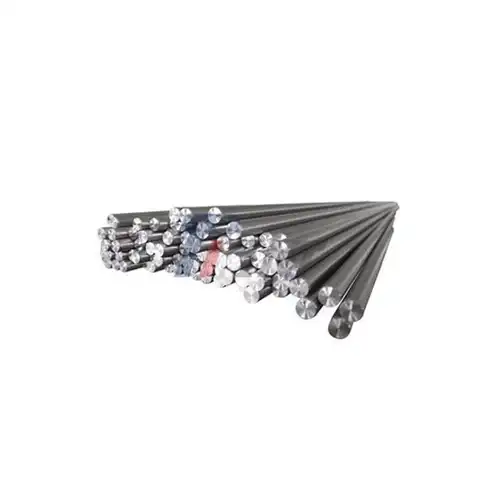
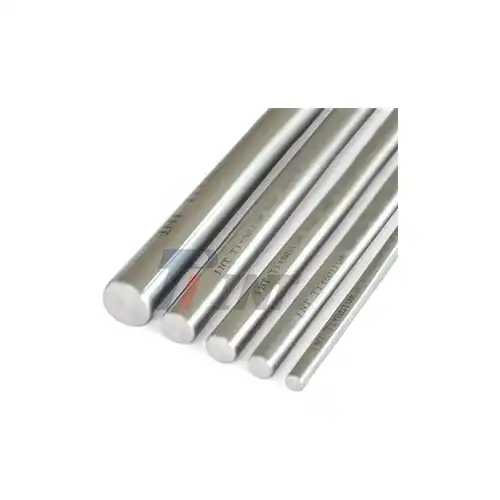
Can titanium rods rust? The answer is definitively no. Unlike iron-containing metals, titanium rods, particularly medical grade titanium rod 210mm x 7 specifications, do not rust because they lack iron content. Instead, titanium forms a protective oxide layer that prevents corrosion, making it ideal for medical implants and industrial applications where long-term durability matters most.
|
|
|
Introduction
In areas like medicine and industry, where reliability and longevity are important, it is important to know how stable titanium rods are against rust. People often ask, "Can titanium bars rust?" That question is answered by this report. Titanium bars that are 210 mm long and 7 mm wide are used in medicine. To find out how immune they are to rust and rusting, we look at their chemical and physical properties. This content is perfect for B2B buyers, engineers, resellers, and OEM clients who want to know trustworthy details about materials that will help them buy parts that are safe, last a long time, and work well.
Titanium doesn't work as well as it should because many people don't know the difference between rust and rusting. Titanium is not like other materials because it has unique properties that protect it from damage when it comes in touch with water and air. Purchasing workers can pick the right materials for important tasks when they know the differences between these types of materials.
Understanding Rust and Corrosion in Metals
Rust is a chemical reaction primarily involving iron and oxygen that forms iron oxide, commonly seen in steels and iron alloys. Titanium's chemistry is fundamentally different—it does not contain iron and thus cannot form rust in the traditional sense. Instead, titanium is susceptible to corrosion, but primarily via oxidation that results in a stable and protective oxide layer rather than destructive rust.
The Science Behind Titanium's Corrosion Resistance
When titanium comes in touch with air, a thin layer of titanium dioxide (TiO2) forms on top of it. This oxide film forms spontaneously and can fix itself if it breaks. When it comes in touch with air, it grows back right away. The oxide layer is very good at protecting against weather damage, even though it's only a few nanometers thick.
Environmental Factors Affecting Titanium Performance
Titanium is very stable in a lot of different weather conditions. Temperatures, acids, and chloride-rich environments that would quickly break down steel don't have much of an effect on titanium's structure. Titanium is very strong, which makes it useful in medical settings where the material needs to be able to handle body fluids and cleaning processes without breaking down.
The American Society for Testing and Materials (ASTM) did some study that shows titanium can stay strong even in harsh situations that would break down other metals quickly. This information backs up the choice of titanium for long-lasting uses in business and medicine.
Properties of Medical Grade Titanium Rod 210mm x 7 Relevant to Corrosion Resistance
Medical grade titanium products, such as the medical grade titanium rod 210mm x 7, are engineered for enhanced biocompatibility and corrosion resistance. The specific dimension of 210mm x 7mm offers an optimal balance of mechanical strength, flexibility, and precision for medical implants and industrial applications. The material naturally resists corrosion through the formation of a thin, harmless oxide film, providing superior performance over stainless steel in demanding environments.
Chemical Composition and Mechanical Properties
The medical grade titanium rod 210mm x 7 typically consists of Extra Low Interstitial (ELI) metal, which is made up of 6% aluminum and 4% vanadium. For strength to weight, this mixture is the best. It also doesn't rust easily. It has a tensile strength of 860 MPa and a yield strength of 795 MPa. It can stretch more than 10%.
Manufacturing Standards and Quality Control
When these bars are made, they are made according to strict international standards such as ISO 5832-3 and ASTM F136. Because these guidelines are used in medicine, they make sure that the structural and dynamic properties stay the same. It is very important to carefully control the amounts of intermediate elements like oxygen, nitrogen, and carbon during the production process. These things directly affect how well the cloth stays together and doesn't break or wear down.
Ultrasonic testing to find flaws inside, checking the chemical make-up, and measurement tolerancing to make sure the 7mm circle standards are met exactly are all part of the quality assurance process. Each rod is checked to make sure it meets the high standards of businesses and companies that make medical products.
Applications and Benefits of Medical Grade Titanium Rod 210mm x 7
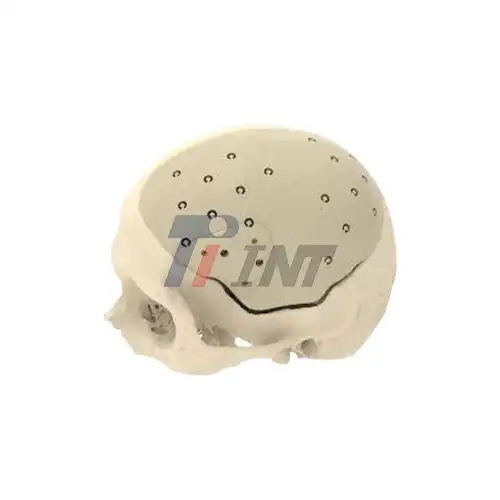
The medical grade titanium rod 210mm x 7 is often used for surgery implants that need to be resistant to rust and have exact measures. It is biocompatible, which means it works well with the body, and is safe for people to use for a long time. A lot of people use the rod in healthcare, in health care, in engineering, and in cars. How well something works is directly related to how long it lasts and how well it handles difficult circumstances.
Medical Applications and Clinical Benefits
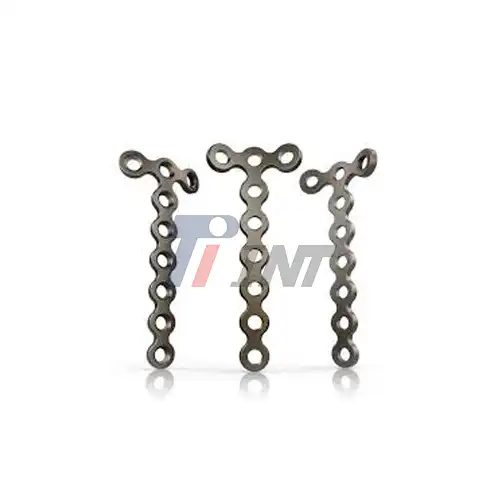
When they are used in orthopedic surgery, these titanium bars help hold together systems that fix damage on the outside. Its 7mm width is strong enough to hold weight, but it's also bendable enough to make the patient comfy. Surgeons like that the material can be made during operations without changing how stable it is.
A very important area where titanium bars are used to fix defects by giving hard support is in spinal surgery. The material can be used for post-operative tracking without making image artifacts because it is MRI-compatible. This is a big advantage over ferromagnetic choices. When something is permeable, it doesn't have a bad effect on the defense system. In time, this makes it easy for it to turn into human meat.
Industrial and Commercial Uses
Other than medical uses, these titanium bars are also used for other things. Also, they are used as precision machining stock for high-performance parts in the car and airplane businesses. The materials are great for CNC cutting difficult parts that need to be very reliable because their qualities don't change and their shapes are always the same. It's important for businesses that make things that titanium doesn't crack from stress corrosion in hard working conditions.
Comparing Medical Grade Titanium Rod 210mm x 7 with Alternatives
It is better for medical grade titanium rods to not rust than stainless steel rods. They are also lighter and have a higher tensile strength. They are a better choice for people who care about these things because of this. The size of 210mm x 7 is a good middle ground. However, close sizes like 200mm x 8 or 210mm x 6 can help with decisions if they are needed for medical or engineering reasons.
Performance Comparison with Stainless Steel
While stainless steel is cheap, it can rust in some conditions because it is made of iron. Titanium is about 110 GPa stiff, which is more like human bone than 200 GPa stiff stainless steel. In other words, metal medical implants are less likely to make you feel less stressed. This physical fit helps people get better long-term results and cuts down on the number of implants that fail.
The lighter weight of titanium is important for airplanes because every gram counts when it comes to fuel economy. For parts of the same size and form made of stainless steel, titanium bars are about 40% lighter. They are also stronger. This weight loss will save money on running costs over the life of the part.
Selection Criteria for Different Applications
A lot of things need to be thought about by hiring workers when they have to pick between different materials. It costs more to buy titanium at first, but it usually pays for itself in less maintenance and longer use. Titanium is a pricey material, but it's worth it for things that need to be totally resistant to rust, like tools used in chemical processing or the ocean.
Procurement Guide for Medical Grade Titanium Rod 210mm x 7
Business-to-business buyers need help finding reliable foreign and local sources of high-quality medical grade titanium rod 210mm x 7 that let them buy in bulk, have it cut to size, and deliver on time. The order must come with proof that it is real and of good quality. This could be certificates of compliance, test results for the materials, or FDA approvals.
Supplier Evaluation and Selection
A thorough look at the seller is the first thing that needs to be done for buying to go well. If you want to buy medical titanium, look for a company that has been making it for a long time and has ISO 13485 medical device quality control approval. Check to see if the seller can give you all the information you need to keep track of it, like proof that it was heated and chemically analyzed for each batch.
People from other countries often have good deals on big orders, but buyers need to think about how much shipping will cost and how long they will have to wait. The unit costs may be higher if you deal with and get things from people in your own country. When deciding what to buy, you should think about the total cost of ownership. This should include any possible rush delivery fees and quality assurance testing.
Documentation and Compliance Requirements
Each package needs to have an EN 10204 3.1 Material Test Report attached to it. The heat number, chemistry make-up, and mechanical test results should all be in this report. Facilities that are listed with the FDA must keep full records so that the government can check them. To avoid delays or mistakes that cost a lot of money, set clear standards for things like packing, surface finish, and straightness.
When you buy a lot of things, you should be very careful about how you negotiate the terms of payment and the promise. When you buy something from a seller more than once, they may give you more time to pay. Also, insurance should cover the cost of repairing broken parts. You could set up framework deals to know exactly how much people will pay when they buy from you again.
Conclusion
Bars made of titanium don't rust because titanium doesn't contain iron and makes safe oxide layers on its own. The medical grade titanium rod 210mm x 7 is strong, doesn't rust, and is safe for living things. It's the perfect choice for tough jobs. When you know these things about the products, you can make smart purchases that put long-term success ahead of cost at first.
Titanium is the best material for important medical and business uses because it doesn't rust, performs well mechanically, and meets government standards. You need to carefully pick your providers, have all the right paperwork, and know what affects the total cost of ownership in order to buy the right things.
FAQ
Q1: Can titanium rods develop any form of corrosion?
A: Titanium doesn't rust, but it can dissolve in difficult conditions, like places with a lot of hydrofluoric acid or low temperatures that make the metal weak. In a normal hospital or workplace, these things don't happen very often, though. Most of the dangerous things that you come across in daily life can't get through the protective oxide covering.
Q2: What certifications are required for medical grade titanium rods?
A: Medical grade titanium bars must meet ASTM F136 or ISO 5832-3 standards in order to be used in implants. The FDA makes suppliers who want to sell medical equipment in the US sign up. For quality control, ISO 13485 licenses may also be needed, as well as biocompatibility testing that meets ISO 10993 guidelines.
Q3: How can buyers verify the authenticity of medical grade titanium rods?
A: Use regulatory sources to make sure the seller is qualified, and for each batch, ask for full text test findings. Real buyers show proof that the finished item can be traced back to the titanium mill from which it came. Testing by a third party can prove the chemistry make-up and mechanical properties when needed.
Q4: What surface finish is required for implant applications?
A: For medical devices, surfaces need to be flat, cut, and polished, and they need to have Ra values less than 0.4 micrometers. This finish is smooth, so it doesn't hurt soft tissues and doesn't let germs stick. As long as the product is made well, rougher surface finishes might be fine for use in factories.
Contact Baoji INT Medical Titanium Co., Ltd. for Premium Medical Grade Titanium Solutions
You can trust Baoji INT Medical Titanium Co., Ltd. to make your medical grade titanium rod 210mm x 7. They have been making medical titanium items for more than 20 years. Our ISO 13485-certified center makes sure that all of your important applications always meet legal and quality standards. Send an email to export@tiint.com to talk to our expert team about your needs, get full material specs, and get great deals on big orders. We make it easy for you to buy by giving you full paperwork, fast delivery, and ongoing expert help.
References
1. Boyer, R.R. "An Overview on the Use of Titanium in the Aerospace Industry." Materials Science and Engineering: A, Vol. 213, 1996.
2. Geetha, M., Singh, A.K., Asokamani, R., and Gogia, A.K. "Ti Based Biomaterials, the Ultimate Choice for Orthopaedic Implants." Progress in Materials Science, Vol. 54, 2009.
3. Donachie, Matthew J. "Titanium: A Technical Guide, 2nd Edition." ASM International, 2000.
4. Rack, H.J. and Qazi, J.I. "Titanium Alloys for Biomedical Applications." Materials Science and Engineering: C, Vol. 26, 2006.
5. Schutz, R.W. and Thomas, D.E. "Corrosion of Titanium and Titanium Alloys." ASM Handbook, Volume 13: Corrosion, ASM International, 1987.
6. Long, M. and Rack, H.J. "Titanium Alloys in Total Joint Replacement." Biomaterials, Vol. 19, 1998.
_1752463076575.webp)
_1751959047184.webp)
_1751957234428.webp)