
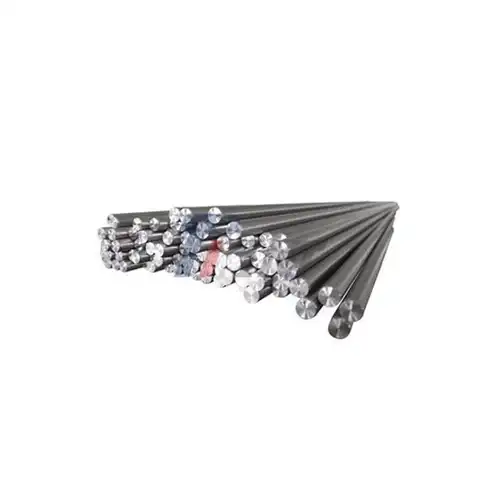
ASTM F67 Titanium Bar


Lightweight and extremely durable material.
Corrosion-resistant for long-term use.
High strength-to-weight ratio for flexibility.
Excellent fatigue resistance for durability.
Customizable to suit surgical needs.
Reliable in critical medical environments.
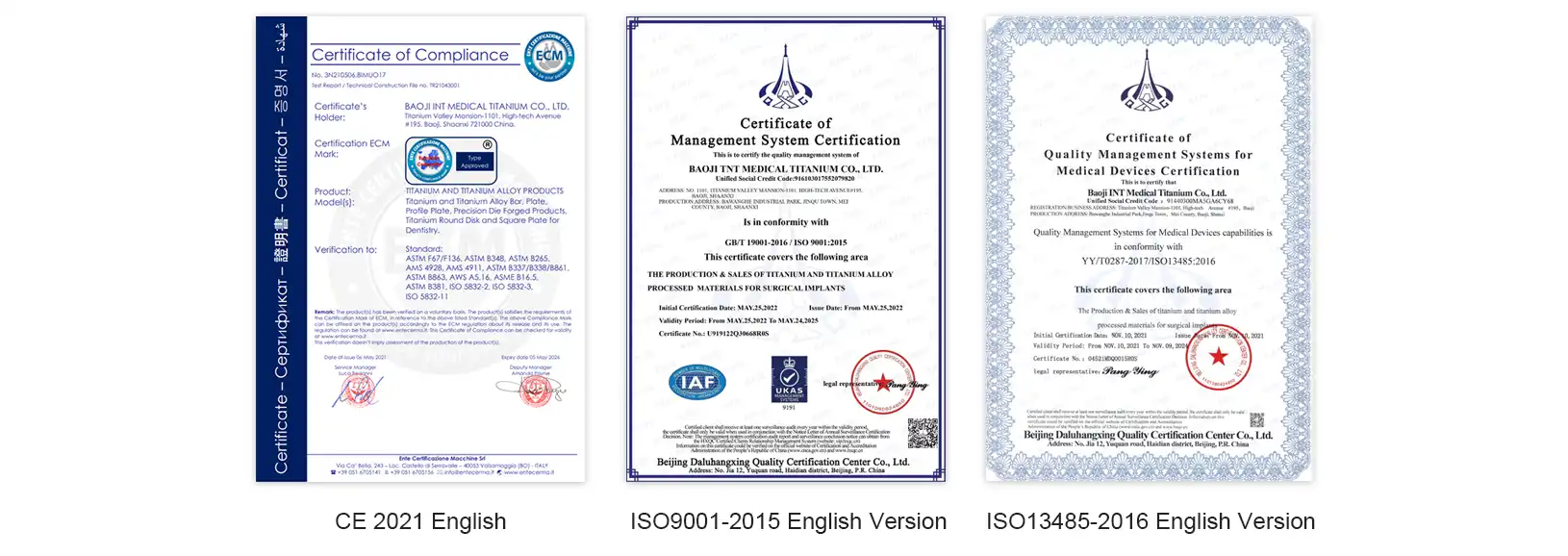
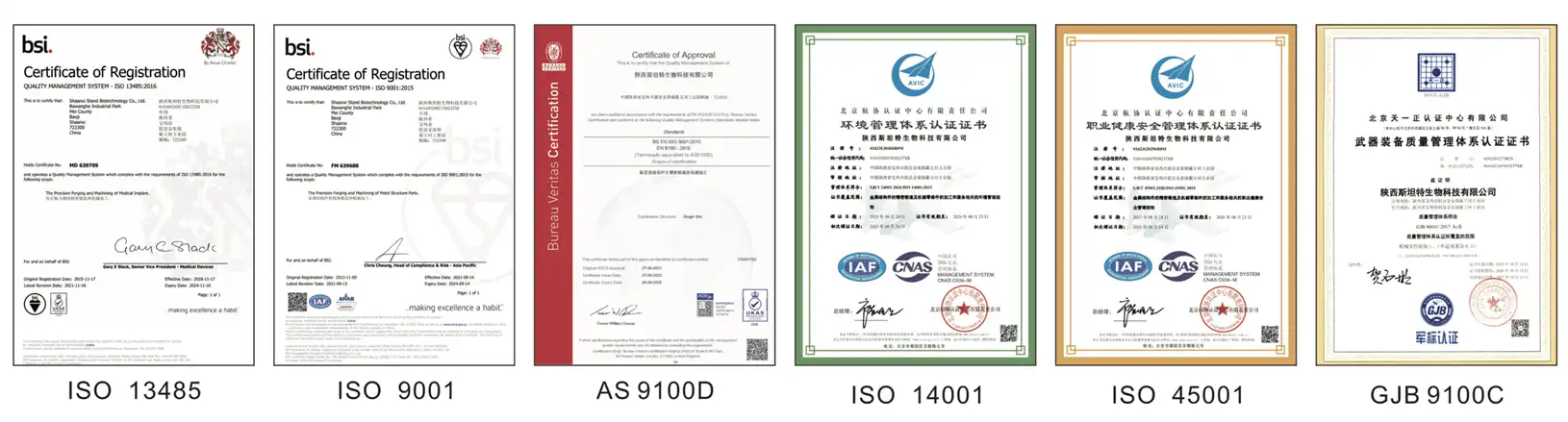
All products have passed ISO9001:2015, ISO13485:2016, EU CE safety certification
ASTM F67 Titanium Bar for Surgical Implant Applications | Medical-Grade Solutions
Baoji INT Medical Titanium Co., Ltd. delivers precision-manufactured ASTM F67 Titanium Bar engineered specifically for surgical implant applications. Founded in 2003, we accumulated more than 30 years of titanium industry experience and strictly implement the ISO13485:2016 medical device quality management system. Our production capabilities guarantee bars with controlled oxygen concentration (Grade 1: ≤0.18%, Grade 2: ≤0.25%, Grade 3: ≤0.35%, Grade 4: ≤0.40%) and hydrogen content less than 0.015% for the best biocompatibility. Each product batch is subject to interstitial element analysis according to ASTM E1409 standards, ultrasonic inspection according to AMS 2631 criteria and full mechanical testing. In our ISO9001:2015 and EU CE certified facility we produce bars from Ø6mm to Ø200mm with length customisation up to 6000mm.
Understanding Medical-Grade Titanium Standards
This is the official specification for commercially pure (CP) titanium for permanent implantations in the human body only. This is not your industrial grade titanium meeting ASTM B348, this is medical grade material with tighter restrictions on the composition to remove the risk of cytotoxicity and metallosis.
The specification allows for four different grades based on the concentrations of interstitial elements. Grade 1 has the highest formability and lesser tensile strength. Grade 4 has better mechanical qualities for load-bearing applications . This tiered structure allows manufacturers of medical devices to choose the best material properties for particular surgical needs.
Your sourcing decisions have a direct impact on patient safety outcomes. Material that meets this standard provides confidence that it will meet FDA regulatory processes and international criteria for long-term biological ISO 5832-2 integration.
Technical Specifications and Material Properties
Our product production maintains precise compositional control across all four grades:
|
Grade |
Oxygen (max %) |
Iron (max %) |
Nitrogen (max %) |
Tensile Strength (MPa) |
Yield Strength (MPa) |
Elongation (min %) |
|
1 |
0.18 |
0.20 |
0.03 |
240 |
170 |
24 |
|
2 |
0.25 |
0.30 |
0.03 |
400 |
275 |
20 |
|
3 |
0.35 |
0.30 |
0.05 |
500 |
380 |
18 |
|
4 |
0.40 |
0.30 |
0.05 |
580 |
485 |
15 |
The modulus of elasticity (around 105 GPa) is close to the natural cortical bone as opposed to stainless steel (200 GPa) or cobalt-chrome alloys (240 GPa). This property reduces the stress shielding phenomena responsible for implant loosening in orthopaedic applications.
Its resistance to corrosion in physiological settings is absolute over pH fluctuations. A naturally formed passive coating of titanium dioxide limits the release of ions which can cause an inflammatory reaction or discolouration of the tissue.
|
|
|


Critical Quality Verification Protocols
Professional procurement demands verification beyond standard mill test reports. Your quality assurance should include:
Interstitial Element Analysis: Laboratories must employ inert gas fusion methods (ASTM E1409) for accurate hydrogen, oxygen, and nitrogen quantification. Hydrogen content exceeding 0.015% increases embrittlement risk under cyclic loading conditions common in joint prosthetics.
Alpha Case Inspection: Surface oxygen diffusion during hot working creates brittle alpha-case layers. Metallographic examination per ASTM E407 confirms complete removal through machining or chemical milling. Residual alpha case initiates fatigue cracks under physiological stress cycles.
Ultrasonic Testing: Immersion scanning following AMS 2631 Class A protocols detects subsurface voids or inclusions. Defects as small as 0.8mm diameter compromise sterile barrier integrity in implantable devices.
Mechanical Verification: Tensile testing (ASTM E8) and bend testing (ASTM E290) from each production lot validates grade-specific strength and ductility parameters essential for surgical manipulation and long-term performance.
Proven Medical Applications
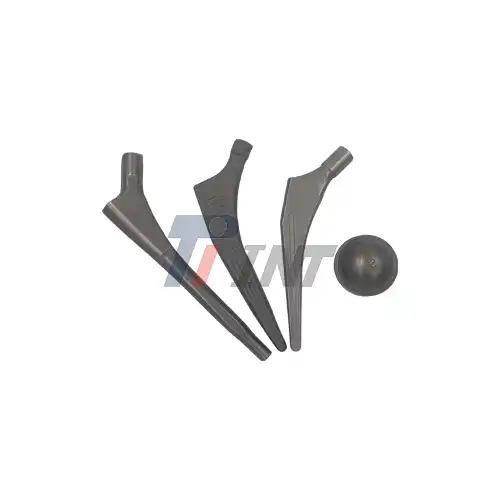
Dental Implant Systems: Grade 4 ASTM F67 Titanium Bar serves as raw material for endosseous fixtures and abutment components. The material withstands masticatory forces exceeding 400N while promoting rapid bone apposition at the implant-tissue interface. Reduced healing periods benefit both practitioners and patients in competitive dental markets.
Maxillofacial Reconstruction: Grades 1 and 2 bars are precision-machined into cranial mesh systems and orbital floor plates. Superior ductility permits intraoperative contouring to patient-specific anatomical geometries without microcracking. This flexibility proves invaluable in trauma reconstruction and oncological defect repair.
Orthopedic Fixation Devices: Cortical and cancellous bone screws manufactured from these bars demonstrate exceptional fatigue resistance under cyclical loading. In inflammatory environments created by fracture healing, the material's immunity to pitting corrosion prevents premature degradation and subsequent treatment failure.
Spinal Fusion Hardware: Pedicle screws and interbody cages machined from Grade 2 material provide necessary strength while maintaining radiolucency for post-operative imaging assessment. The biocompatible surface chemistry encourages bone ongrowth crucial for successful arthrodesis.
Manufacturing Capabilities and Customization
We have the precise processing capabilities to meet complex medical device needs. Tolerance of essential dimensions of the CNC turning and milling centers is ±0.02mm. Surface finish standards are met with bearing surfaces below Ra values of 0.8μm where needed.
Bar diameters range from 6 mm for tiny bone screws to 200 mm for femoral stem blanks. High volume production efficiency with customised lengths up to 6000mm. Straightness tolerances are 0.5mm per metre for maximum usage of material in machining processes.
Heat treatment schedules can be designed to create particular microstructural features. Stress-relief annealing removes the residual tensions generated by forging and machining operations, which can lead to dimensional instability during sterilisation cycles.
Supply Chain Reliability for Medical OEMs
You need dependable material availability to satisfy your production schedules. Our inventory management system holds strategic levels of stock for the most commonly demanded grades and dimensions. Normal wait times are 3-5 weeks for stock sizes, but we can accommodate rush processing for urgent needs.
Each shipment is accompanied by traceability documentation including material certifications traceable to original melt numbers, dimensional inspection reports and mechanical test results. This documentation enables you to satisfy your design history file and regulatory submission obligations.
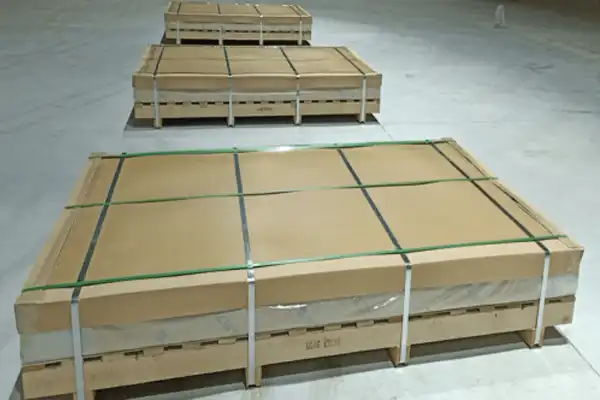
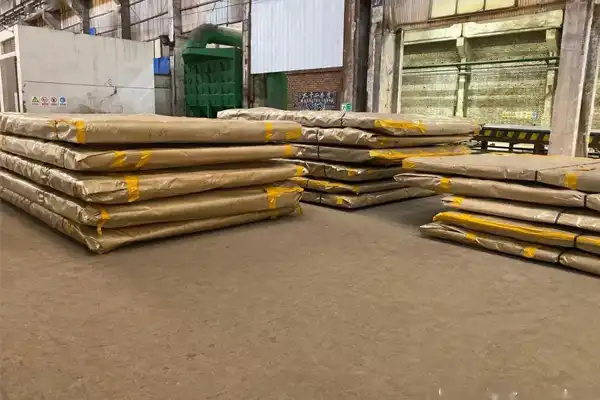
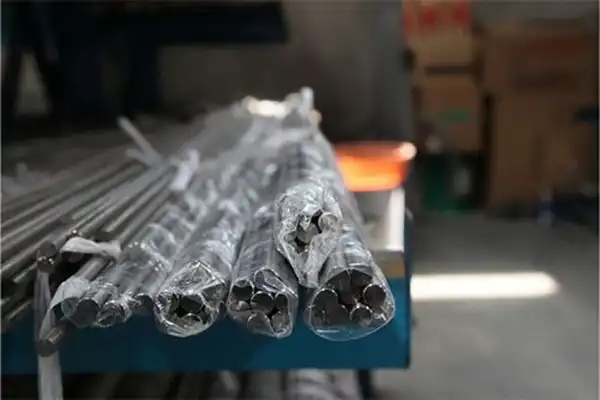
Packaging techniques preserve the integrity of materials in international transmission. Individual bars are wrapped in VCI paper, packed in moisture-resistant film and placed in wooden crates that conform to ISPM-15 phytosanitary regulations for worldwide transportation.
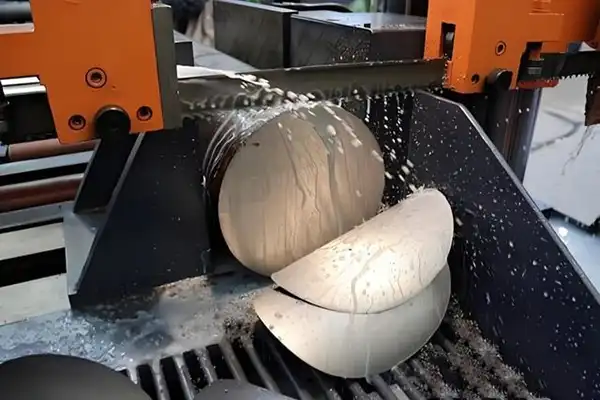
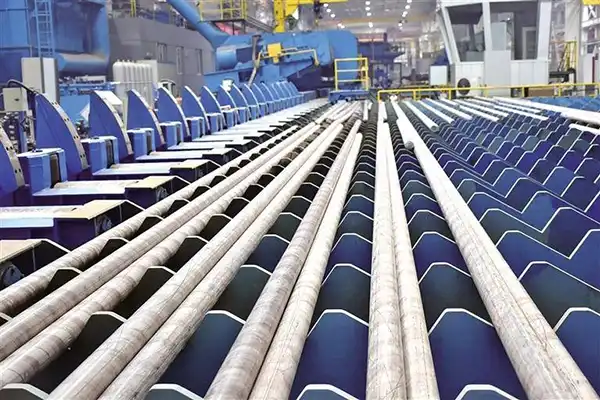
Product Technology and Production Process
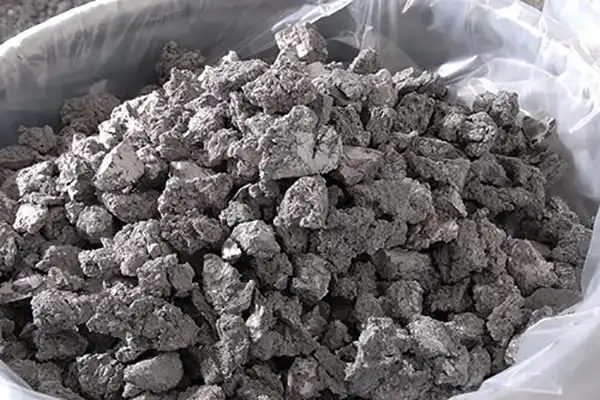
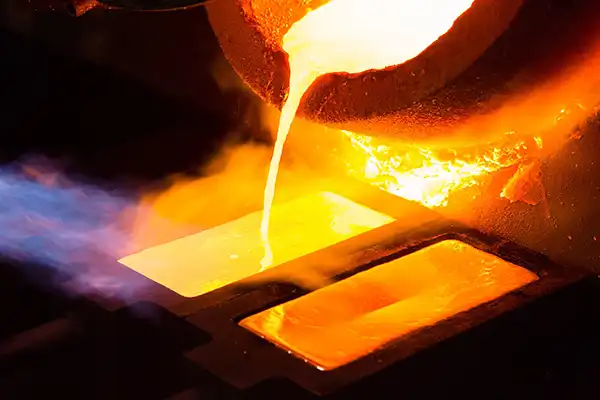
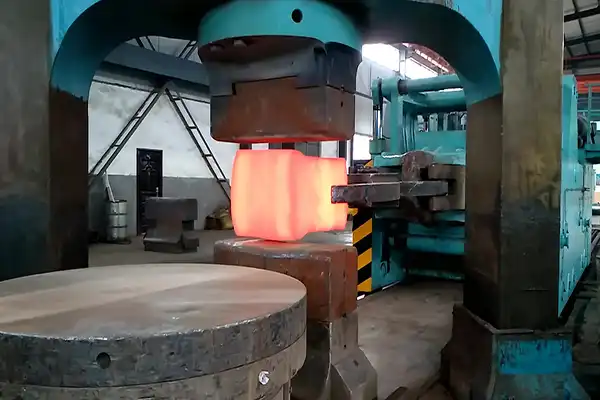
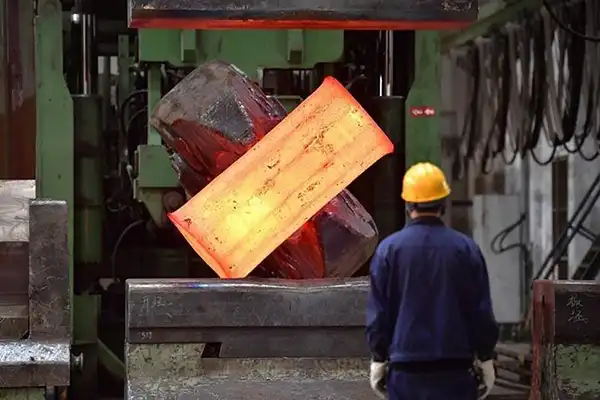
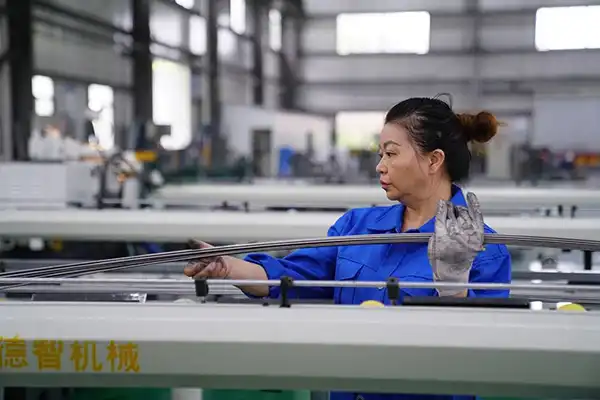
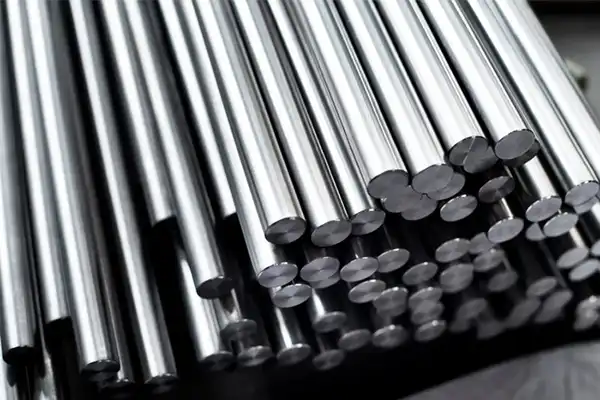
Hot rolling and forging techniques that enhance the mechanical properties, ensuring superior strength and toughness.
Ultrasonic testing to detect flaws and ensure 100% reliability.
Strict quality control at every stage of production, meeting and exceeding international medical standards like ISO9001:2015 and ISO13485:2016.
 |
 |
 |
 |
 |
 |
 |
 |
Industries Catered
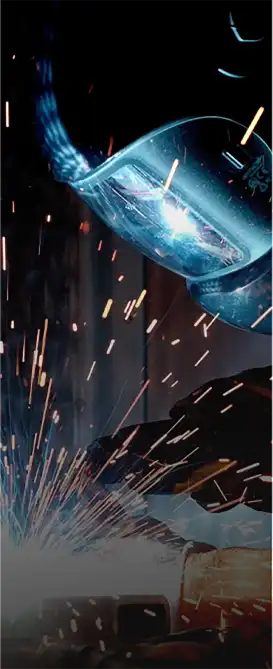
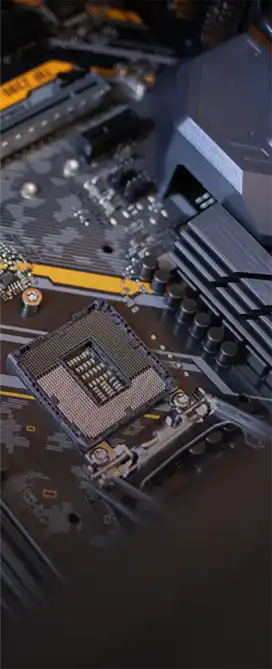
Our products are widely used in medical, automotive, aerospace, chemical, scientific and technological manufacturing and electronic information industries.
 |
 |
 |
 |
 |
 |
Our Factory - A Legacy of Excellence
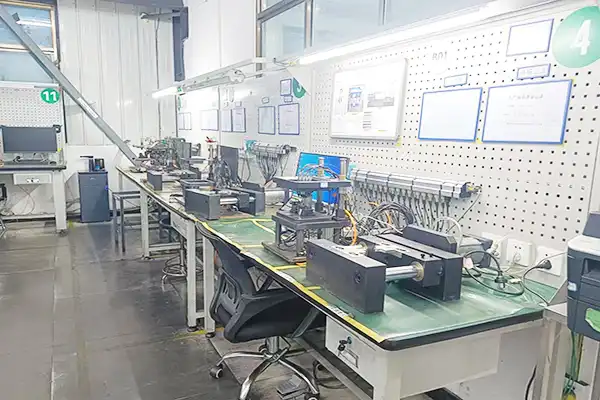
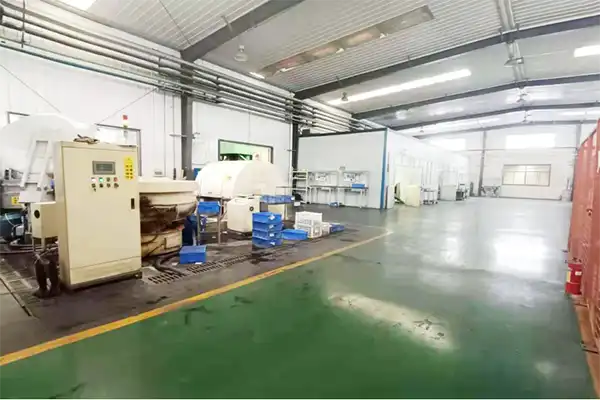
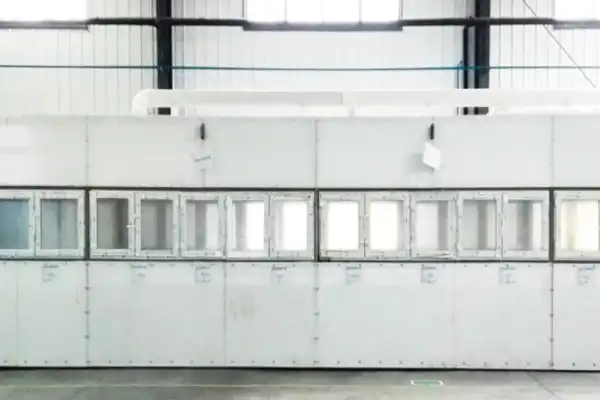
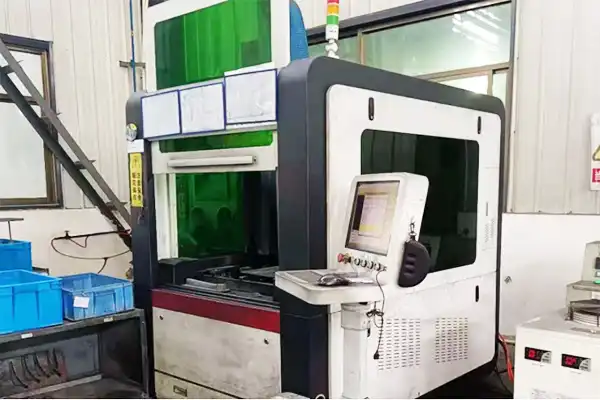
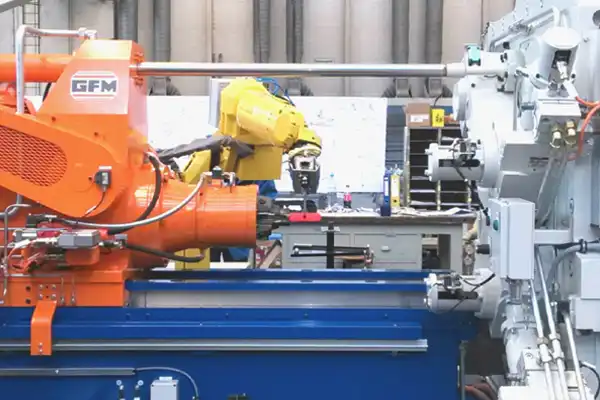
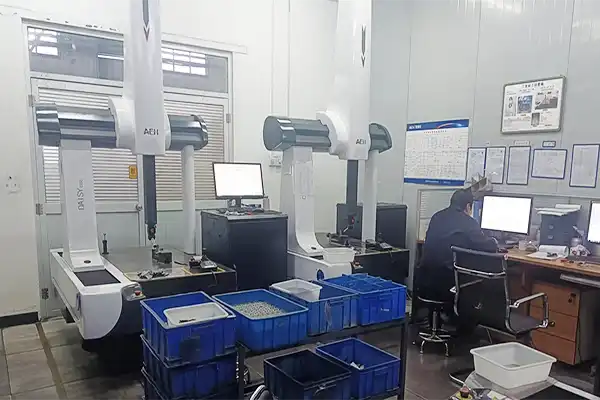
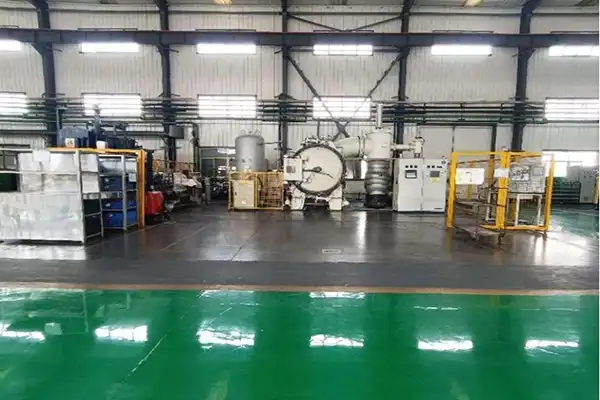
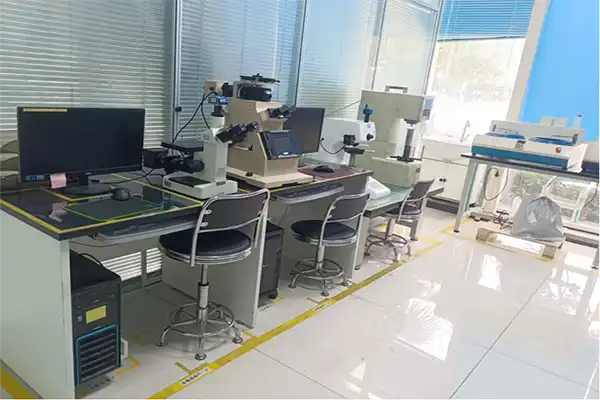
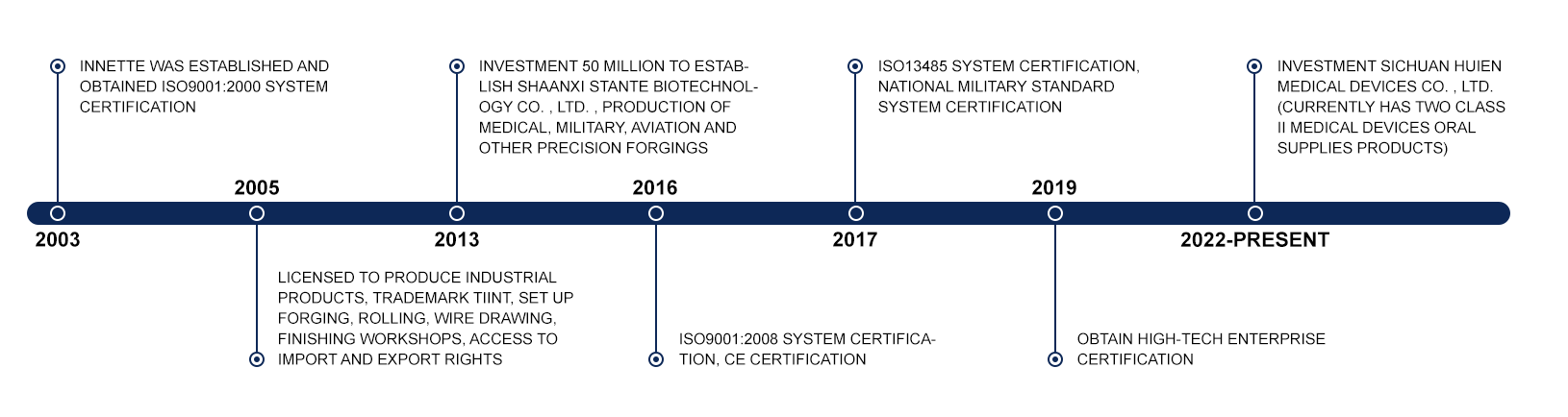
Founded in 2003 by titanium industry expert Mr. Zhan Wenge, Baoji INT Medical Titanium Co., Ltd. has grown into a benchmark enterprise in the R&D and production of medical titanium materials. With more than 30 years of experience, INT is deeply invested in the development of high-quality titanium for the medical sector. We provide a full range of titanium products, including pure titanium, Ti6Al4V ELI titanium, and custom titanium alloy forgings.
 |
 |
 |
 |
 |
 |
 |
 |
Packaging and Transportation
 |
 |
 |
Why Choose Us?
Choosing Baoji INT Medical Titanium Co., Ltd. means partnering with a trusted leader in the medical titanium industry.
Here’s why:
Proven Expertise: Over 30 years of experience in medical titanium production.
Advanced Technology: State-of-the-art production lines and equipment.
International Certifications: ISO9001:2015, ISO13485:2016, and EU CE certifications.
Comprehensive Support: We provide ongoing technical support, ensuring our products fit seamlessly into your manufacturing process.
Customer-Centric Approach: Committed to delivering high-quality products on time, every time.
For inquiries or orders, please contact us at export@tiint.com. We look forward to partnering with you for your medical titanium needs.
FAQ
Q: What differentiates ASTM F67 from ASTM B348 titanium bars?
A: ASTM F67 imposes stricter limits on interstitial elements (particularly hydrogen) and requires enhanced traceability. The specification is written exclusively for surgical implants, ensuring biocompatibility testing and documentation necessary for medical device approvals. ASTM B348 serves general industrial applications without biological safety requirements.
Q: How do I select the appropriate grade for my application?
A: Grade selection balances mechanical strength requirements against formability needs. Grade 1 suits applications requiring complex forming or maximum ductility. Grade 4 addresses high-stress environments like load-bearing dental implants. Consult with our technical team regarding your specific device design parameters and loading conditions.
Q: Can you provide material suitable for both FDA and EU MDR compliance?
A: Yes. Our production controls align with both FDA 21 CFR Part 820 quality system requirements and EU Medical Device Regulation 2017/745. Material certifications reference applicable harmonized standards including ISO 5832-2, supporting regulatory submissions in multiple jurisdictions.
Q: What minimum order quantities apply?
A: Minimum order quantities vary by specification. Standard grades and dimensions may be available in quantities as low as 50kg. Custom specifications typically require 200kg minimums to justify dedicated production runs. Contact our sales team for project-specific pricing and MOQ information.
Q: Do you offer additional services beyond bar supply?
A: Our capabilities extend to precision machining of semi-finished implant components. Services include CNC turning of stem blanks, thread rolling for bone screws, and surface treatment protocols. These value-added services reduce your supply chain complexity and accelerate time-to-market.
Partner With Experienced Medical Titanium Specialists
Contact our medical materials division at export@tiint.com to discuss your ASTM F67 Titanium Bar requirements and receive detailed quotations tailored to your production needs.