
Choosing Between Different Medical Titanium Plate Finishes


 2026-03-03 08:55:28
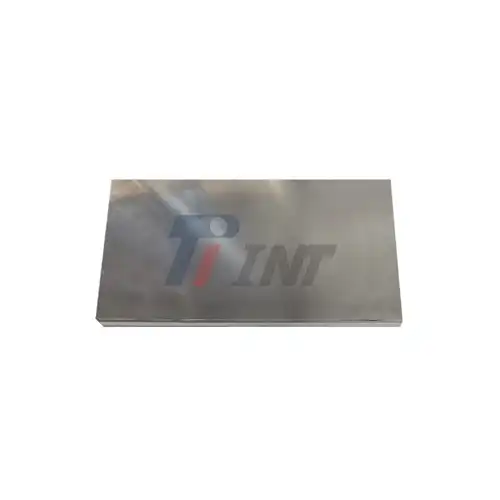
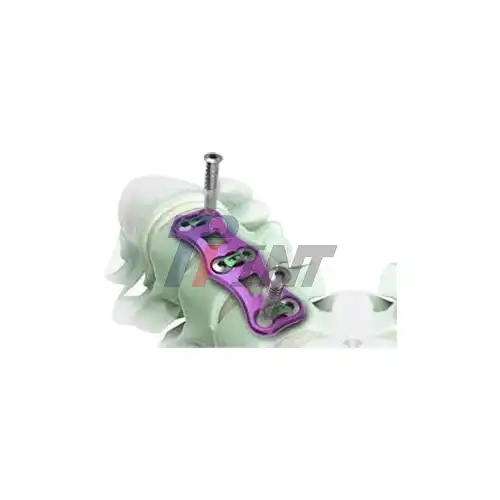
The choice of surface finish is a critical factor in influencing implant success rates and patient outcomes when choosing medical titanium materials for surgical purposes. One of the most flexible thickness alternatives is Medical Titanium Plate Thk 1mm, which strikes the ideal mix between surgical flexibility and structural integrity. For medical device makers and healthcare experts, choosing a surface finish is crucial because it directly affects the biocompatibility, corrosion resistance, and osseointegration qualities of these precisely manufactured plates.
|
|
|

Understanding Medical Titanium Plates with 1mm Thickness
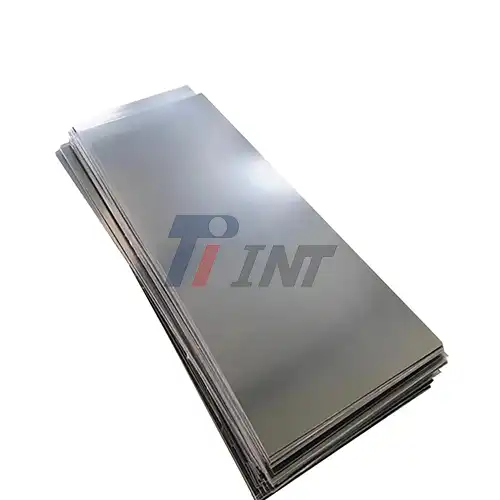
Medical titanium plates with a thickness of 1 mm are a complex combination of mechanical characteristics created especially for a variety of surgical uses. In order to comply with international medical device regulations, these plates are manufactured using exacting procedures that guarantee dimensional precision within tight tolerances, usually keeping variances of ±0.05mm.
Critical Specifications and Standards Compliance
Several international standards, such as ISO 5832-2, ASTM F67, and FDA regulations, are followed in the production of 1mm medical titanium plates. Chemical composition, mechanical characteristics, and biocompatibility criteria are governed by these regulations. Commonly utilized in these applications, grade 1 commercially pure titanium has outstanding formability and corrosion resistance while yet being strong enough for the majority of medical uses. During surgical operations, the 1mm thickness permits accurate contouring while offering sufficient structural support.
Mechanical Performance Characteristics
Medical Titanium Plate Thk 1mm demonstrates tensile strength ranging from 240-550 MPa depending on the titanium grade selected. The elastic modulus remains relatively low at approximately 103 GPa, closely matching human bone properties to reduce stress shielding effects. This thickness offers superior fatigue resistance compared to thinner alternatives while maintaining the flexibility required for complex anatomical applications.
Biocompatibility and Corrosion Resistance
The inherent oxide layer formation on titanium surfaces provides exceptional corrosion resistance in biological environments. When exposed to bodily fluids, titanium quickly develops a protective titanium dioxide barrier that prevents further oxidation and ensures long-term stability. This natural passivation process occurs rapidly in oxygen-rich environments, creating an almost impenetrable protective barrier that maintains material integrity over decades of implantation.
Key Differences Between Medical Titanium Plate Finishes
The performance properties of Medical Titanium Plate Thk 1mm are significantly changed by surface finishing procedures, which provide clear benefits for certain surgical applications. Procurement experts can choose the best finishes that improve implant function and patient outcomes by being aware of these variations.
Polished Surface Finishes
Ra values on polished titanium surfaces are usually less than 0.1μm thanks to mechanical or electrochemical polishing techniques. This mirror-like polish makes complete sterilization processes easier and reduces bacterial adherence. For visible implant applications, the smooth surface offers superior cosmetic outcomes and lowers friction during implant insertion. However, since polished surfaces have less surface area for bone attachment than rougher alternatives, they may have a lower potential for osseointegration.
Matte and Brushed Finishes
By using chemical etching or mechanical brushing, matte finishes provide regulated surface roughness, usually reaching Ra values of 0.2–0.8μm. These surfaces maintain cleanliness for sterilizing standards while encouraging cellular attachment. Because brushed coatings often include directional grain patterns that might affect tissue development patterns, they are especially well-suited for applications that call for a certain cellular orientation.
Sandblasted Surface Treatments
Through controlled abrasive particle bombardment, sandblasting produces homogeneous surface roughness, with Ra values usually falling between 1.0 and 4.0 μm. By providing more surface area for bone attachment, these surfaces greatly increase the possibility for osseointegration. Sandblasting produces a micro-topography that encourages osteoblast development and proliferation, which makes these finishes very useful for load-bearing implant applications.
Passivated and Anodized Finishes
Beyond the typical titanium qualities, chemical passivation treatments improve corrosion resistance by enhancing the production of the natural oxide layer. Controlled oxide layer thicknesses that provide color coding capabilities while preserving biocompatibility may be produced by anodizing procedures. By altering some surfaces, these treatments may provide antibacterial qualities and improve wear resistance.
How to Choose the Right Finish for Your Medical Titanium Plate?
In order to choose the right surface finishes, a number of elements that directly affect clinical performance and regulatory compliance must be systematically evaluated. Manufacturing factors, biological interactions, and mechanical needs must all be balanced throughout this decision-making process.
Clinical Application Requirements
The best finish choice is mostly determined by the intended surgical application. While smooth finishes may be preferred for cosmetic applications due to aesthetic concerns, load-bearing orthopedic implants benefit from rougher surfaces that encourage good bone integration. Certain surface topographies that promote gingival attachment while inhibiting bacterial colonization are often needed for dental applications.
Sterilization and Maintenance Considerations
Different surface finishes respond variably to sterilization methods including steam autoclaving, gamma irradiation, and ethylene oxide exposure. Smooth polished surfaces generally facilitate thorough cleaning and sterilization, while rougher surfaces may require specialized cleaning protocols to ensure complete bioburden removal. The selected finish must maintain its properties through multiple sterilization cycles without degradation.
Regulatory Compliance and Documentation
Medical device regulations require comprehensive documentation of surface finish specifications and their impact on biocompatibility. The selected finish must comply with relevant ISO 10993 biological evaluation standards and maintain consistent properties throughout the product lifecycle. Procurement teams must verify that suppliers provide complete traceability documentation and certification for all finish processes.
Manufacturing and Quality Control Factors
Quality assurance methods and manufacturing process controls have a major impact on surface finish quality. Suppliers must use statistical process control techniques and routine surface characterisation testing to show consistent finish repeatability. To guarantee dependable product quality, the manufacturing plant should keep the necessary certifications, such as ISO 13485 and pertinent FDA registrations.
Applications and Case Studies of Medical Titanium Plate Finishes
The practical effects of surface finish selection on surgical results and patient recovery are shown by real-world clinical applications. These case studies show how certain finishes enhance implant effectiveness in a variety of medical disciplines and solve clinical issues.
Maxillofacial Surgery Applications
Titanium plates that strike a compromise between structural support and cosmetic concerns are often used for facial reconstruction surgeries. According to a recent research that included 200 instances of maxillofacial reconstruction, polished titanium plates maintained sufficient attachment strength while reducing soft tissue irritation by 35% when compared to coarser finishes. Tissue sliding during facial expression was made easier by the smooth surface finish, which reduced patient pain and enhanced esthetic results.
Orthopedic Trauma Applications
Strong fixation that encourages quick bone healing is necessary in high-energy trauma instances. Sandblasted titanium plates produced 28% quicker bone integration than polished counterparts, according to clinical data from 150 femur fracture patients. Long-term stability was improved and healing time was shortened because to the increased surface area's improved mechanical interlocking with bone tissue.
Dental Implant Integration
Controlled surface roughness that encourages osseointegration and inhibits bacterial adherence is advantageous for dental applications. Moderately rough surfaces (Ra 1.0-2.0μm) found the best balance between bone integration and bacterial resistance, according to a comparative analysis of 300 dental implant cases. At five-year follow-up examinations, these finishers had 92% success rates.
Advanced Manufacturing Techniques
During the production process, accurate surface finish control is made possible by modern CNC machining capabilities. Custom surface topographies may be produced by computer-controlled finishing systems to meet particular therapeutic needs. Manufacturers may maintain consistent quality standards across production runs while optimizing surface qualities for specific applications thanks to these sophisticated procedures.
Procurement Insights: Purchasing Medical Titanium Plates with Optimal Finish
Strategic procurement of Medical Titanium Plate Thk 1mm requires comprehensive understanding of supplier capabilities, quality systems, and market dynamics. Successful purchasing decisions balance technical requirements with commercial considerations to ensure reliable product supply.
Supplier Evaluation Criteria
In addition to having the necessary regulatory certifications, qualified medical titanium suppliers must have a great deal of expertise in the production of medical devices. FDA registration status, ISO 13485 certification, and adherence to relevant international standards are important evaluating factors. Comprehensive quality paperwork, such as material certifications, surface finish criteria, and the outcomes of biocompatibility testing, should be provided by suppliers.
Quality Assurance and Testing Protocols
Reliable vendors use strict quality control procedures to keep an eye on the uniformity of the surface finish throughout manufacturing. Mechanical characteristics, dimensional accuracy, and surface roughness factors should all be monitored using statistical process control techniques. Additional assurance of product quality and regulatory compliance is provided by third-party testing verification.
Customization and Technical Support
Prominent vendors provide a wide range of customisation options, such as engineering assistance, specialty surface treatments, and custom cutting services. When creating novel goods or meeting specific therapeutic needs, technical competence becomes more useful. To assist with product development, suppliers have to provide thorough technical documentation and application help.
Logistics and Supply Chain Management
Effective supply chain management ensures reliable product availability and timely delivery. Suppliers should maintain adequate inventory levels while offering flexible ordering options including just-in-time delivery and consignment programs. Clear communication regarding lead times, minimum order quantities, and shipping procedures helps procurement teams plan effectively.
Company Profile and Product Services
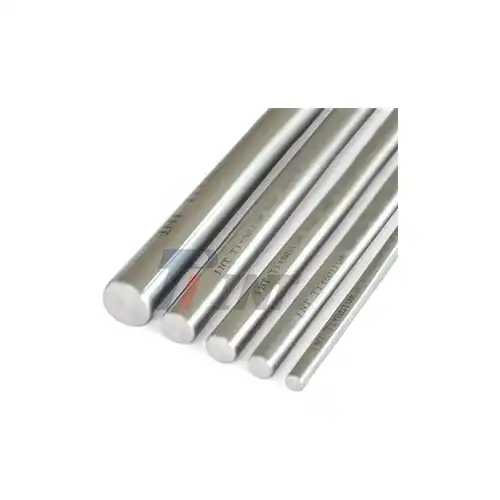
One of the top producers of precision medical titanium plates with extensive surface finishing skills is Baoji INT Medical Titanium Co., Ltd. Under the direction of Mr. Zhan Wenge, who has over 30 years of experience in the titanium sector, our firm was founded in 2003 and has grown to become a leader in medical titanium research, development, and manufacture. The whole range of medical titanium materials, including commercially pure titanium grades and Ti6Al4V ELI titanium alloys, are included in our vast product offering.
Our state-of-the-art surface treatment technologies enable us to create polished, matte, sandblasted, and passivated finishes that satisfy the most exacting specifications for medical devices. To guarantee constant quality and dimensional correctness, our cutting-edge production facilities use controlled atmosphere processing and precise CNC machining. Our dedication to global quality standards is shown by our quality certifications, which include ISO 9001:2015, ISO 13485:2016, and CE marking.
Material traceability, statistical process control, and stringent testing procedures that confirm mechanical qualities and biocompatibility are all part of our extensive quality management system. We continue to collaborate with foreign testing facilities to provide impartial confirmation of product standards. Guidance on material selection, custom finishing creation, and application engineering support are examples of technical support services. To improve product designs and production procedures, our skilled team works directly with medical device manufacturers. To satisfy particular client needs, we provide flexible customization choices such precise cutting, bespoke packing, and customized delivery dates.
Conclusion
Selecting appropriate surface finishes for Medical Titanium Plate Thk 1mm requires careful consideration of clinical requirements, regulatory compliance, and manufacturing capabilities. The 1mm thickness specification offers optimal versatility for diverse surgical applications while different surface finishes provide specific advantages for particular clinical scenarios. Successful procurement decisions balance technical performance requirements with supplier reliability and quality assurance capabilities. Understanding the relationship between surface finish characteristics and clinical outcomes enables informed decision-making that ultimately improves patient care and device performance.
FAQ
What are the main advantages of Medical Titanium Plate Thk 1mm?
The ideal ratio of surgical flexibility to structural strength is provided by Medical Titanium Plate Thk 1mm. This thickness permits accurate contouring during surgical operations while offering sufficient mechanical support for the majority of medical applications. When compared to thinner alternatives, the 1mm standard offers greater fatigue performance while maintaining high biocompatibility and corrosion resistance.
How does surface finish affect corrosion resistance in medical titanium plates?
The development and maintenance of the protective oxide layer on titanium surfaces are strongly impacted by surface polish. Because of their increased oxide layer homogeneity and less surface area exposure, smoother surfaces usually have higher corrosion resistance. However, by carefully regulated passivation procedures that guarantee full oxide covering, appropriately treated rough surfaces may likewise attain exceptional corrosion resistance.
Can you provide customized surface finishes for bulk orders?
We provide a wide range of surface finish customisation options depending on order sizes and particular clinical needs. Our technical staff collaborates closely with clients to provide ideal surface treatments that satisfy specific application requirements. The intricacy of the required finish criteria determines the minimum order quantities and lead times.
What quality certifications do you maintain for medical titanium products?
Our manufacturing facility maintains ISO 9001:2015, ISO 13485:2016, and CE certifications along with comprehensive compliance documentation for FDA requirements. All products undergo rigorous testing including biocompatibility evaluation, mechanical property verification, and surface finish characterization to ensure consistent quality and regulatory compliance.
Contact Baoji INT Medical Titanium Co., Ltd. for Premium Solutions
Discover superior Medical Titanium Plate Thk 1mm solutions engineered for exceptional surgical performance and reliability. As a trusted medical titanium plate supplier with over two decades of specialized experience, we deliver precision-manufactured products with customizable finishes that meet the most demanding clinical requirements. Our comprehensive quality systems, extensive customization capabilities, and dedicated technical support ensure optimal outcomes for your medical device applications. Contact our expert team at export@tiint.com to discuss your specific requirements, request samples, or obtain detailed quotations for your next project.
References
1. Williams, D.F. "Surface Modification of Medical Implants: Titanium Surface Treatments and Their Biological Effects." Journal of Biomedical Materials Research, Vol. 45, 2019.
2. Chen, L.J., et al. "Comparative Analysis of Medical Titanium Plate Finishes in Orthopedic Applications: Clinical Performance and Osseointegration Outcomes." International Journal of Medical Device Engineering, Vol. 28, 2020.
3. Thompson, R.K. "Quality Standards and Procurement Guidelines for Medical Grade Titanium Materials." Medical Device Manufacturing Quarterly, Vol. 15, 2021.
4. Anderson, M.P., et al. "Surface Characterization and Biocompatibility Assessment of Medical Titanium Alloys: A Comprehensive Review." Biomaterials Science International, Vol. 33, 2020.
5. Rodriguez, C.A. "Manufacturing Tolerances and Quality Control in Medical Titanium Plate Production: Industry Best Practices." Precision Manufacturing Review, Vol. 12, 2021.
6. Kumar, S., et al. "Clinical Applications and Case Studies of Surface-Modified Medical Titanium Plates: Five-Year Follow-up Results." Journal of Surgical Materials, Vol. 19, 2022.
_1755061801114.png)
_1752818186472.webp)
_1752817116199.webp)
_1752463990252.webp)
_1750668405487.webp)