
Sustainable Sourcing of Titanium for Medical Applications


 2026-03-03 08:55:27
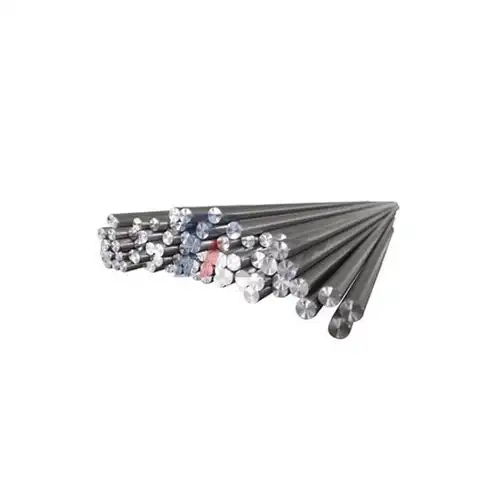
Sustainable sourcing of titanium has become a cornerstone of responsible medical device manufacturing, addressing both environmental stewardship and supply chain reliability. Medical device manufacturers increasingly recognize that implementing sustainable procurement practices for titanium bar for medical use not only reduces environmental impact but also ensures long-term business continuity. The healthcare industry's growing emphasis on sustainability has transformed how companies approach material sourcing, moving beyond traditional cost-focused procurement to embrace comprehensive environmental and social responsibility frameworks that benefit patients, manufacturers, and communities alike.
|
|
|
Understanding Medical Grade Titanium Bars and Their Applications
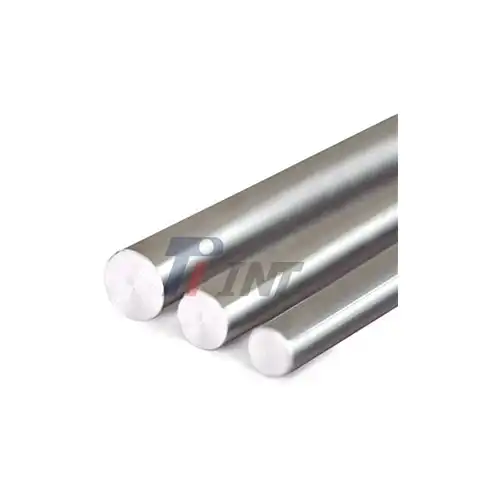
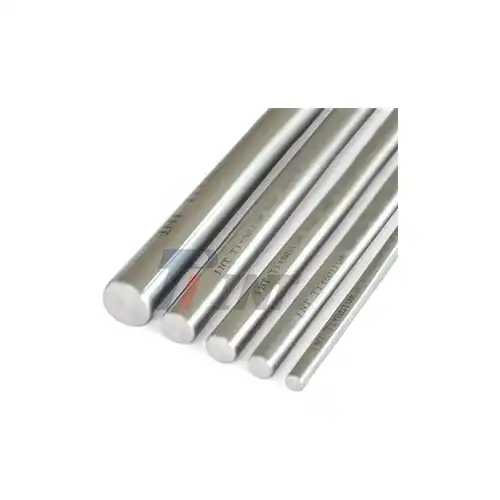
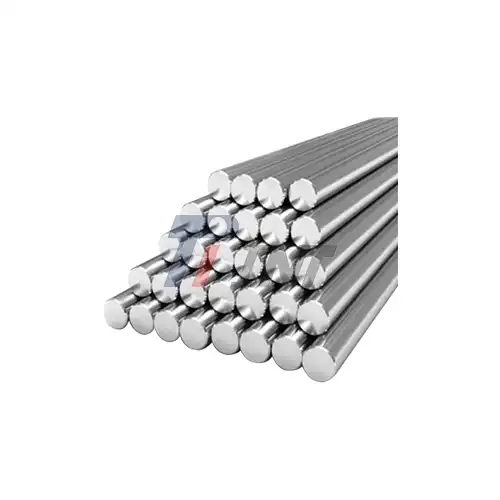
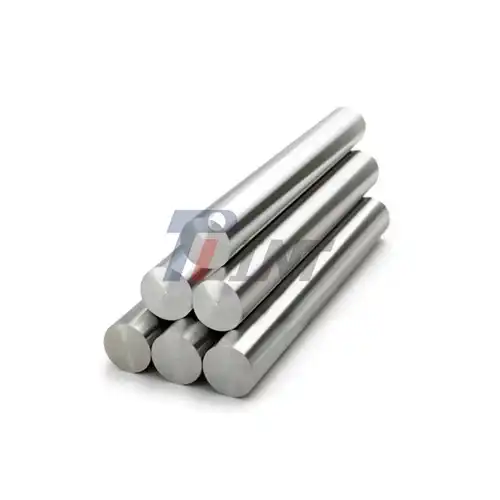
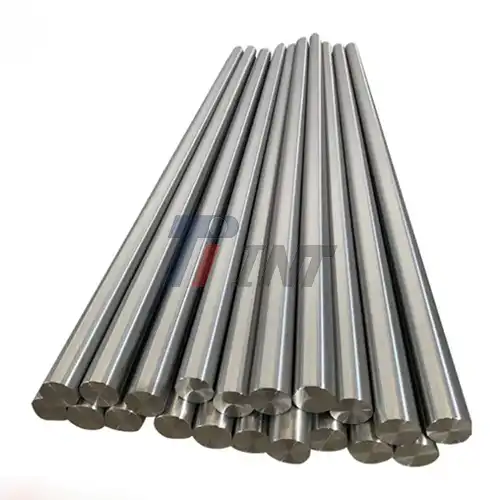
Titanium bar for medical use represents one of the most sophisticated material innovations in modern healthcare, with specific alloy compositions engineered to meet stringent biocompatibility requirements. The classification system for medical titanium includes Grade 2 pure titanium, Grade 5 (Ti-6Al-4V), and Grade 23 (Ti-6Al-4V ELI), each offering distinct properties optimized for different medical applications.
Titanium Alloy Compositions and Classifications
Grade 2 titanium serves as the foundation for many medical applications, offering excellent corrosion resistance and biocompatibility in its commercially pure form. This grade contains minimal alloying elements, making it ideal for applications requiring maximum tissue compatibility. Grade 5 titanium, composed of 6% aluminum and 4% vanadium, provides enhanced mechanical strength while maintaining biocompatibility, making it suitable for load-bearing implants such as hip and knee replacements.
Grade 23 titanium, known as Ti-6Al-4V ELI (Extra Low Interstitials), represents the premium standard for medical applications. This alloy features reduced oxygen, nitrogen, and carbon content compared to Grade 5, resulting in improved ductility and fatigue resistance. The lower interstitial content makes Grade 23 particularly suitable for long-term implantation scenarios where material reliability becomes critical for patient safety.
Key Properties for Medical Applications
The special crystalline structure and chemical makeup of medical-grade titanium give it its remarkable qualities. Since titanium provides a persistent oxide layer that inhibits negative tissue reactions, biocompatibility continues to be the most important feature. The possibility of hazardous metal ion release that arises with other metallic materials is eliminated by this oxide layer, which is just a few nanometers thick and forms an inert barrier between the metal and biological tissues.
With a strength-to-weight ratio of 76 kN·m/kg compared to stainless steel's 63 kN·m/kg, titanium offers better mechanical performance without adding needless weight to patients. Because titanium's elastic modulus, at around 110 GPa, is closer to that of human bone than stainless steel's, which is 200 GPa, stress shielding effects that might cause bone resorption surrounding implants are lessened.
Sustainable Sourcing Practices for Medical Titanium Bars
The medical device industry's titanium procurement practices have changed as a result of environmental awareness, with manufacturers putting in place extensive sustainability frameworks to reduce environmental effect while maintaining material quality and supply dependability. Sustainable solutions are becoming more and more important for ethical producers since conventional titanium mining and processing techniques use a lot of energy and produce a lot of environmental waste.
Ecological Challenges and Solutions
Energy-intensive procedures are often used in titanium mining to extract titanium dioxide from mineral ores such as rutile and ilmenite, which serve as critical upstream raw materials for producing high-purity titanium and downstream products like titanium bar for medical use. Sustainable sourcing uses a number of creative strategies to overcome these issues. With recycled titanium retaining the same qualities as virgin material and requiring up to 95% less mining for the recycled component, recycled titanium content integration has become a leading alternative.
One further essential element of sustainable titanium sourcing is energy-efficient production techniques. While streamlined processing schedules promote furnace usage efficiency, advanced vacuum melting procedures and better furnace designs minimize energy consumption during alloy manufacture. Comparing these advancements to conventional techniques, the energy consumption per kilogram of completed titanium may be lowered by 30–40%.
Certification and Traceability Systems
Sustainable sourcing requires robust certification systems that verify environmental and ethical standards throughout the supply chain. ISO 14001 environmental management certification ensures suppliers maintain systematic environmental impact reduction programs. Additionally, responsible mineral sourcing certifications verify that titanium ores originate from ethically managed mining operations that respect local communities and environmental regulations.
Traceability systems enable complete material history documentation from ore extraction through final product delivery. Advanced tracking technologies, including blockchain-based systems, provide immutable records of material origin, processing steps, and quality verifications. This transparency allows medical device manufacturers to verify sustainability claims and maintain compliance with increasingly stringent regulatory requirements.
The implementation of these sustainable practices delivers measurable benefits beyond environmental protection. Supply chain risk reduction occurs through diversified sourcing strategies that include recycled content, reducing dependence on primary mining operations. Cost optimization emerges through improved resource efficiency and waste reduction, while brand reputation enhancement attracts environmentally conscious customers and investors.
Comparing Titanium Bars with Alternative Materials in Medical Devices
Material selection decisions significantly impact device performance, patient outcomes, and long-term healthcare costs, making comprehensive material comparisons essential for informed procurement decisions. Understanding the relative advantages and limitations of titanium compared to alternative materials enables manufacturers to optimize their product designs and cost structures.
Mechanical Performance Analysis
Because it is readily available and reasonably priced, stainless steel, especially 316L grade, has long been used as a standard material for medical equipment. Titanium, however, performs better in a number of important categories. According to fatigue resistance tests, stainless steel usually indicates fatigue failure at far lower cycle counts under comparable loading circumstances, but titanium maintains structural integrity over millions of stress cycles. Another area in which titanium outperforms substitutes is corrosion resistance.
Although chromium oxide production protects stainless steel against corrosion, this passive layer may degrade in biological conditions that are high in chloride, resulting in localized corrosion and possible device failure. The oxide layer of titanium has remarkable stability in biological fluids, retaining protection even under situations of mechanical stress that would jeopardize the protection of stainless steel.
Although cobalt-chromium alloys have strong strength properties that make them appropriate for load-bearing applications, titanium has a density of 4.5 g/cm³, but cobalt-chromium alloys have a density of around 8.3 g/cm³. In major orthopedic devices and spinal implants, where patient comfort and surgical handling concerns favor lighter materials, this weight differential becomes more significant.
Biocompatibility and Patient Outcomes
Clinical data regularly shows that titanium produces better patient outcomes than other materials. According to osseointegration research, titanium surfaces facilitate direct bone-to-implant contact without the need for soft tissue creation, which eventually results in more secure implant fixation. Because titanium promotes osteoblast adhesion and proliferation while reducing inflammatory reactions, this biological integration takes place.
When compared to materials containing nickel, chromium, or cobalt, the incidence of allergic reactions is still much lower with titanium. Nickel, a key component in stainless steel alloys, causes sensitivity in around 10-15% of the population, but titanium allergies affect fewer than 1% of patients. Long-term patient satisfaction is increased and revision surgery risks are decreased because to this compatibility benefit.
Procurement Considerations for Medical Grade Titanium Bars
Effective procurement strategies balance quality assurance, cost optimization, and supply chain reliability while meeting stringent regulatory requirements for critical materials such as titanium bar for medical use. The complexity of medical grade titanium procurement requires specialized knowledge of material specifications, supplier capabilities, and regulatory compliance frameworks.
Supplier Evaluation Criteria
Choosing certified titanium suppliers requires a thorough assessment of technical prowess, quality control procedures, and regulatory compliance records. A basic prerequisite that shows the supplier's dedication to medical device industry standards is ISO 13485:2016 medical device quality management system certification. Furthermore, the supplier's competence to service international medical device markets is shown by FDA registration and EU MDR compliance.
The examination of materials testing procedures, quality control laboratory capabilities, and melting and processing equipment should all be included in the technical capacity assessment. While sophisticated testing apparatus permits thorough material characterization, including chemical composition, mechanical characteristics, and microstructural investigation, vacuum melting capabilities guarantee uniform alloy composition and little contamination.
Given the unpredictability of the world economy and geopolitical factors, supply chain stability becomes more crucial. Supply security is increased by suppliers with strategic inventory management systems and a variety of raw material sources. Compared to transactional buying arrangements, long-term partnership models often provide superior results, allowing suppliers to make investments in capacity expansion and capability enhancements to support client development.
Logistics and Quality Assurance
To avoid contamination and preserve material traceability, handling medical-grade titanium necessitates certain packing and shipping procedures. Particulate pollution that can jeopardize material qualities or device manufacturing procedures is avoided in clean room packaging conditions. Every cargo is accompanied by the appropriate paperwork, such as chain-of-custody records, test reports, and material certifications. The intricate processing needs of medical-grade titanium must be taken into consideration when estimating lead times.
Depending on product requirements and order quantities, lead times for vacuum melting, forging, and precision machining procedures typically range from 8 to 16 weeks. Demand forecasting and strategic inventory management reduce supply interruptions and maximize working capital needs. Incoming inspection processes that compare material certifications with actual received items should be a part of quality verification procedures. Additional assurance of material conformance is offered by independent testing and random sampling, especially for essential applications where material failure might endanger patient safety.
Ensuring Quality and Compliance in Medical Titanium Bars
Quality assurance frameworks for medical titanium encompass comprehensive testing protocols, regulatory compliance verification, and continuous monitoring systems that ensure consistent product performance throughout the supply chain. The critical nature of medical applications demands rigorous quality standards that exceed those required for industrial applications.
Sterilization Compatibility and Material Performance
Titanium-based medical equipment must endure a variety of sterilizing techniques without losing their mechanical or surface qualities. The most used sterilization technique is steam sterilization at 134°C, and titanium bar exhibits exceptional stability with no oxidation or change in mechanical properties. Although dosage buildup effects should be taken into account for numerous sterilization cycles, gamma irradiation sterilization also demonstrates compatibility with titanium materials.
Sterilization by electron beam preserves the integrity of titanium while enabling quick processing. According to surface analysis studies, titanium surface chemistry and roughness characteristics that affect biocompatibility are unaffected by well managed electron beam sterilization. While maintaining patient safety, these sterilization compatibility features allow for flexible production and distribution methods.
Testing Standards and Certification Requirements
The ASTM F136 standard, which establishes stringent restrictions for chemical composition, tensile qualities, and microstructural features, regulates the composition and mechanical properties of Ti-6Al-4V ELI alloy for surgical implants. To guarantee sufficient mechanical performance for surgical applications, compliance testing necessitates verification of ultimate tensile strength (minimum 860 MPa), yield strength (minimum 795 MPa), and elongation (minimum 10%).
According to ISO 10993 series standards, biocompatibility testing uses cytotoxicity, sensitization, and implantation tests to assess biological safety. Titanium materials are guaranteed to exhibit suitable biological response profiles for their intended therapeutic applications thanks to these thorough biological assessments. Frequent retesting verifies constant material performance and preserves certification validity.
Complete material history records from the receipt of raw materials to the delivery of the finished product are required by traceability documentation standards. For regulatory compliance and any product recall situations, heat treatment records, inspection findings, and handling protocols must be kept up to date. This documentation system facilitates quick resolution of quality-related problems and encourages ongoing improvement projects.
Baoji INT Medical Titanium Co., Ltd.: Your Trusted Medical Titanium Bar Solutions
Baoji INT Medical Titanium Co., Ltd. stands as a leading manufacturer in the medical titanium industry, bringing over two decades of specialized experience in developing and producing high-quality titanium materials for healthcare applications. Founded in 2003 under the visionary leadership of Mr. Zhan Wenge, who possesses more than 30 years of titanium industry expertise, our company has evolved into a benchmark enterprise for medical titanium research, development, and processing.
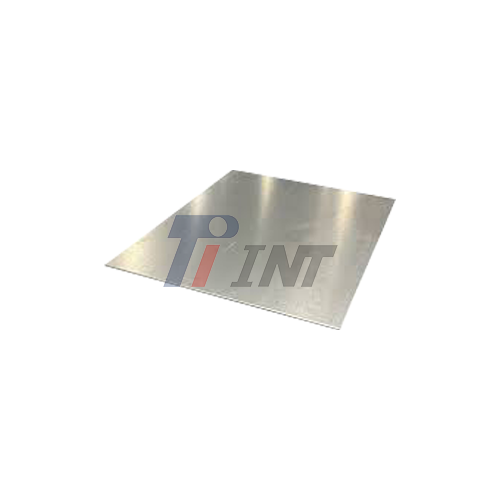
Our comprehensive product portfolio encompasses the complete spectrum of medical-grade titanium materials, including pure titanium, Ti-6Al-4V ELI alloys, and precision-manufactured rods, wires, plates, and forged products available in various specifications and dimensions. The exceptional properties of our titanium products make them indispensable across multiple medical applications. Our materials demonstrate excellent biocompatibility that ensures patient safety, while their lightweight yet durable characteristics provide optimal performance in demanding medical environments.
The superior strength-to-weight ratio of our titanium products delivers exceptional flexibility for complex surgical procedures, while outstanding fatigue resistance ensures long-term durability in permanent implant applications. We offer extensive customization capabilities to meet specific surgical requirements, providing tailored solutions that address unique clinical challenges. Our materials maintain reliability in the most critical medical environments, supported by comprehensive quality assurance protocols.
All Baoji INT products have achieved ISO 9001:2015 international quality system certification, ISO 13485:2016 medical device quality management system certification, and EU CE safety certification, demonstrating our unwavering commitment to international quality standards. Our Ti-6Al-4V and Ti-6Al-4V ELI alloys exhibit excellent human tissue compatibility, ensuring minimal rejection risk in clinical applications.
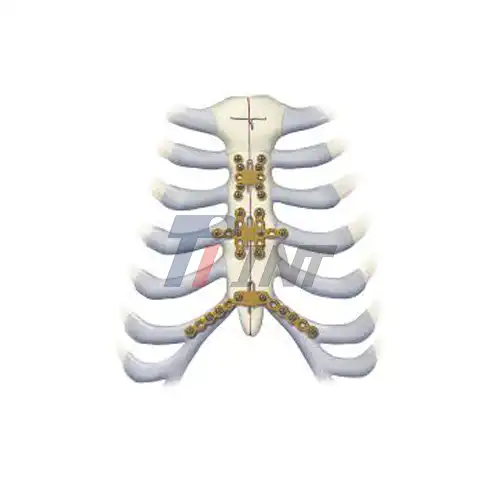
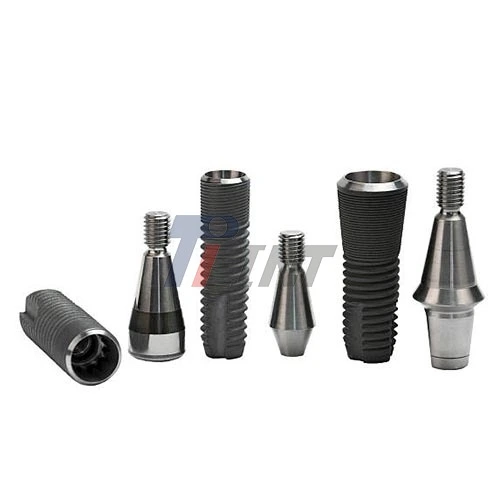
Our manufacturing capabilities serve diverse medical applications including orthopedic implants for joint replacements and bone fixation systems, dental implants requiring long-term biocompatibility, precision surgical instruments demanding exceptional performance characteristics, spinal implants for fusion surgeries, and trauma fixation devices for fracture repair applications. Through strategic partnerships and continuous innovation, we have established ourselves as a trusted supplier for medical device manufacturers worldwide, supporting their mission to improve patient outcomes through superior material solutions.
Conclusion
Sustainable sourcing of titanium for medical applications represents a fundamental shift toward responsible manufacturing practices that benefit patients, healthcare providers, and the environment. The exceptional properties of medical-grade titanium, including superior biocompatibility, strength-to-weight ratio, and corrosion resistance, make it the optimal choice for critical medical devices despite the need for careful procurement considerations.
Implementing comprehensive sustainability frameworks while maintaining rigorous quality standards requires partnership with experienced suppliers who understand both environmental stewardship and medical device regulatory requirements. The future of medical titanium sourcing lies in balancing sustainability goals with clinical performance requirements, ensuring that environmental responsibility enhances rather than compromises patient care outcomes.
Partner with Baoji INT Medical Titanium Co., Ltd. for Superior Medical Titanium Solutions
Medical device manufacturers seeking a reliable titanium bar for medical use supplier can trust Baoji INT Medical Titanium Co., Ltd. to deliver exceptional quality and sustainable sourcing practices. Our two decades of specialized experience, comprehensive certifications, and commitment to innovation make us the ideal partner for your medical titanium requirements.
Contact our expert team at export@tiint.com to discuss your specific needs and discover how our customizable titanium solutions can enhance your medical device performance. Explore our complete product portfolio and learn more about our sustainable manufacturing practices that support your environmental goals while ensuring superior patient outcomes.
References
1. American Society for Testing and Materials. "Standard Specification for Wrought Titanium-6Aluminum-4Vanadium ELI Alloy for Surgical Implant Applications." ASTM International, 2019.
2. International Organization for Standardization. "Biological Evaluation of Medical Devices - Part 1: Evaluation and Testing Within a Risk Management Process." ISO 10993-1:2018.
3. Rack, H.J., and Qazi, J.I. "Titanium Alloys for Biomedical Applications." Materials Science and Engineering: C, vol. 26, no. 8, 2006, pp. 1269-1277.
4. Niinomi, M. "Mechanical Biocompatibilities of Titanium Alloys for Biomedical Applications." Journal of the Mechanical Behavior of Biomedical Materials, vol. 1, no. 1, 2008, pp. 30-42.
5. European Commission. "Study on the Review of the List of Critical Raw Materials - Critical Raw Materials Factsheets." Publications Office of the European Union, 2020.
6. World Health Organization. "Medical Device Regulations: Global Overview and Guiding Principles." WHO Technical Report Series, No. 1003, 2021.
_1753927576158.png)
_1753926358324.jpg)
_1752820927376.webp)
_1752643437358.webp)