
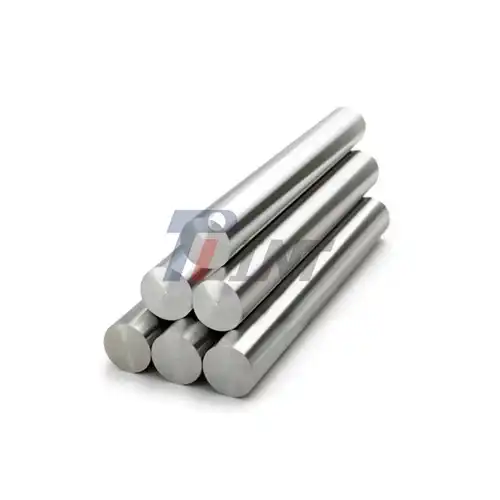
How to Identify High‑Quality Ti6Al4V ELI Titanium Bar Materials Online


 2026-03-04 09:58:09
Identifying high-quality Ti6Al4V ELI Titanium Bar materials online requires careful evaluation of certifications, chemical composition, mechanical properties, and supplier credibility. This extra-low interstitial grade 23 titanium alloy demands strict attention to purity levels, biocompatibility standards, and traceability documentation to ensure optimal performance in critical medical and aerospace applications where material integrity directly impacts safety and reliability.
|
|
|
Introduction
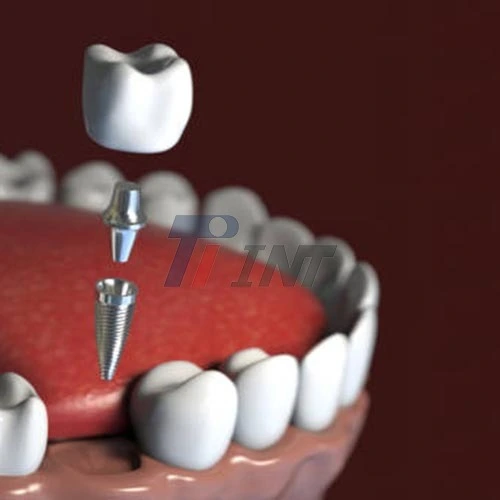
Because of its high strength, biocompatibility, and resistance to corrosion, the Ti6Al4V ELI titanium bar is a material that is extensively used in demanding industries like as aerospace, medical, and industrial production because to its outstanding properties. Particularly in surgical implants and aircraft components that are subjected to harsh circumstances, this extra-low interstitial alloy has emerged as the gold standard for applications in which the failure of the material is not an option.
In the process of buying titanium materials online, global B2B procurement experts confront a unique set of obstacles. In this context, physical inspection is rendered impossible, and the importance of relying on paperwork and the reputation of the supplier becomes crucial. Before making an online purchase of titanium bars, it is vital to have a solid understanding of how to evaluate the quality of the bars in order to guarantee the accuracy, dependability, and compliance of the project with demanding industry requirements. When it comes to the production of medical devices, specifically, the stakes are very high since faults in the materials used might have potentially fatal implications.
The purpose of this all-encompassing book is to provide purchasers with the practical information necessary to recognize quality indicators, compare reliable suppliers, and make well-informed judgments about sourcing in order to get premium titanium resources. The procurement teams are able to traverse the complicated world of online titanium procurement with confidence and accuracy provided they do a complete examination of the certification standards, testing processes, and supplier assessment criteria.
Understanding Ti6Al4V ELI Titanium Bar: Properties and Standards
In accordance with the requirements of the American Society for Testing and Materials (ASTM), Ti6Al4V ELI is categorized as Grade 23 titanium. It differentiates itself from conventional Ti6Al4V by superior purity and mechanical qualities, which make it an appropriate material for applications that need a high level of safety. The term "Extra Low Interstitial" refers to the decrease of interstitial elements, notably oxygen, nitrogen, carbon, and iron, in a manner that is closely regulated. This reduction results in a considerable improvement in the material's fracture toughness and ductility.
Chemical Composition and Purity Requirements
In order to be suitable for use in medical applications, the chemical composition of high-quality Ti6Al4V ELI titanium bars must completely conform to the particular criteria defined in ASTM F136. While the maximum oxygen percentage is regulated at 0.13%, the maximum aluminum content varies from 5.50% to 6.75%, and the maximum vanadium content ranges from 3.50% to 4.50%. In comparison, the oxygen content in ordinary Grade 5 titanium is 0.20%. The material is extremely well-suited for implantable medical devices and important aircraft components as a result of these regulated levels, which provide outstanding damage tolerance and resistance to fracture propagation.
The decrease in interstitial content has a direct influence on the microstructure of the material, which ultimately leads to an improvement in ductility and an increase in biocompatibility. There is a major restriction of ordinary Grade 5 titanium, which is that it may display brittleness under certain loading circumstances. This modification solves this issue. In order to ensure that suppliers are in compliance with these demanding composition criteria, procurement specialists are required to check that suppliers supply their suppliers with complete chemical analysis reports.
Essential International Standards and Certifications
To be considered legitimate, providers of Ti6Al4V ELI titanium bars are required to show conformity with a number of international standards, each of which caters to the needs of a particular sector. ASTM F136 is the standard that controls medical applications, guaranteeing that implanted devices have biocompatibility and mechanical performance that is acceptable for patients. In order to meet the needs of the aerospace industry, AMS 4930 pays particular attention to high-temperature performance and fatigue resistance. While EN 2542 is responsible for European aerospace requirements, ISO 5832-3 is responsible for providing worldwide standards for medical devices.
A thorough set of standards for material traceability, mechanical characteristics, surface finish, and quality control procedures is established by these regulatory frameworks. In addition to providing comprehensive material certifications with each shipment, suppliers are required to keep recorded proof of compliance via accredited testing facilities. Tensile strength, yield strength, elongation, and impact toughness are all subjected to stringent testing as part of the certification process. This is done to guarantee that the product achieves consistent performance throughout all manufacturing batches.
Key Criteria to Evaluate High-Quality Ti6Al4V ELI Titanium Bars Online
When purchasing Ti6Al4V ELI bars from the internet, it is essential to establish a comprehensive examination of the material's traceability as the foundation of quality assurance. Mill test reports and certificates of conformity are the key paperwork that are used to validate the authenticity and quality of the product. These documents include specific information on the chemical composition, mechanical qualities, and manufacturing history of the product. For the purpose of establishing trustworthiness, these papers are required to include heat lot numbers, testing date stamps, and signatures from certified laboratories.
Material Traceability and Documentation Requirements
With complete material traceability, the whole manufacturing chain is covered, beginning with the procurement of raw materials and continuing all the way to the final inspection and packing. A full documentation package, which may include raw material certifications, heat treatment records, dimensional inspection reports, and surface quality evaluations, is provided by reputable suppliers. By providing purchasers with this paperwork trail, buyers are able to check compliance with relevant standards, and this documentation trail also offers essential information for regulatory submissions in medical device applications.
Cross-referencing with recognized testing labs and establishing the legitimacy of certifying organizations are two methods that may be used to verify the authenticity of paperwork. Given that counterfeit materials continue to be a chronic concern in the titanium market, procurement teams should be sure to seek further verification if they are working with new suppliers or in situations where the price is exceptionally competitive.
Mechanical Properties and Performance Verification
An in-depth analysis of the mechanical parameters, which includes a tensile strength that falls within the range of 795-930 MPa, a yield strength that falls within the range of 690-825 MPa, and a minimum elongation of 10%, serves as a precaution against substandard materials that might potentially impair essential applications. It is necessary to verify these features by means of standardized testing methods carried out by certified labs, with the findings being recorded in official test certificates after they have been obtained.
When it comes to applications that are subjected to cyclical loads, such as orthopedic implants and aircraft fasteners, fatigue resistance is an essential performance characteristic. In comparison to ordinary titanium alloys, high-quality Ti6Al4V ELI demonstrates greater fatigue strength, with endurance limits that surpass 500 MPa when tested under the suitable circumstances. It is essential that suppliers supply fatigue data whenever it is requested, especially for high-stress applications in which the breakdown of a material might have disastrous repercussions.
Comparing Ti6Al4V ELI Titanium Bar with Alternatives for Different Applications
For the purpose of selecting the best titanium alloy for certain applications, it is necessary to have a grasp of the performance trade-offs that exist between cost, mechanical qualities, and environmental resistance. When compared to ordinary titanium alloys, Ti6Al4V ELI fetches a higher price because to its increased purity and greater mechanical capabilities. However, this kind of investment yields considerable advantages in important applications where the performance of the material directly effects safety and dependability.
Ti6Al4V ELI versus Standard Ti6Al4V
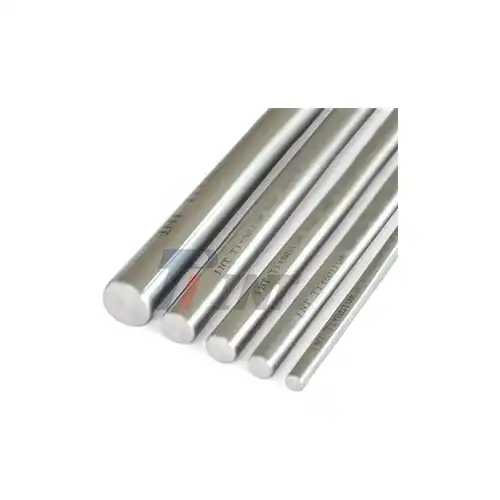
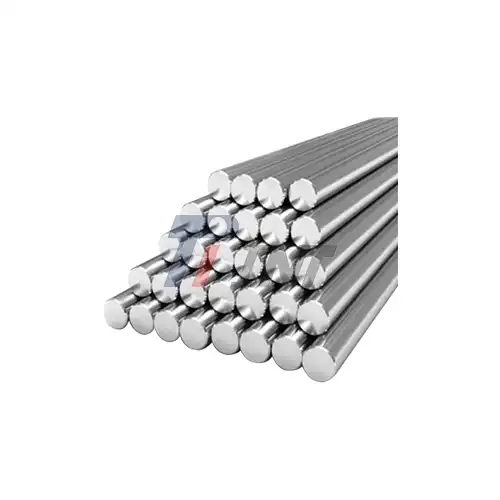
The interstitial element content is the key factor that differentiates Ti6Al4V ELI from ordinary Ti6Al4V. This factor has a significant impact on the fracture toughness and ductility of the material. Standard Ti6Al4V provides sufficient strength for a wide range of applications; however, the ELI form offers higher damage tolerance and increased biocompatibility, both of which are necessary for implanted medical devices. For example, Ti6Al4V ELI Titanium Bar is specifically designed to meet these higher standards for medical use. Typically, the cost difference falls somewhere between 15 and 25 percent; nevertheless, the performance gains justify this premium in applications that are really important.
For applications in which the increased qualities of ELI grade are not absolutely necessary, such as non-implantable medical devices, aerospace fasteners, and marine gear, standard Ti6Al4V continues to be an appropriate material. The better performance qualities of Ti6Al4V ELI are required, however, for applications that involve human contact, harsh stress conditions, or regulatory requirements for materials that are of a medical grade.
Comparison with Alternative Materials
Titanium alloys are superior than stainless steel counterparts in terms of both their resistance to corrosion and their biocompatibility. Steel alternatives are much less costly. Although commercially pure titanium has a high level of biocompatibility, it does not possess adequate strength for load-bearing applications. As a result, Ti6Al4V ELI is the material of choice for orthopedic implants and aircraft structural components. In aircraft applications, where every gram of weight reduction translates to operational efficiency, titanium alloys are often used because of their ability to reduce weight, which in turn justifies the higher material prices.
These comparisons of materials emphasize how important it is to match the selection of alloys to the individual application requirements, taking into consideration elements such as the levels of stress, the environmental conditions, the requirements for biocompatibility, and the compliance with regulatory standards. The choices that are made about procurement should strike a balance between immediate cost concerns, long-term performance needs, and the possible liability risk that is linked with the product selection.
How to Identify Reliable Suppliers and Purchase Best-Quality Ti6Al4V ELI Titanium Bars Online?
In order to locate reliable providers of Ti6Al4V ELI titanium bars, it is necessary to conduct exhaustive verification of certifications, production capabilities, and quality control systems. ISO 13485 certification is maintained by established suppliers for applications for medical devices, AS9100 certification is maintained for aerospace clients, and ISO 9001 certification is maintained for general quality management. It is crucial for key applications to show a commitment to quality systems and regulatory compliance, and these certifications indicate that dedication.
Supplier Qualification and Verification Process
The verification of business credentials, which includes the registration of the firm, the location of the facility, and the financial soundness of the business, is the first step in the process of qualifying suppliers. Facility audits are something that legitimate suppliers are happy to participate in, and they give comprehensive information on their manufacturing procedures, quality control systems, and testing capabilities. In addition to maintaining ties with recognized testing labs, they give frequent reports on the status of certification and regulatory compliance.
The comments from customers and the reputation of the industry itself give vital information about the performance of suppliers, the dependability of their deliveries, and their capacity to solve problems. In order to demonstrate continuous quality and service standards, established suppliers maintain long-term partnerships with large medical device makers and aerospace businesses showcasing their commitment to these industries. References from existing clients provide objective insights on the skills of the provider and their reaction to quality issues.
Cost Considerations and Supply Chain Management
It is important to take into account not just the unit price but also the overall cost of ownership, which includes aspects such as quality assurance, delivery dependability, and technical assistance. Despite the fact that competitive pricing is still very essential, excessively cheap costs often suggest that the quality of the product has been compromised or that the materials are counterfeit, which may lead to catastrophic failures and breaches of regulatory standards. For example, when purchasing Ti6Al4V ELI Titanium Bar, pricing should reflect the quality and specifications required for critical applications. Pricing that is transparent and based on the current prices of raw materials is provided by reputable suppliers, and these suppliers also maintain pricing rules that are constant across all order amounts.
Order quantities and lead times are very important factors to consider when attempting to connect the needs of the supply chain with the limits of the budget and the production schedule. In order to meet the needs of their customers, established suppliers maintain strategic inventory levels in order to provide a variety of delivery choices that are flexible enough to accommodate urgent demands. By providing precise lead time predictions that are based on the existing production capacity and the availability of raw materials, they make it possible to effectively plan production and manage inventories.
Practical Tips and Best Practices for Quality Assurance in Online Titanium Bar Procurement
Enhancing quality assurance may be accomplished by procurement managers via the use of structured review methods that reduce the risks associated with the sourcing of materials online. The credentials of the supplier, the certifications of the materials, the testing criteria, and the delivery parameters should all be included on a complete pre-purchase checklist. This will guarantee that all of the essential factors get the attention they need throughout the procurement process.
Pre-Purchase Evaluation Checklist
Verification of the certificates held by the suppliers, consideration of the material test results, confirmation of the documents pertaining to traceability, and evaluation of the quality control procedures should all be included on the evaluation checklist. In order to uncover any red flags or irregularities that may signal quality difficulties or fraudulent suppliers, it is necessary to carefully examine each component. In order to verify the legitimacy and currency of the documentation, it is necessary to cross-reference it with the authority that issued it.
The application criteria, which include dimensional tolerances, surface finish standards, and mechanical property parameters, must be exactly aligned with the technical specifications. Every variation from the standard specifications need a comprehensive technical review in order to determine the possible effects on both performance and safety consequences. Before placing an order, suppliers should ensure that they have provided written proof that they are able to fulfill all of the criteria that have been mentioned.
Third-Party Testing and Inspection Services
The use of independent testing and inspection services provides an additional layer of objective validation, which is especially beneficial for important applications in where the failure of a material might result in major repercussions. When it comes to high-stakes applications, these services give a sense of assurance by providing impartial verification of chemical composition, mechanical qualities, and dimensional compliance. In comparison to the possible liability risk that is connected with material failures, the expense of testing by a third party is a relatively little amount.
Before a shipment is made, third-party inspection services may examine the condition of the materials, the quality of the packing, and the correctness of the paperwork. This helps to reduce the likelihood of getting materials that are not up to standard or goods that are not accurate. These services are especially useful when working with new suppliers or large-value orders, both of which are situations in which material mistakes might result in major financial losses and delays in the project.
Conclusion
Successfully identifying high-quality Ti6Al4V ELI titanium bar materials online requires a systematic approach encompassing supplier verification, documentation review, and quality assurance protocols. The extra-low interstitial designation demands particular attention to chemical composition, mechanical properties, and certification compliance to ensure optimal performance in critical applications. Procurement professionals must balance cost considerations with quality requirements while maintaining focus on supplier reliability and technical support capabilities. Through careful evaluation of material traceability, certification authenticity, and supplier credentials, buyers can minimize risks and secure premium titanium materials that meet stringent application requirements and regulatory standards.
FAQ
Q1: What certifications are required for authentic Ti6Al4V ELI titanium bars?
A: Authentic Ti6Al4V ELI titanium bars must comply with ASTM F136 for medical applications, ISO 5832-3 for international medical standards, and AMS 4930 for aerospace applications. Suppliers should provide mill test certificates from accredited laboratories, showing compliance with chemical composition and mechanical property requirements. Additional certifications may include ISO 13485 for medical device quality systems and FDA registration for materials intended for implantable devices.
Q2: How can I verify chemical and mechanical properties from remote suppliers?
A: Request detailed mill test reports with heat lot traceability, chemical analysis results, and mechanical testing data from accredited laboratories. Cross-reference laboratory accreditation with recognized bodies such as A2LA or NVLAP. Consider engaging third-party testing services for independent verification of critical properties, particularly for high-value orders or new supplier relationships.
Q3: What are typical lead times for bulk Ti6Al4V ELI titanium bar orders?
A: Lead times for Ti6Al4V ELI titanium bars typically range from 8-16 weeks for standard sizes, depending on order quantity and supplier inventory levels. Custom specifications or special testing requirements may extend lead times to 12-20 weeks. Established suppliers often maintain strategic inventory of common sizes to support shorter delivery schedules for urgent requirements.
Q4: How do I identify counterfeit or substandard titanium materials?
A: Verify supplier credentials through industry associations, check references with current customers, and confirm certification authenticity with issuing laboratories. Unusually low pricing, reluctance to provide detailed documentation, or pressure for immediate payment often indicate potential quality concerns. Third-party testing and inspection services provide objective verification of material authenticity and compliance with specifications.
Contact Baoji INT Medical Titanium Co., Ltd. for Premium Ti6Al4V ELI Titanium Bar Solutions
Baoji INT Medical Titanium Co., Ltd. stands as a benchmark enterprise in medical titanium materials with over 20 years of specialized experience and ISO 13485:2016 certification. Our Ti6Al4V ELI titanium bar products meet stringent ASTM F136 standards and undergo rigorous quality control processes to ensure consistent performance for your critical applications. As a trusted Ti6Al4V ELI Titanium Bar manufacturer, we provide comprehensive technical support, complete traceability documentation, and reliable supply chain solutions tailored to medical device and aerospace industry requirements.
Our experienced team combines deep technical expertise with responsive customer service to address your specific material challenges and procurement needs. Contact us today at export@tiint.com to discuss your Ti6Al4V ELI titanium bar requirements and discover how our proven solutions can enhance your product quality and operational efficiency.
References
1. Boyer, R.R., and Briggs, R.D. "The Use of Titanium Alloys in Medical Applications." Journal of Metals, Materials Technology and Society, 2015.
2. Donachie, Matthew J. "Titanium: A Technical Guide, Second Edition." ASM International Materials Park, 2018.
3. Peters, M., Hemptenmacher, J., Kumpfert, J., and Leyens, C. "Structure and Properties of Titanium and Titanium Alloys." Titanium and Titanium Alloys: Fundamentals and Applications, 2019.
4. Rack, H.J., and Qazi, J.I. "Titanium Alloys for Biomedical Applications." Materials Science and Engineering C, Medical Device Materials Review, 2017.
5. Semlitsch, M.F., and Willert, H.G. "Clinical Performance of Cast Ti-6Al-4V ELI Alloy for Hip Joint Prostheses." Journal of Biomedical Materials Research and Applications, 2016.
6. Williams, David F. "Titanium for Medical Applications: Principles and Applications in Clean Technologies." Medical Device Technology Standards and Biocompatibility, 2020.