
Custom Titanium Plate Manufacturing for Global Buyers


 2026-08-31 11:46:38
When sourcing specialized materials for medical device production, the selection of titanium plates demands careful consideration. Gr 7 Titanium Plate represents a premium solution for manufacturers facing aggressive chemical environments and crevice corrosion challenges. This palladium-enhanced alloy bridges the gap between cost-effective commercially pure titanium and the performance requirements of critical applications in medical implants, surgical instruments, and high-reliability equipment. Understanding the nuances of custom titanium plate manufacturing empowers procurement teams to make informed decisions that optimize both product performance and supply chain efficiency.
|
|
|
Understanding Grade 7 Titanium Plates: Properties and Advantages
Gr 7 Titanium Plates are in a special place in the material selection order for companies that make medical devices. This alloy, which is known as UNS R52400, has 0.12% to 0.25% palladium mixed in with an alpha-phase titanium matrix. This changes how it reacts to corrosion in a fundamental way while keeping the same mechanical properties as Grade 2 commercially pure titanium.
Chemical Composition and Metallurgical Structure
Adding palladium makes passivation happen naturally in places where normal titanium would not work. This method of microalloying makes an oxide film that stays solid even in reducing acid environments, like sulphuric and hydrochloric acid solutions that aren't very strong. The alpha-phase crystalline structure makes it easy to shape and weld, which are both very important when making complicated medical device parts with complicated geometries.
Corrosion Resistance Performance Metrics
Gr 7 Titanium Plates are very resistant to crevice corrosion, which is a way that regular titanium breaks down in chloride solutions at high temperatures. When distillation systems are running at temperatures above 260°C, Gr 7 Titanium Plate keeps its integrity while Grade 2 would be attacked locally. For companies that make medical devices that use sterilisation equipment or strong cleaning solutions, this performance advantage directly means longer equipment life and less maintenance downtime.
Mechanical Strength Characteristics
Gr 7 Titanium Plates are strong enough for most medical uses, with a minimum yield strength of 275 MPa (40 ksi) and a maximum tensile strength of 345 MPa (50 ksi). The density of about 4.51 g/cm³ gives it a great strength-to-weight ratio, which is especially useful for portable surgical instruments and implantable devices where lowering weight has a direct effect on patient comfort and clinical outcomes.
Application Domains in Medical Manufacturing
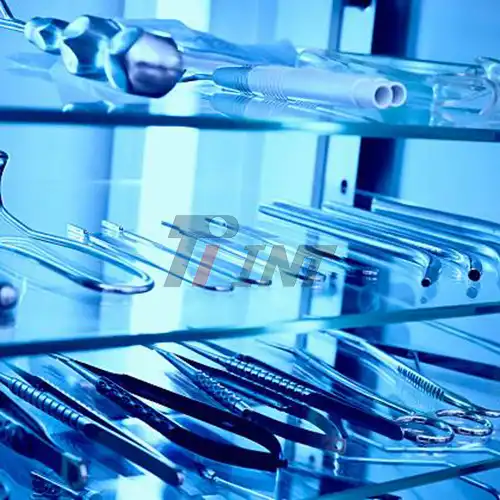
Medical device companies use these plates in a lot of different areas. The corrosion resistance is good for surgical instrument housings that have to go through many sterilisation cycles. The stable oxide layer is used by implant parts that need to be biocompatible in physiological environments for a long time. When handling corrosive intermediates during drug production, Gr 7 Titanium Plate is used in chemical processing equipment in pharmaceutical manufacturing facilities.
The Manufacturing Process of Custom Grade 7 Titanium Plates
Baoji INT Medical Titanium Co., Ltd.'s way of making things is based on 30 years of experience in titanium metallurgy. Before melting starts, the production process starts with careful checking of the raw materials to make sure the palladium level meets strict chemical requirements.
Raw Material Sourcing and Quality Verification
Titanium sponge and palladium come from certified suppliers with full paperwork that shows how the materials were made. Before vacuum arc remelting, spectroscopic analysis is done on each lot of material to confirm the chemistry. This check step stops changes in the makeup that might make the end plate less resistant to corrosion.
Melting and Ingot Formation
Controlled atmospheres keep oxygen and nitrogen from picking up during the vacuum arc remelting process, which would weaken the metal's ability to bend. Multiple remelting processes even out the spread of palladium throughout the ingot, getting rid of any segregation that could lead to weak spots in certain areas. To get the best yield and least amount of waste, the diameters of the ingots are chosen based on the sizes of the final plates.
Hot Rolling and Intermediate Processing
In hot rolling processes, carefully controlled deformation steps change ingots into plate shape. Monitoring the temperature during each pass keeps the nanoscale growth at its best. Intermediate annealing processes remove any remaining stresses and restore flexibility. This lets the thickness be reduced even more without breaking at the edges or leaving surface flaws.
Precision Heat Treatment Methods
Heat treatment protocols designed for medical uses make sure that all production lots have the same mechanical properties. Metal testing is used to make sure that the annealing temperatures and cooling rates are correct so that the desired grain sizes are reached. This process control makes it possible for downstream fabrication operations at customer plants to be reliable in how they can be shaped.
Quality Control and Nondestructive Testing
Ultrasonic testing is done on each plate to find any internal breaks. Penetrant testing checks the quality of the surface and finds any flaws that break through the surface. Samples of the mechanical properties show that the yield and tensile strengths meet the requirements of ASTM B265. Each shipment comes with a chemical analysis certificate that shows exactly where the materials came from and can be tracked for FDA and CE compliance purposes.
Customization Capabilities
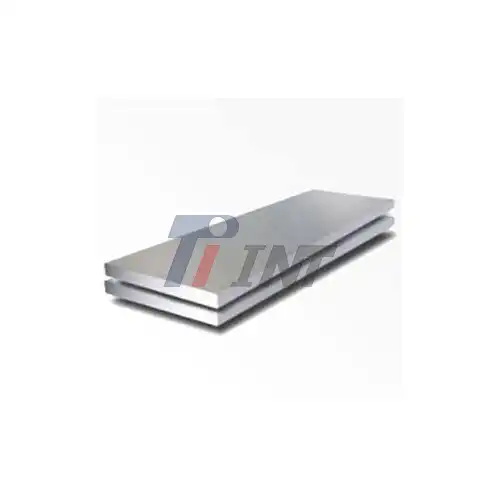
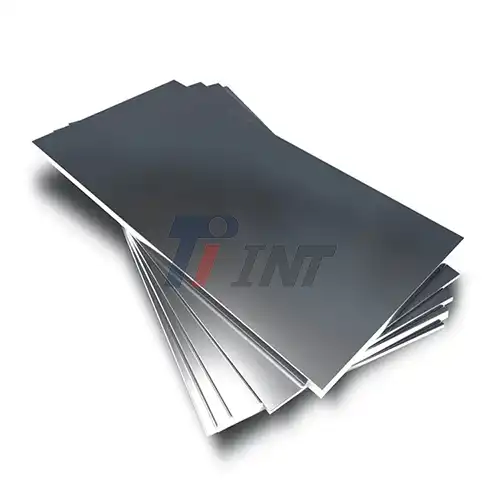
We make plates with thicknesses from 0.5 mm to 50 mm and custom widths up to 1500 mm and lengths longer than 3000 mm, depending on the needs of the application. Some surface techniques are cut, polished, or pickled. Edge preparation options let the customer choose the exact welding or machining process they want to use.
Comparing Grade 7 Titanium Against Other Materials: A Procurement Perspective
When procurement managers look at different material options, they have to make tough decisions based on starting cost, performance needs, and term economics. This comparison framework makes it clear when the higher price of Gr 7 Titanium Plates is justified.
Grade 7 Versus Grade 2 Titanium
Grade 2 commercially pure titanium works well in many acidic conditions and doesn't cost as much. Grade 2 does, however, experience active corrosion in areas with low acidity or small cracks where oxygen can't get to it. This weakness is fixed by adding palladium to Gr 7 Titanium Plate. This makes it the best choice for heat exchangers, reactor linings, and any other use involving hot acidic chloride solutions. Most of the time, the price boost is 30% to 50% higher than Grade 2. This is because there are no early failure costs.
Grade 7 Versus Grade 5 Titanium Alloy
Grade 5 (Ti-6Al-4V) has a lot more strength, which makes it a good choice for load-bearing orthopaedic implants and structural aerospace parts. However, Grade 5 is less resistant to rust than Gr 7 Titanium Plate, especially in chloride settings. For medical uses that care more about biocompatibility and resistance to rust than ultimate strength, Gr 7 Titanium Plate is the best choice. Gr 7 Titanium Plate has a reasonable property profile that makes it good for surgical tools that need to be moderately strong and chemically resistant.
Grade 7 Versus Stainless Steel
When exposed to chloride, austenitic stainless steels break very badly due to pitting and stress corrosion cracking. Gr 7 Titanium Plate gets rid of all of these ways that things can go wrong while cutting the weight of the parts by about 45%. Even though the original cost of the material is 300% to 400% higher than stainless steel, the lower weight and lack of corrosion-related replacements make the total cost of ownership estimates for important medical equipment with a 10-year or longer service life favourable.
Lifecycle Cost Analysis Framework
When choosing materials, think about these things in addition to the price. Maintenance schedules have a direct effect on how available operations are and how much labour costs. The number of replacements affects the cost of holding inventory and the complexity of the supply chain. The weight of the materials affects how much energy portable equipment uses and how much it costs to ship. Different materials have different compliance paperwork needs, which affects when regulators give their approval. These factors together show the real economic effect.
Procuring Grade 7 Titanium Plates: What Global Buyers Need to Know
Understanding how the market works and how to evaluate suppliers in a way that leads to successful partnerships is necessary for navigating the procurement process for specialised titanium alloys.
Supplier Qualification and Certification Verification
Manufacturers with a good reputation keep their ISO 13485:2016 medical device certifications and ISO 9001:2015 quality control systems up to date. These references show that you take a methodical approach to quality control and making sure your products are always the same. CE certification shows that a medical device meets European safety standards. To make sure they are valid, ask for copies of current certificates and check the registration numbers with the organisations that issued them.
Pricing Factors and Market Dynamics
Palladium content has a direct effect on the price of Gr 7 Titanium Plate, with prices changing with the price of valuable metals. Order amounts have a big effect on unit prices, and savings for large orders usually start at 500 kg. Lead times for production are between 8 and 12 weeks for normal sizes and between 14 and 16 weeks for unique sizes that need special tools. Changes in the value of a currency affect foreign deals. If you want to buy a lot of things, you might want to think about forward contracts.
Minimum Order Quantities and Inventory Planning
To cover the costs of setting up the production line, most makers set minimum order sizes of 100 kg to 200 kg per specification. Because of this rule, buying managers have to carefully predict what the demand will be. Setting up blanket purchase orders with planned releases helps find a balance between the costs of keeping goods and the need for a minimum order. You can make more flexible ordering arrangements if you build strategic relationships with suppliers who know how much you buy and when.
Quality Assurance and Material Traceability
For each output lot, you should ask for material test reports (MTRs) that show the chemical make-up, mechanical qualities, and heat treatment history. Traceability systems should be able to connect finished plates to the identification of the original ingot. This would make the whole supply chain clear. During quality reviews and checks by regulators, this paperwork is very important. As part of their compliance statements, suppliers should include references to ASTM B265 requirements as well as any related FDA or ISO standards.
Delivery Logistics and Lead Time Management
When you ship something internationally, it can take an extra two to four weeks, depending on where it's going. Smaller orders can save money on freight costs by combining containers. Making sure that sellers use moisture shields and protective interleaving for plate goods is important to keep the surfaces from getting damaged during shipping. Correct customs paperwork keeps clearance from taking too long; work with suppliers who know how to export goods and how to use harmonised tariff classifications for titanium goods.
Building Trust: Why Partner with Expert Grade 7 Titanium Plate Manufacturers?
When choosing a factory partner, it's not just about buying materials; it's also about working together on technical issues and being reliable in the long run. Our company's history shows how important it is to have a lot of knowledge about a certain field.
Three Decades of Titanium Industry Experience
When Mr. Zhan Wenge started Baoji INT Medical Titanium Co., Ltd. in 2003, it was built on more than 30 years of experience in the titanium business. This gathered information includes changing material requirements, improvements in processing technology, and changing market needs in the aircraft, medical, and manufacturing sectors. We've seen the field of medical titanium grow from specialised uses to widespread use, which puts us in a good position to predict new needs.
Comprehensive Quality Management Systems
We keep our ISO 9001:2015 and ISO 13485:2016 certifications by doing regular internal checks and working on ways to make things better all the time. At key stages of the production process, every batch goes through documented checks. Calibration plans for equipment make sure that measurements are accurate. Training programs for employees keep expert staff up to date on new standards and best practices. For making medical devices, this methodical approach provides the consistency that is needed.
Technical Support and Application Engineering
We give you advice on how to choose materials based on your specific operating conditions and performance needs. Our technical team helps by making suggestions for how to process things for welding, forming, and machining. When there are concerns about quality, we use mechanical research to find the root causes of the problems and the best ways to fix them. Customers can improve the success of their products and manufacturing methods by working together in this way.
Long-Term Partnership Approach
Many of our client relationships have been going on for more than 10 years, which shows that we both care about quality and dependability. We know that the process of making a medical gadget takes many years, from the idea stage to getting approval from the government to mass production. Our stable supply capabilities support this timeline and make sure that materials are available at all stages of a product's lifecycle. Variables are taken out of device validation testing when quality is the same from lot to lot.
Commitment to Innovation and Sustainability
We are always putting money into process improvements that make materials better while also having less of an effect on the environment. Melting processes that use less energy leave behind less carbon dioxide per kilogram of production. Recycling programs for scrap metal cut down on material waste. Process toxins are never released into the water by water treatment equipment. These projects are in line with corporate responsibility goals that are becoming more and more important to medical device companies and the people who have a stake in them.
Conclusion
Making custom titanium plates for medical uses requires accuracy, skill, and a dedication to quality that never wavers. Gr 7 Titanium Plates solve important corrosion problems that ordinary materials have in harsh environments, making surgical instruments, implantable devices, and processing equipment work very well. The palladium addition makes the equipment more resistant to corrosion, which extends its useful life and lowers its lifecycle costs, even though it costs more to buy the materials at first. To be good at buying, you need to know how things are made, the features of different materials, and the criteria for qualifying suppliers that make sure you can trust them. Medical device businesses build the basis for innovation and legal compliance by choosing makers with a lot of experience, a wide range of certifications, and the ability to provide technical support.
FAQ
Q1: What distinguishes Grade 7 from Grade 5 titanium plates?
A: Gr 7 Titanium Plate has palladium in it, which makes it more resistant to corrosion in acidic and chloride environments. Grade 5 (Ti-6Al-4V), on the other hand, has higher mechanical strength thanks to the alloying of aluminium and vanadium. Gr 7 Titanium Plate is used in medical uses that need good chemical protection, while Grade 5 is often used for load-bearing orthopaedic implants because it is stronger.
Q2: What are typical lead times for custom Grade 7 plate orders?
A: Standard specs say that it will take 8 to 12 weeks from the time an order is placed until it is delivered. This time includes heating, rolling, heat treating, testing, and keeping quality records. Depending on the needs of the tools and the production schedule, custom sizes or surface treatments may add 14 to 16 weeks to the lead time.
Q3: How does heat treatment affect plate properties?
A: The annealing heat process removes any remaining stresses from rolling and makes the grain structure constant across the length of the plate. This method makes sure that the mechanical properties stay the same and that the material can be shaped easily in later steps of the fabrication process. Controlled cooling rates stop grain growth that would make the material less strong or flexible.
Partner with Baoji INT Medical Titanium for Your Gr 7 Titanium Plate Requirements
Baoji INT Medical Titanium Co., Ltd. is ready to help you make medical devices with high-quality Gr 7 Titanium Plate options. They have ISO 13485:2016 approval and have been a leader in their field for 30 years. As a reliable titanium plate supplier, we offer custom specifications that are made to fit your exact needs, whether you need materials for surgical instruments or implants. Our technical team helps with everything from choosing the right materials to making sure the handling is done as efficiently as possible and putting together the necessary legal paperwork. Our consistent quality and reliable shipping schedules help you stay on track with your project deadlines, whether you need small amounts for testing or a lot of goods for production. Email us at export@tiint.com right now to talk about your specific needs, get material test reports, or set up sample evaluations. We are excited to become your long-term partner in making medical-grade titanium materials.
References
1. Schutz, R. W., & Thomas, D. E. (2018). Corrosion of Titanium and Titanium Alloys in the Chemical Processing Industry. ASM Handbook, Volume 13B: Corrosion in Materials. ASM International.
2. Peters, M., & Leyens, C. (2019). Titanium and Titanium Alloys: Fundamentals and Applications. Weinheim: Wiley-VCH Verlag.
3. ASTM International. (2020). ASTM B265-20: Standard Specification for Titanium and Titanium Alloy Strip, Sheet, and Plate. West Conshohocken, PA: ASTM International.
4. Sedriks, A. J. (2017). Corrosion Resistance of Titanium in Chemical Processing Environments. Materials Performance and Characterization, 6(3), 445-467.
5. Donachie, M. J. (2019). Titanium: A Technical Guide, Second Edition. Materials Park, OH: ASM International.
6. International Organization for Standardization. (2021). ISO 5832-2: Implants for Surgery—Metallic Materials—Part 2: Unalloyed Titanium. Geneva: ISO Standards.
_1753926673602.jpg)
_1753429726760.webp)
_1751959047184.webp)
_1750664314563.webp)
_1750210148763.webp)