
Titanium Medical Bar Uses in Orthopedic Implant Manufacturing


 2026-08-31 11:46:33
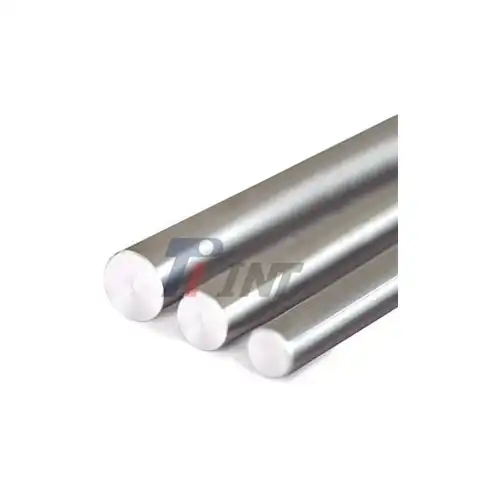
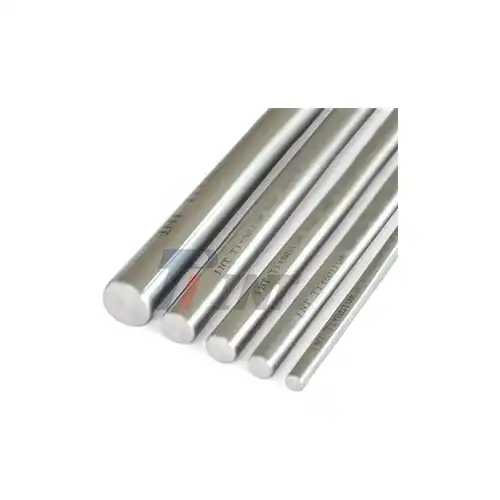
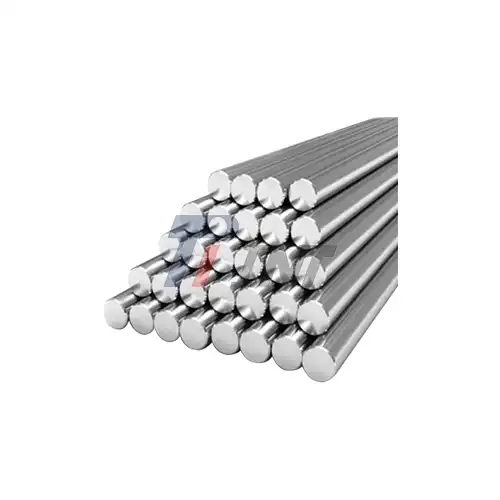
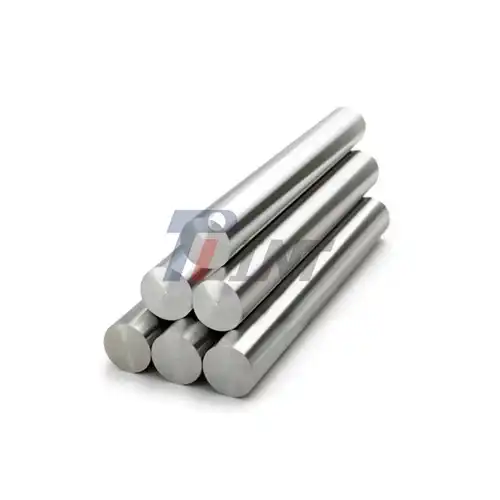
When orthopedic device manufacturers evaluate materials for implant production, Gr 5 Titanium Medical Bar stands out as the industry benchmark. This Ti-6Al-4V ELI alloy combines exceptional tensile strength exceeding 860 MPa with biocompatibility that ensures safe, long-term integration within the human body. We've witnessed procurement teams struggle with material selection, balancing mechanical performance against regulatory compliance and supply chain reliability. Understanding how this specific titanium grade transforms raw bar stock into life-changing hip stems, spinal rods, and bone plates helps you make informed sourcing decisions that directly impact patient outcomes and manufacturing efficiency.
|
|
|
Understanding Grade 5 Titanium Medical Bars
Chemical Composition and Enhanced Material Properties
The Ti-6Al-4V alloy structure is the result of decades of improving metalworking techniques to make it perfect for tough orthopedic uses. About 6% of this material is aluminum and 4% is vanadium. These are elements that change the titanium matrix in fundamental ways. As an alpha-phase modifier, aluminum lowers the bulk of a material while raising its tensile strength. Vanadium is a beta-phase binder that makes metals more flexible and easy to shape during cutting. The Extra Low Interstitial (ELI) designation limits the amount of oxygen to ≤0.13% and the amount of iron to ≤0.25%. These are the exact levels that affect corrosion resistance in body fluids that are high in chloride.
The careful control of minor elements is what makes medical-grade bars different from manufacturing ones. The amounts of nitrogen, carbon, and hydrogen are kept as low as possible to avoid interstitial embrittlement, which is what happens when an implant is loaded and unloaded repeatedly and causes it to fail catastrophically. Because the chemicals are so precise, the material can reach a minimum yield strength of 795 MPa while still having enough flexibility for cold-forming processes during device assembly.
Manufacturing Process and Quality Assurance
Several heat and mechanical steps are used to make medical titanium bars so that their microstructures are all the same. Vacuum arc remelting is the first step in the manufacturing process. This gets rid of inclusions and segregation defects. Forging at controlled temperatures between 900°C and 1050°C smooths out the grain structure, creating an equal alpha-beta morphology that is necessary for stable mechanical qualities.
After heat treatment, usually solution treating followed by age, the balance between strength and toughness is best. We've seen that the annealing settings have a direct effect on how easy it is to machine. For example, bars that are treated with precise cooling rates have longer tool lives when they are being turned or milled. As per ASTM F136 standards, quality verification includes ultrasonic testing for flaws inside the product, chemical analysis using spectrometry, and mechanical testing. This multiple-step testing makes sure that every bar that is sent out meets the strict standards of ISO 13485:2016 medical device quality control systems.
Compliance with International Medical Standards
Getting medical supplies starts with following the rules set by regulators. For surgical implant uses, Grade 5 titanium medical bars must meet ASTM F136 standards. These standards say what chemical makeup, mechanical qualities, and surface conditions are allowed. ISO 5832-3 sets international standards that are the same, which makes sure that the global supply chain works well together. Not only are these certificates just paperwork, they are also proof that the material's traits will work the same way in a variety of patient groups and surgical situations.
Documentation needs go beyond just material certificates. Traceability systems keep track of every bar from the first melt batch to the final inspection. This makes an audit trail that meets FDA Quality System Regulation (QSR) standards. This paperwork is very important during design validation studies and post-market monitoring activities. By connecting implant performance to specific material lots, systemic problems can be found before they affect a lot of patients.
Medical Applications of Grade 5 Titanium Bars in Orthopedics
Joint Replacement Component Manufacturing
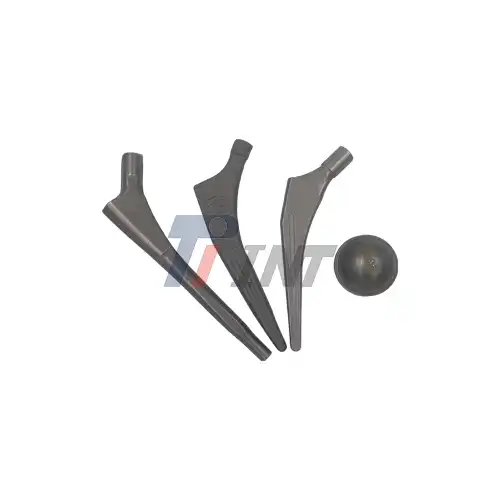
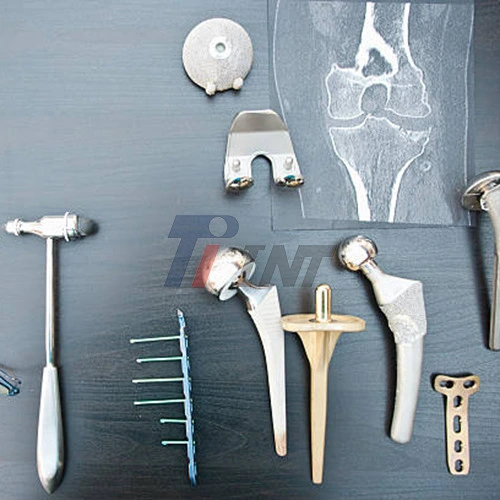
Hip replacement surgery is the most common use for Ti-6Al-4V medical bars. Because the material has a fatigue strength of about 510 MPa at 10^7 cycles, manufacturers machine femoral stems directly from bar stock. This limit of endurance is higher than the physiological loading that occurs during normal gait cycles. It protects against failure before its time. The modulus of flexibility of the material, which is about 110 GPa, strikes a balance between structural stiffness and stress-shielding minimization. This is important for keeping the density of the bone around implants for many years.
The alloy's combination of hardness and wear resistance is also good for knee replacement parts. Tibial boxes made from Grade 5 bars can handle the compressive forces that are created during weight-bearing exercises and keep their shape when they are exposed to synovial fluid, which is corrosive. Because the material isn't magnetic, patients can safely go through MRI scans without imaging artifacts or device heating. This is a clinical benefit that is becoming more and more valued as diagnostic imaging becomes standard in postoperative monitoring protocols.
Trauma Fixation Device Production
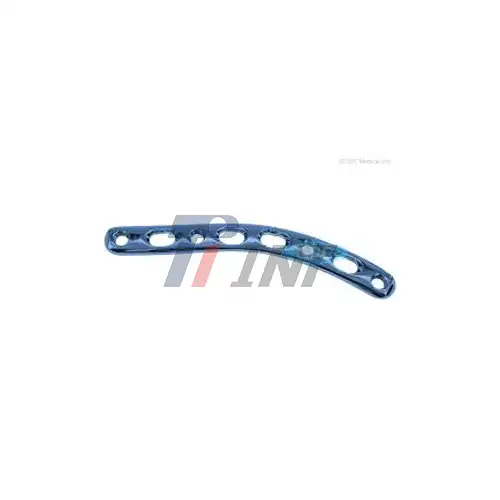
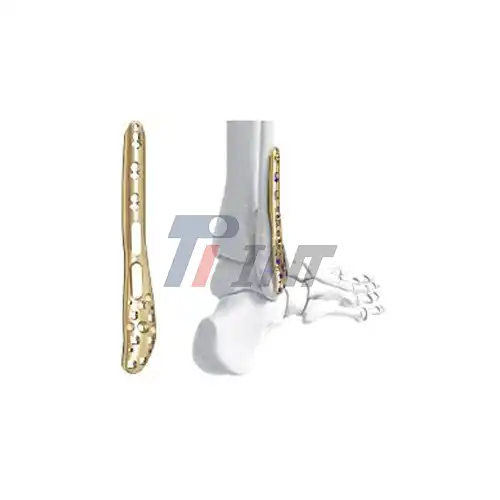
Ti-6Al-4V bars are used to make bone screws, plates, and intramedullary nails that have the mechanical power needed to stabilize fractures. For locking compression plates to work, the material needs to be able to handle both bending moments and torsional loads during surgery shaping without creating stress concentrators that make cracks spread. The metal is flexible enough to only deform slightly when the plate is shaped, and its work-hardening property keeps the structure strong where it is bent.
Spinal fusion gear is another important area of application. Medical titanium bars used to make pedicle screws must be able to withstand pullout forces of more than 1,000 Newtons while keeping the threads intact while the bone heals. The biocompatibility of the material gets rid of the inflammatory reactions that come with some types of stainless steel. This lowers the risk of aseptic loosening, a problem that requires more surgery and longer healing times for patients.
Clinical Outcomes and Patient Safety Evidence
Orthopedic literature shows that Ti-6Al-4V implants have been used successfully in patients for many years. Joint replacement databases show that hip stems made from this alloy have survival rates of more than 95% after 15 years. These performance metrics directly affect the materials that surgeons choose. The material has a history of being safe, which shortens the time it takes for regulators to approve new device designs. This is because manufacturers can use predicate devices with known safety profiles to show that their new devices are safe.
Biocompatibility testing according to ISO 10993 guidelines always shows that there are no sensitization reactions and only minor cytotoxic effects. Gr 5 Titanium Medical Bar exemplifies this class of material, as the inactive oxide layer that forms naturally on titanium surfaces, mostly TiO2, is very stable in physiological settings. It stops the release of ions that could cause bad reactions in tissues. This resistance to corrosion means that the implant will work reliably over time, which is very important when creating implants for young, busy patients who will be using them for many years.
Grade 5 Titanium Medical Bar vs Other Materials: How to Choose the Best for Orthopedic Implants
Comparison with Other Titanium Grades
Grade 2 commercially pure titanium is easier to shape than Ti-6Al-4V, so it can be used in situations that need a lot of cold working. However, its tensile strength of about 340 MPa is not enough for prosthetic uses that need to hold weight. When manufacturers try to use Grade 2 to save money, we've seen implants deform under normal physiological loading conditions. When bending forces get close to the material's yield limits, the mechanical property gap is most noticeable in the femur stems and tibial components.
Grade 23 (Ti-6Al-4V ELI) is a better form of Grade 5 because the controls for the interstitial elements are even stronger. Even though the chemical makeup is almost the same, Grade 23 is 15% harder to crack because it has less air in it. This change is most important for implants that are loaded with contact or that are put in bone that isn't strong enough and where stress builds up. Costs for Grade 23 are usually 10–15% higher than those for Grade 5. Procurement teams have to weigh this difference against the risk profiles of specific devices and the patient populations they want to serve.
Titanium Versus Alternative Implant Materials
Early orthopedic implants were mostly made of stainless steel metals, especially 316L, because they were cheaper and easier to machine. Titanium, on the other hand, has a higher density than steel—4.43 g/cm³ vs. 8.0 g/cm³—which means that implants are about 45% lighter, which makes them easier for patients to carry and more comfortable. More importantly, titanium's resistance to corrosion gets rid of the crevice corrosion problems that happen with modular stainless steel junctions. This is especially important in cases of revision surgery where devices stay implanted for a long time.
Cobalt-chromium metals are best for femoral heads and acetabular liners because they have better wear protection on areas that move. But the elastic modulus of these materials is close to 210 GPa, which is about twice that of titanium. This difference in stiffness makes stress buffering effects stronger, which speeds up bone loss around implants. The choice of material is based on a careful trade-off: cobalt-chromium is used for bearing surfaces that need to be resistant to wear and tear, while titanium is used for structural parts that need to protect bone. The best way to design a total joint right now is to use hybrid structures that use both materials.
Economic Considerations and Price-Performance Analysis
The price of raw materials for Grade 5 titanium bars changes based on changes in the global supply chain. Medical-grade stock with full traceability paperwork usually costs between $25 and $40 per kilogram. This material costs three to four times more than stainless steel, but a lifetime study shows that it is more cost-effective in the long run because the implants will last longer and you won't have to have a second surgery. A hip stem made from Ti-6Al-4V may cost $150 to $200, but it has a 95% survival rate after 15 years, which is a huge savings for the healthcare system compared to cheaper options that need to be replaced sooner.
The cost of machining is another thing that goes into choosing materials. Titanium is more expensive to machine than stainless steel because it doesn't conduct heat well and reacts chemically with cutting tools. But current CNC machines with better ways of using tools have made this gap much smaller. We suggest looking at the total cost of making something instead of just the cost of the materials. This view often shows how competitive titanium is when yield rates and quality consistency are taken into account.
Procurement Guide: Sourcing Grade 5 Titanium Medical Bars for Orthopedic Manufacturing
Supplier Evaluation and Qualification Criteria
To find reliable titanium providers, you need to carefully look at their manufacturing skills and quality control systems. The lowest level that can be met is ISO 13485 certification, which shows that a seller is dedicated to medical device quality management. In addition to certificates, procurement teams should look at the testing facilities that providers offer. For example, do they have their own spectrometry and mechanical testing labs, or do they rely on approval from a third party? The ability to do direct testing speeds up the release of lots and makes technical help more responsive during the material qualification stages.
During source checks, traceability systems need to be looked at very carefully. Each bar should have a label that connects it to a specific batch of melt and includes proof of chemistry analysis and mechanical property. Gr 5 Titanium Medical Bar is a prime example of such a rigorously tracked product, as its manufacturing chain—from raw material to finished bar—demands full lot traceability to meet medical-grade standards. When handling just-in-time manufacturing operations or reacting to sudden demand spikes, suppliers with strong enterprise resource planning systems can give you real-time information on inventory availability and production plans.
Commodity suppliers are different from strategic partners because they can produce more and are more flexible with their technology. Can the seller give you bars with a custom diameter to cut down on the trash from your machining? Do they offer changes to the heat treatment that will make it easier to machine with your special tools? Value-added services often make small price increases worth it by lowering the costs of making other products and increasing the speed of production.
Ordering Logistics and Lead Time Management
Medical-grade titanium bars usually have a minimum order quantity of 100 to 500 kilos, but this can change based on the width and the complexity of the specifications. For research and development (R&D) or pilot production runs, smaller development quantities may be available at higher prices. We've found that setting up blanket purchase orders with scheduled releases saves money and keeps our inventory flexible. This is because sellers offer better prices for committed annual amounts and send material in smaller lots that match your manufacturing schedule.
In-stock specifications usually have standard lead times of 4 to 6 weeks from the time an order is confirmed to the time it is delivered. This time includes final inspection, paperwork preparation, and logistics coordination. Lead times are extended to 8–12 weeks for custom specs that need special heat treatments or dimensions that aren’t normal. Global supply chain problems have shown how important it is to keep a backup stock of important materials. To protect production plans from delays in shipping or port congestion, many makers now aim for 60–90 day inventory buffers for long-lead-time items.
Transportation costs have a big impact on the total landing cost. For foreign sales, titanium bars are usually sent by ocean freight, and they are properly packed to keep the surface from getting damaged during shipping. For domestic transfers, trucks can be used as long as the load is securely fastened. Titanium is a valuable material that is easy to steal, so insurance should cover both the cost of replacing it and the costs of disrupting production schedules.
Cost Drivers and Price Negotiation Strategies
The price of titanium bars is affected by more than just the cost of the base metal. The manufacturing yield is affected by the diameter. For example, larger diameter bars need more forging and heat treatment processing, which raises the cost per kilogram. Specifications for the surface finish also have an effect on prices. For example, precision-ground bars that meet h9 tolerance standards cost 15-20% more than turned or peeled finishes because they go through more steps of processing and have stricter quality controls.
By making suppliers more efficient at planning their production, volume agreements allow prices to drop by a lot. Annual contracts for predictable quantities usually get you 8–12% off of spot purchases, and multi-year agreements that let suppliers get the best deals on raw materials and schedule production can get you even more discounts. Payment terms also affect prices. Standard business terms are net-30, while extended terms or progress payments for big orders may come with small fees that cover the costs of the supplier's working capital.
When you negotiate changes your power. There are cyclical mismatches in supply and demand in the titanium market that are caused by changes in the aerospace business. When aerospace demand drops, medical buyers can often negotiate better prices. According to market research, reading trade magazines and keeping in touch with many qualified sellers gives you the information you need to time big purchases well.
Best Practices and Future Trends in Using Grade 5 Titanium Bars for Orthopedic Implants
Optimized Design and Machining Techniques
To make implants from titanium bar stock that work, you need to pay close attention to design parameters that work with the material's properties. When there are stress concentration spots, large filet radii stop cracks from starting during repetitive loading. Bone screws should have thread shapes with enough root radii to avoid notch sensitivity effects that lower wear performance. We suggest using finite element analysis during the planning phase to find areas of high stress and make changes to the geometry before making the production tools.
Strategies for machining have a big effect on both cost and quality. Titanium doesn't carry heat well, so a lot of coolant has to be used to keep the work from getting too hard and the tool edges from breaking. Cutting speeds should stay moderate, around 50 to 70 surface meters per minute for turning operations, and feed rates should be higher to make sure that the chips are thick enough and that heat is removed efficiently.
Gr 5 Titanium Medical Bar requires particular attention in this regard, as its high strength and low thermal conductivity demand precise coolant application and optimized feed rates to avoid work hardening and premature tool wear. When compared to high-speed steel options, carbide tools with improved coatings last a lot longer.
Surface treatments improve the performance of osseointegration and rust protection. Acid etching makes surfaces micro-roughened, which helps bone cells stick to them. Anodization, on the other hand, makes controlled oxide layers with predictable colors that make it easy to identify the device. These changes to the surface must be confirmed through biocompatibility testing and added to the design history files as controlled processing factors that affect the safety and usefulness of the device.
Additive Manufacturing and Surface Innovation
The way medical device makers use titanium materials is changing because of three-dimensional printing technologies. Powder bed fusion methods make it possible to make complex lattice structures that aren't possible with traditional machining. This lets you make implants with different levels of porosity that help bone grow while lowering stress shielding. At the moment, these additive techniques don't replace bar stock machining; instead, they work with it to improve both biological and mechanical performance. Complex porous regions work with machined load-bearing sections.
New innovations in surface modification keep improving how well implants integrate. Plasma-sprayed coats with hydroxyapatite speed up early bone apposition, which lowers the risk of fixation failure during the first few weeks of mending, which are very important. Researchers are working on bioactive surface treatments that release growth factors or antimicrobial agents. However, the regulatory routes for these combination products are still complicated and need a lot of clinical proof to be made.
Nanotechnology applications promise better biocompatibility by letting us precisely control the surface topography at the level of cellular interactions. Nanostructured surfaces may be better at controlling osseointegration processes than present micro-rough surfaces because they can change how proteins bind to surfaces and how cells act after that. These lab results will not be used in commercial products until problems with manufacturing scalability are fixed and proven methods for characterizing materials that can be used for quality control in production are created.
Sustainability and Ethical Sourcing Considerations
As medical device companies try to meet the needs of stakeholders and comply with regulations, environmental responsibility plays a bigger role in their buying choices. Titanium production uses a lot of energy, but the fact that it can be recycled makes it useful at the end of its useful life. Scrap from machining operations and devices that have been taken apart can be remelted without losing any of their properties. Setting up closed-loop recycling programs with providers can cut down on the use of new materials and possibly lower the cost of raw materials.
Concerns about labor practices and conflict minerals are growing, and supply chain transparency helps to ease those worries. Responsible sourcing programs need proof of where materials come from and where they are processed. This makes sure that titanium doesn't come from places where human rights are being violated or the environment is being damaged. As part of judging a supplier's overall performance, audit programs should look at things like working conditions, systems for managing the environment, and ways of getting involved in the community.
Strategies for lowering carbon footprints are becoming ways for medical technology companies to stand out from the competition. When suppliers invest in renewable energy for factories or improve logistics networks to cut down on pollution from transportation, they help the environment in real ways that are in line with companies' sustainability goals. As healthcare systems include sustainable factors in their buying requirements, we expect customer demands for environmental product statements and lifecycle assessment data to grow.
Conclusion
Choosing the right titanium materials is a big decision that affects the performance of your implants, your ability to follow regulations, and the efficiency of your manufacturing process throughout the lifecycle of your product. Gr 5 Titanium Medical Bar offers the right mix of mechanical properties and biocompatibility for orthopedic uses, backed by decades of successful clinical experience across a wide range of implant types.
Strategies for buying things should stress how strictly suppliers must be qualified, how important it is to keep track of licensing paperwork, and how important it is to form partnerships with makers who can consistently provide quality products and technical support. Adding new technologies to additive manufacturing and surface treatment means that implant designs will continue to get better, and titanium will still have the basic benefits that have made it the best material for orthopedic applications.
FAQ
Why is Grade 5 titanium preferred over other materials for orthopedic implants?
Ti-6Al-4V has the best mix of mechanical strength, resistance to rust, and biocompatibility that no other material can match. Its tensile strength is higher than 860 MPa and its modulus of elasticity is close to that of cortical bone. This means that it reduces the stress shielding effects that lead to bone loss around prosthetics. The material doesn't rust in body fluids that are high in chloride, so there are no worries about ions leaking out like there are with stainless steel. This lowers inflammatory responses and increases the long-term survival rates of implants, which have been shown in multiple joint registry databases.
How can I verify a supplier's compliance with medical certification standards?
You can get copies of ISO 13485 certificates and check that they are valid on the websites of the organizations that issued them. Check the material certificates that come with every package to make sure they have heat-specific chemical analysis and mechanical property test data that can be tracked back to standards like ASTM F136. Do supplier audits that look at how the quality management system is being used, records of testing equipment calibration, and records of training for staff. Set up procedures for incoming inspections that include independent chemical verification and dimensional checks on the first production lots to make sure that the information provided by the supplier is correct.
What are typical lead times and cost factors for bulk orders?
It usually takes between 4 and 6 weeks to make and send standard specification bars. For unique sizes or special heat treatments, the time frame can be 8 to 12 weeks. Depending on the diameter and specification, the minimum order quantity is usually between 100 and 500 kilograms. Pricing is based on a number of factors, such as the diameter of the bar, the surface finish needed, the depth of the certification documents, the order amount, and the current state of the titanium market. When you commit to buying a certain amount of titanium every year, the price usually goes down by 8–12% compared to buying it on the spot. You may be able to negotiate even more during times when the aircraft market is weak and titanium capacity utilization drops.
Partner with a Proven Gr 5 Titanium Medical Bar Manufacturer
Baoji INT Medical Titanium Co., Ltd. has been making medical-grade titanium products for orthopedic device makers around the world for more than 20 years. Our wide range of products includes Ti-6Al-4V ELI bars with different diameters and specifications. They are all made in quality systems that are ISO 13485:2016 certified and come with full traceability documentation that meets FDA and CE standards. We know how important consistent materials are for your production processes, so we use advanced forging and heat treatment techniques to make sure that every bar we give has the same mechanical qualities.
We are a dedicated Gr 5 Titanium Medical Bar provider that has been in the titanium business since 2003. We offer technical advice services that cover choosing the right material, improving the machining process, and creating quality control plans that are unique to your implant designs. Our history of on-time deliveries and quick customer service has helped us build long-term relationships with medical device makers who depend on our materials being available on a regular basis to meet their production schedules.
Email our team at export@tiint.com to talk about your titanium bar needs, get samples to look over, or get detailed quotes for projects you have coming up. You can look at our full line of medical titanium goods and technical tools at inttitanium.com. They are meant to help you make successful orthopedic implants.
References
1. American Society for Testing and Materials. ASTM F136-13: Standard Specification for Wrought Titanium-6Aluminum-4Vanadium ELI Alloy for Surgical Implant Applications. West Conshohocken: ASTM International, 2013.
2. Niinomi, Mitsuo. "Mechanical Biocompatibilities of Titanium Alloys for Biomedical Applications." Journal of the Mechanical Behavior of Biomedical Materials, vol. 1, no. 1, 2008, pp. 30-42.
3. Long, Marc and H.J. Rack. "Titanium Alloys in Total Joint Replacement—A Materials Science Perspective." Biomaterials, vol. 19, no. 18, 1998, pp. 1621-1639.
4. International Organization for Standardization. ISO 5832-3:2016: Implants for Surgery—Metallic Materials—Part 3: Wrought Titanium 6-Aluminum 4-Vanadium Alloy. Geneva: ISO, 2016.
5. Geetha, M., et al. "Ti Based Biomaterials, the Ultimate Choice for Orthopaedic Implants—A Review." Progress in Materials Science, vol. 54, no. 3, 2009, pp. 397-425.
6. Kaur, Manmeet and Kulvir Singh. "Review on Titanium and Titanium Based Alloys as Biomaterials for Orthopaedic Applications." Materials Science and Engineering C, vol. 102, 2019, pp. 844-862.
_1755061801114.png)
_1752462890412.webp)
_1750664157440.webp)