
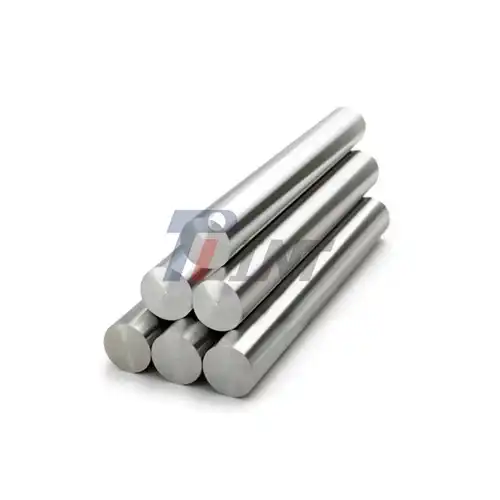
How Titanium Bars Are Used in Dental Implant Manufacturing


 2026-09-01 10:15:32
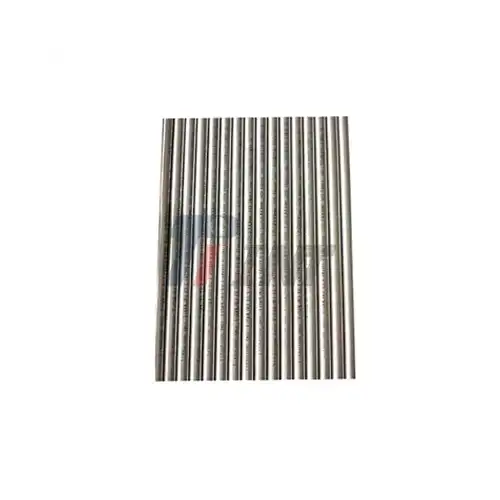
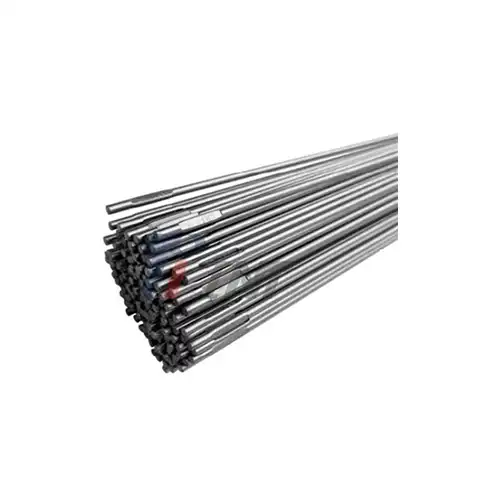
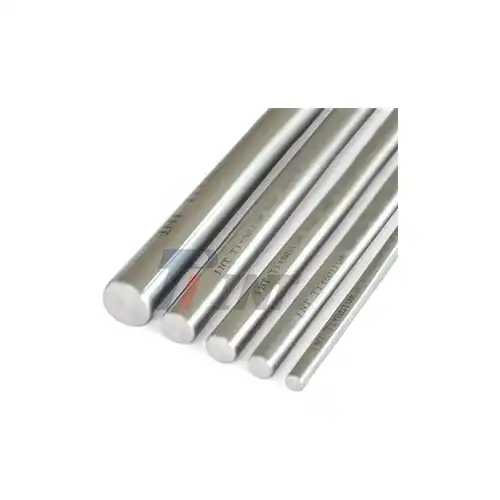
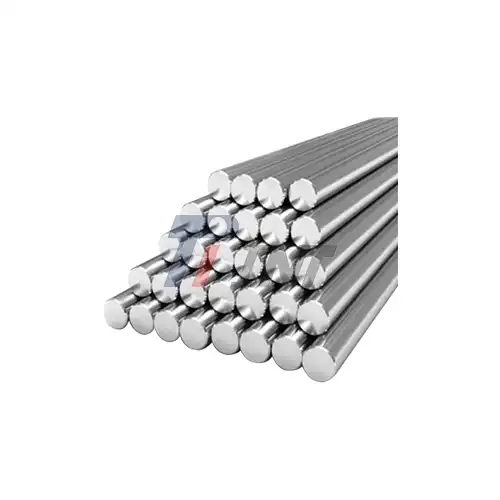
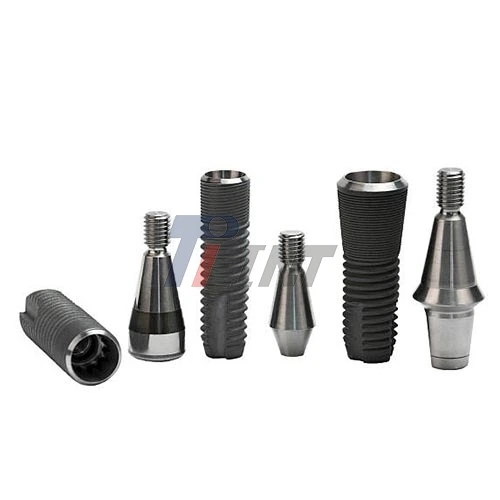
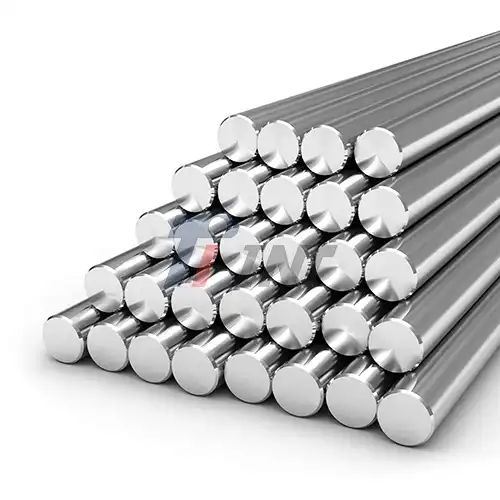
Titanium bars, particularly Gr2 Medical Titanium Bar, serve as the foundational raw material in dental implant manufacturing. These bars undergo precision machining processes to create implant bodies, abutments, healing caps, and screws that form complete implant systems. Gr2 titanium's combination of biocompatibility, mechanical strength, and formability makes it an ideal starting point for manufacturers producing reliable dental implants that integrate seamlessly with human bone tissue while withstanding years of masticatory forces.
|
|
|
Understanding GR2 Medical Titanium Bars for Dental Implants
To choose the right material for a dental implant, you need to know what makes GR2 titanium different. Knowing the metallurgical foundation is very important when your production line depends on consistent materials.
Chemical Composition and Purity Standards
The Gr2 Medical Titanium Bar is made from commercially pure titanium that is made to strict ASTM F67 and ISO 5832-2 standards. The material keeps the titanium content above 99%, and the trace elements are carefully controlled so that the iron content is no more than 0.30% and the oxygen content is usually no more than 0.25%. This amount of purity gets rid of harmful substances like vanadium and aluminum that are present in some metals, making sure that there is no cytotoxicity.
The lack of allergenic compounds solves a big problem for companies that want to sell their products to people who are sensitive to metals. This alpha-phase alloy structure strikes the perfect balance between middling strength and high ductility. This makes it different from harder Ti-6Al-4V alloys that might make it harder to shape during complicated cutting operations.
Mechanical Properties Critical for Dental Applications
The mechanical properties of GR2 titanium bars have a direct effect on how well implants work. According to ASTM B348 standards, these bars must have a minimum yield strength of 275 MPa (40 ksi) and a minimum tensile strength of 345 MPa (50 ksi). They must also be able to stretch more than 20% before breaking.
This flexibility lets cold-forming processes happen without breaking, which is very helpful when making complicated implant shapes. The modulus of flexibility of the material is about 105 GPa, which is similar to human bone compared to 200 GPa for stainless steel. This makes stress shielding much less likely, which happens when implants are too stiff and stop normal bone loading, which causes bone loss around the implant site.
Biocompatibility and Corrosion Resistance in Oral Environments
When saliva, bacterial acids, temperature changes, and mechanical stress come together in the mouth, it creates a very hostile environment. The titanium dioxide (TiO2) oxide film that forms naturally on GR2 titanium gives it a competitive edge. This passive layer grows back right away if it gets damaged, so it's pretty much immune to corrosion in bodily fluids.
Clinical studies show that this oxide layer stays steady in the mouth even when the pH level changes. This keeps ions from escaping and starting inflammatory reactions, a performance that is further reinforced by the use of Gr2 Medical Titanium Bar, which ensures consistent material quality and biocompatibility. The fact that the material isn't magnetic solves another problem with procurement: it can be used with MRIs after surgery without causing artifacts, which means that diagnostic images will always be clear.
Manufacturing Workflow and Quality Control Protocols
To make medical-grade titanium bars, there are strict rules on the whole process, from getting the raw materials to doing the final check. Vacuum arc remelting is the first step in the process to reach the pure levels needed by medical standards. After hot forging and precise rolling, bars with controlled grain structure are made. The bars are then annealed to make them more flexible. Checkpoints for quality control include testing with Inert Gas Fusion to see how much hydrogen and oxygen are present.
Too much oxygen makes things stronger but less flexible, which makes bars break when they're being machined. Using a micrometer and a laser to check the dimensions makes sure that the thickness stays within ±5%, or 0.005mm. Alpha Case, a rigid oxygen-rich layer that needs to be removed, is found by looking at the surface. According to ASTM E290, bending tests show that the material can handle tight curves without breaking while parts are being made.
Performance and Application in Dental Implant Manufacturing
To figure out how GR2 bars can be used to make useful dental implants, production managers and R&D engineers need to look at specific uses and performance qualities.
Mechanical Advantages for Extended Implant Lifespan
GR2 titanium bars have mechanical performance that has a direct effect on how well patients do. The wear resistance of the material means that it doesn't get stress cracks after millions of chewing cycles, with each bite causing forces of up to 200 Newtons. Because of this, implants can last longer than 20 years in clinical settings. With a mass of 4.51 g/cm³, the material is about 45% lighter than stainless steel options.
This means that supporting bone structures don't have to carry as much weight. When implant threads are machined from GR2 bars, the work-hardening properties of the material make the surface harder during the cutting process. This improves the contact points with the bone without affecting the core's flexibility.
Specific Dental Implant Components and Applications
Dental manufacturers use GR2 titanium bars in a number of different types of parts. Implant abutments, which are the pieces that connect the implant body to the crown, need to have accurate shoulder shapes, which can be made easier by GR2's ability to be machined. The material can make fine threads without galling, which is good for healing screws and cover caps.
Because GR2 is flexible, it can be used to make custom implant bodies for cases with complicated anatomy. The material is good at turning and milling tasks that involve complicated processes, and it keeps its shape during multi-axis machining. Surface treatments like sandblasting or acid etching change the oxide layer to make it easier for bone cells to attach. GR2's stable chemistry reacts normally to these changes.
Comparative Analysis: GR2 versus Alternative Grades
When buying something, GR2 is often compared to other grades and materials of titanium. Titanium GR2 is stronger than titanium GR1 and can still be shaped easily. Titanium GR1 has less oxygen, which makes it better for cold working but might not be strong enough for load-bearing uses. GR5 titanium (Ti-6Al-4V) has a much higher tensile strength of 895 MPa and a yield strength of 828 MPa. This means it can be used for narrow-diameter implants in areas with limited bone volume.
GR5's aluminum and vanadium content, on the other hand, makes it less biocompatible, and its lower heat conductivity (about 6.7 W/m·K compared to 16.4 W/m·K) makes cutting more difficult, leading to more tool wear and longer cycle times. Stainless steel options don't work well in long-term oral settings because they rust and don't bond well with bone. Because it is cheaper, Gr2 Medical Titanium Bar is better for most standard implant uses. On the other hand, GR5's higher price is only justified when maximum strength is needed.
Procurement Insights for B2B Clients: Buying GR2 Medical Titanium Bars
When looking for medical-grade titanium, supply chain managers and buying directors need useful advice. Understanding the standards for certification and the factors used to evaluate suppliers can help you avoid expensive quality problems.
Certification Requirements and Supplier Verification
Suppliers you can trust keep their ISO 13485:2016 medical device quality management system certification, which shows that they use controlled production methods that are designed for medical uses. The material meets the chemical and mechanical requirements for surgery implants according to ASTM F67, and it also meets the requirements of ISO 5832-2 for foreign equivalency. Registration with the FDA and clearance from the EU's CE mark are signs that making medical device parts is legal.
When comparing suppliers, make sure to ask for material test certificates that list the chemical make-up, mechanical properties, and traceability information for each production lot. These certificates should also show how bars are linked to their melt batch. Suppliers should give details about the surface finish and the Alpha Case's thickness. Before making big purchases, people feel more confident after verification audits look at the manufacturing facilities, process controls, and quality systems.
Cost Structure and Order Planning Considerations
Understanding the different parts of pricing helps you get the best total cost of ownership. The cost of the base material is related to the market price of titanium sponge, which changes as supply and demand change around the world. Processing fees are based on how hard it is to make medical-grade products, which includes vacuum melting, precise casting, and strict testing methods. The minimum order quantity is usually between 100 and 500 kilograms.
This is done to balance the cost of keeping supplies with the speed of production. Lead times range from 8 to 12 weeks for standard specifications. For custom dimensions, more planning is needed. Logistics for transportation favor suppliers who already have international shipping partnerships and can handle temperature-controlled containers and customs paperwork for medical supplies. Deposit structures are often part of payment terms. These protect both parties during long production cycles.
Evaluating Global versus Regional Sourcing Options
When making decisions about geographic sourcing, you have to look at more than just the unit price. Suppliers that have been around for a long time in areas that produce titanium can offer economies of scale and a lot of metalworking knowledge that has been built up over many years. Regional providers may make the supply chain more flexible by cutting down on wait times and making it easier for people in the same time zone to talk to each other.
Different suppliers are not just different in terms of price; they are also different in terms of technical support capabilities, such as helping with material selection, processing technology, and quality control. Value goes beyond cost-per-kilogram calculations when you have established relationships with suppliers that have shown consistent delivery for more than 10 years, helpful technical service, and clear documentation. Sample testing procedures that let you check the material before placing a full order lower the risk of choosing a new provider.
Case Studies and Industry Examples: GR2 Titanium Bars in Action
Real-life examples show how makers use the qualities of GR2 titanium to solve specific problems in the production of dental implants.
Leading Dental OEM Success Stories
Well-known companies that make oral devices have had great results with GR2 titanium bars. One North American OEM that makes more than 500,000 implant pieces a year switched from GR5 to GR2 for their standard-diameter implant line. This cut material costs by 18% while keeping clinical success rates above 98% over five years of follow-ups.
Because the material was easier to work with, cycle times were cut by 12%, which increased production without spending more money. Another European company that makes custom implants for maxillofacial repair chose GR2 because it can be cold-formed into complicated anatomical forms. This gets rid of the need for expensive hot-working steps that used to add three weeks to the lead time.
Overcoming Biomechanical and Corrosion Challenges
Dental implant makers have problems that keep coming up, but GR2's qualities can help solve them. In the past, thin-walled designs broke because of too much stress at the links between the implant and the socket. Engineers used GR2's flexibility to rethink connection geometries with spread-out load paths. This cut peak stress by 35% while keeping the strength of the system the same.
Problems with corrosion that happened in people who ate acidic foods or used certain mouth hygiene items led to important studies. Accelerated corrosion testing in pH 3.5 solutions showed that GR2's oxide layer was still whole after 10,000 hours of exposure, proving that it will remain stable over time. These recorded performance benefits give procurement teams the proof they need to convince cost-conscious stakeholders of the need for certain material specs.
Future Outlook and Trends in Dental Implant Materials
To stay competitive, you need to know how to use new technologies and adapt to changing market tastes, which will affect how you buy things.
Advanced Manufacturing Technologies Enhancing Material Performance
New developments in treating titanium keep making GR2 bars better. Precision forging methods create fine grain structures that improve mechanical consistency across bar cross-sections. This lowers property variation that can make machining parameters more difficult. Plasma electrolytic oxidation and bioactive coating application are two surface treatment technologies that change the oxide layer to cut the time it takes for bone to fuse together from months to weeks. Titanium powder feedstocks are important for the growth of additive manufacturing in dental applications.
However, bars are still needed for subtractive manufacturing tasks that need higher levels of accuracy and surface finish than what 3D printing can currently handle, and Gr2 Medical Titanium Bar is particularly well-suited for such precision machining due to its excellent uniformity and machinability. Combining forged GR2 blocks with selected material addition makes it possible to customize while keeping costs low.
Evolving Market Preferences and Regulatory Landscape
Biocompatible materials that survive are valued higher in medical and dentistry markets because healthcare systems prioritize implant living expenses above purchase pricing. Providers with strong quality systems benefit from stricter global market regulations that necessitate material monitoring and recordkeeping. Internet research educates patients about implant materials, which puts pressure on marketers to claim GR2 satisfies "pure titanium" standards while customers are wary of aluminum-vanadium alloys. Longer lifespans in wealthy nations are driving the dental implant business. The market is predicted to increase 7–9% every year until 2030, therefore high-quality titanium bars will always be needed.
Strategic Recommendations for Competitive Positioning
To stay ahead of the competition, B2B clients should use a number of strategies. Build relationships with qualified providers that offer full technical help beyond just delivering materials. This should include troubleshooting for quality issues and optimizing machining parameters. Spend money on basic spectroscopy and hardness testing tools to make sure that the specifications of arriving materials are correct without relying only on supplier certificates.
Create material specifications that balance the need for performance with the reality of cost. Going too far with GR5 specifications when GR2 ones are enough wastes money that could be used to fund innovation in other areas. Take part in technical conferences and industry groups where new materials are shown off. This will help you keep your purchasing strategies in line with technological advances that competitors may use.
Conclusion
Gr2 Medical Titanium Bar is the most important material for making dental implants because it has the biocompatibility, mechanical performance, and processing properties that makers need. Because it has been used in millions of successful implants around the world and is less expensive than other grades, it is the obvious choice for standard dental implant applications.
If people who work in procurement know about GR2's metallurgical properties, licensing requirements, and application-specific benefits, they can help their companies make competitive goods that meet legal standards and clinical performance goals. Even though technology is getting better, the material is still useful because it can be implanted permanently in the human body, which is a need that goes beyond short-term market trends.
FAQ
What certifications should I verify when sourcing GR2 titanium bars?
Make sure that sellers keep their ISO 13485:2016 medical device quality control certification and only give you materials that meet ASTM F67 or ISO 5832-2 standards. Request test certificates for each lot of the material that show its chemical make-up, mechanical properties, and ability to be tracked back to melt batch numbers. FDA registration and CE marking are signs that a medical component is made in accordance with the rules.
How does GR2 compare to GR5 titanium for dental implant applications?
GR2 is commercially pure, biocompatible, easy to machine, and cheaper than other materials that can be used for standard-diameter implants. GR5 is about 2.5 times stronger than GR4, which makes it better for narrow-diameter implants in areas with limited bone volume. However, it contains aluminum and vanadium, which make biocompatibility concerns grow. The choice of material relies on the needs of the implant design and its clinical use.
What typical lead times should I expect when ordering medical-grade titanium bars?
Standard standards say that it should take between 8 and 12 weeks from the time an order is placed until it is delivered. This includes planning production, making sure the quality is good, and preparing paperwork. Custom sizes or surface treatments may add two to four weeks to the lead time. Established providers with inventory plans may be able to offer faster shipping for popular sizes, but medical-grade materials rarely ship from stock because they need to be able to be tracked.
Partner with a Trusted Medical Titanium Bar Supplier
Baoji INT Medical Titanium Co., Ltd. has been working with medical-grade titanium materials for more than 20 years and makes Gr2 Medical Titanium Bars that meet ISO 13485:2016 and ASTM F67 standards. Our thorough quality management systems make sure that every bar meets the exact standards that dental implant manufacturers demand. We offer expert consulting services to help you choose the best specs for your needs, along with full documentation of material traceability and compliance certificates.
We can make bars of different diameters and lengths, and we can also provide custom processing services to meet your specific machining needs. Email our team at export@tiint.com to talk about the details of your project, get material test certificates, or set up sample testing. You can look at our whole line of products at inttitanium.com and download detailed specs that will help you make buying choices.
References
1. Brunette, D.M., Tengvall, P., Textor, M., & Thomsen, P. (2001). Titanium in Medicine: Material Science, Surface Science, Engineering, Biological Responses and Medical Applications. Springer-Verlag Berlin Heidelberg.
2. ASM International Handbook Committee. (2003). Metallic Materials for Biomedical Applications. ASM International Materials Park, Ohio.
3. Niinomi, M. (2008). Mechanical biocompatibilities of titanium alloys for biomedical applications. Journal of the Mechanical Behavior of Biomedical Materials, 1(1), 30-42.
4. Elias, C.N., Lima, J.H.C., Valiev, R., & Meyers, M.A. (2008). Biomedical applications of titanium and its alloys. Biological Materials Science, 60(3), 46-49.
5. Donachie, M.J. (2000). Titanium: A Technical Guide, 2nd Edition. ASM International Materials Park, Ohio.
6. Rack, H.J., & Qazi, J.I. (2006). Titanium alloys for biomedical applications. Materials Science and Engineering: C, 26(8), 1269-1277.
_1755061331871.png)
_1753859685128.webp)