




Dental Titanium Bars: Key Uses in CAD/CAM Dental Restoration


 2026-11-11 10:20:16
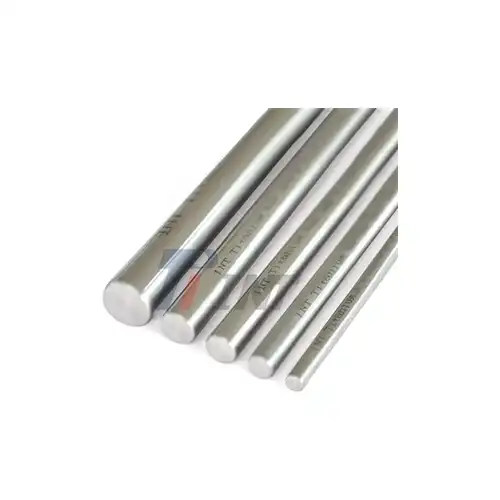
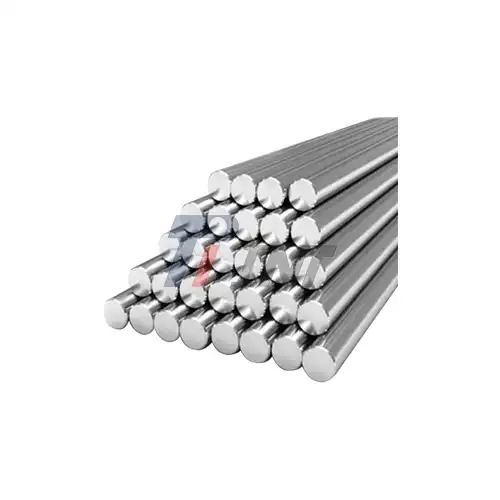
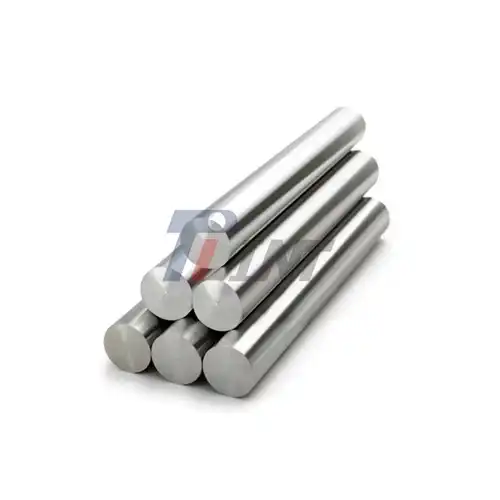
Dental titanium bars are precision titanium stock that CAD/CAM milling machines cut into implant-supported substructures, overdenture bars, abutments, and screws. In digital restoration, they serve full-arch hybrid prostheses, partial-arch structures, and attachment-ready bars. Labs and manufacturers choose titanium because it is light, corrosion-resistant, and strong, and because solid bar stock mills to a precise, passive fit. Grade, dimensions, and batch consistency decide how well a bar performs on the machine. I wrote this guide to help dental labs, milling centers, distributors, and OEM buyers choose the right bar with confidence.
|
|
|
How Dental Titanium Bars Work in Digital Restoration
What Dental Titanium Bars Are
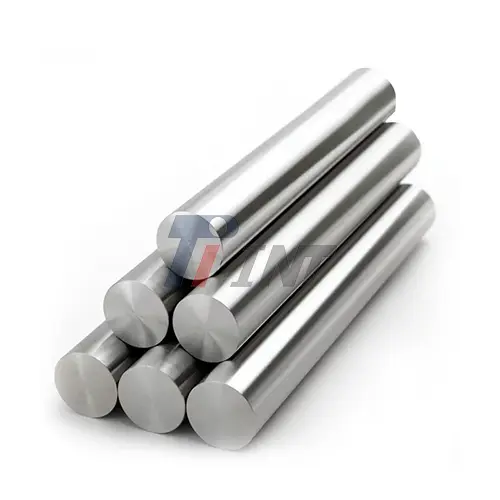
Dental titanium bars are stable pieces that are made of medical-grade titanium. They can be flat, round, square, or shaped to fit your needs. A CNC or CAD/CAM milling machine takes a digital design file and cuts them into the right shape. Dental labs, grinding centers, companies that make implant parts, and dental OEM teams all buy this stock. The titanium comes from Baoji INT Medical Titanium Co., Ltd., and it's up to your team to mill and finish it. The quality of the bar affects how stable the machine is, how well the parts fit together, and how well they can be repaired. So, before you place your order, I think you should make sure that the grade, size, state of the surface, ability to be tracked, and approval all match the reason you want to use it for.
Key Applications in CAD/CAM Restoration
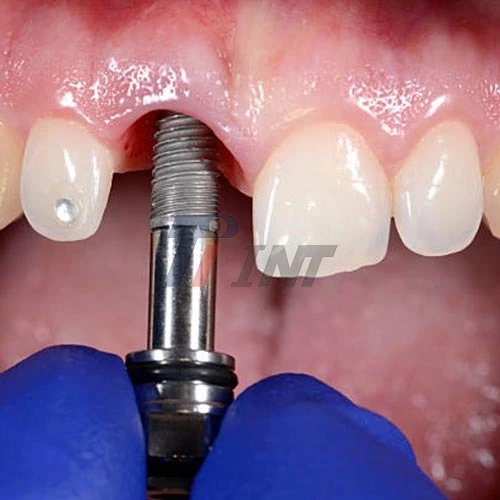
There are different kinds of restorations that can be held in place by milled dental titanium bars. Full-arch hybrid prostheses like the All-on-4 and All-on-6 cases use a rigid bar that is screwed onto abutments that hold more than one unit. When you put in many times, the clips or specific fits on overdenture bars like the Hader and Dolder types need to stay the same size. You can also begin with bar stock for structure parts of an arch, custom abutments, and implant screws. The bar's shape must always fit the implant system, the restoration's design, the milling machine, and the way the connection is set up. Labs usually want standard sizes and fast lead times. Many times, OEMs and milling centers need unique shapes, test plans, and groups that can be made over and over again.
Why Titanium Suits These Uses
Titanium is biocompatible with human flesh, light, doesn't rust, is strong for its weight, and doesn't wear down easily. Metals that contain cobalt and chromium are about 8 to 9 g/cm³ dense, while Ti-6Al-4V is about 4.43 g/cm³ dense. This makes a titanium full-arch bar a lot lighter in the patient's mouth. The tooth doesn't rust in the mouth because a solid oxide layer forms on the surface. Niinomi also says in his review from 2008 that cobalt-chromium alloys are more flexible than titanium alloys, which makes titanium alloys stronger than bone. Because of these things, titanium is still often used for parts that go on implants.
Grades, Composition, and Sizes of Dental Titanium Bars
Grade 5 and Grade 23 ELI
For things that need to hold a lot of weight, Grade 5, or Ti-6Al-4V, is better. In Grade 23, which is the ELI version, there are fewer oxygen, iron, and other interstitial elements. These are the minimum tensile strength and yield strength for surgical implants. The tensile strength is 860 MPa and the yield strength is 795 MPa. Implants for surgery made of wrought Ti-6Al-4V are talked about in ISO 5832-3. Baoji INT sells both Ti-6Al-4V bars and Ti-6Al-4V ELI bars. The grade will be based on your specifications for the part. On each piece of material, check the chemical make-up, mechanical properties, and heat or lot number.
Commercially Pure Grades
Pure titanium grades 1 through 4 are all in the same line of products. This group of grades that aren't alloyed is covered by ASTM F67 for surgical implants. When you need something that is flexible, won't rust, and is easy to machine, Grade 2 is usually the best choice. It can only hold 345 MPa of pressure, which is much less than Grade 5. Grade 4 can reach 550 MPa because it has more oxygen. Some labs use a pure grade for structures that don't weigh as much. When the building has a long span or a lot of weight, they move on to Grade 5. Price alone shouldn't be enough to make the choice; rigidity, strain demands, and machine skill should also be taken into account.
Sizes, Dimensions, and Custom Profiles
What size is right depends on the implant's shape, the CNC's cutting edge, and the grinding method used. Before you place your order, make sure you know the thickness, width, height, length, straightness, roundness, surface state, and size range. Why does the shape of the bar matter? Because it affects how well a collet or fixture holds it? Don't leave too much space for finishing, but don't throw away anything either. Baoji INT has OEM sizes, forms, and specs that can be talked over, as well as marking or packing orders that are unique to the client. A technical drawing or 3D file helps us tell you more about the project and see if it's possible.
Production Quality and Material Comparisons
Hot Rolling, Forging, and Ultrasonic Testing
Because they are hot rolled and forged, our bars are stronger and more durable. Most of the time, production also includes cleaning, measuring, cutting, finishing, inspecting, and packing the product to keep it safe. Ultrasonic testing is used to check all of our bars for flaws inside them. For CAD/CAM users, this is important at the machine. When batches are more stable, tool wear is more stable, heat buildup is less, and chip control problems are less likely to happen. This is why stability is more important than strength all the time. If the hardness of a batch isn't even, it can bend threads or chip edges.
Certifications and Documentation
The EU has given its seal of approval to our products for quality and safety (CE). They have also been certified by ISO 9001:2015 for quality systems and ISO 13485:2016 for medical devices. For more than 30 years, Mr. Zhan Wenge has worked in the titanium business and started Baoji INT in 2003. People who have bought from us for more than ten years... With each package, you can get a material certificate with a lot number, and you can ask for details about the chemicals used and the material's mechanical properties. Make sure you look over your list of papers before the production starts. The buyer is in charge of the gadget's final design, approval, and compliance with rules.
Titanium Compared with Cobalt-Chromium
Cobalt-chromium is used most of the time instead. Titanium is only about half as dense as steel, so substructures are lighter. Cobalt-chromium is stiffer than Ti-6Al-4V, which has an elastic modulus of about 114 GPa. Its modulus is above 200 GPa. This makes it better for some designs and lab processes that are already in place. By milling a solid blank, you also avoid the holes and distortions that can happen when you cast something in lost-wax. Abduo and Lyons (2013) say that CAD/CAM manufacturing can help you figure out how things work better. Steel Grade 5 is stronger than Steel Grade 2, but Steel Grade 2 is more flexible. Don't compare prices by the kilogram; compare how much it costs to process everything dental titanium bars.
Choosing a Supplier and Avoiding Costly Mistakes
What to Check in a Supplier?
The best source for you will depend on how you buy, like whether you buy in a lab, from a wholesaler, in bulk for OEMs, or for different profiles. There are different types to choose from, and the company should be able to handle different sizes. They should also have quality control, traceability, sample support, a minimum order number, a wait time, a capacity, and experience with shipping. Find the best deal by comparing quotes based on the total cost of delivery. This includes the cost of materials, inspection, packaging, shipping, customs fees, rework, and the chance of being late. A low price per kilogram doesn't mean much if the bars don't meet the standards. Ask each provider how they keep track of lot numbers and if they share height and weight records.
Common Procurement and Machining Mistakes
People often pick a grade because it's less expensive, doesn't leave enough room for machining, doesn't pay attention to tolerances, or doesn't describe the surface and packaging conditions. Poor quality control in controlled dental manufacturing is made worse by labels that don't match, heat numbers that are missing, or certificates that aren't full. Bars that aren't straight in CAD/CAM production cause tools to wear out faster, more work to be done, waste, failed checks, and late supplies. Something that has clinical weight is not being fit. In 2017, Katsoulis and others studied how implant prostheses that don't fit properly can cause issues like screws coming loose. Make sure that the plans and papers are okay before the work begins.
Improving Milling Efficiency
To begin, identify what is taking too long: the inspection process, setup time, fixture changes, tool use, milling cycles, finishing, rework, and scrap. Keep the sizes the same that you use most of the time. Titanium is bad at moving heat, so it builds up at the cutting edge. Make sure that the tools, water, cutting conditions, and chip removal are all right for the grade and your machine. It's important to keep track of things like delivery success, scrap rate, tool life, material output, and cycle time. Give those numbers to your provider so that comments can be linked to results that can be checked.
Buying Process and Guidance by Buyer Type
A Step-by-Step Buying Process
Once the process is set up, technical confusion is less likely to happen. To begin, you must explain the grade, shape, size, tolerances, surface finish, number, proof, and packaging. Second, send samples or a test order to check the documents, make sure they are correct, and see how easy it is to machine dental titanium bars. Third, find out how the seller makes the items, checks them, handles tracking, and how many times they can handle repeat orders. Fourth, decide what standards the first batch must meet in terms of labels, lot numbers, sizes, packaging, and flaws that are easy to see. Reorder points, forecast-based buying, blanket orders, or yearly deals can all be used to keep stock steady once the supply chain is up and running.
Guidance for Labs, Distributors, and OEM Buyers
When it comes to dental labs, uniform sizes, being able to machine things reliably, standard sizes that work well, and fast delivery should all be given a lot of attention. When it comes to distributors, having only a few common grades and profiles in stock is best. As soon as the goods arrive, they should check the certificates and packaging. OEMs and companies that make implant parts need to have more control over the chemicals they use, how they work, how stable each batch is, and how tolerable they are. People from other countries should think about the seller's professional skills, paperwork, shipping, contact information, and the total cost of delivery before making a choice. If you need to send goods more than once, a good exporter can work with drawings, samples, custom measurements, certification, and packaging needs.
Working with Baoji INT Medical Titanium Co., Ltd.
It has become clear that Baoji INT is the best company to study, make, and work with medical titanium products. We have different sizes and types of rods, wires, and plates made of pure titanium, Ti-6Al-4V ELI titanium, and titanium alloys. Our team has gone to see companies that make titanium end goods over the years to learn more about what they need. Plus, we're always trying to make output, quality control, and machine checks better. We take care of the paperwork for exports and help with sales that come back. Test bars can be made first if your project needs them before a full order.
Conclusion
Dental titanium bars are made from computer models using CAD/CAM cutting. These bars can be overdenture bars, full-arch substructures, abutments, or screws. Titanium is good for this job because it doesn't rust, doesn't wear down quickly, and is biocompatible. While Grades 5 and 23 ELI are tougher, Grades 1 through 4 are more bendy. What the part says about itself should help you decide. Size, straightness, roundness, and limits of parts all affect how they fit and how they are held. At the machine, full paperwork, forging, hot rolling, and ultrasonic tests help make sure that every batch is the same. Comparison shopping is the best way for buyers to get what they want. They should test samples, set criteria for acceptance, and keep track of tool life, scrap, and delivery performance.
FAQ
What grades of dental titanium bars are available?
We sell pure titanium in Grades 1 through 4, as well as Ti-6Al-4V (Grade 5) and Ti-6Al-4V ELI (Grade 23). Grades 5 and 23 are tougher than Grade 2, which is more bendy.
Can I order custom sizes?
Yes. We can give you OEM sizes, shapes, and specs. Send us a picture or 3D file with the size, shape, and length, and we'll check it out to see if it's possible.
Which documents come with an order?
Test certificates, records of the material's chemical make-up and mechanical properties, lot numbers, and records of its size are all common types of documents. Make sure the list you send is correct before you ask for a quote.
Are samples available?
Yes. You can get free OEM samples from us before you place a trial order to see how easy it is to machine, how accurate the measurements are, and how the surface looks.
Who is responsible for final device compliance?
The customer is in charge of design, approval, and following the law. The metal and the paperwork that goes with it are given to you.
Request Dental Titanium Bars Specifications from Baoji INT Medical Titanium Co., Ltd.
Want to buy dental titanium bars for your teeth from a business that is certified by ISO 9001:2015, ISO 13485:2016, and EU CE? Baoji INT Medical Titanium Co., Ltd. can be reached at export@tiint.com. Please include the grade, shape, measurements, tolerances, amount, delivery date, and country where the goods will be sent. Our team will look at your picture and let you know which standard or custom choice will work best. If needed, they will also send you a free OEM sample.
References
1. ASTM International, Standard Specification for Wrought Titanium-6Aluminum-4Vanadium ELI (Extra Low Interstitial) Alloy for Surgical Implant Applications (ASTM F136), 2021.
2. International Organization for Standardization, Implants for Surgery: Metallic Materials, Part 3: Wrought Titanium 6-Aluminium 4-Vanadium Alloy (ISO 5832-3), 2021.
3. Abduo J., Lyons K., Rationale for the Use of CAD/CAM Technology in Implant Prosthodontics, International Journal of Dentistry, 2013.
4. Katsoulis J., Takeichi T., Sol Gaviria A., Peter L., Katsoulis K., Misfit of Implant Prostheses and Its Impact on Clinical Outcomes, European Journal of Oral Implantology, 2017.
5. Niinomi M., Mechanical Biocompatibilities of Titanium Alloys for Biomedical Applications, Journal of the Mechanical Behavior of Biomedical Materials, 2008.
6. Elias C.N., Lima J.H.C., Valiev R., Meyers M.A., Biomedical Applications of Titanium and Its Alloys, JOM, 2008.