




Titanium Bar Dental vs Zirconia: Which Is Best for Implants?


 2026-11-11 10:19:58
Titanium is the stronger choice for most implant-supported overdentures and long-span full-arch substructures, and titanium bar dental stock is where that choice starts. Titanium alloy bends before it breaks, resists fatigue under repeated chewing loads, and has a density of about 4.43 g/cm³, well below the roughly 6 g/cm³ of zirconia. Zirconia offers a tooth-colored appearance, but its ceramic nature raises fracture risk when thickness or support is limited. I wrote this guide for implant makers, dental laboratories, and OEM buyers who want a clear comparison and practical sourcing advice.
|
|
|
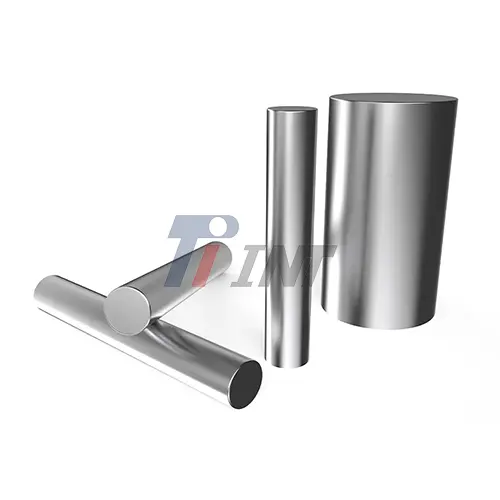
Titanium Bar Dental: Definition, Uses, and Core Benefits
You should know what the bar does in the mouth and on the machine before making a big choice.
What Is a Titanium Bar for Dental Implants?
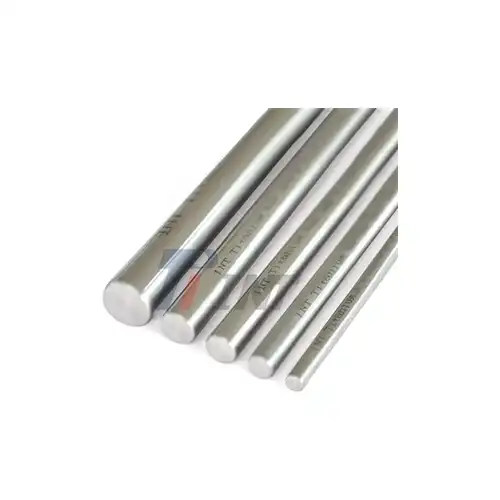
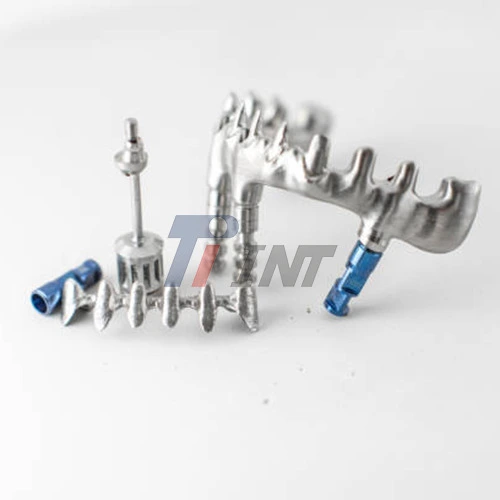
There is a strong base called a titanium bar dental that holds an overdenture or fixed prosthesis in place and links several implants together. Of course, labs use CAD/CAM tools to cut it out of wrought titanium bar stock. Full-arch overdentures, removable implant restorations, and substructures with more than one unit are all common uses. When you chew, the forces load all of the implants at once instead of just one. This is because the bar holds them together. Baoji INT Medical Titanium Co., Ltd. gives us the materials we need for this project. These are medical-grade titanium bars that are shaped by companies and labs to meet their needs.
Why Titanium Is Widely Used in Dental Implant Substructures
It is very hard for body fluids and spit to corrode titanium because the oxide layer that forms on it is very thin and solid. Since it's not magnetic, it doesn't get in the way of how the MRI is put together. According to ASTM F136, Ti-6Al-4V ELI has a minimum tensile strength of 860 MPa and a minimum yield strength of 795 MPa. It says that our Grade 5 bars have a tensile strength of 950 MPa and a yield strength of 880 MPa. About 110 GPa is its elastic stiffness, which is less than cobalt chrome's 220 GPa but more than bone. This is important for moving the load.
Titanium Bar Biocompatibility and Material Options
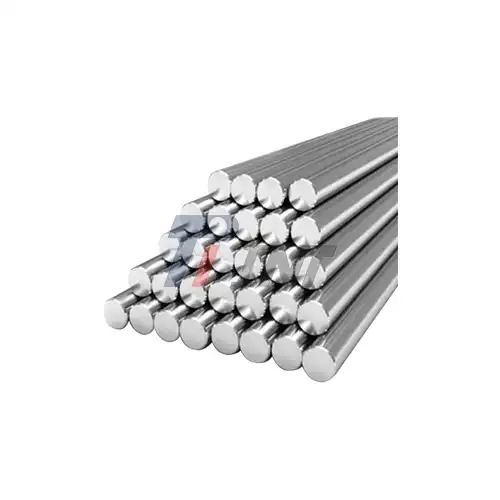
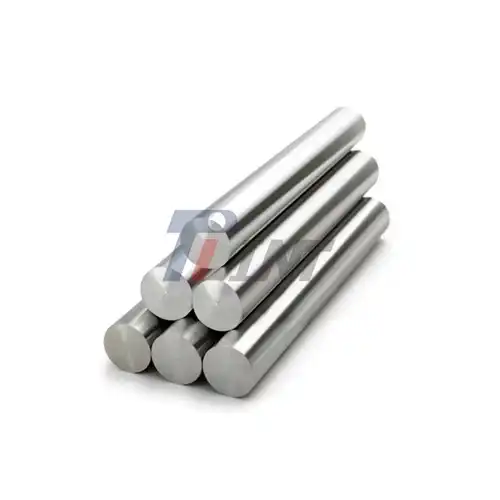
It's easy to shape and machine grade 4 pure titanium that you can buy in stores. Things are stronger when they are grade 5 (Ti-6Al-4V). As a result, Grade 23 (Ti-6Al-4V ELI) is easier to shape and less likely to break. Since titanium is easy for the body to take in, there is a lower chance that it will be rejected. We have Grades 5 and 23 of titanium bar dental for sale. It is possible to change the diameters by up to 200 mm and the lengths by up to 3000 mm. Our goods are approved by EU CE, ISO 9001:2015, and ISO 13485:2016.
Titanium Bar vs Zirconia Bar: Side-by-Side Performance Comparison
Neither part works by itself. How the device is placed, the shape of the connection, the blockage, and the care given all affect the result.
Strength, Durability, and Fracture Risk
Titanium is strong and bendable, so it's good for making things that are heavy and have a long span. About 900 to 1200 MPa is the bending strength of Y-TZP zirconia. However, it is stiff and brittle, and a flaw or thin connection can make it break. It was found in 2017 by Bidra and colleagues that full-arch zirconia prostheses had a high survival rate. But they were still having trouble with breaking and chipping. It's less of a risk if there is enough support and thickness, so material choice is just as important as design review.
Weight, Rigidity, and Patient Comfort
Titanium is thought to be 4.43 g/cm³ and zirconia to be 6 g/cm³. This makes a titanium bar dental in a maxillary prosthesis feel lighter. About 200 GPa is how much zirconia can bend, which is almost twice as much as titanium metal. It's stronger now. For ceramic connectors to work, the bar of titanium needs to be big enough so that it doesn't break. That gives the plastic and metal teeth in the denture more space, which may make it easier for the person to wear.
Esthetics, Color, and Soft-Tissue Considerations
People like zirconia because it is white. This is especially true for people with thin gums, since the gray metal could show through the gums. Composite, clay, or plastic is often put over titanium because it is gray. Overdentures can have bars that are hidden under the fake tooth's base. This means that color doesn't matter as much. They said in their review from 2015 that zirconia looks good but doesn't have as much long-term clinical data as titanium.
Hygiene, Surface Characteristics, and Maintenance
Both of these things can be cleaned to get rid of plaque and make them smooth. In real life, how clean something is depends less on the material and more on how much room there is under the bar and how simple it is for the patient to clean. Tiny cracks can form in ceramic when it is ground, but titanium can handle lab adjustments well. No matter what kind of material it is made of, the prosthesis will last longer if it is regularly maintained by a professional. This includes making sure the screws and connectors are in good shape.
Titanium Bar vs Cobalt Chrome and Locator Attachments
There are several options for retention, so I'll show you how titanium stacks up against two well-known ones.
Titanium Bar vs Cobalt Chrome Dental Bar
Titanium is about twice as dense as cobalt chrome (8.3 g/cm³), and cobalt chrome is about 220 GPa stiffer. The extra weight is felt in the upper mouth, but it doesn't rust and is stiff. It is often cast, which can make it shrink and bend, but it can also be milled. The replacement is lighter and less likely to have flaws when the titanium bar dental is cut from a wrought bar. To mill titanium, it needs to be wet and with a lot of coolant. This is because titanium doesn't let heat pass through it well.
Titanium Bar vs Locator Attachments
These are small stud-and-cap units that can be used on their own. With a single implant, each one keeps the false teeth in place. This keeps the height low and makes it simple to switch out old parts. They depend on implants that are straight and spread out. A splinted titanium bar dental connects the implants and keeps the arch stable across its span. It also spreads the load among the fixings. But the design and lab work are harder, and there needs to be enough room under the bar to clean and fix things.
When a Bar-Retained Overdenture Is the More Suitable Solution
The best situations for locaters are when the implants are well-aligned and there aren't many retention needs. An angled implant, trouble with fixation, or a full-arch form that is hard to understand makes a custom bar the better choice. When an implant or lab makes an implant, they are in charge of designing the bars, checking the fit, and milling. That teams need Grade 5 or Grade 23 titanium bar dental stock that they can trust to make. That's our job.
Milled Titanium Bar vs Cast Titanium Bar: Fabrication and Quality
Because the way something is made changes how accurate it is, you should give it some thought before you begin making it.
How a Custom CAD/CAM Titanium Bar Is Fabricated
An intraoral or model scan is the first step in making something. Once that is done, implants are picked out of a library and the titanium bar dental is made in CAD. The bar is cut from a titanium blank after the design file is sent to a grinding unit. After that, the bar is finished, checked, and paperwork is made. It's possible for the process to go as far as the raw materials allow. For the width to be in the right range, the surface must be clean, straight, round, and free of cracks and scratches. The flaws that were found after the bar was machined cost a lot more than the bar itself.
Milled Titanium Bar vs Cast Titanium Bar
Because they are made from worked stock, milled bars all have the same microstructure. Cast titanium is harder to work with. A thin, brittle layer forms on top of melted titanium and investment materials that needs to be taken off. Castings may also have cracks and holes. In 2011, Abduo and his colleagues did a thorough review that showed how screw-retained substructures are made affects how well they fit. They found that CAD/CAM milling was one of the most accurate ways to make them.
Why Passive Fit and Interface Accuracy Matter
Every implant can fit on the bar without any pressure being put on them. This is called passive fit. The 2017 study by Katsoulis and coworkers says that misfit can cause screw loosening, component wear, and problems with prosthetics. However, they say that there is no one amount of misfit that is appropriate. Before approving production, make sure you get dimensional reports, verification-jig procedures, torque checks, and a clear policy on remakes from the person who is making the bar.
Titanium Dental Bar Procurement Guide for Laboratories, Distributors, and OEM Buyers
This is how I would use these tech needs to make an RFQ that is useful.
Technical Specifications to Include in a Titanium Bar RFQ
This is an example of a good RFQ. It includes the titanium bar dental grade (Grade 4, Grade 5, or Grade 23), the standard (ASTM F136 or ISO 5832-3), the length, the straightness, the surface finish, the number of pieces per size, how they will be packed, and the due date for delivery. When you do dental work, you need a lot of different sizes in small amounts. Make a list for each size. Be sure to package bar ends safely so that they don't get dents or scratches while they're being shipped.
Quality and Compliance Documents to Request
You should ask for a mill test certificate (EN 10204 3.1 is usual), the chemical make-up and mechanical test results, the ability to find the heat number, and an ultrasound inspection report if you need one. The EU CE, ISO 9001:2015, and ISO 13485:2016 have all given their approval to the products that Baoji INT Medical Titanium Co., Ltd. makes. First-time buyers should also ask for samples and look at the size and quality of the surface before placing a trial order.
Questions to Ask a Dental Titanium Bar Manufacturer
These questions are helpful. How many of each size do you need to place an order? What sizes do you have? How does the seller make sure that every batch is the same? What do you do when the process or source of the material changes? How do you package the bar ends so they stay safe? We also do OEM work, which means we help our clients pick the right metal and make sure the end specs are met so the titanium meets their style and technical needs.
Titanium Bar Dental Price and Total Cost Factors
It costs more than just the unit price. Machined parts can be thrown away if the bar isn't straight or has cracks on the surface. This costs more than the material itself. When you look at different prices for titanium bar dental stock, you should consider the minimum order quantity, testing, freight, import taxes, and the amount of time you spent asking the same questions over and over. With an itemized quote, you can see these prices before you agree to them.
Recommended Decision Guide: When Titanium Is the Better Choice
How I pick the right stuff for the job is shown in these three situations.
Select Titanium When Mechanical Dependability and Digital Production Are Priorities
The best metal for implants is titanium bar dental when they need to be strong because of load, span, or angulation; when weight is an issue; and when CAD/CAM production needs to be repeated from certified stock. It can resist wear and bend, which lets designers make a lot of long-span designs. Grade 23 is best for designs that need to be bendy and not break easily. Grade 4 is best for designs that need to be simple to machine.
Select Zirconia When Esthetics and Ceramic Integration Dominate the Requirements
In a thin-tissue case that is easy to see, zirconia is the best choice because it blends in with the tooth and looks like real teeth. Look at how thick the connection is, how well it supports the tooth, and how well it manages the oral load. A few flaws are okay with this material. There isn't as much long-term data on full-arch zirconia as there is on titanium, so check the long-term data for your design.
Use a Hybrid or Case-Specific Approach When Requirements Conflict
A titanium core is used in a hybrid approach, along with a cover made of acrylic, composite, or ceramic. It's as strong as steel and looks like real wood on the outside. Look at the implant's shape, the room for the restoration, the upkeep needed, and the clinician's experience all at the same time. Then, choose the combination that meets the strictest needs.
Conclusion
It is possible to make implant bars out of both titanium bar dental and zirconia, but one is better than the other in different ways. Titanium is lighter, bendable, and doesn't wear down quickly. It can also be made from worked stock, which makes it useful for long patterns and repeated fits. Zirconia is very fragile, so it needs to be thick and carefully held in place. Its surface looks like real teeth. Weightier cobalt chrome is better for simpler implant layouts, while splinted bars work best for cases that are complicated or at an angle. If you mill from certified bar stock instead of casting, you don't have to worry about porosity and shrinkage. For the long term, passive fit is still the most important thing. Unit price should not be the only thing you use to decide what to buy. Grade, range, tracking, and total cost should also be taken into account. When people have different needs, a blend design can take the best parts of both and put them together.
FAQ
Is titanium better than zirconia for an implant-supported overdenture?
Most of the time, yes. Titanium is good for high loads and long spans because it is flexible and doesn't wear down easily. Zirconia, on the other hand, is good for designs that are driven by looks because it is thick.
What is the difference between a titanium bar and a locator attachment?
A titanium bar dental holds several implants in place and spreads the weight out. It's easier to make designs that fit better because a tracker holds the denture in place at one implant.
Is Grade 4 titanium suitable for dental implant bars?
Good news: Grade 4 is bendy and simple to machine. Pick Grade 5 or Grade 23 if the job needs to be stronger.
Are milled titanium bars better than cast titanium bars?
Milling from metal stock gives more consistent results and keeps holes from appearing in castings. Casting can work if you keep a close eye on it.
How can I request a quotation for a dental titanium bar?
Here's what you need to do: send the grade, standard, diameters, lengths, number per size, packing needs, and arrival date. Ask for a price list to get a quote.
Request a Titanium Bar Dental Quote from Baoji INT Medical Titanium Co., Ltd.
Baoji INT Medical Titanium Co., Ltd. has been in business since 2003 and sells Grade 5 and Grade 23 titanium bar dental products that are CE, ISO 13485:2016, and ISO 9001:2015-approved. Email your needs to export@tiint.com if you want to work with a titanium bar dentist provider that can handle custom diameters, lengths, and OEM needs. A full price will be sent to you by our team.
References
1. ASTM International, Standard Specification for Wrought Titanium-6Aluminum-4Vanadium ELI (Extra Low Interstitial) Alloy for Surgical Implant Applications (ASTM F136), 2013
2. International Organization for Standardization, ISO 5832-3: Implants for Surgery, Metallic Materials, Part 3: Wrought Titanium 6-Aluminium 4-Vanadium Alloy, 2021
3. Osman R.B. and Swain M.V., "A Critical Review of Dental Implant Materials with an Emphasis on Titanium versus Zirconia," Materials, 2015
4. Abduo J., Lyons K., Bennani V., Waddell N., and Swain M., "Fit of Screw-Retained Fixed Implant Frameworks Fabricated by Different Methods: A Systematic Review," International Journal of Prosthodontics, 2011
5. Katsoulis J., et al., "Misfit of Implant Prostheses and Its Impact on Clinical Outcomes. Definition, Assessment and a Systematic Review of the Literature," European Journal of Oral Implantology, 2017
6. Bidra A.S., Rungruanganunt P., and Gauthier M., "Clinical Outcomes of Full Arch Fixed Implant-Supported Zirconia Prostheses: A Systematic Review," European Journal of Oral Implantology, 2017