
Gr2 vs Gr5 Titanium Bar: Differences for Medical Applications


 2026-08-26 15:09:40
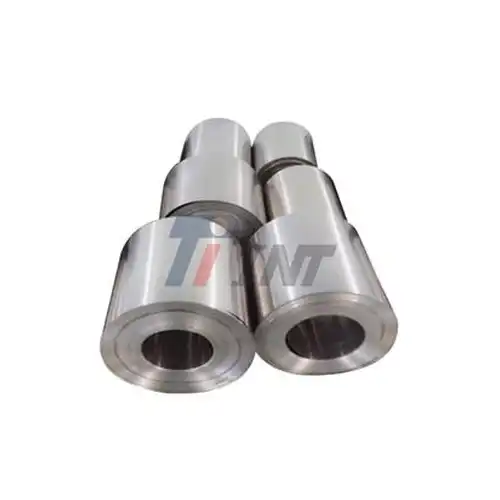
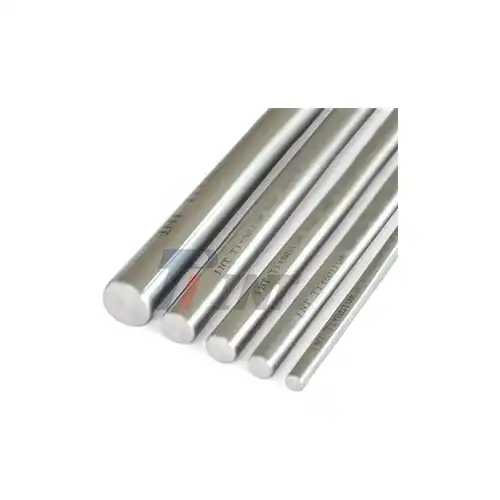
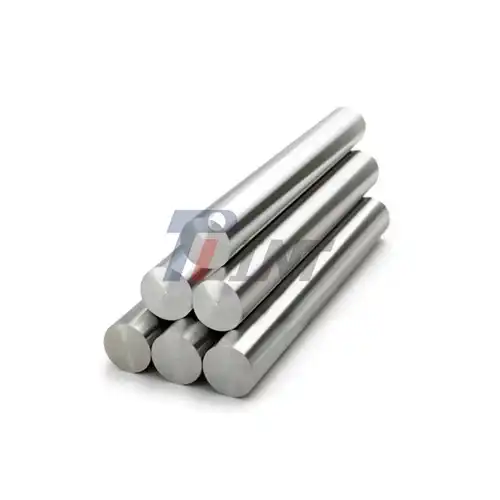
When sourcing titanium for medical devices, understanding the distinctions between Grade 2 and Grade 5 titanium bars directly impacts product performance, regulatory approval, and patient safety. Gr2 Titanium Medical Bar represents commercially pure titanium with outstanding corrosion resistance and biocompatibility, making it suitable for implants requiring prolonged tissue contact.
|
|
|
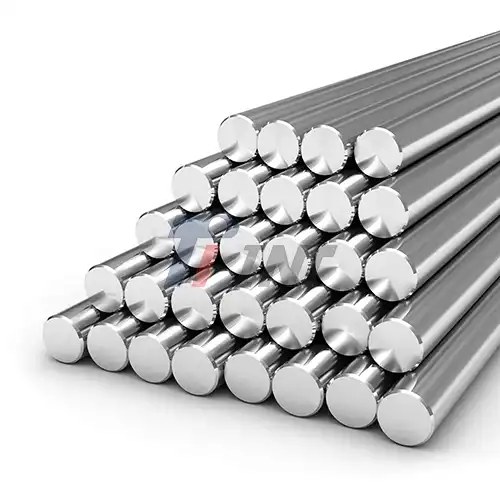
Grade 5 (Ti-6Al-4V), an aluminum-vanadium alloy, delivers significantly higher tensile strength for load-bearing applications. Procurement managers and R&D engineers must weigh these differences carefully—Gr2 offers superior formability and bio-inertness, while Gr5 provides exceptional mechanical robustness under stress. Selecting the appropriate grade ensures compliance with ASTM F67, ASTM F136, and ISO 5832 standards while meeting specific application demands in orthopedics, dental instruments, and surgical tools.
Introduction
Medical devices are built on titanium bars, which are prized for their unique mix of strength-to-weight ratio, resistance to corrosion, and biocompatibility. Choosing between Grade 2 (commercially pure) and Grade 5 (Ti-6Al-4V alloy) affects not only how the device works, but also how it is regulated, how much it costs to make, and how well it does in the long run. It's getting harder for procurement managers, supply chain leaders, and research and development engineers to find materials that meet strict FDA and CE standards while also keeping prices low and delivery times reliable.
This complete guide talks about all the technical, legal, and buying issues that come up with medical-grade titanium bars. In this paper, we look at the metallurgical features that make these grades different, test how well they work in different clinical settings, and give you a way to choose materials that meet both technical requirements and your budget. Our goal is to give global B2B buyers, like implant makers and ODM/OEM partners, the information they need to make their medical titanium supply chains work better.
Understanding Gr2 and Gr5 Titanium Bars: Properties and Specifications
Gr2 and Gr5 titanium are fundamentally different because of their chemical makeups and how they behave mechanically as a result. These differences show which grade works best for certain medical uses.
Chemical Composition and Purity Standards
Grade 2 titanium stays very pure and doesn't have many alloying elements. ASTM B348 standards say that Gr2 has the right amount of titanium, with no more than 0.30% iron and no more than 0.25% oxygen. This mix keeps the material's natural resistance to rust and makes sure it can be cold-formed easily. The managed amount of oxygen in the material gives it a modest level of strength without reducing its ductility, which is very important for manufacturing processes that need to bend or shape the material.
Grade 5 titanium has aluminum (5.5–6.75%) and vanadium (3.5–4.5%) as main alloying elements, which meets ASTM F136 standards for use in medical implants. These additions change the crystal structure of the material, making a two-phase substructure (alpha and beta phases) that makes it much stronger. To make sure the alloy is biocompatible, though, it has to go through strict quality checks. This is because the amounts of aluminum and vanadium used must stay below certain levels that could cause bad reactions in tissues.
Mechanical Performance Parameters
Gr2 titanium has a minimum tensile strength of 345 MPa (50 ksi) and a minimum yield strength of 275 MPa (40 ksi). It can stretch up to 20%. It has an elastic stiffness of about 105 GPa, which is similar to human cortical bone (10–30 GPa) but higher than stainless steel (200 GPa). This similarity lowers stress shielding, a problem that happens when implants are too stiff and stop natural bone loading. This causes bone loss and implant loosening.
Grade 5 has much better mechanical properties, with a minimum tensile strength of 895 MPa (130 ksi) and a yield strength of 828 MPa (120 ksi). Its hardness is about 36 HRC, which means it can be used in situations where resistance to wear and stress is important. The trade-off is that it is less flexible than Gr2, and it usually stretches by 10-15%. This difference affects how easy it is to machine and shape Gr5. To keep the work from getting too hard, it needs more aggressive tools and slower cutting speeds.
Dimensional Standards and Customization Options
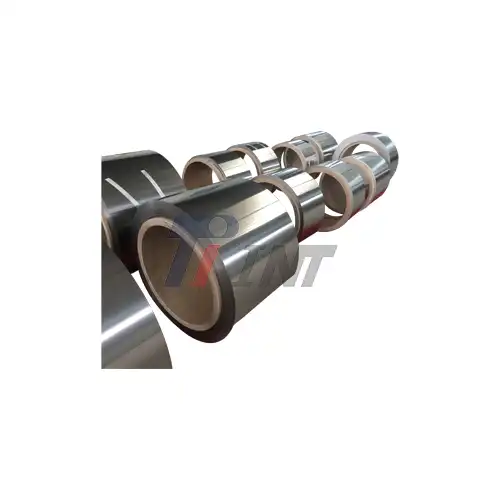
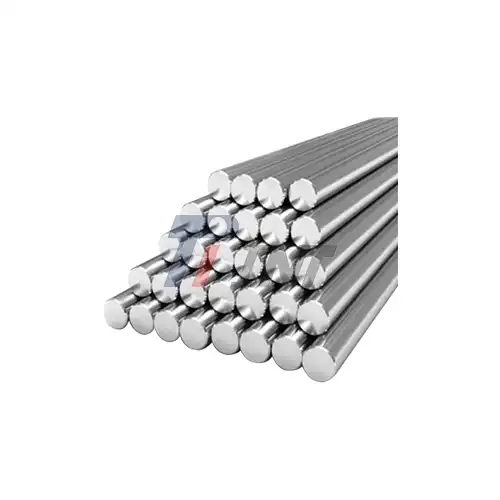
Both grades come in different bar shapes, including round, square, and hexagonal ones, with diameters or side lengths ranging from 6mm to 300mm. To keep post-processing waste to a minimum, medical manufacturers usually set tight tolerances—often within ±0.1mm for diameter and ±0.5mm/meter for straightness. The surface can be hot-rolled (scaled surface), cold-finished, or centerless ground, and the Ra value can be set anywhere from 0.8 to 3.2 micrometers, depending on the needs of the application.
When procurement teams know these basic needs, they can give clear instructions to sellers, which makes sure that materials are the same from one production batch to the next. Custom sizes are possible, but they usually come with minimum order quantities (MOQs) of 100–500 kg and longer wait times of 8–12 weeks, whereas normal stock items can be delivered in 3–4 weeks.
Comparative Analysis: Gr2 vs Gr5 Titanium Bars for Medical Applications
When you look at how these grades are used in different types of medical devices, you can see how they work differently in real life.
Biocompatibility and Implant Suitability
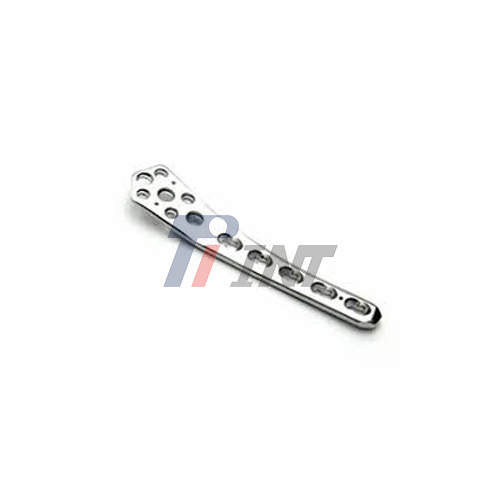
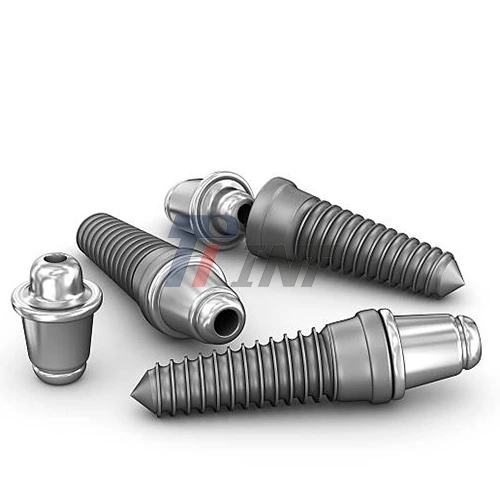
Gr2 titanium is very biocompatible because it forms an oxide layer (TiO2) on its own, which stays steady and doesn't combine with other substances in living things. This passive film heals itself right away after being scratched or worn down, keeping it safe from rusting in body fluids that are high in salt. Dental abutments, bone plates for maxillofacial reconstruction, and cardiovascular stents are all medical devices made from Gr2. These are used in situations where they will be in direct contact with tissue for years or decades.
The alloying elements in Grade 5 add more things to think about. Ti-6Al-4V ELI (Extra Low Interstitial) variants that meet ASTM F136 have been shown to be biocompatible, but procurement teams need to make sure that the materials they offer are certified for implantation. Standard industrial Gr5 (ASTM B348) has higher levels of iron and oxygen in the interstitial space, making it unsuitable for permanent implants. Because they need to be able to hold more weight, Gr5 is often used in hip and knee replacement stems, spine fusion hardware, and trauma fixation plates.
Corrosion Resistance in Clinical Environments
Both grades do a good job of resisting rust in general, but Gr2 Titanium Medical Bar does a little better in situations that are very acidic or full of chloride. According to ASTM G48 testing (ferric chloride pitting), Gr2 doesn't show any rust after 72 hours of contact, but Gr5 may show some surface staining in harsh circumstances. In real life, this difference doesn't usually affect clinical performance because the pH levels of people's bodies stay in narrow bands (7.35 to 7.45).
When different metals come into contact with each other in electrolyte solutions, galvanic corrosion can happen. Procurement managers need to make sure that titanium parts only touch compatible materials like other titanium alloys, tantalum, or some ceramic coatings. They shouldn't come into direct contact with stainless steel or cobalt-chromium alloys, as this could cause electrochemical cells to form, which would speed up the breakdown process.
Mechanical Strength and Fatigue Life
Implants that are loaded and unloaded over and over, like femur stems in hip replacements or spine rods, are stronger when Gr5 is used. According to ASTM E466 testing, Gr5 keeps the structure's integrity through millions of loading cycles at stress levels where Gr2 would cause cracks to start spreading. Gr5 is harder than other materials, so it resists fretting wear better at module joints. This means that less debris is made, which can stop inflammatory reactions.
On the other hand, Gr2's flexibility benefits show up in devices that need to be cold-formed or have complicated shapes. When making surgical tools like retractors, rasps, and guides, which are loaded and unloaded intermittently rather than continuously, Gr2 is often specified to make the process easier while still providing enough strength. The lower yield strength is fine as long as the plans include the right cross-sectional measurements to make up for it.
Cost Considerations and Market Availability
Prices for raw materials show how complicated production is and how much demand there is in the market. Prices for Gr2 titanium bars change based on the supply of titanium sponge around the world. Usually, they cost 15 to 25 percent less per kilogram than Gr5 bars. Prices on the market right now range from $25 to $35/kg for Gr2 and $30 to $45/kg for Gr5 in big orders of 500 kg or more. Prices are higher for smaller quantities; for specialty sizes that need custom production runs, prices can reach $60–$80/kg.
Lead times are very different depending on what the seller has in stock and how much they can make. Standard diameter Gr2 bars (12–50 mm) ship within 2–4 weeks from reputable makers who keep stock. However, it may take 6–10 weeks for Gr5 materials to arrive, especially those that need mill certifications and full traceability paperwork. Faster processing and rush orders cost 20 to 30 percent more, but they can cut delivery times to 4 to 6 weeks when important production plans require it.
To account for these changes, procurement strategies should keep strategic inventory reserves of commonly used sizes, make framework agreements with qualified suppliers to ensure capacity allocation, and plan material orders 3 to 6 months before production needs them to avoid paying more and having supply problems.
How Gr2 and Gr5 Titanium Bars Are Manufactured for Medical Use
From titanium rock to medical-grade bar stock, there are several metallurgical steps. Each one adds important quality control points that determine how well the end material works.
Primary Production Methods
The first step in making medical titanium is the Kroll process, which reduces magnesium and turns titanium tetrachloride into titanium sponge. Vacuum arc remelting (VAR) is a very important step that gets rid of inclusions and makes the chemistry uniform. When you double or triple VAR melt something, you get the defect-free microstructure that medical uses need. This is because even tiny inclusions can start cracks when the material is loaded and unloaded over and over again.
The remelted ingots are then put through hot forging or hot rolling at temperatures between 900°C and 1100°C. This process improves the structure of the grains and gives the metal directionality. Bars that are meant to be used in critical implant applications go through extra rotating forging or cross-rolling to make sure that the properties are the same across the whole cross-section. This gets rid of the centerline porosity that can happen in materials that are normally treated.
Drawing, turning, or centerless grinding are all types of cold finishing operations that are used to get the final dimensions and surface quality. After these steps, producers use stress-relief heating at 550–650°C to remove any remaining surface stresses. The annealing atmosphere, which can be a vacuum or an inert gas, stops the surface from oxidizing, which would have to be removed later by pickling or abrasion.
Quality Assurance and Certification Requirements
Medical-grade titanium bars go through a lot of tests that go beyond the normal checks for industrial materials. Optical emission spectroscopy (OES) proves the elements' make-up, while inert gas fusion (IGF) exactly measures the amount of oxygen, nitrogen, and hydrogen in the interstitial space. Gr2 Titanium Medical Bar must meet these strict compositional limits, because too much hydrogen (>150 ppm) weakens the material, and too much oxygen makes it stronger but less flexible, so affected material lots must be thrown away.
Tensile examples that were machined according to ASTM E8 are used in mechanical tests. The results show that the minimums for yield strength, maximum tensile strength, and elongation are met. Hardness testing, like the Rockwell or Brinell methods, is a quick way to make sure that heat treatment works and that the material is consistent. Ultrasonic screening finds flaws inside that are bigger than 1-2 mm, which is important for making sure the dimensional integrity of materials used in implants.
For regulatory compliance, you have to be able to track everything from the raw materials to the end product. Manufacturers who are ISO 13485 certified keep records for each lot that includes melt certificates, process control records, inspection reports, and material test reports (MTRs). Each shipment comes with this package of paperwork, which helps medical device makers meet FDA 21 CFR Part 820 design control and purchasing requirements.
Supplier Selection Criteria
When purchasing teams look at titanium bar suppliers, they should check their abilities in more than one way. Manufacturing skills include ISO 9001:2015 and ISO 13485:2016 certifications, as well as FDA registration and CE marking methods that show legal competence. Site checks make sure that quality labs (with tensile testers, spectrometers, and ultrasonic flaw detectors) and production tools (with VAR furnaces, hot working mills, and heat treatment facilities) meet the standards of the medical industry.
Dependability in the supply chain goes beyond initial standards. When it comes to preferred suppliers, they keep extras of popular sizes in stock, consistently deliver on time (>95% of the time), and are open about production plans and possible delays. Strategic partners are different from transactional sellers because they offer technical support services like metallurgical advice, material selection advice, and fixing help.
As more medical device companies switch to just-in-time inventory, financial stability and planning for business continuity become more important. Suppliers with more than one production site, a wide range of customers, and written risk management procedures offer more supply security than smaller businesses that could fail equipment or run out of space when demand goes up.
Choosing the Right Titanium Grade: Decision-Making Guidelines
To choose between Gr2 and Gr5 titanium, you need to carefully look at their technical, legal, and business aspects.
Application-Based Material Selection
Material choice is based on how the device works. Permanent devices that touch soft tissue or bone marrow benefit from Gr2's high biocompatibility and resistance to rusting. Dental implants, bone screws that don't carry weight, and craniofacial reconstruction plates are all good examples of Gr2 uses. The material is very easy to work with, which makes it possible to make complicated thread shapes and accurate surface finishes that are needed for osseointegration.
Gr5's higher strength is needed for load-bearing implants that are under a lot of mechanical stress. Total joint replacement parts like femoral stems, tibial trays, and humeral heads usually use Ti-6Al-4V ELI to make them strong enough to handle body weight and muscle forces millions of times a year. Spinal fusion bars and trauma plates for major long bones both need Gr5's wear resistance to keep them from breaking completely.
The needs for surgical tools are in the middle. For cost-effectiveness, single-use or limited-reuse items may choose Gr2, while reusable tools that need to be sterilized many times and be subjected to mechanical abuse prefer Gr5's strength and wear resistance. Instrument handles, retractors, and forceps have to balance the need for functionality with the need to stay within a budget. Sometimes, both types are used in the same assembly, with Gr5 being used for high-stress parts and Gr2 being used for comfortable handles.
Regulatory Pathway Considerations
Choosing the right materials has an effect on how you submit them to regulators. Devices made with Gr2 titanium that meets ASTM F67 can use decades of clinical history to back up their biocompatibility claims. This makes FDA 510(k) submissions easier by using strong similarity reasons. As with ASTM F136 materials, Gr5 materials can also benefit from a lot of predicate device data, as long as manufacturers show that they follow the rules for sourcing materials and processing them.
According to ISO 10993 standards, new uses or changes to processing methods may require more biocompatibility testing. This includes cytotoxicity, sensitization, irritation, and systemic toxicity assessments. These tests can add $50,000 to $150,000 to the development costs and take an extra 6 to 12 months. When making early choices about what to buy for a device, these regulatory effects should be taken into account. When possible, materials with a history of being used in clinical settings should be chosen.
Economic Optimization Strategies
The price of raw materials is only one part of the total cost of ownership. The better machinability of Gr2 Titanium Medical Bar lowers the cost of making each unit by allowing faster cycle times, longer tool life, and fewer parts that have to be scrapped because they were too hard to machine. Manufacturers say that switching from stainless steel to Gr2 titanium increases productivity by 20–30%. This is because the higher cost of the material is balanced out by lower costs for labor and overhead.
The higher cost of materials for Gr5 is balanced by the gains in design efficiency. Because Gr5 is stronger than Gr2 versions, it is possible to make them lighter or smaller. For example, a hip stem made of Gr5 may have the same performance with 15-20% less material volume. This change in material lowers the mass of the implant, which could improve patient results while also lowering the amount of material used per unit.
The amount bought has a big effect on unit economics. For orders over 500 kg per standard, volume discounts of 10 to 15 percent are available. Multi-year framework deals with agreed annual amounts get better prices and ensured supply allocation. Strategic buyers combine needs across product lines so they can get the best deals from qualified sellers instead of spreading out orders among many providers.
Maximizing Value from Gr2 and Gr5 Titanium Bars in Medical Supply Chains
Aside from choosing the right materials, procurement practices also affect how efficient and cost-effective the whole supply chain is.
Strategic Sourcing Practices
Medical device companies that do well use two-source supply methods, which means they find at least two different sources for important titanium materials. This backup protects against supply problems caused by broken equipment, natural disasters, or quality system suspensions, and it keeps prices competitive. Qualification expenses, which include testing samples, running production runs, and reviewing regulation paperwork, take 6 to 12 months but ensure a steady supply for a long time.
Carrying costs, stock-out risks, and rush order prices are all taken into account when inventory optimization is done. Manufacturers who deal with steady demand keep 8 to 12 weeks of safety stock of normal titanium bars, which they refill by releasing them on a set plan in response to blanket purchase orders. Products whose demand changes often or whose suppliers take a long time to respond to orders should have higher inventory goals (12 to 16 weeks) to account for this and keep costs down.
Quality Consistency and Supplier Performance Management
Consistency of materials has a direct effect on production yield and the performance of the result. Leading suppliers use statistical process control (SPC) for important factors like chemistry, mechanical properties, and dimensional accuracy, showing capability indices (Cpk) higher than 1.67 for important specifications. Instead of relying only on certificate of analysis paperwork, procurement teams should ask for control chart data during supplier audits to make sure the process is stable.
Supplier scorecards that keep track of delivery dates, quality acceptance rates, and timeliness make it possible to evaluate performance in an objective way. Every three months, business reviews talk about trends, plan for capacity, and make sure everyone is on the same page with ongoing efforts to improve things. Top-performing providers get preferred status by consistently doing a great job. This means they get first consideration for new products and more business possibilities.
Emerging Innovations and Future Trends
Additive manufacturing (3D printing) with titanium powders allows for design freedoms that aren't possible with regular bar stock. This means that patient-specific implants and complex lattice structures that help bone grow can be made. Powder feedstocks are two to three times more expensive than the same kind of bar material right now, but they may be worth it for low-volume, high-value uses because they get rid of wasteful production processes and make inventory management easier.
Plasma blasting, anodizing, and bioactive coatings are some surface modification technologies that improve the antimicrobial and osseointegration qualities of implants. More and more, procurement specifications include requirements for surface finish and pre-treatment protocols. This means that suppliers need to be able to do more than just make materials; they also need to be able to offer value-added processing services.
People are interested in recycled titanium content and closed-loop material systems because they are good for the environment. Medical rules currently limit the amount of recycled material that can be used in implant-grade materials because of concerns about tracking. However, surgical instruments and parts that aren't implants may use recycled titanium, which would be better for the environment and could lower costs as recycling infrastructure improves.
Conclusion
Choosing between Gr2 Titanium Medical Bar and Gr5 titanium bars has a big impact on how well medical devices work, how long it takes for regulators to approve them, and how much it costs to make them. Gr2 is the best material for biocompatibility and corrosion resistance in implants that touch tissue, while Gr5 is the best material for load-bearing applications because it is stronger.
To do a good job of procurement, you need to balance technical requirements, legal requirements, supplier skills, and total cost. Companies that make medical devices can benefit from forming smart partnerships with qualified titanium suppliers who offer a wide range of materials, professional know-how, and reliable quality systems. By knowing the unique features and best uses for each grade, procurement teams can make the best material choices that improve device functionality, keep patients safe, and keep their market position competitive.
FAQ
What are the primary differences between Gr2 and Gr5 titanium for medical implants?
Gr2 is commercially pure titanium that is biocompatible, resistant to rust, and easy to shape, but it is only moderately strong (345 MPa tensile). As a result of its aluminum and vanadium alloys, Grade 5 (Ti-6Al-4V) is much stronger (895 MPa tensile) and can be used for load-bearing implants, but it needs to be certified by ASTM F136 before it can be implanted.
Which titanium grade shows better corrosion resistance in body fluids?
Through passive titanium oxide films, both grades show great resistance to corrosion. In very acidic or salt situations, Gr2 works a little better than Gr1, but both grades work about the same in physiologically normal conditions (pH 7.35-7.45).
How do lead times compare for standard versus custom titanium bar sizes?
Standard diameter bars (12–50 mm) from reputable sources usually ship in two to four weeks for Gr2 and six to eight weeks for Gr5. Custom sizes that need production runs can make wait times 8–12 weeks longer, based on how complicated the size is and how busy the seller is.
What certifications should medical device manufacturers verify when sourcing titanium bars?
Some important certifications are ISO 13485:2016 quality management systems, materials that meet ASTM F67 (Gr2) or ASTM F136 (Gr5 ELI) standards, full mill test reports with chemical and mechanical verification, and full traceability documentation that meets FDA and CE requirements.
Partner with a Trusted Medical-Grade Titanium Bar Manufacturer
Choosing the right material grade is only one part of making a successful medical device. Working with a skilled, experienced titanium provider is also important to make sure that the material is always the same, that the product meets all regulations, and that the supply is reliable throughout its lifecycle. Since 2003, Baoji INT Medical Titanium Co., Ltd. has been a leader in medical-grade titanium products. With over 30 years of experience in the titanium business and quality systems that meet ISO 9001:2015, ISO 13485:2016, and CE certification standards, the company has a lot to offer.
We offer a wide range of products, including commercially pure titanium and Ti-6Al-4V ELI alloys in bar, wire, plate, and custom-forged shapes. If you need a standard diameter Gr2 Titanium Medical Bar for dental uses or high-strength Gr5 materials for orthopedic devices, our production skills can meet your exact needs and provide full traceability data to support regulatory submissions. We keep a strategic inventory of common sizes so that we can deliver quickly. We can also offer custom sizes and surface finishes to meet your specific manufacturing needs.
Technical advice is an important part of our relationships with our customers. Our metallurgical experts help you choose the right materials, make suggestions for machining, and check the quality of your work. This way, they can help you make the best designs while also efficiently navigating regulatory paths. As a reliable supplier of medical titanium bars to customers around the world, we know how important it is for medical device makers to find the right balance between quality, compliance, and cost-effectiveness.
Email our team at export@tiint.com to talk about the needs of your project, get examples of materials, or get full quotes. Visit inttitanium.com to see all of our services and find out how our 20 years of experience with medical titanium can help your supply chain and shorten the time it takes to make new products.
References
1. American Society for Testing and Materials. (2021). ASTM F67-13: Standard Specification for Unalloyed Titanium, for Surgical Implant Applications. West Conshohocken, PA: ASTM International.
2. American Society for Testing and Materials. (2021). ASTM F136-13: Standard Specification for Wrought Titanium-6Aluminum-4Vanadium ELI Alloy for Surgical Implant Applications. West Conshohocken, PA: ASTM International.
3. International Organization for Standardization. (2018). ISO 5832-2: Implants for Surgery – Metallic Materials – Part 2: Unalloyed Titanium. Geneva, Switzerland: ISO.
4. Geetha, M., Singh, A. K., Asokamani, R., & Gogia, A. K. (2009). Ti based biomaterials, the ultimate choice for orthopaedic implants: A review. Progress in Materials Science, 54(3), 397-425.
5. Niinomi, M., & Nakai, M. (2011). Titanium-Based Biomaterials for Preventing Stress Shielding between Implant Devices and Bone. International Journal of Biomaterials, Article ID 836587.
6. Long, M., & Rack, H. J. (1998). Titanium alloys in total joint replacement: a materials science perspective. Biomaterials, 19(18), 1621-1639.
_1753427753918.webp)
_1752818317695.webp)
_1750664314563.webp)