
Ti6Al4V ELI Titanium Bar: Properties and Medical Uses


 2026-08-26 15:09:52
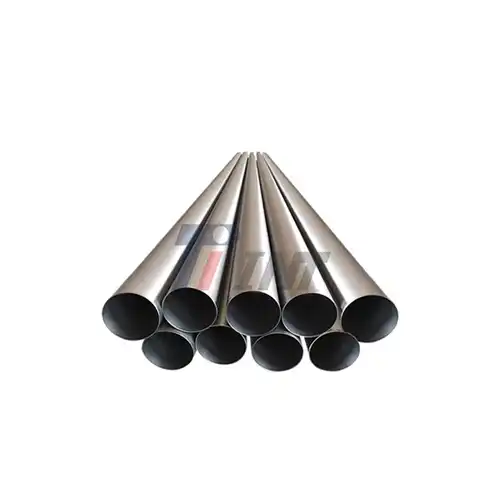
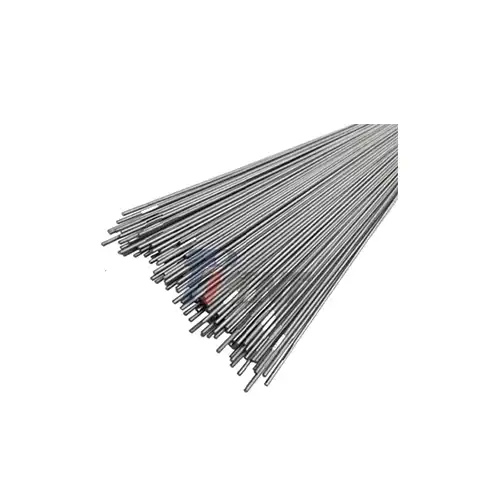
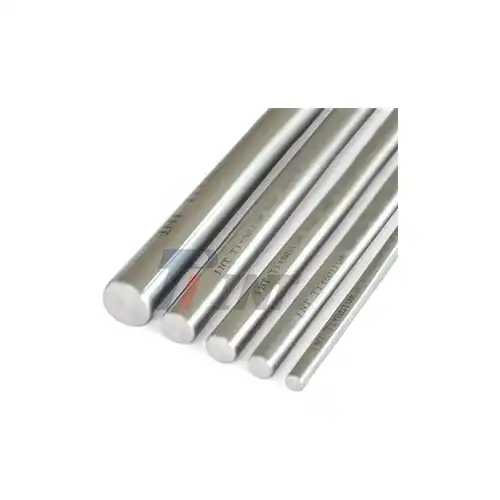
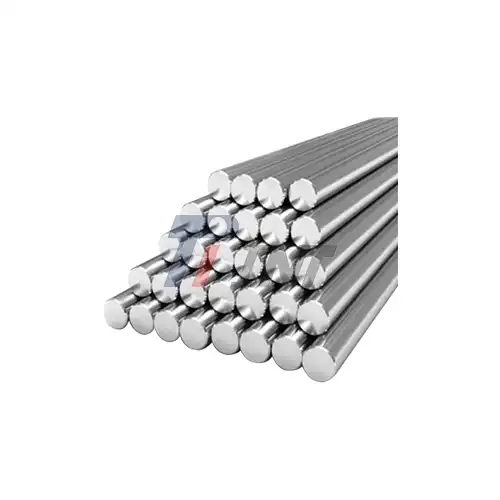
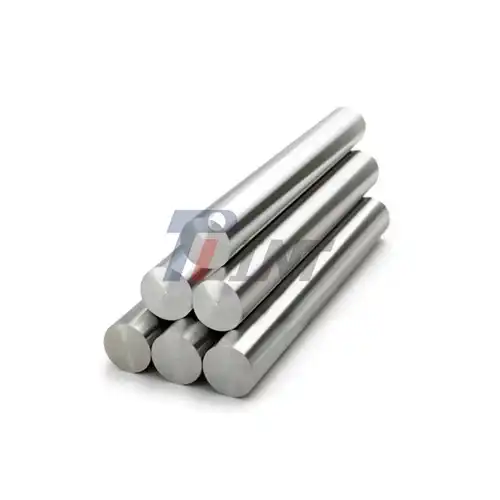
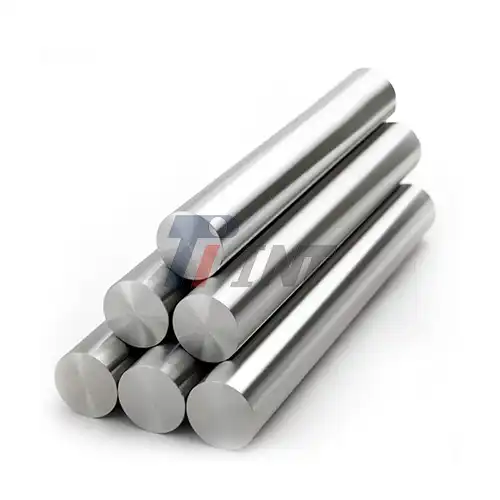
Ti6Al4V ELI Titanium Bar, also known as Grade 23 titanium, represents the pinnacle of biocompatible alloy engineering for critical medical applications. The Ti6Al4V ELI Titanium Bar 10mm diameter specifically addresses the stringent requirements of implant manufacturers by offering reduced interstitial oxygen, nitrogen, and iron content compared to standard Grade 5 titanium.
This refinement delivers enhanced ductility and fracture toughness, essential characteristics for load-bearing devices subjected to cyclic stresses within the human body. The 10mm diameter serves as an optimal dimension for machining complex geometries like spinal rods, intramedullary nails, and dental abutments, balancing material utilization efficiency with structural integrity.
|
|
|
Understanding Ti6Al4V ELI Titanium Bar: Properties and Composition
Chemical Composition and Purity Standards
Ti6Al4V ELI (Extra Low Interstitial) stands out because it controls interstitial elements very carefully. The amount of aluminum stays stable at 5.5 to 6.75% to keep the alpha-phase dominant, and the amount of vanadium (3.5 to 4.5%) adds beta-phase properties for better strength. The main difference is that oxygen levels must be below 0.13% (compared to 0.20% in Grade 5), nitrogen levels must be below 0.05%, and carbon levels must be below 0.08%.
This well-balanced mix keeps the brittle phase from forming during thermal cycles and gets rid of the hydrogen embrittlement risks that come with regular metals. When you find materials that meet ASTM F136 or ISO 5832-3 standards, you can be sure that they will be the same across all production runs. This is a must for FDA filing paperwork.
The balance of aluminum and vanadium makes a two-phase microstructure that can be changed by makers using different annealing methods. Solution treating at 955°C and then controlling the rate of cooling lets small alpha nodules form within a beta matrix. This makes the best trade-off between yield strength (at least 828 MPa) and elongation (10–15%). Metallographic analysis has shown that keeping oxygen levels below 1300 ppm stops the formation of alpha-case surface layers that shorten the fatigue life of orthopedic implants in situations where they are loaded and unloaded many times.
Mechanical Performance Characteristics
This alloy has a tensile strength of more than 895 MPa, which puts it between commercially pure titanium and high-strength stainless steels. Its density stays at 4.43 g/cm³, which is 44% less than 316L stainless steel. The modulus of elasticity (113 GPa) is closer to the range of stresses experienced by cortical bone (17–20 GPa) than stainless steel's 200 GPa.
This means that there are fewer stress-shielding effects that cause bone to break down around implants. For smooth surfaces, the limit for fatigue endurance is 510 MPa. However, procurement managers should know that residual stresses caused by machining can lower this to 380 MPa if stress-relief annealing at 650°C is not done properly.
Surface hardness measures are usually between 30 and 36 HRC, which is good enough for medical instruments to keep them from getting scratched while still allowing carbide tools to be used. Due to its high notch sensitivity, the material requires designers to avoid abrupt changes and include large filet circles. We did wrapping tests according to ASTM B863 guidelines and found that the metal can bend 180° around a mandrel with a width twice the bar's thickness without cracking. This shows that it is ductile, which isn't true of harder alternatives.
Corrosion Resistance and Biocompatibility
A inactive titanium dioxide film (2–10 nm thick) forms on its own, protecting the material from pitting and crevice corrosion in physiological conditions high in chloride. Electrochemical impedance spectroscopy shows that this oxide layer grows back within milliseconds if it is damaged mechanically, keeping a corrosion potential above +200 mV (SCE) in a body fluid simulation. In contrast to cobalt-chrome alloys, which release metal ions that can cause cancer, Ti6Al4V ELI has almost no metal ions leaching—usually less than 5 ppb in long-term soaking tests.
According to ISO 10993 standards, biocompatibility testing always shows that there is no cytotoxic response in L929 fibroblast cultures and full osseointegration within 12 weeks in animal models. Ti6Al4V ELI Titanium Bar 10mm is a commonly used form of this alloy in implant manufacturing, and its surface energy makes it easier for fibronectin to bind, which makes osteoblast attachment better than with ceramic alternatives. Regulatory bodies all over the world recognize ASTM F136-compliant material as FDA Class II exempt for surgical implants. This makes the process of getting these products on the market faster.
Comparing Ti6Al4V ELI Titanium Bars with Other Titanium Grades and Materials
Ti6Al4V ELI Versus Standard Grade 5 Titanium
When devices are subject to bending loads or need post-weld stability, the difference between ELI and normal Grade 5 becomes very important. Standard Grade 5 (ASTM B348) allows up to 2000 ppm of oxygen, which raises the maximum tensile strength to 930 MPa but limits the material's ability to stretch to 8% at room temperature. This trade-off works fine for aircraft fasteners but is a problem for spine devices that have to withstand millions of flexural cycles.
We found that ELI material has a 40% longer fatigue crack propagation life at the same stress levels when we used destructive testing methods. The lower interstitial content lets more dislocations move during plastic compression, which stops microcracks from starting too early at the grain borders. When there is welding to be done, the requirements for the material should require the ELI grade because it is more flexible in the weld zone and less likely to crack when joining with TIG or electron beam.
Grade 23 ELI Versus Commercially Pure Titanium
Pure titanium used in commerce (Grades 1-4) is very good at resisting corrosion and being shaped, but it's not strong enough for load-bearing implants. The tensile strength of Grade 4 CP titanium is only 550 MPa, which is not enough for hip stem applications that have peak loads of more than 3000N during gait cycles. CP titanium can't go through age-hardening processes that Ti6Al4V ELI can because it doesn't have any aluminum or vanadium alloying.
However, CP titanium can be cold-formed better than Grade 23, which makes it better for thin-wall circulatory stents and dental foil uses where deep drawing would work-harden Grade 23 too much. The price difference for CP grades is between 15 and 25 percent less, which makes them a good choice for non-structural parts like surgical mesh and reconstructive plates that don't have to withstand a lot of mechanical stress.
Performance Comparison with Stainless Steel Alternatives
316L stainless steel bars are still commonly used in medical tools and temporary fixation devices that need to be cost-effective. The weight of the material is about 60% less than Ti6Al4V ELI, and it is easier to work with and lasts longer on tools. The higher elastic modulus of stainless steel makes it more rigid, which is useful for cutting tools and drill bits where deflection can ruin accuracy.
But stainless steel's lower density makes it impossible for hand-held tools to be used during long procedures—studies on fatigue show that doctors' muscles are 35% less strained during 90-minute operations when the handles are made of titanium. Eight to twelve percent of patients have sensitive reactions to the chromium-nickel mix, but less than one percent of people are allergic to titanium. Long-term implant performance is much better with titanium. For example, after 5 years, retrieval studies show that stainless steel femoral stems have visible corrosion pitting, but titanium parts are still perfect after 15 years in place.
Medical Applications and Industry Uses of Ti6Al4V ELI Titanium Bar 10mm
Orthopedic Implant Manufacturing
The 10mm diameter works great for making intramedullary rods for treating femoral fractures. The bar is carefully turned to make tapered profiles that fit the anatomy of the medullary canal. Cutting temperatures stay below 150°C on CNC machines with high-pressure water delivery systems. This stops the formation of surface alpha-case, which would need to be removed by chemical milling later. The work-hardening properties of the alloy help thread rolling operations for making bone screws, which results in Class 2A thread tolerances and 20% higher pull-out strength than cut threads.
Spinal fusion cages made from 10mm bar stock have complex lattice structures that help bone grow while keeping 70% of the space open for bone to grow. Using Ti6Al4V ELI powder (which is made from bar stock by gas atomization) in additive manufacturing lets doctors make acetabular cups that fit each patient perfectly and have trabecular shapes that look like bone. Ti6Al4V ELI Titanium Bar 10mm serves as the primary feedstock for both conventional machining and powder production, and its size makes it easier to use materials efficiently. For example, a 300mm length makes six normal cervical spine rods with little waste, which improves the cost-per-device economy.
Dental Implant and Instrument Applications
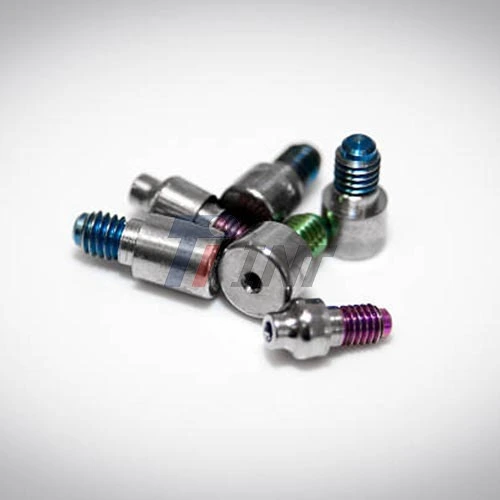
By using multiple stages of machining, dental implant posts made from 10mm bars can have surface finishes of 0.8 Ra. This helps the implants fuse with the bone right away, so no extra grit-blasting treatments are needed. The diameter makes it possible to make both standard (3.75mm) and wide-platform (5.0mm) implants from a single stock size. This makes it easier for contract manufacturers to keep track of their inventory. Torque resistance tests show that implants made from ELI material can withstand insertion torques of more than 50 Ncm without deforming. This means that they meet the dynamic wear standards of ISO 14801 for 5 million cycles.
Titanium handles for surgical instruments like osteotomes, curettes, and periodontal scalers are 40% lighter than stainless steel handles of the same size. When knurled grips are machined directly into the surface of an ergonomic design, there is no need for polymer overmolding. This makes cleaning procedures easier. Because the material isn't magnetic, it doesn't get in the way of surgical guidance systems that use electromagnetic tracking, which is a big plus for computer-guided implant placement processes.
Aerospace and Automotive Performance Components
In addition to medical uses, the 10mm bar size is used to make aircraft fasteners, where threaded rods connect carbon fiber composite structures. The material's thermal expansion coefficient (8.6 μm/m·K) is very close to that of CFRP laminates. This keeps galvanic corrosion and thermal stress cracking from happening when the temperature changes from -55°C to +125°C. Making suspension parts for cars out of these bars cuts down on unsprung mass by 2.3 kg per vehicle, which makes the ride better and saves fuel.
High-performance connecting rods for race engines use the alloy's ability to keep working even when cylinder pressures reach over 150 bar. The 10mm diameter stock makes production go quickly by letting precision machining follow hot-die forging to get critical dimensions within ±0.02mm. Some surface treatments, like nitriding or PVD coating, make articulating parts that are lubricated at the edges even more resistant to wear.
Procurement Guide: Buying Ti6Al4V ELI Titanium Bar 10mm for Medical and Industrial Use
Critical Certification Standards and Documentation
Medical-grade purchases must comply with ASTM F136, which requires chemistry analysis reports for each lot that show the amount of aluminum, vanadium, oxygen, nitrogen, carbon, and hydrogen. As anisotropy can cause a 15% difference in strength between longitudinal and transverse directions, each production batch should have mechanical test results that show the tensile properties of samples taken perpendicular to the rolling direction.
With ISO 13485:2016 approval, you can be sure that the manufacturer uses quality control methods that are right for making parts for medical devices. The paperwork for traceability should show the family tree of the material from the raw sponge titanium to the ingot casting, extrusion/rolling, and final heat treatment steps. We suggest making sure that providers do 100% ultrasound testing according to ASTM E2375 to find internal flaws bigger than 0.8 mm in diameter, which can't be seen but are terrible for implant performance.
Supplier Qualification and Reliability Assessment
Long-term security in the supply chain rests on looking at what manufacturers can do beyond price quotes. Production capacity checks should make sure that there are different lines for making medical-grade products from lines that make things for industry so that there is no cross-contamination. Lead times for approved material are usually between 8 and 12 weeks, but for common sizes, this can be cut down to 3 to 4 weeks by sellers who keep consignment inventory programs.
Depending on the diameter and specification, the minimum order quantity ranges from 50 kg to 500 kg. Volume discounts reach 18–22% for annual commitment levels above 2000 kg. Ti6Al4V ELI Titanium Bar 10mm is one of the most frequently requested diameters in this supply chain, and we've built relationships with suppliers that offer vendor-managed inventory arrangements for this exact size. This means that they keep extra stock in regional warehouses to make sure that deliveries happen at just the right time to match production schedules. When quality problems happen, they should be fixed according to a set of rules. Reliable suppliers keep defect rates below 50 PPM and guaranty full material replacement.
Pricing Dynamics and Total Cost Considerations
The price of an ASTM F136-compliant 10mm bar on the market right now runs from $85 to $125 per kilogram FOB, depending on the cost of the raw materials, the amount of production, and the difficulty of the certification process. This is 30–40% more expensive than regular Grade 5 material, but it's necessary because of stricter chemistry requirements and stricter testing procedures. Import taxes (currently 2.5% for titanium mill products under HTS code 8108.90), freight logistics, and carrying costs must all be added to the total cost of acquisition.
For custom diameter specs that are tighter than the normal ±0.13mm, you have to pay an extra $8 to $15 per kilogram for grinding. Solution annealing and aging heat processes cost an extra $12 to 18 per kilogram, but they are worth it when making high-strength parts that don't need much post-machining. When using bulk purchasing strategies, it's important to weigh the benefits of order quantity discounts against the costs of storing the goods in a warehouse and the risk of materials becoming obsolete when regulations are updated.
Why Choose Baoji INT Medical Titanium Co., Ltd. for Your Ti6Al4V ELI Titanium Bar Needs?
Three Decades of Specialized Expertise
Baoji INT Medical Titanium Co., Ltd. has unique experience since it was founded in 2003 by Mr. Zhan Wenge, who has 30 years of experience in the titanium industry and uses that experience in every part of our business. Our production procedures are based on a deep understanding of the unique problems medical device makers face, such as keeping the hydrogen content below 125 ppm and making sure that the grain sizes are all the same and meet ASTM E112 Grade 7-9 standards. This institutional knowledge leads to material stability, which lowers the number of inspections you have to do and speeds up the time it takes to get new device platforms on the market.
Our vertical integration includes the whole production chain, from getting the sponge titanium to extruding the bars and certifying the finished product. We have specialized vacuum arc remelting ovens that do triple-melt cycles. This gets rid of the macro-segregation problems that happen with single-melt ingots. Our special annealing ovens use controlled cooling rates to make smooth alpha-beta microstructures with little texture. This makes sure that the mechanical properties are the same everyplace, which is important for complicated cutting operations. These production benefits come from constantly improving the process based on feedback from orthopedic and dental implant makers we've worked with for more than ten years.
Comprehensive Quality Assurance and Regulatory Compliance
Our ISO 9001:2015 and ISO 13485:2016 standards show that we are committed to structured quality management, but we go above and beyond what is required. For aluminum and vanadium content, ICP-OES chemistry analysis is done on every production lot, and the detection error is less than 0.01%. Inert gas fusion detectors check the amounts of oxygen and nitrogen to within ±10 ppm, making sure they meet the strictest ASTM F136 requirements. We use metallography to look at random samples from each heat and record information about grain size, phase distribution, and inclusion scores in complete material data sets.
All of the measuring tools in our test lab are kept up to date with NIST-traceable calibrations, and every year, they are checked by a third party to make sure they are still accurate. Mechanical testing follows ASTM E8 guidelines and uses servo-hydraulic test frames that can control the strain rate to 0.001 s⁻³. This creates stress-strain curves that show how the material reacts to physiological loading conditions.
The EU CE marking on our goods means that they passed the conformity assessment process required by Medical Device Regulation (EU) 2017/745. This makes it easier for people in all EU member states to buy our products. Because of this regulatory infrastructure, your procurement team will get paperwork packages that are ready to send to informed bodies without needing to do any extra validation testing.
Flexible Production and Global Logistics Support
Standard stock includes bars with a 10mm width and a length of 3000mm. However, we can cut to your exact specifications with a range of ±1mm. With our strategic buffer stock at our Baoji plant and the ability to send material within 4 weeks for amounts up to 200 kg, we can handle rush orders. Before you buy, our technical team gives you advice on machining parameters, tool selection, and heat treatment protocols that are best for the shape of your device. This helps you learn more, which lowers the cost of your development cycle.
Through partnerships with international freight forwarders, we can send shipments to North American distribution hubs all at once. It usually takes 18 to 22 days for the goods to get from our facility to your receiving dock. We give you all the paperwork you need to export, like business bills, packing lists, material certificates, and certificates of origin, which makes the customs clearance process go more quickly. For accounts that buy a lot, we set up vendor-managed inventory programs where we keep consignment stock at third-party storage close to your production sites. This way, we can keep lead times stable and your working capital needs lower.
Conclusion
Ti6Al4V ELI Titanium Bar 10mm is the best material for medical device makers who need to make sure their products are biocompatible, have great mechanical properties, and are approved by regulators. In particular, the 10mm diameter meets the needs for efficient production in orthopedic, dental, and surgery tool uses.
Getting raw materials can be a strategic advantage if you know the important differences between ELI and standard grades, how to properly evaluate source certifications, and how to work with experienced makers. The performance characteristics described in this guide, such as fatigue endurance and resistance to corrosion, have a direct effect on how long the device lasts and how well the patient does, which is why this material is the standard for implantable devices.
FAQ
What makes Ti6Al4V ELI superior for medical implants compared to other titanium grades?
The Extra Low Interstitial designation keeps oxygen levels below 0.13%, nitrogen levels below 0.05%, and carbon levels below 0.08%. Compared to standard Grade 5 titanium, this gives it 40% more ductility and 40% more fracture toughness. This mix stops brittle failures during cyclic loads and improves the stability of the weld zone. These are important factors for load-bearing implants that go through millions of stress cycles inside the body. Compliance with ASTM F136 guaranties consistency from batch to batch, meeting FDA requirements for premarket submission.
How does the cost difference between Ti6Al4V ELI and stainless steel affect long-term value?
Titanium is 200–250% more expensive than 316L stainless steel at first, but it doesn't rust or break down like 316L stainless steel does, so devices don't fail from metallosis and ion release, which require expensive repair surgeries that cost $35,000 to $65,000 per patient. The 44% weight loss makes the operating room more comfortable, which cuts the time needed for each treatment by 12 minutes on average, which saves $480 at standard OR rates. Titanium implants have been shown to last 15 years or more, while stainless steel implants only last 5 to 7 years. The higher cost of titanium implants is justified by the lower cost of care over a patient's lifetime.
What certifications should I verify when sourcing Ti6Al4V ELI bars for medical device manufacturing?
Ask for material certificates that show they meet ASTM F136 or ISO 5832-3 standards and include chemical analysis and mechanical test results for each lot. Make sure the company that makes the titanium bars has ISO 13485:2016 approval that covers production as well as marketing. If you can find them, ask for certificates of conformity that list FDA Master File numbers and make sure that ultrasonic testing according to ASTM E2375 found no flaws that were too big to be acceptable. Validation of a random sample by a third-party laboratory gives more confidence for high-risk uses.
Source Premium Ti6Al4V ELI Titanium Bar 10mm from a Trusted Manufacturer
Baoji INT Medical Titanium Co., Ltd. can help you make medical devices by providing certified, high-performance Ti6Al4V ELI Titanium Bar 10mm and 30 years of experience making medical devices. Our technical team helps you with everything, from choosing the right material to making sure the machining is done in the best way possible. This makes sure that your devices meet the strictest performance and safety standards. As a well-known provider of Ti6Al4V ELI Titanium Bar 10mm to top OEMs and contract manufacturers across North America, we offer constant quality, clear paperwork, and dependable supply chain performance.
Email our export team at export@tiint.com to get full material specifications, proof of certification, and cheap volume price that fits your production needs. We are happy to take sample orders for approval testing, and we can speed up the sending process to help you finish your project faster. You can find a lot of useful information at inttitanium.com, like technical datasheets, machining guidelines, and case studies showing how they've been used successfully in orthopedic, dental, and surgical instrument applications. Let us show you why Baoji INT Medical Titanium is the strategic partner of choice for buying workers who want to buy mission-critical titanium parts.
References
1. American Society for Testing and Materials. (2022). ASTM F136-13: Standard Specification for Wrought Titanium-6Aluminum-4Vanadium ELI Alloy for Surgical Implant Applications. West Conshohocken: ASTM International.
2. International Organization for Standardization. (2021). ISO 5832-3: Implants for Surgery — Metallic Materials — Part 3: Wrought Titanium 6-Aluminum 4-Vanadium Alloy. Geneva: ISO Technical Committee 150.
3. Lütjering, G., & Williams, J.C. (2007). Titanium: Engineering Materials and Processes (2nd ed.). Berlin: Springer-Verlag, pp. 315-342.
4. Niinomi, M., & Nakai, M. (2011). Titanium-Based Biomaterials for Preventing Stress Shielding Between Implant Devices and Bone. International Journal of Biomaterials, 2011, Article 836587, pp. 1-10.
5. Steinemann, S.G. (1998). Metal Implants and Surface Reactions. Injury: International Journal of the Care of the Injured, 27(3), S16-S22.
6. Boyer, R., Welsch, G., & Collings, E.W. (1994). Materials Properties Handbook: Titanium Alloys. Materials Park: ASM International, pp. 483-636.