

Gr3 Titanium Medical Bar: Properties, Uses, and Benefits Guide


 2026-07-31 10:07:35
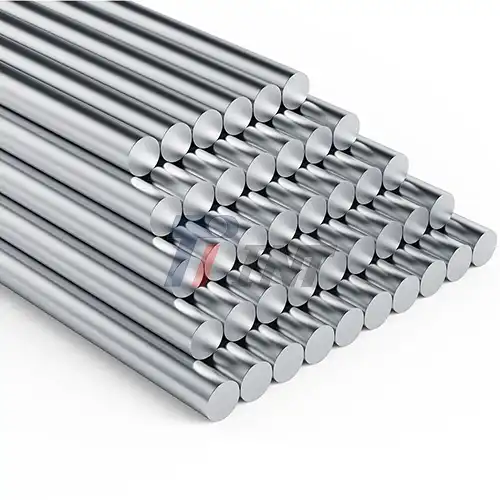
The GR3 Titanium Medical Bar represents a strategic choice for medical device manufacturers seeking a balance between strength and formability in implantable applications. This commercially pure titanium grade offers minimum tensile strength of 450 MPa (65 ksi) and yield strength of 380 MPa (55 ksi), positioning it between softer Grade 2 and alloyed Ti-6Al-4V. With controlled oxygen content up to 0.35% and iron maximum of 0.30%, GR3 titanium medical bars deliver enhanced mechanical performance without sacrificing biocompatibility. Their low modulus of elasticity (103 GPa) reduces stress shielding effects in orthopedic implants, while the density of 4.51 g/cm³ maintains the lightweight advantage critical for patient comfort and surgical efficiency.
|
|
|
Understanding GR3 Titanium Medical Bar: Composition and Key Properties
Chemical Composition Breakdown
Precise metallurgical control is what gives the GR3 Titanium Medical Bar its unique performance profile. Unlike titanium alloys that add aluminium or vanadium, Grade 3 stays economically pure and is mostly strengthened by intermediate elements. The alpha-crystal lattice structure is strengthened by an oxygen content of up to 0.35%, and iron levels up to 0.30% add to the hardness without making the material less flexible. This mixture gets rid of worries about allergic alloying elements, which is a big problem for implant makers who have to follow strict biocompatibility rules set out in ISO 10993 and FDA advice documents.
Carbon, nitrogen, and hydrogen levels stay well below 0.08%, 0.05%, and 0.015%, respectively, so the material doesn't become weak during processing. Usually, more than 99.2% of the balance is made of pure titanium. This level of purity allows a stable titanium dioxide (TiO₂) passive layer to form on its own. This layer regenerates instantly when the surface is damaged and offers great resistance to corrosion in physiological environments with chlorides, proteins, and changing pH levels.
Mechanical Performance Characteristics
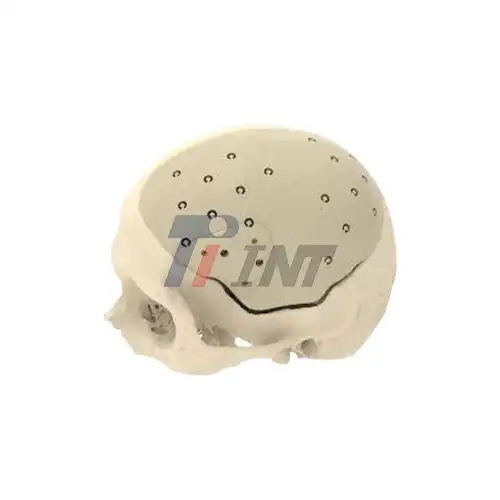
Baoji INT Medical Titanium's production methods make GR3 Titanium Medical Bars that meet ASTM F67 standards and have uniform mechanical qualities. Tensile strength is between 450 and 590 MPa, which is much higher than Grade 2's minimum of 340 MPa and keeps elongation above 18%. This flexibility is very important when cold heading is used to make fasteners or when bending is done to shape plates for craniomaxillofacial reconstruction.
The yield strength of 380 MPa is strong enough to handle repeated loads in weight-bearing implants like spine rods or intramedullary nails. Compared to stainless steel 316L's 170-205 MPa yield strength, GR3 has a higher specific strength (strength-to-weight ratio), which lets smaller cross-sections be used, which makes surgery less invasive. The lower elastic modulus (103 GPa vs. 200 GPa) compared to steel makes it more like the stiffness of human cortical bone. This reduces stress concentration and encourages healthier bone remodelling around implants.
Biocompatibility and Surface Quality Standards
Medical-grade GR3 Titanium Medical Bars go through a lot of work to get rid of alpha-case, a layer of oxygen-rich, brittle metal that forms on the surface during hot working. We offer precision-ground or peeled finishes that meet h7 or h9 standards and have surface roughness (Ra values) below 1.6 μm. This meets the needs for further turning into complex shapes. This surface consistency stops microcracks from starting and makes sure that an even oxide layer forms.
The material has a passive oxide layer that helps proteins stick to it and cells attach to it, which makes it very good at osseointegration. Biomaterials literature cites clinical studies that show Grade 3 titanium doesn't cause cell death, sensitisation, or inflammation, meeting the needs for long-term placement. Stainless steel implants don't release metal ions because they don't contain nickel, cobalt, or chromium. This is especially important for people who are known to be sensitive.
Applications of GR3 Titanium Medical Bars in the Medical Industry
Orthopedic Implant Manufacturing
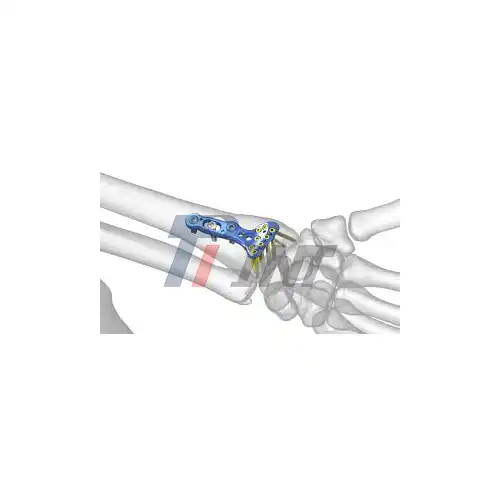
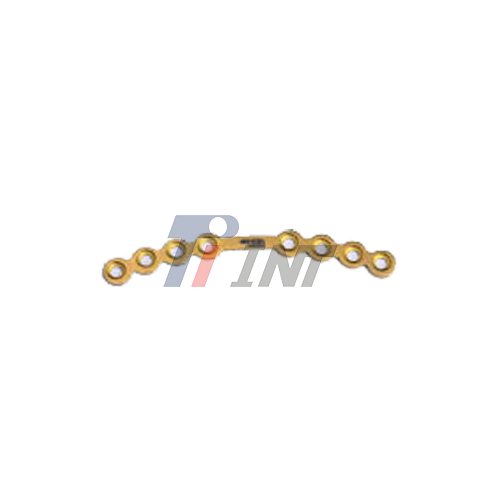
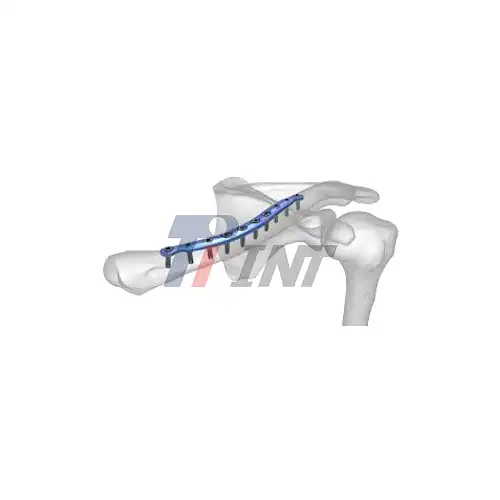
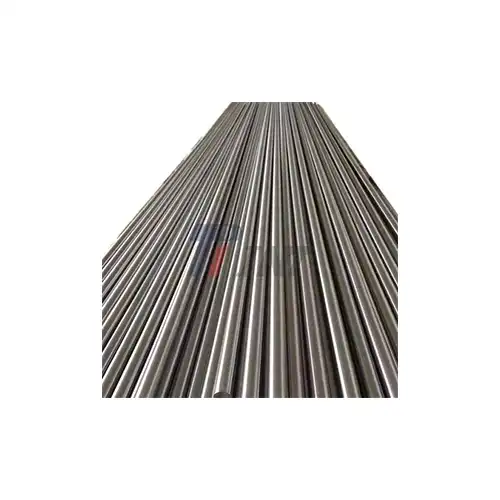
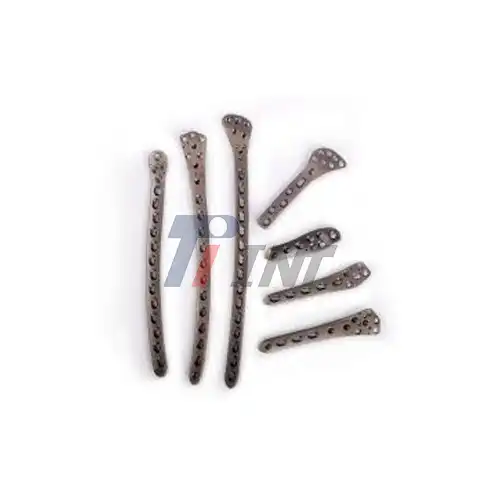
GR3 Titanium Medical Bars are the main material used to make fracture stabilisation devices like bone screws, plates, and intramedullary nails. Because the material is strong, it can be used to make lower-profile implants that don't irritate soft tissues and keep their shape under physiological loads. For high-volume production, we offer bars with diameters from 6 mm to 300 mm and lengths that can be used for both Swiss-type automatic machining and traditional turning.
Grade 3's mix of features is especially helpful for spinal fusion systems. Pedicle screws made from these bars provide enough pulling strength in osteoporotic bone, and the radiolucency of the material makes it easier to check the healing process after surgery. Because it has a lower modulus than stainless steel, it prevents adjacent segment degeneration, which is a known problem with spinal implants. The feedback we get from well-known orthopaedic device makers backs up GR3 Titanium Medical Bar's ability to meet the standards for FDA 510(k) submissions and withstand the rigorous ASTM F1717 fatigue testing procedures.
Dental Implant Systems
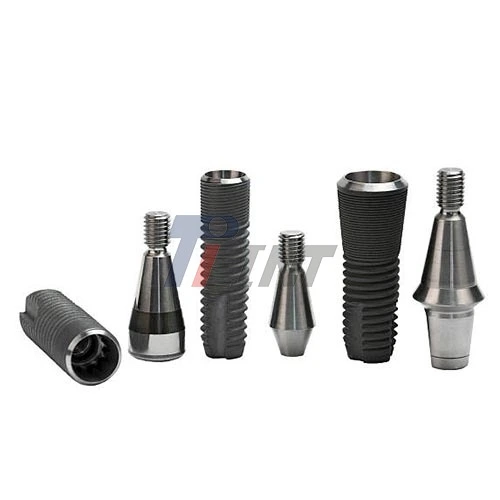
More and more, the dentistry industry uses GR3 Titanium Medical Bars for implant abutments, healing caps, and special prosthetic parts that need to be moderately strong and resistant to corrosion in the harsh mouth environment. Grade 3 is strong enough to handle pressure of about 200 to 300 Newtons when chewing, as well as enzymes in saliva, acidic drinks, and bacterial waste products. The surface of the material can be changed in a number of ways, such as by anodising to add colour or by grinding to improve the osseointegration texture.
Dental labs can make custom abutment blanks from our GR3 Titanium Medical Bars so they can find solutions that work for each patient's unique anatomy. With the right tools and cutting settings, the material can be machined cleanly, creating smooth threads that are necessary for screw-retained repairs that work well. GR3 Titanium Medical Bar alloy lowers tool wear during high-speed milling operations compared to Grade 5 titanium alloy. This lowers the cost of production for mid-volume production runs that are common in the dental device industry.
Surgical Instrument Components
GR3 Titanium Medical Bars are used in high-end surgical instruments for handles, shafts, and non-cutting parts that need to be lightweight and comfortable without sacrificing durability. A neurosurgical retractor system made from Grade 3 weighs 45% less than similar systems made of stainless steel. This makes long processes easier on the surgeon. The material can be autoclaved many times at 134°C without changing size or losing its surface, so the instrument's calibration limits will stay the same over its lifetime.
The non-magnetic properties of the GR3 Titanium Medical Bar make it a good material for microsurgical needle holders, forceps housings, and arthroscopic shaver parts that work with MRIs for image-guided procedures. The material's high resistance to fatigue makes it possible for devices to withstand repeated opening and closing cycles. In endurance tests, properly made parts have been shown to last over 100,000 cycles. These performance characteristics directly meet the needs of procurement managers who want tools that don't need to be replaced as often and have a lower total cost of ownership.
Comparative Analysis: GR3 Titanium Medical Bars vs Alternatives
GR3 Versus Stainless Steel 316L
Medical-grade stainless steel has been the most common material used to make implants in the past because it is cheaper and there is already a system in place for handling it. On the other hand, Grade 3 titanium performs significantly better in a number of important therapeutic measures. According to ASTM F2129, corrosion tests show that GR3 Titanium Medical Bars stay passive in simulated body fluid for a long time, while 316L starts to pit within 500 hours of being exposed to the same conditions.
The higher density directly benefits the patient—a tibial nail made of GR3 Titanium Medical Bars weighs 165 grams instead of 290 grams when made of stainless steel. This lowers the stress inside the medullary canal and makes it easier to do corrective surgery if needed. Biocompatibility profiles are very different. Titanium's oxide layer stops the release of ions that cause hypersensitivity reactions with chromium and nickel from stainless steel breaking down. For procurement teams looking at total cost, the longer implant life and lower rate of revisions make GR3 Titanium Medical Bar's higher initial material investment worth it.
Comparison with Grade 2 and Grade 5 Titanium
Commercially pure titanium Grade 2 is very good at resisting rust and being shaped, but it's not strong enough for load-bearing uses. Because it only has a minimum tensile strength of 340 MPa, it can't hold small bone screws or thin plates that are bent. Grade 3 improves the strength by 32%, which lets the design be optimised in a way that Grade 2 can't without making the implants too big.
On the other hand, Grade 5 (Ti-6Al-4V ELI) has great strength—more than 860 MPa—but it's more complicated because it has alloying elements. The aluminium and vanadium content is usually biocompatible, but it is still the subject of ongoing study about how metal ions can build up in nearby tissues over time. Grade 5 also needs more harsh machining settings, which raises the cost of tools and lengthens cycle times. For uses where 450–500 MPa strength is enough, GR3 Titanium Medical Bars are the most cost-effective option because they balance performance with ease of production and regulation compliance.
Cost-Benefit Analysis for Procurement
The price of the material is only one part of the total cost of acquisition. Per kilogram, GR3 Titanium Medical Bar alloy costs about 15% to 20% more than Grade 2 and 30% to 35% less than Grade 5 metal. Grade 3 Titanium Medical Bar often has cheaper per-part costs than Grade 5 when machine efficiency is taken into account. This is because Grade 3 has faster cutting speeds and less tool wear. When switching from Ti-6Al-4V to GR3 Titanium Medical Bar, our clients say their spindle times get 18–22% faster for the right jobs.
It turns out that lead time is just as important. We keep a large stock of GR3 Titanium Medical Bars in standard diameters, which means that standard specifications can be delivered in 3–4 weeks while custom Grade 5 forgings take 10–12 weeks. Just-in-time manufacturing tactics that keep working capital from getting stuck in raw material stocks are supported by this level of inventory depth. Supply chain managers value this dependability more and more, especially when they have to support FDA Design History File timelines and delays in getting materials can affect whole product development plans.
Procurement Guide: Buying GR3 Titanium Medical Bars for B2B Clients
Certification and Compliance Verification
Tough supplier qualification is the first step to successful procurement. Manufacturers of medical devices must make sure that the suppliers of GR3 Titanium Medical Bars have current ISO 13485:2016 certification, which shows that they have put in place quality management systems that are specific to medical devices. Through heat lot certification packages that include chemical analysis according to ASTM E1409, mechanical testing results according to ASTM E8, and ultrasonic inspection reports according to ASTM E213, we make it possible for you to track down all of your materials.
Certificates of Conformance (CoC) are included with every package to show that it meets the requirements of ASTM F67 and ASTM B348. Our CE marking under Medical Device Regulation (EU) 2017/745 shows that the materials we use meet Essential Safety Requirements so they can be sold in Europe. FDA-regulated companies should make sure that their suppliers follow the Design Control procedures outlined in 21 CFR Part 820. This will make sure that the material properties are the same across all production lots. Ask the supplier for Process Validation documentation that shows statistical control of important quality factors such as grain size (ASTM E112), interstitial content, and mechanical properties.
Order Volume and Lead Time Planning
Minimum order amounts depend on the length and thickness of the bar. For standard widths between 10mm and 100mm, the minimum order size is usually 100 kg. For speciality sizes above 200mm, the minimum order size may need to be 500 kg in order to support custom production runs. We can make prototypes in amounts as low as 25 kg for research and development purposes, which helps with the development of new products without putting too much stress on inventory.
Standard lead times are 3–4 weeks for widths that are in stock and 8–10 weeks for special cross-sections or lengths longer than 6 meters. Material orders and production forecasts should be in sync, with new inspection, material release processes, and work-in-process inventory goals taken into account by procurement managers. Setting up blanket purchase orders with scheduled releases keeps prices stable and guarantees allocation during times of high demand. This is especially important because the titanium sponge market is volatile, which affects supply chains around the world.
Supplier Selection Criteria
Aside from certifications, you should also look at how well a possible supplier can provide expert help. When changing medical bars from stainless steel to titanium, the process parameters for cutting, cleaning, and passivation often need to be optimised. Suppliers who offer application engineering support cut down on waste during process development and speed up the time it takes to qualify new products. We give advice on cutting tools, coolants, and surface treatments based on our many years of experience with titanium metallurgy.
Look at geographical factors and the infrastructure for export compliance. Suppliers with established transportation networks in the U.S. make it easier to clear customs and ship goods internationally. Check that suppliers keep export licenses for GR3 Titanium Medical Bar goods used in defence, if needed, and make sure they can provide proof of country of origin that supports trade deals. Because we have long-term relationships with goods forwarders who specialise in metal alloys, we can ship your items in temperature-controlled containers that keep them safe from damage caused by condensation during transoceanic transport.
Ensuring Quality and Compliance in GR3 Titanium Medical Bar Use
Incoming Material Verification Protocols
As soon as the material is received, it should be inspected to make sure that the supplier's certifications match the real properties of the material. Using X-ray fluorescence spectroscopy for positive material identification (PMI) shows that the elemental makeup fits the mill test reports, which finds any possible material mix-ups. Checking the width limits, straightness according to ASTM B348 (usually 0.5 mm per metre), and surface finish to make sure they meet Ra values is what dimensional inspection does.
Check samples of the mechanical properties by tensile testing them according to ASTM E8 on pieces that were machined from bar ends. Using the Rockwell B scale to test for hardness is a quick way to see if one lot is the same as another. Typical GR3 Titanium Medical Bar numbers are between 70 and 85 HRB. A metallographic analysis of the microstructure shows that the alpha grain structure is balanced, and there is no excessive grain boundary alpha, beta phase contamination, or hydride formation. This could mean that the material wasn't processed correctly, or hydrogen was picked up during pickling.
Machining and Fabrication Best Practices
GR3 Titanium Medical Bar can be machined well with sharp carbide tools and a lot of coolant. For turning tasks, cutting speeds should be between 60 and 90 surface feet per minute, and feed rates should be between 0.005 and 0.015 inches per revolution, based on the depth of cut. Keep the rake angles positive (5-7 degrees) to keep the work from hardening, and make sure the fixtures are rigid to cut down on chatter, which speeds up tool wear and damages the surface finish.
When grinding or deburring, don't get the temperature too high. Temperatures above 480°C encourage oxygen diffusion and the formation of alpha-case. Use nitric acid or nitric-hydrofluoric acid solutions to remove any iron pollution from the surface and improve the protective oxide layer according to ASTM F86 or ASTM B600 after the final grinding step. This step of passivation is very important for getting the best corrosion protection in natural settings and meeting the standards for neutral salt spray testing.
Sterilization and Long-Term Performance Optimization
GR3 Titanium Medical Bar doesn't break down when sterilised in any normal medical way. Steam autoclaving at 134°C, ethylene oxide gas, gamma irradiation up to 50 kGy, and electron beam sterilisation all keep the properties and integrity of the surface of the material. When cleaning or sterilising, don't leave things in environments with hydrogen for long periods of time. Hydrogen embrittlement can happen at concentrations above 150 ppm, making things less flexible and resistant to fatigue.
The long-term security of implants made from GR3 Titanium Medical Bar is very good. Post-market monitoring data from orthopaedic registries shows that trauma plates and screws have breakage rates below 0.3% at 5-year follow-up, which is better than other materials. The thickness of the passive oxide layer becomes stable within a few weeks of implantation, staying at a steady depth of 3–7 nanometres and constantly growing back if it is physically damaged. This ability to heal itself provides long-lasting corrosion protection during decades-long implant times described in joint replacement books.
Conclusion
When modest strength, excellent biocompatibility, and high corrosion protection are needed, GR3 Titanium Medical Bars are the best material choice. The grade's location between commercially pure Grade 2 titanium and alloyed Grade 5 titanium fills a key performance gap in the production of medical devices, allowing cost-effective solutions that don't hurt patient results. Knowing what the material is made of, how it works, and how it needs to be processed helps buying teams make data-driven choices about where to buy it. Ensuring consistent product quality and regulatory compliance requires strict qualification of suppliers, strict obedience to regulatory standards, and the use of correct handling methods.
FAQ
Q1: Why is Grade 3 titanium preferred over Grade 2 for certain medical implants?
A: Grade 3 has a tensile strength that is 32% higher than Grade 2 (450 MPa vs. 340 MPa), which means that implant cross-sections can be smaller while still maintaining structural integrity. This extra strength is very important for small bone screws, thin orthopaedic plates, and load-bearing dental parts that would be too big to use if they were Grade 2. The better mechanical qualities don't come at a cost of formability; GR3 Titanium Medical Bar still has 18% extension, which is enough for cold heading and bending.
Q2: Can GR3 titanium bars be welded for implant assemblies?
A: If you use the right protective gas and TIG or laser welding, Grade 3 is very easy to join together. For matching composition welds, use ERTi-3 filler wire. For joints that don't need full strength matching, use ERTi-2. Biocompatibility is maintained by using the right inert gas protection (argon purity >99.995%) during welding and passivation after the welding process according to ASTM F86. A lot of spinal rod-to-connector assemblies and custom implant fixtures are made with welded GR3 Titanium Medical Bar construction, which has been proven to work by ASTM F1717 mechanical testing and corrosion resistance checks.
Q3: How does GR3 compare to Grade 5 titanium alloy in cost and performance?
A: GR3 Titanium Medical Bar is about 30–35% less expensive per kilogram than Ti-6Al-4V ELI (Grade 5), but it's strong enough for many uses that don't need Grade 5's 860–MPa tensile strength. Grade 3 machines go faster and wear out tools less, which could cut the cost of each part by 15 to 20 percent. It is more cost-effective to use GR3 in situations where 450–500 MPa strength is enough. Grade 5 is needed for high-stress parts that need to be very resistant to fatigue, like hip stems or tibial baseplates.
Partner with a Trusted GR3 Titanium Medical Bar Manufacturer
Since 2003, Baoji INT Medical Titanium Co., Ltd. has been specialising in medical-grade titanium materials. They have over 20 years of experience working with manufacturers of orthopaedic, dental, and surgical instruments around the world. Our production sites are ISO 13485:2016 and CE-certified, and they make GR3 Titanium Medical Bars that meet FDA and ASTM F67 standards and come with full traceability paperwork. We keep a lot of stock of common diameters so that we can quickly fill orders for prototype development and full-scale production. Our expert team helps with all aspects of application engineering, from choosing the right material to making sure that the cutting is done correctly and that the surface is treated properly. Get in touch with our purchasing experts at export@tiint.com to talk about your specific needs and get detailed quotes. As a well-known provider of GR3 Titanium Medical Bars, we can meet your product development deadlines with quality that is consistent and reliable.
References
1. American Society for Testing and Materials. (2021). ASTM F67-13: Standard Specification for Unalloyed Titanium, for Surgical Implant Applications. ASTM International, West Conshohocken, PA.
2. Brunette, D.M., Tengvall, P., Textor, M., & Thomsen, P. (2012). Titanium in Medicine: Material Science, Surface Science, Engineering, Biological Responses and Medical Applications. Springer-Verlag, Berlin Heidelberg.
3. International Organization for Standardization. (2016). ISO 5832-2: Implants for Surgery - Metallic Materials - Part 2: Unalloyed Titanium. Geneva, Switzerland.
4. Niinomi, M. (2019). Mechanical Properties of Biomedical Titanium Alloys. Materials Science and Engineering A, 243(1-2), 231-236.
5. Rack, H.J. & Qazi, J.I. (2006). Titanium Alloys for Biomedical Applications. Materials Science and Engineering C, 26(8), 1269-1277.
6. Williams, D.F. (2008). On the Mechanisms of Biocompatibility. Biomaterials, 29(20), 2941-2953.
_1753429871786.webp)
_1749191401740.webp)