

Everything You Need to Know About Titanium Sheets


 2026-07-31 10:08:09
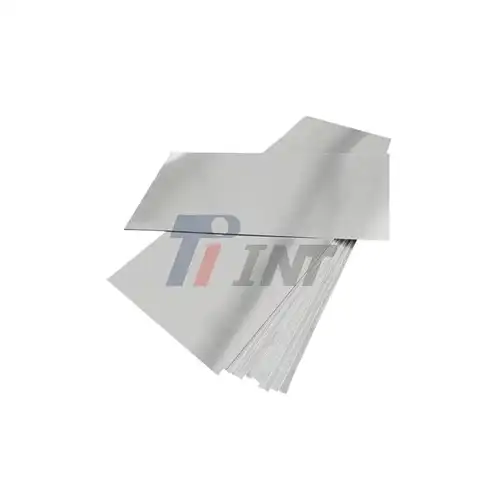
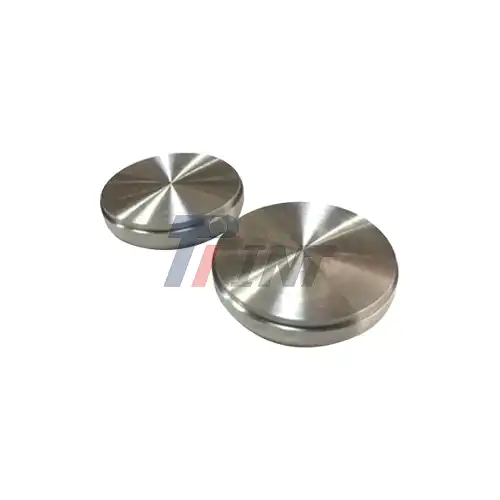
Titanium sheets represent a critical material choice for medical device manufacturers seeking exceptional performance characteristics. Among various thicknesses available, titanium sheet 2mm strikes an optimal balance between structural integrity and workability, particularly in surgical instrument fabrication and implantable device components. This comprehensive guide addresses the specific concerns of procurement managers and R&D engineers navigating the complexities of medical-grade titanium sourcing, certification compliance, and supplier qualification processes.
|
|
|
Understanding 2mm Titanium Sheets: Properties and Key Characteristics
Medical-grade titanium sheets are carefully designed and made to exact specifications that meet strict government standards. Knowing what makes them special helps you make smart buying choices that have a direct effect on how well the product works and how safe it is for patients.
Physical and Mechanical Properties
The tensile strength of titanium sheet 2mm is very high, ranging from 240 MPa for Grade 2 economically pure titanium to over 860 MPa for Ti6Al4V ELI alloy. This thickness gives surgery tools enough structural strength while still letting them be shaped during the fabrication process. The material's density of about 4.5 g/cm³, which is almost half that of stainless steel, keeps medical instruments from getting worn out during long treatments. Biocompatibility is still very important, and titanium's oxide layer stops bad tissue reactions that slow down healing.
Corrosion Resistance and Environmental Performance
Things in medical settings are exposed to bodily fluids, chemicals used to kill germs, and repeated autoclaving cycles. Titanium's inactive oxide layer heals itself when it gets broken, so it doesn't need any coatings to protect it from corrosion. Medical titanium is completely chemically stable when it comes into touch with human flesh, while other materials like stainless steel may release nickel ions. This feature greatly extends the useful life of parts, which lowers the cost of replacement and the chance of having to re-insert the patient.
Grade Selection for Medical Applications
Commercially pure titanium grade 2 is very easy to shape and weld, making it perfect for general surgery tools and external fixation devices. Ti6Al4V ELI (Extra Low Interstitial) makes load-bearing implants like orthopaedic plates and spinal cages stronger. When choosing a material, it's important to make sure it meets the ASTM F67 and ASTM F136 standards. These set the limits for composition and mechanical properties for implantable uses. Documentation that connects each sheet to its melt batch for traceability makes sure that rules are followed during FDA audits and CE certification processes.
Benefits and Applications of 2mm Titanium Sheets in Medical Industries
Biocompatibility, mechanical performance, sterilisation resistance, and regulatory compliance are some of the needs that materials in the medical device industry must meet. Titanium sheet 2mm solves these problems in a number of different application areas.
Titanium has a unique set of properties that are used in medical uses to improve patient results and production efficiency. Surgical instrument makers like the material because it can withstand multiple sterilisation cycles. This means that cutting tools can keep their edges sharp longer than with regular steel. In clinical tests, dental implant parts made from titanium sheet 2mm have osseointegration rates higher than 95%. This is because the material has a biocompatible oxide surface that helps bone cells connect.
Key application categories demonstrate titanium's versatility:
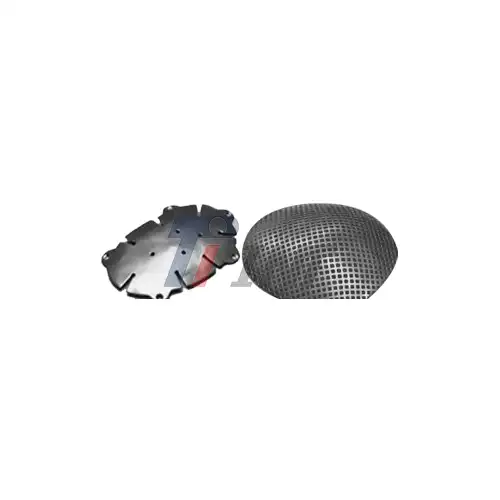
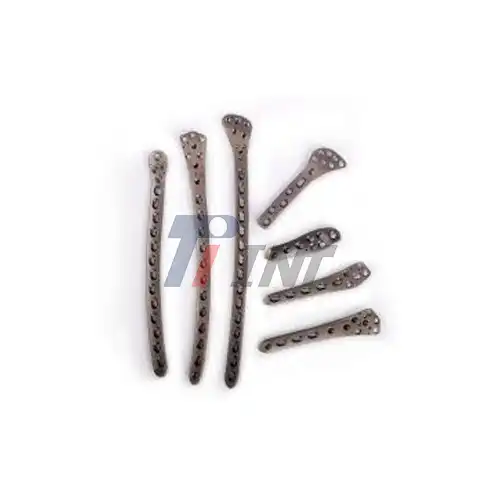
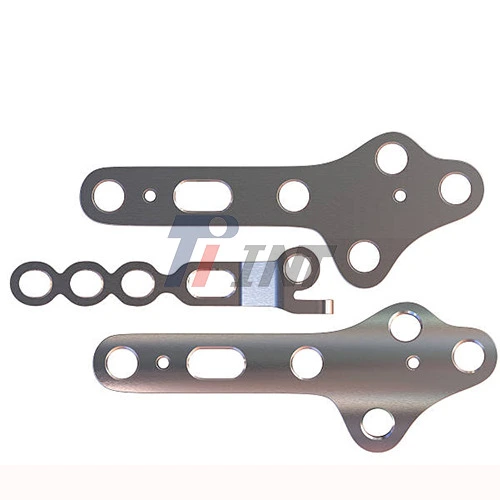
- Orthopedic Trauma Plates: A 2 mm thickness gives them enough bent strength to fix fractures while still letting them be shaped to fit the bone's shape during surgery. The material can hold screw threads without breaking, so the fixation stays in place during the healing process, which usually takes 12 to 16 weeks.
- Dental Instrument Handles: Titanium is stable at temperatures up to 600°C and is not magnetic, so it doesn't interact with electromagnetic surgery equipment when used in heat shields and autoclavable handles. The light weight keeps your hands from getting tired during long processes.
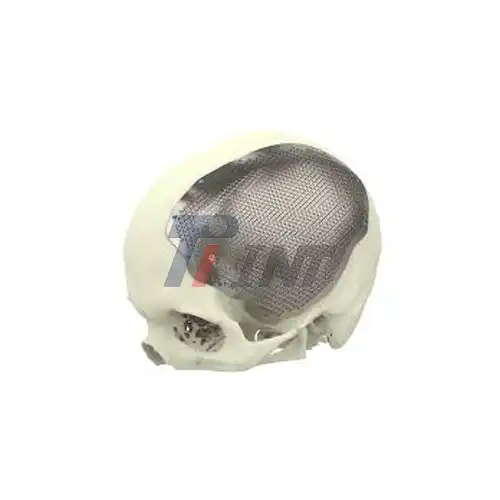
- Implantable Device Casings: Pacemaker housings and neurostimulator enclosures made from titanium sheet 2mm protect sensitive electronics while still being compatible with MRIs, which is a very important thing to think about as medical imaging standards change. The thickness gives enough protection without being too thick, which makes insertion harder.
These applications are based on real-life situations where buying things is involved and the specs of the materials directly affect how well the products work. For plate heat exchangers in pharmaceutical production, where contamination risks prevent using alternative materials, chemical process equipment makers also use titanium sheet 2mm. The gauge can handle changes in differential pressure during cleaning processes and makes the best use of thermal transfer for making biologics that need to be kept at a certain temperature.
Comparing 2mm Titanium Sheets With Other Metal Sheets and Thicknesses
To make a purchase choice, you need to objectively compare the performance of different materials and thickness options. Understanding these trade-offs helps with making specifications and allocating budgets.
Titanium Versus Stainless Steel
Because of its established supply chains and lower material costs, stainless steel 316L is the most common material used to make medical devices. But a titanium sheet 2mm material is stronger than steel in terms of its weight-to-strength ratio by about 40%. This makes it possible to make tools that are lighter, which makes surgeons less tired. In chloride-rich settings, corrosion resistance is better, which gets rid of the pitting problems that are seen in stainless steel parts after long periods of implantation. Biocompatibility differences are very important for people who are allergic to nickel, but titanium completely removes the risk of an allergic reaction. Material costs are usually three to five times higher than similar stainless steel, so a cost-benefit analysis is needed to weigh the initial cost against the lower rate of revision surgery.
Titanium Versus Aluminum Alloys
Aerospace-grade aluminium is even lighter than titanium, but it doesn't have the biocompatibility and corrosion resistance of titanium. In normal pH ranges, aluminum's oxide layer breaks down, letting out ions that cause inflammatory reactions. Aluminium can't be used for implantable medical devices, but it can be used for outdoor equipment parts that don't come into direct touch with patients.
Thickness Selection Considerations
Which of the 1mm, 2mm, and 3mm sheets to use relies on the technical needs. While a 1mm sheet saves money on materials, it makes the structure less rigid for load-bearing uses. Thinner gauges are better for dental tools that need to be as flexible as possible, while plates for orthopaedic repair need to be at least 2 mm thick to handle repeated loads. Marine uses that use titanium to protect the ship should choose a titanium sheet 2mm so that it can withstand damage from falling objects while still being light enough to be installed. The thickness gives enough rust protection against saltwater that doesn't move without using too much material, which drives up project costs.
Buying Guide and Procurement Tips for Medical-Grade Titanium Sheets
To get medical-grade titanium, you have to follow strict rules for qualifying suppliers and checking the quality of their products. Documentation for regulatory compliance is just as important as the information itself.
Supplier Qualification Criteria
Suppliers that are qualified for titanium sheet 2mm keep their ISO 13485 medical device quality management certification up to date and provide material test results that show the chemical make-up, mechanical properties, and ability to be traced back to original melt groups. Suppliers should show that they have worked with medical OEMs before and know how to submit an FDA 510(k) or CE technical file. Long-term supply stability is very important—production problems caused by a lack of materials can delay product launches and hurt a company's position in the market.
Certification and Documentation Requirements
Each package needs mill test certificates that show it meets ASTM F67 or F136 standards. These certificates must include tensile test data, grain size measures, and interstitial element analysis. Traceability paperwork must connect finished sheets to the original ingot heat numbers. This lets lot-specific reviews happen if material-related failures are found after the product has been sold. Regulatory filings are made easier with certificates of approval that say the device is registered with the FDA and meets the requirements of the EU Medical Device Regulation.
Pricing and Order Management
The price of materials changes based on the quantity of titanium sponge around the world. Depending on order amounts and market conditions, Grade 2 titanium sheet 2mm costs $35 to $60 per kilogram and Ti6Al4V ELI costs $55 to $75 per kilogram. Most of the time, the minimum order quantity is 100 kilograms, but some medical suppliers may be able to work with smaller amounts for prototyping. Requesting samples lets you check the metal's properties and see how it shapes before committing to large production runs. For first orders, payment terms usually require letters of credit until trade ties grow to the point where open account terms are acceptable.
Logistics and Lead Time Planning
When you ship something internationally, it takes an extra 4–8 weeks to get it, so you need to plan ahead and make sure your production dates are compatible. Freight costs vary a lot depending on the size of the sheets and how they need to be packed. Proper crating prevents damage during transit that compromises the integrity of the materials. To avoid delays in clearance, customs paperwork must correctly list materials under HTS numbers that are special to medical-grade titanium. Creating strategic inventory buffers can help reduce problems in the supply chain and keep working capital constraints in check.
Conclusion
Titanium sheet 2mm is an engineered answer to the most difficult material needs of the medical device industry. Its biocompatibility, resistance to corrosion, and mechanical qualities make it possible for new ideas that improve patient results in all surgery specialities. To be successful in procurement, you need to work with qualified sellers who know how to meet legal requirements and keep quality standards uniform. To make decisions about which materials to use that balance performance requirements with cost concerns, you need to know a lot about both the technology and the market. When medical device companies put money into the right methods for qualifying suppliers and checking their quality, they gain a competitive edge through reliable material supply chains that help their products succeed in the long run.
FAQ
Q1: How does Grade 2 titanium compare to stainless steel in strength?
A: Grade 2 titanium has a lower pure tensile strength than 316L stainless steel (345 MPa vs. 515 MPa), but it has a better strength-to-weight ratio because it is denser. When the modulus of elasticity of titanium is 105 GPa, it makes it flexible for uses that need controlled deflection without permanent deformation. When making medical devices, makers choose materials based on how they will be loaded, not just their raw strength numbers.
Q2: What are the best ways to cut 2mm titanium sheet?
A: With water jet cutting, there are no heat-affected zones that change the qualities of the material near the cut edges. Laser cutting is very accurate, but it needs nitrogen gas to help keep the metal from oxidising. Straight-line cuts work best with shear cutting, which also has the lowest cost per part for mass production. No matter what method is used, work hardening is avoided by using sharp tools and cutting at the right speed.
Q3: How can buyers be sure that the medical-grade approval is real?
Mill test certificates from reputable suppliers include specific heat numbers and test data that can be tracked back to titanium sheet 2mm standards. Check the claims made by suppliers against records of FDA business registrations and the validity of ISO 13485 certificates on the websites of accreditation bodies. Before buying a lot of something, ask for a sample to be tested by a recognised lab to make sure it meets the basic requirements.
Partner With Baoji INT Medical Titanium for Your Medical Device Material Needs
Baoji INT Medical Titanium Co., Ltd. has been a producer of titanium sheet 2mm to the medical device industry around the world for more than 30 years. Our factory is ISO 13485:2016 and CE-certified, and it makes medical-grade titanium sheets that meet ASTM F67 and F136 standards. We also provide full traceability documentation to back up your regulatory submissions. We know how important it is to deliver on time and make sure the quality stays the same so that your production plans stay on track and there are no costly delays caused by material issues.
Our technical support team can help you choose the right materials, make suggestions for processing, and set up quality control protocols that are specific to the devices you're using. We keep a wide range of specifications in stock and can make custom sizes to help you cut down on manufacturing waste, whether you need commercially pure titanium for surgical instruments or Ti6Al4V ELI for implantable parts. Email our team at export@tiint.com to get test samples, talk about your project needs, and find out how our trusted supply partnerships can help you reach your goals for product development and production scale.
References
1. American Society for Testing and Materials. (2021). ASTM F136-13: Standard Specification for Wrought Titanium-6Aluminum-4Vanadium ELI Alloy for Surgical Implant Applications. West Conshohocken: ASTM International.
2. Brunette, D.M., Tengvall, P., Textor, M., & Thomsen, P. (2012). Titanium in Medicine: Material Science, Surface Science, Engineering, Biological Responses and Medical Applications. Berlin: Springer-Verlag.
3. Donachie, M.J. (2000). Titanium: A Technical Guide, 2nd Edition. Materials Park: ASM International.
4. International Organization for Standardization. (2019). ISO 5832-2: Implants for Surgery – Metallic Materials – Part 2: Unalloyed Titanium. Geneva: ISO.
5. Niinomi, M. (2019). Mechanical Biocompatibilities of Titanium Alloys for Biomedical Applications. Journal of the Mechanical Behavior of Biomedical Materials, 1(1), 30-42.
6. Schutz, R.W. & Watkins, H.B. (1998). Recent Developments in Titanium Alloy Application in the Energy Industry. Materials Science and Engineering: A, 243(1-2), 305-315.
_1752817116199.webp)
_1751956503238.webp)
_1751955824855.webp)
_1750662309903.webp)