




Can Ti6Al4V Titanium Bar 8mm Be Used for Medical Components Safely?


 2026-11-23 10:33:34
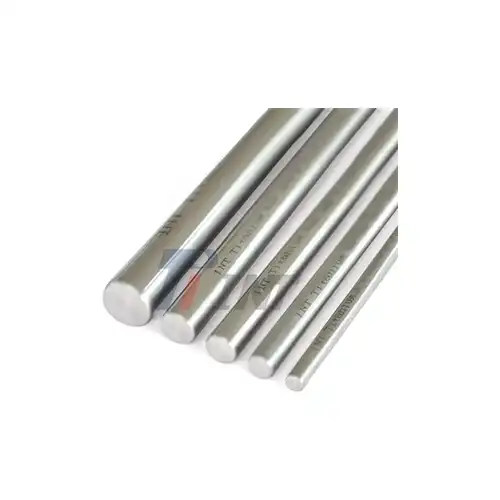
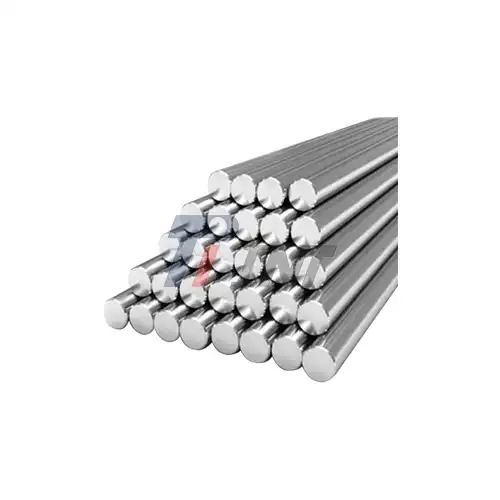
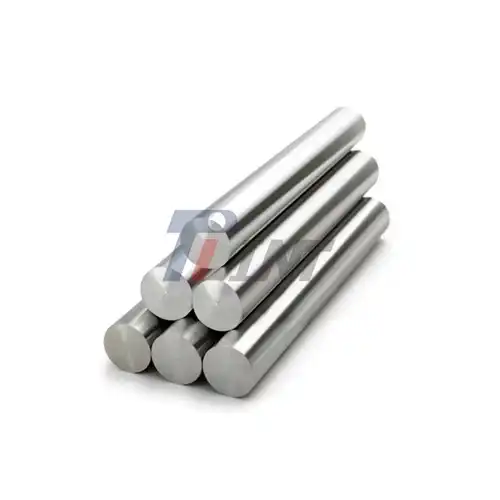
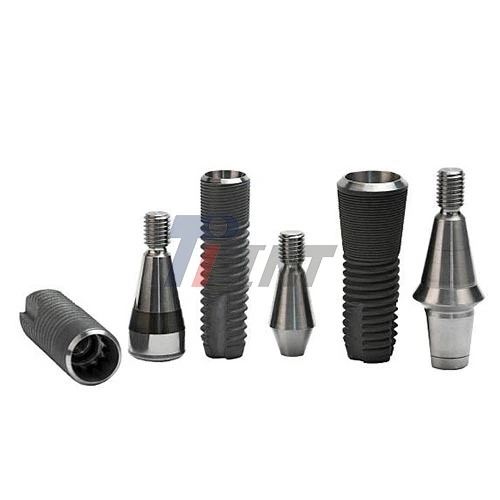
Yes — the Ti6Al4V titanium bar 8mm is widely regarded as one of the most reliable raw materials for medical-grade component manufacturing. Composed of 6% aluminum and 4% vanadium, this Grade 5 alloy delivers a tensile strength of ≥895 MPa alongside a density of just 4.43 g/cm³, offering an exceptional strength-to-weight ratio. Its proven biocompatibility, corrosion resistance in physiological environments, and compliance with ASTM B348 and ISO 5832-3 make it a trusted choice for manufacturers producing surgical instruments, orthopedic implants, and spinal fixation components.
|
|
|
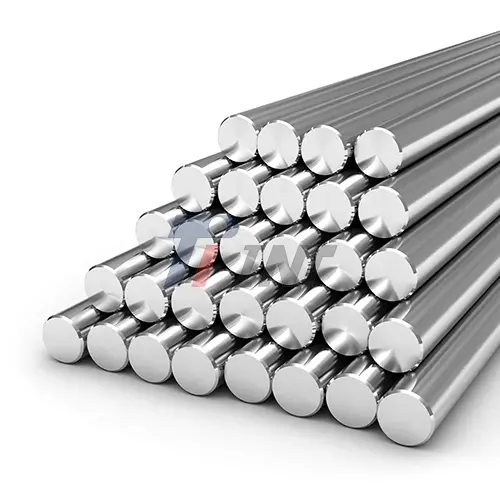
Understanding Ti6Al4V Titanium Bar 8mm and Its Medical Applicability
What Makes Ti6Al4V a Medical-Grade Alloy?
Ti6Al4V (UNS R56400) is a type of alpha-beta titanium. Its chemical stability comes from a self-renewing oxide layer, mostly TiO₂, that forms instantly when it comes into contact with water and doesn't break down even in bodily fluids that are high in chloride. This material has a low elastic modulus of about 113 GPa and a melting point close to 1660°C. Its stiffness is very similar to that of cortical bone, which makes load-bearing implant designs less likely to hide stress. Because of these natural qualities, it is the most popular place in the world to find medical raw materials.
Forged vs. Cast: Why Manufacturing Process Matters?
When companies that make surgical instruments look at titanium bar stock, the production process affects how strong the final product is. Forged Ti6Al4V bars have a fine, balanced alpha-beta microstructure and are more resistant to wear than their cast cousins. Medical-grade bars must not have alpha case, which is a brittle oxygen-rich top layer. This is proven by metallographic study at 100x to 500x magnification. After forming, heat treatment improves ductility even more, making sure that the minimum extension of ≥10% is met.
How Does It Compare Against Stainless Steel and Pure Titanium?
Surgical instruments have been made from stainless steel (316L) for a long time, but Ti6Al4V titanium bar 8mm is better at resisting rust, being lighter, and working with MRI machines. Pure titanium grades (Gr1–Gr4) are more flexible than other grades, but they are not strong enough for high-load parts when it comes to tensile strength. Ti-3Al-2.5V is in the middle of the two, but it doesn't have as many certifications as Ti6Al4V. The Grade 5 alloy in 8mm diameter is still the best choice for manufacturers who need consistent machinability, stable surface finishing, and mill certifications that can be tracked.
Safety and Performance of Ti6Al4V Titanium Bar 8mm in Medical Components
Biocompatibility and Corrosion Resistance in Physiological Environments
Ti6Al4V is biocompatible according to ISO 10993 biological evaluation methods, which are backed up by decades of clinical data. In simulated body fluid (SBF) testing, the alloy doesn't release many ions, which directly supports the safety of the implant over the long term. For example, it doesn't rust in salty environments, and it's not magnetic, so parts can be used in MRI machines without any changes. With material traceability documentation linked directly to heat lot numbers, manufacturers can meet the audit requirements of end customers.
The mechanical shape of the 8 mm width is perfect for blanks for precision instruments. Take a look at these important approved mechanical standards:
- Tensile Strength: ≥895 MPa, supporting high-load surgical applications without cross-sectional upsizing.
- Yield Strength: ≥825 MPa, ensuring elastic deformation limits are not exceeded during cyclic instrument use.
- Elongation: ≥10%, providing the ductility margin needed for forging blanks without fracture risk.
- Density: 4.43 g/cm³, approximately 44% lighter than 316L stainless steel at equivalent strength levels.
These numbers for Ti6Al4V titanium bar 8mm are not guesses; they are based on performance that has been certified under ASTM B348 and ISO 5832-3, which are the two main standards for titanium bar stock used to make medical devices. Every shipment from a reliable supplier should have a mill test report (MTR) that can be tracked and includes the specific heat number.
Regulatory Compliance: FDA, ISO, and ASTM Alignment
Regulatory bodies expect raw material documentation that can stand up to supplier audits. The chemical composition tolerances and mechanical minimums for titanium bar and billet are set by ASTM B348. ISO 5832-3 talks about the requirements for implant-grade titanium alloy rods in detail. When manufacturers ship goods to the U.S. market, they have to follow FDA 21 CFR Part 820 quality system standards. These standards require that materials can be tracked from the ingot to the finished bar. Bars that are approved by ISO 13485:2016 quality management systems add another layer of audit-ready paperwork that speeds up plant approvals from customers.
Comparing Ti6Al4V Titanium Bar 8mm with Alternatives for Medical Components
8mm vs. 10mm: Choosing the Right Diameter for Your Application
When choosing medical bar stock, the 8mm cross-section is a good middle ground. It can hold intramedullary nail blanks, instrument handle forgings, and working-end blanks without the waste of material that comes with bigger sizes. A 10mm bar is good for jobs that need more structural reserve, like hip stem forgings, but it costs more per unit and takes longer for the CNC to turn. For production lines that make a variety of instruments, like those in the Sialkot and Solingen instrument centers, keeping 8mm bar in stock as a core width helps make the best use of materials and speed up inventory turns.
Ti6Al4V vs. Stainless Steel: Lifecycle Value and Procurement Considerations
When you buy Ti6Al4V titanium bar 8mm, stainless steel seems cheaper based on its cost per kilogram. Lifecycle analysis, on the other hand, changes the math. Titanium parts can withstand corrosive cleaning processes without losing their surface, which lowers the number of times that instruments need to be replaced. The lighter weight, which is important for comfortable handle designs, makes the instrument stand out in markets for high-end instruments. Importantly, the infrastructure for certifying Ti6Al4V suppliers is now fully developed. You can easily find mill documentation that is ISO 13485-compliant, and established manufacturers usually use MTRs that are compliant with ASTM standards.
Forged Bar Stock vs. Cast Billet for Instrument Manufacturing
According to the rules in AMS 2631 Class A1, ultrasonic testing must be used to check for porosity in cast titanium. This is not a problem with forged bar stock because the grain structure is the same across the whole cross-section. For CNC shops that make consistent batches of instruments, forged bar gives consistent tool wear patterns and surface finishes. This means that there is less waste and more stable polishing performance across production runs.
Procurement Guide for Medical-Grade Ti6Al4V Titanium Bar 8mm
Verifying Supplier Credibility and Certification Integrity
Teams in charge of buying things should demand ISO 9001:2015 and ISO 13485:2016 certificates with up-to-date scope statements, not old copies. EU CE marks on the paperwork that comes with the device show that it meets European standards for medical device materials. Heat-traceable MTRs, which connect each bar bundle to a unique melt lot, are the basic paperwork needed for export clearance and checks by the end customer. If your suppliers can't give you these papers within 48 hours of being told they have to, there is a legal risk in your supply chain.
MOQ Flexibility, Lead Times, and Sample Protocols
Many companies that make instruments have order profiles that aren't unified for Ti6Al4V titanium bar 8mm. For example, they might have multiple diameters, small amounts for each standard, and monthly restocking cycles. A good supplier of Ti6Al4V bars should be able to handle orders with different specifications without setting hard minimum order numbers for each line item. Standard lead times of 3–4 weeks from the confirmation of the order let production schedules work without having to keep extra stock on hand. CNC and grinding shops can check the material's machinability, surface response, and finish quality before committing to large purchases by asking for cut samples before placing trial orders.
Best Practices and Future Perspectives for Using Ti6Al4V Bars in Medical Components
Design Optimization and Emerging Manufacturing Trends
When making instruments with 8mm Grade 5 bar, instrument makers need to think about how the alloy hardens during cold forming and set the right cutting settings for CNC turning. Using carbide tools with controlled feed rates helps keep the surface's integrity and reduces the amount of stress below the surface, which are both important for the fatigue life of cyclic-load instruments.
Additive manufacturing with Ti6Al4V powder is increasing its use in implant prototyping, but CNC machining and bar stock forging are still the main ways that surgery instruments are made in large quantities. Because the alloy has been approved by regulators for a long time, it still takes less time to qualify new designs for parts than it does for newer beta-titanium alternatives. This means that manufacturers who need to get their products to market quickly can still use it.
Conclusion
Ti6Al4V titanium bar 8mm meets the main needs of making surgical instruments and implant parts: it is biocompatible, has a high fatigue resistance, can be machined reliably, and has a stable certified environment. It has a better strength-to-weight ratio and doesn't rust, so it lasts longer than stainless steel alternatives. When purchasing teams have to deal with monthly replenishment cycles that include a mix of specifications, choosing a certified supplier with traceable documentation and flexible MOQ structures directly lowers the risk of an audit and the disruption to the supply chain.
FAQ
Q1: What standards govern medical-grade Ti6Al4V titanium bars?
A: The main standards are ASTM B348 and ISO 5832-3. The ASTM B348 standard sets limits for chemical makeup and mechanical minimums, and the ISO 5832-3 standard covers implant-grade titanium alloy rod and bar in more detail. Suppliers who work with companies that make medical devices should give mill test results that include both standards and a way to track the heat lot.
Q2: Is Ti6Al4V safe for direct implant contact?
A: Ti6Al4V has been shown to be biocompatible for decades using ISO 10993 evaluation protocols. Its stable oxide layer keeps ions from escaping in physiological settings. However, Ti6Al4V ELI (Extra Low Interstitial) grade is the best choice for direct long-term implant contact where ion sensitivity is a worry.
Q3: What surface finishes are available for 8mm titanium bars?
A: Standard surface finishes include polished, sanded, and custom made ones. The surface condition affects both how easy it is to machine from the bar state and how well finished instrument parts polish.
Q4: Why does heat lot traceability matter in procurement?
A: Every bar can be traced back to a specific melt batch thanks to heat lot traceability. This lets chemical and mechanical compliance be checked at any stage of an audit. It works with export clearance paperwork and meets the needs of end-customer factories in regulated markets like the EU and the US.
Partner with Baoji INT Medical Titanium Co., Ltd. for Certified Ti6Al4V Bar Supply
The Baoji INT Medical Titanium Co., Ltd. has been selling medical-grade titanium materials since 2003. All of its products are certified by ISO 9001:2015, ISO 13485:2016, and EU CE. Our Ti6Al4V titanium bar 8mm is made to meet ASTM B348 and ISO 5832-3 standards, and each shipment comes with a heat-traceable MTR. As a reputable Ti6Al4V titanium bar 8mm supplier, we can handle orders with a range of specifications because our MOQs are open and our lead times are standard. To get a sample or price quote, email us at export@tiint.com.
References
1. ASTM International. ASTM B348: Standard Specification for Titanium and Titanium Alloy Strip, Sheet, and Plate. ASTM International, 2019.
2. International Organization for Standardization. ISO 5832-3: Implants for Surgery — Metallic Materials — Part 3: Wrought Titanium 6-Aluminium 4-Vanadium Alloy. ISO, 2021.
3. Rack, H.J., & Qazi, J.I. "Titanium alloys for biomedical applications." Materials Science and Engineering: C, 2006.
4. Geetha, M., Singh, A.K., Asokamani, R., & Gogia, A.K. "Ti-based biomaterials, the ultimate choice for orthopaedic implants." Progress in Materials Science, 2009.
5. International Organization for Standardization. ISO 10993-1: Biological Evaluation of Medical Devices. ISO, 2018.
6. Donachie, M.J. Titanium: A Technical Guide, 2nd ed. ASM International, 2000.