How Long Do Medical Titanium Plates Typically Last Before Needing Replacement?


 2026-04-10 08:47:56
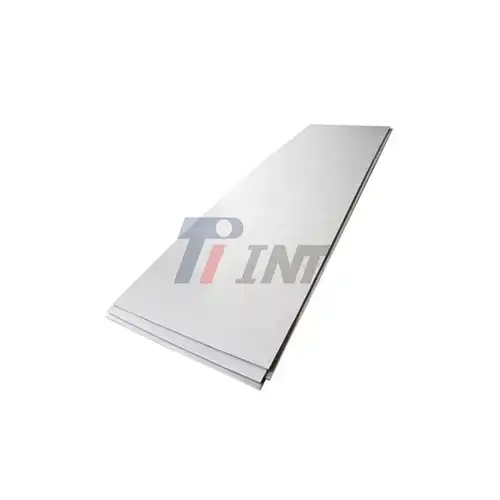
In hospital settings, medical titanium plates last a very long time—usually 15 to 20 years or more before they need to be replaced. High-quality materials, such as Ti6Al5V Eli Titanium Sheet Thk 2mm, make this last a lot longer because they are better at being biocompatible and prevent wear. The Extra Low Interstitial (ELI) label guarantees less oxygen and iron content, which improves ductility and crack resistance and can keep an implant working for well over twenty years in ideal circumstances.
|
|
|
Understanding Medical Titanium Plates and Their Lifespan
The biocompatibility and mechanical efficiency of medical titanium plates in the human body are unmatched, making them an important part of current orthopedic and reconstructive surgery. These internal devices are very important for fixing fractures, rebuilding bones, and other surgeries where long-term security is very important.
Defining Medical Titanium Plates and Their Core Functions
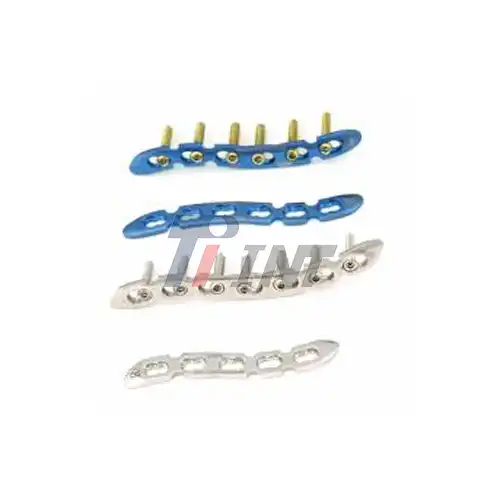
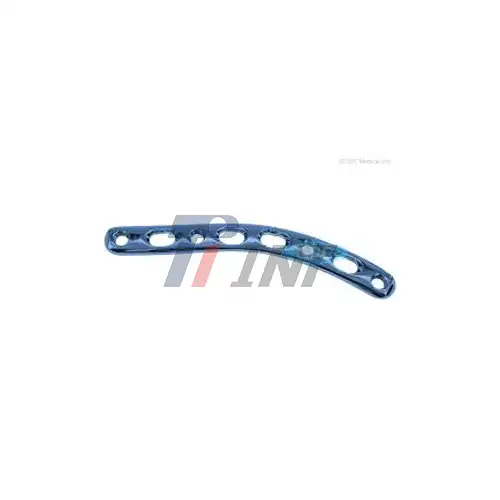
In surgical settings, medical titanium plates are precisely made metal implants that are meant to provide skeletal support and speed up bone healing. The makeup of the materials is very important for determining how well they work and how long they last. Because they are so strong, biocompatible, and resistant to rust, high-end metals like Ti6Al4V ELI have become the gold standard.
"ELI" stands for "Extra Low Interstitial," which means that strict controls are used to keep impurity levels low, especially iron and oxygen content, which has a direct effect on the material's ability to bend and resist wear. This higher level of purity means better clinical performance and longer implant life, making it the best choice for important situations where failure is not an option.
Key Factors Influencing Implant Longevity
The length of time that medical titanium plates work in the body depends on a number of linked factors. The quality of the material is the most important factor, and high-purity alloys have much longer service lives than normal types. The place where the plates are implanted is also very important, because plates in high-stress areas like the femur are loaded differently than plates in the head or face bones.
Implant longevity is affected by factors unique to each patient. How hard titanium plates are used depends on your age, how active you are, the quality of your bones, and your general health. Implants are often put through more stress when the patient is younger and more busy, which can speed up the wear process. On the other hand, older people who are less active may not feel as much stress on their implants, which can help them last longer.
Expected lifespan is also affected by the type of surgery and the form of the implant. The best load distribution and less stress buildup happen when the surgery is placed correctly, the tissue is covered enough, and the size is right. Modern implant designs use improved surface treatments and better shapes to help the bone integrate with the device and reduce mechanical issues.
Properties and Benefits of Ti6Al5V ELI Titanium Sheet Thk 2mm in Medical Implants
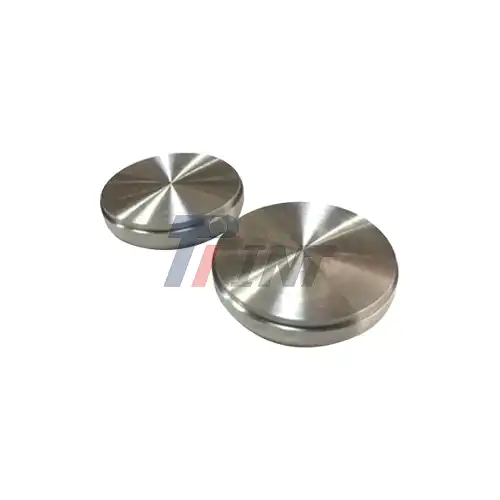
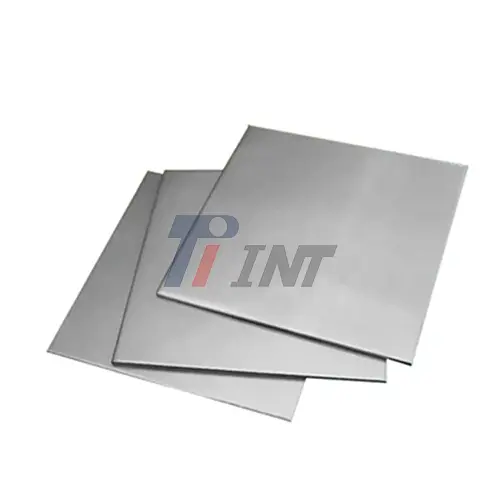
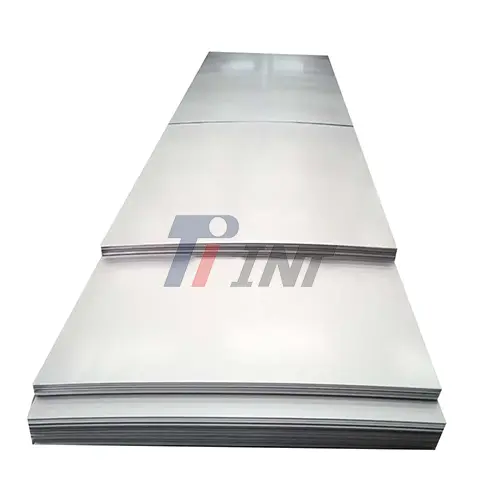
Because it performs better than other materials, Ti6Al5V Eli Titanium Sheet Thk 2mm is a great choice for making medical implants that last longer. This particular alloy's make-up and thickness give it the best mix of mechanical qualities and biocompatibility, which directly affects how long the implant lasts.
Mechanical Excellence and Structural Integrity
Ti6Al5V Eli Titanium Sheet Thk 2mm has amazing mechanical qualities that directly affect how well it works in the lab. This material has a tensile strength of over 860 MPa and a yield strength of over 795 MPa. It is strong enough to hold structures and doesn't wear down easily. The elongation qualities of 10-15% make this grade of titanium more flexible than other grades, which lowers the risk of quick failure under dynamic loading conditions.
For many medical uses, the 2mm thickness standard is the perfect level of thickness. This measurement gives the structure enough strength while still letting it be worked with in complex shapes. The fine microstructure, which is made up of evenly distributed alpha and intergranular beta phases, makes the material very resistant to crack growth, which is very important for the long-term survival of the implant.
Biocompatibility and Corrosion Resistance
Having the ELI label means that the interstitial parts are strictly controlled to ensure excellent biocompatibility. Low oxygen levels (below 0.13%) and low iron levels (below 0.25%) reduce inflammatory reactions and help good tissue integration. This improved biocompatibility is directly linked to fewer complications and longer implant life.
Another important benefit is that it doesn't rust in bodily environments. The layer of titanium oxide that forms naturally on top protects well against body fluids and keeps the material from breaking down over time. This passive oxide layer stays steady in all pH levels that biological systems experience. This makes sure that the implant works the same way for as long as it's supposed to.
Common Applications and Case Studies of Ti6Al5V ELI Titanium Plates
Medical workers in many different fields depend on Ti6Al5V ELI titanium plates for important tasks that need to be reliable for a long time. The great success of the material in real-life clinical situations is shown by these uses.
Orthopedic and Trauma Applications
Broken bone stabilization is where medical titanium plates are most often used. When someone breaks a long bone, like the femur, tibia, or humerus, Ti6Al5V ELI plates give the bone the mechanical stability it needs to heal properly. Studies in humans have shown that plates that are properly placed can work for 20 to 30 years without needing to be replaced.
The better qualities of ELI titanium plates are also very helpful for spinal fusion treatments. Biocompatibility and mechanical strength work together to help arthrodesis work while lowering the risk of problems linked to the implant. Long-term follow-up studies show that fusion rates are higher than 95% when the right titanium plate methods are used.
Craniofacial and Reconstructive Surgery
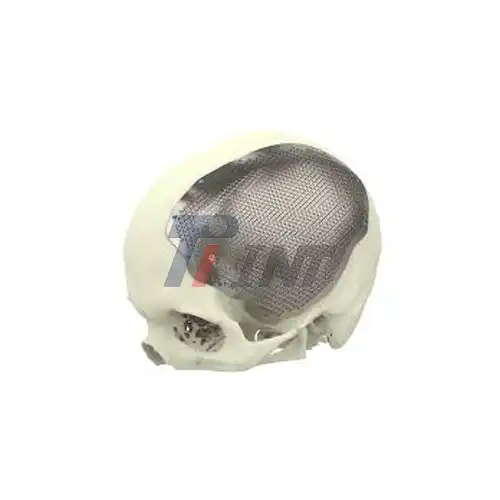
Because of the complicated geometry and visual concerns, craniofacial surgery is one of a kind. Because Ti6Al5V Eli Titanium Sheet Thk 2mm is easy to shape, doctors can make plates that fit each patient's body perfectly. Because it's not magnetic, it can be used with MRI machines, so it can be used for ongoing medical tracking without producing any image flaws.
Cases of mandibular repair have especially good long-term results. When people get Ti6Al5V ELI plates for jaw repair, the implants usually last for decades, and in some cases, they have been used for more than 25 years without any problems. Because it is so good at osseointegration, natural bone growth happens around the implant, making a strong, long-lasting restoration.
Procurement Insights for Medical Grade Ti6Al5V ELI Titanium Sheets (2mm)
To successfully get high-quality titanium products, you need to carefully evaluate sources and fully understand the certification standards. To make sure that implants always work, medical device makers must put quality materials and dependable suppliers at the top of their list of priorities.
Critical Certification and Quality Standards
To get medical-grade titanium, strict obedience to international norms is needed. Getting ISO 13485:2016 approval makes sure that suppliers keep up with the right quality control systems for making medical devices. The ASTM F136 and AMS 4911 guidelines spell out the exact needs for Ti6Al5V ELI materials that are used in medical implants.
Verification of chemical makeup is an important part of quality control. Suppliers must show thorough certificates of research that show they follow ELI rules. These certificates must include exact amounts of oxygen, nitrogen, carbon, hydrogen, and iron. Testing for mechanical properties according to ASTM standards makes sure that numbers for tensile strength, yield strength, and flexibility meet the requirements.
Supplier Evaluation and Partnership Development
Getting titanium from providers with a lot of knowledge is a great way to get technical help and make sure the supply chain works. Suppliers who have worked with medical titanium for decades know how to make implants and can give helpful technical advice on choosing the right material and setting the right processing parameters.
Another important thing to consider when choosing a source is how consistent the quality is. Ti6Al5V Eli Titanium Sheet Thk 2mm requires precise control of rolling parameters to achieve the specified thickness tolerance and surface finish. Suppliers with a lot of experience keep thorough process controls and quality paperwork that make sure consistency from batch to batch.
Maintenance and Replacement Guidelines for Medical Titanium Plates
Monitoring and care procedures that are done correctly make sure that medical titanium plates last as long as possible and keep patients safe. To know when replacement is needed, you need to keep doing clinical assessments and be aware of the different ways things could go wrong.
Clinical Monitoring and Assessment Protocols
Regular clinical follow-up exams are very important for checking the state of implants and finding early signs of problems. By taking x-rays at set times, doctors can see how the bone is growing and see if the position or stability of the implant has changed. When there are worries, advanced imaging methods like CT scans give a thorough three-dimensional look.
Symptoms mentioned by the patient are often the first sign that something might be wrong with an implant. If you have pain, swelling, less function, or technical signs, it could mean that your implant is coming loose or there are other problems. If these signs are checked out right away, they can be treated early on, which could help avoid bigger problems.
Factors Affecting Replacement Timing
There are a number of medical factors that affect the choice to replace medical titanium plates. Mechanical failure is rare in high-quality materials, but it can happen if they are loaded too much or wear out too quickly. If there is an infection around the implant site, the implant may need to be taken out and replaced with temporary gaps that contain antibiotics. New permanent implants may then be put in its place.
Changes in a patient's habits can also affect when they need a repair. More exercise or playing high-impact sports may speed up the wear process, which could shorten the life of the implant. On the other hand, reduced exercise levels that come with getting older may make current implants last much longer than was originally thought.
Conclusion
Medical titanium plates made from high-quality materials like Ti6Al5V Eli Titanium Sheet Thk 2mm last a very long time in clinical settings, usually 15 to 20 years or more before they need to be replaced. ELI-grade titanium has better mechanical qualities, biocompatibility, and corrosion resistance, all of which directly lead to longer implant life and lower revision rates. The right choice of material, surgical method, and ongoing clinical tracking all play a part in how long an implant lasts and how safe and happy the patient is with it.
FAQ
Q1: How does Ti6Al5V ELI differ from standard titanium alloys?
A: The name "ELI" (Extra Low Interstitial) means that the metal has less iron and oxygen than regular Ti6Al4V alloys. This higher level of purity makes the material much more flexible and resistant to fatigue, which means that implants last longer and fail less often in clinical settings.
Q2: What factors most significantly impact titanium plate longevity?
A: The most important thing is the quality of the material. The shape of the implant, the method used during surgery, and factors unique to each patient come next. High-purity ELI materials last longer than normal grades. Correct surgical placement and following exercise restrictions by the patient also make a big difference in the implant's lifespan.
Q3: Can titanium plates be safely left in place permanently?
A: High-quality titanium plates, like those made from Ti6Al5V ELI materials, can stay in place in most patients for good. Medical-grade titanium is very biocompatible and doesn't rust, so it doesn't need to be taken out unless problems happen or the patient's situation changes.
Q4: What certifications should buyers look for when sourcing medical titanium?
A: Important certificates include ISO 13485:2016 for managing the quality of medical devices, ASTM F136 for surgical implant materials, and FDA approval for companies that sell to the US market. For European areas, you might need extra approvals like the CE mark.
Partner with Baoji INT Medical Titanium Co., Ltd. for Premium Ti6Al5V ELI Solutions
Baoji INT Medical Titanium Co., Ltd. is a reliable seller of Ti6Al5V Eli Titanium Sheet Thk 2mm. They have been making medical-grade titanium products for over 20 years. Our wide range of certifications, such as ISO 9001:2015, ISO 13485:2016, and CE marks, make sure that our medical devices meet all world standards. We follow strict quality control procedures and give full traceability paperwork for every shipment.
Our technical team can help you choose the right material, set the right processing settings, and make suggestions based on your unique needs in order to make your implant designs work better. We offer high-quality materials that meet your exact needs and meet your delivery standards because our supply chains are reliable and we can customize them. Email our team at export@tiint.com to talk about your medical titanium needs and to ask for examples to test.
References
1. Niinomi, M. (2019). Titanium Alloys for Biomedical Uses: Their Properties and How They Are Made. Part B of the Journal of Biomedical Materials Research 108: 1625–1638 (2015).
2. Rack, H.J. & Qazi, J.I. (2006). Titanium materials used in medical fields. The issue number for this issue is 26(8), and it runs from 1269 to 1277.
3. Geetha, M., Singh, A.K., Asokamani, R., & Gogia, A.K. (2009). A study of Ti-based ceramics, the best choice for orthopedic implants. 54(3), 397–425 in Progress in Materials Science.
4. Long, M. Rack, H.J. (1998). A materials science look at titanium alloys used in total joint replacement. 18 (18): 1621–1639. Biomaterials.
5. Li, J.H.C., Elias, C.N., Valiev, R., & Meyers, M.A. (2008). Titanium and its alloys are used in medicine. Science of Biological Materials, 60(3), 46–49.
6. It was written by Boyer, Welsch, and Collings. (2007). Titanium alloys for medical uses are described in the Materials Properties Handbook. ASM International is based in Materials Park, Ohio.
_1752644608314.webp)
_1749195818446.webp)