
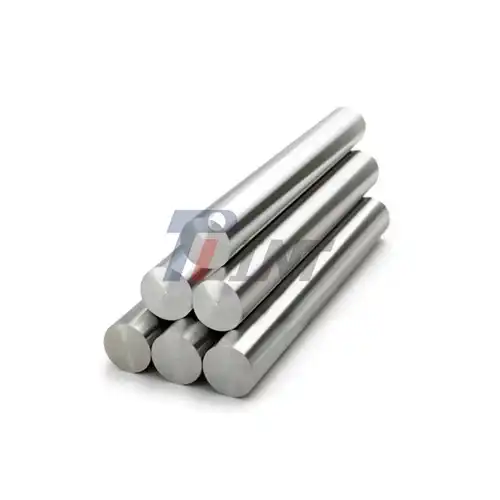
What is a Gr9 Titanium Bar Dia 8mm Used For in Surgery?


 2026-04-10 08:47:59
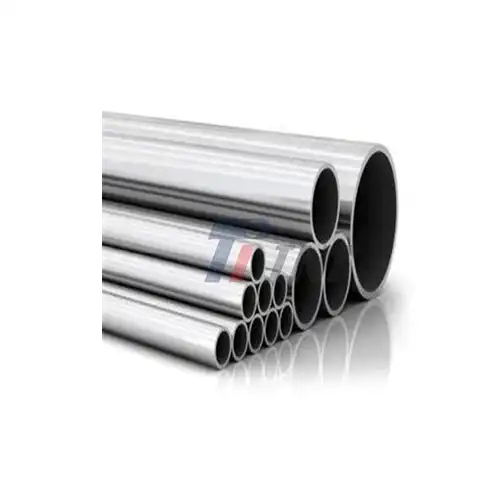
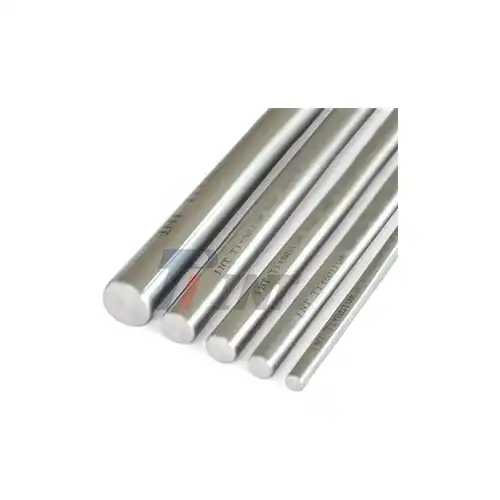
A very important part in surgery is the Gr9 Titanium Bar Dia 8mm, which is mostly used to make hip implants, dental instruments, and precise surgical tools. Because it is biocompatible and has excellent mechanical qualities, this special titanium alloy (Ti-3Al-2.5V) is a must-have for companies that make medical devices. The 8mm diameter specification strikes the perfect balance between strength and ease of use. Surgeons can rely on instruments and implants that work consistently in challenging surgical settings and keep patients safe by showing they can resist corrosion and wear over time.
|
|
|


Understanding Gr9 Titanium Bar Dia 8mm
There are clear differences between the different types of titanium alloys based on the titanium grading system. For medical device makers, the Gr9 Titanium Bar Dia 8mm is one of the most flexible choices. This special grade is made of titanium as the main ingredient, plus 2.5 to 3.5% aluminum and 2.0 to 3.0% vanadium, which together make up what experts call the Ti-3Al-2.5V alloy composition.
Material Composition and Properties
This type of titanium has amazing engineering properties that make it stand out from other materials because of its unique chemical makeup. With a density of 4.48g/cm³, these bars are about 40% lighter than stainless steel options while still being stronger. The tensile strength is at least 620 MPa (90 ksi), and the yield strength is at least 483 MPa (70 ksi). This means that it will work well in surgery stress situations.
The manufacturing methods closely follow ASTM F136, ASTM B348, and ISO 5832-3 standards. This makes sure that the quality of each production batch is the same. The limited amount of aluminum keeps the alpha phase stable, and the addition of vanadium improves the beta phase. This makes the material more flexible than Grade 5 titanium. This balance makes it possible to work with metals in the cold, which is necessary for making complicated medical instruments without weakening the structure.
Comparison with Alternative Titanium Grades
To understand how to choose the right material, you need to look at how Gr9 compares to other titanium choices that are often used in medical settings. Grade 2 titanium is very resistant to rust, but it's not strong enough to be used for high-stress surgery parts. However, Grade 5 titanium is stronger than Grade 4 titanium, but it is harder to work with when cold-forming, which makes the production process more complicated and costs more.
The middle position of Gr9 titanium makes it perfect for making medical devices because it is stronger than commercially pure grades and still easy to shape. This quality is especially useful when making instruments that need very close tolerances on dimensions and complicated shapes that would be hard to achieve with stronger metal mixes.
Surgical Applications of Gr9 Titanium Bar Dia 8mm
Medical device makers always use this material for important surgery tasks where patient safety and tool dependability can't be compromised. The metal is biocompatible, which means it can be easily incorporated into human flesh. Its mechanical qualities also make it possible for difficult surgeries in a wide range of medical fields.
Orthopedic Device Manufacturing
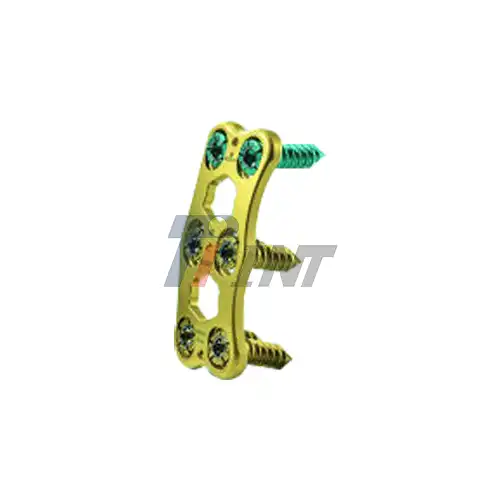
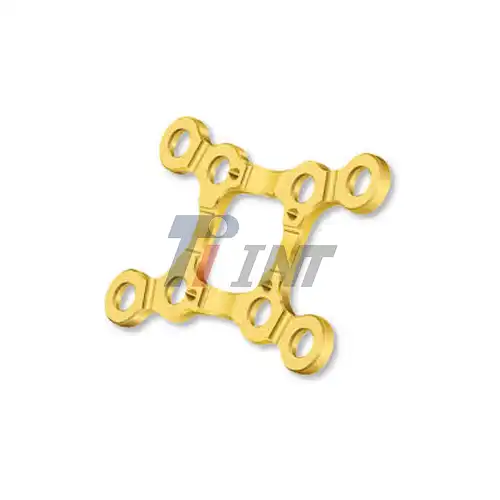
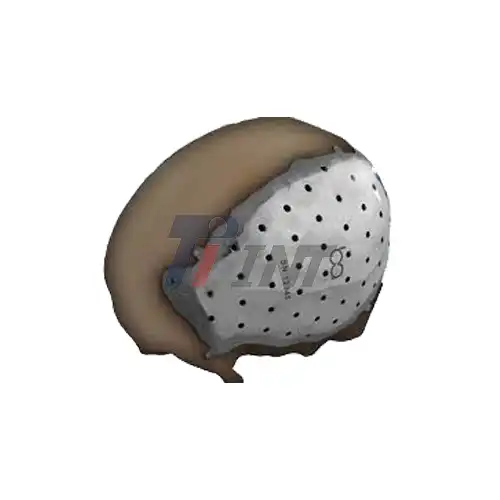
The biggest market for this special type of titanium is in orthopedic uses. Surgeons use implants and tools made from these bars to rebuild bodies after accidents, fuse spinal cords, and restore joints. Because the material is so resistant to wear, implants can go through millions of loading cycles without breaking. This makes sure that long-term patient results stay good.
When making orthopedic rods, pins, and screws that hold bones in place while they heal, the 8mm width standard comes in very handy. Manufacturing engineers like how easy it is to work with this material because it can be precisely threaded and the surface can be changed in complicated ways without causing stress buildup that could hurt the performance of the implant.
Dental Implant Production
The unique qualities of this grade of titanium make it very useful for dental uses. The osseointegration properties of the material help natural bone growth around implant structures, which makes strong bases for attaching prosthetics. These bars are used by companies that make dental instruments to make specialized tools with cutting edges that must stay sharp and not rust in mouth settings.
Because these titanium bars can be changed in any way, dentistry makers can choose the exact sizes and finishes for the surfaces that will help implants work best. The material's consistent qualities make it possible to reliably make standard implant bodies or complex abutment structures. This means that the production process can be planned and the final product will work well in the clinic.
Precision Surgical Instruments
This material is used by companies that make surgical instruments to make tools that work very well in a wide range of medical treatments. High strength-to-weight ratio keeps surgeons from getting tired during long operations, and high rust resistance keeps tools working even after being sterilized many times.
In particular, tools made from Gr9 Titanium Bar Dia 8mm are useful for minimally invasive surgeries. Because the material is flexible, it can be used to make fine tools that can move through complicated body structures without affecting the precision control and structural integrity that doctors need to do a good job on their patients.
Procurement Insights for Gr9 Titanium Bars Dia 8mm
To strategically source medical-grade titanium parts, you need to carefully look at the skills of the suppliers, make sure they follow the rules for approval, and check their quality control methods. Professionals in procurement have to deal with complicated rules and regulations while also finding cost-effective solutions that meet strict standards for making medical devices.
Supplier Qualification Criteria
Finding manufacturers with complete quality control systems and legal compliance is the first step to successful buying. Some important certificates are ISO9001:2015 for managing quality, ISO13485:2016 for making medical devices, and EU CE marks for making sure products are safe. These certifications make sure that providers follow the same production standards and keep the records needed for medical device uses.
Transparency in the supply chain is very important when getting titanium products for medical uses. Qualified sellers provide full material tracking from the source of the raw materials to the delivery of the finished product. This includes proof of heat treatment, chemical composition, and mechanical property testing results. This paperwork is very important during governmental checks and assessments of product liability.
Customization and Processing Capabilities
When making medical devices today, custom specs that go beyond standard material measurements are often needed. Leading providers offer a wide range of processing services, such as precise machining, custom surface processes, and heat treatment methods that are made to fit the needs of each application.
Being able to offer unique widths, surface finishes, and dimensional limits gets rid of the need for extra processing that could compromise quality or cause production delays. If you need materials with a polished, pickled, or other specialized surface treatment, experienced providers can get them to you in a way that meets all of your manufacturing needs while still keeping the materials' qualities and certification requirements.
Technical Comparison and Decision-Making for Gr9 Titanium Bars
Engineering decision-makers can make better choices when they know how to compare the performance of different materials in great detail. This information lets people make smart choices that improve the performance of products while keeping prices down and meeting government standards.
Mechanical Property Analysis
A comparison test shows that Gr9 Titanium Bar Dia 8mm has big benefits over other materials commonly used in surgery. While stainless steel options are cheaper, they are less resistant to rust and heavier, which can hurt the results of surgery. The higher fatigue strength of this type of titanium means that it will last longer in orthopedic uses that use repeated loading.
Compared to aluminum alloys, this type of titanium is much better at being biocompatible and resistant to corrosion, which is very important for implanted devices. The material can survive harsh sterilization conditions without breaking down, which means that tools will keep working well for as long as they are used.
Cost-Performance Optimization
Titanium products are more expensive than other materials, but for important medical uses, the total cost of ownership often makes titanium the better choice. Value claims that support original material investments include longer service life, lower failure rates, and better patient results.
The material's great machinability and forming properties make manufacturing more efficient. Higher raw material costs are often balanced out by lower tool wear, lower scrap rates, and easier processing requirements. This is especially true for high-volume production uses where consistency and dependability are very important.
Manufacturing Process and Quality Assurance of Gr9 Titanium Bar 8mm
To have excellent production, you need to use complex manufacturing methods that keep the qualities of the materials uniform and the sizes are correct. When procurement workers understand these steps, they can better judge the skills of suppliers and set reasonable goals for material performance and delivery times.
Production Quality Control
At every step of the manufacturing process, strict quality control rules are used to make sure that the material features stay the same from one production batch to the next. The first step in verifying raw materials is to check their chemical make-up and mechanical properties to make sure they meet ASTM and ISO standards. The next steps in the process include melting in a controlled atmosphere, precision casting, and heat treatment steps that improve the microstructure and mechanical qualities.
Advanced measuring tools are used in dimensional inspection methods to check the accuracy of lengths, diameter tolerances, and surface finish standards. Statistical process control methods keep an eye on important quality factors during production. This way, any changes in the process that might affect the material's performance or certification compliance can be found quickly.
Certification and Documentation
Along with each supply of materials, full paperwork packages are sent to make sure that the materials can be tracked and that they work as expected, which is necessary for making medical devices. For each output lot, mill test certificates list the chemical make-up, mechanical qualities, and heat treatment conditions. Reports on measurements, checks on the surface finish, and proof of compliance for important international standards are some of the other paperwork that is available.
Documentation about the quality management system shows that the supplier is committed to ongoing growth and following the rules. Regular checks by a third party make sure that quality standards for medical devices are being met, and ongoing process validation makes sure that materials perform the same way over long production periods.
Conclusion
The Gr9 Titanium Bar Dia 8mm is the best choice for surgery uses that need high biocompatibility, rust resistance, and functional performance. Its unique Ti-3Al-2.5V makeup gives it better strength-to-weight ratios while still letting it be shaped easily for making complex medical devices. This special material is used to make orthopedic implants and precise surgical tools. It helps companies that make medical devices make goods that improve patient results and meet strict regulatory requirements. The proven performance traits, full certification compliance, and production freedom of this titanium grade make it an essential material for progressing surgical technology and making healthcare better.
FAQ
What makes Gr9 titanium superior to Grade 5 for surgical instruments?
Compared to Grade 5, Gr9 titanium is better at being cold-formed, which makes production easier while keeping the material's high strength. The lower vanadium content makes it easier to weld and less likely to rust, which makes it perfect for surgical uses that need exact manufacturing without affecting biocompatibility.
How does the 8mm diameter specification benefit medical device manufacturing?
The 8mm diameter strikes the perfect balance between the strength and ease of machining of the material, enabling makers to make complex shapes while keeping the structural integrity. In orthopedic uses that need accurate threading processes and dimensional limits, this dimension is very useful.
What certifications should buyers expect with medical-grade titanium bars?
Good providers give full mill test certificates that show the chemical make-up, mechanical qualities, and compliance with ASTM F136, ASTM B348, and ISO 5832-3 standards. These certificates are backed up by ISO9001:2015, ISO13485:2016, and CE certifications.
Can these titanium bars be customized for specific surgical applications?
Yes, reliable makers offer a wide range of customization options, such as different surface finishes, exact length requirements, and custom machining services that are made to fit the needs of each medical device while still meeting certification requirements and material properties.
Partner with Baoji INT Medical Titanium Co., Ltd. for Superior Surgical Materials
With more than 20 years of experience making medical-grade titanium products, Baoji INT Medical Titanium Co., Ltd. is the company you can trust to make your Gr9 Titanium Bar Dia 8mm. Our strict quality control systems make sure that all of our products meet the strict requirements for ISO9001:2015, ISO13485:2016, and EU CE certification. They also make sure that all of our products have the great biocompatibility and mechanical features that your surgical uses need. As a top provider of precision titanium materials, we offer full tailoring, dependable supply chain management, and expert technical support to help you make your production processes more efficient. Email our team at export@tiint.com to talk about your unique needs and find out how our proven experience can help you make better medical devices.
References
1. American Society for Testing and Materials. "Standard Specification for Titanium and Titanium Alloy Bars and Billets for Surgical Implant Applications." ASTM F136-13, 2013.
2. International Organization for Standardization. "Implants for Surgery - Metallic Materials - Part 3: Wrought Titanium 6-Aluminum 4-Vanadium Alloy." ISO 5832-3:2016.
3. Brunette, Donald M., et al. "Titanium in Medicine: Material Science, Surface Science, Engineering, Biological Responses and Medical Applications." Springer-Verlag Berlin Heidelberg, 2001.
4. Rack, Henry J., and Quesada, Julio M. "Titanium Alloys for Biomedical Applications." Materials Science and Engineering: C, vol. 26, no. 8, 2006, pp. 1269-1277.
5. Long, Marc, and Rack, Henry J. "Titanium Alloys in Total Joint Replacement—A Materials Science Perspective." Biomaterials, vol. 19, no. 18, 1998, pp. 1621-1639.
6. Niinomi, Mitsuo. "Mechanical Biocompatibilities of Titanium Alloys for Biomedical Applications." Journal of the Mechanical Behavior of Biomedical Materials, vol. 1, no. 1, 2008, pp. 30-42.
_1752820927376.webp)
_1751957234428.webp)