

How to identify high-quality 2mm titanium sheets for corrosion resistance?


 2026-06-25 15:56:30
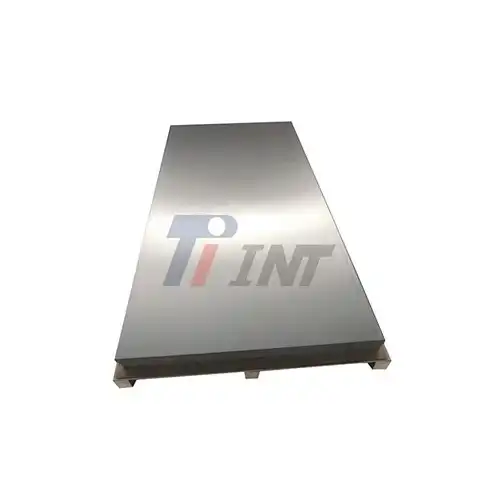
To find high-quality titanium sheet 2mm material that doesn't rust, you have to look at certain technical factors and certifications. Medical- or industrial-grade sheets that are real must meet ASTM B265 or ASME SB265 standards. They must also have confirmed mechanical qualities, like a tensile strength of more than 275 MPa for Grade 2 and better passive oxide layer formation. We've been helping medical device makers tell the difference between high-quality materials and cheaper ones for more than 20 years. This guide shows you the ways to check that your production quality is safe and that you're following all the rules.
|
|
|
Understanding the Core Properties of 2mm Titanium Sheets for Corrosion Resistance
To make titanium sheet 2mms less likely to rust, we need to understand their core properties. When looking at titanium sheets for tough jobs, it's important to know about the basic properties of the material so you can make smart buying choices. The width of 2mm is a smart middle ground where makers can get both shapeability and structural strength without adding too much weight.
Material Specifications and Grade Selection
Titanium sheets come in a number of different types, each designed to meet particular performance needs. Titanium that is commercially pure Grade 2 is very resistant to weathering. It has a density of 4.51 g/cm³ and a yield strength of about 275 MPa. This grade has excellent flexibility of about 20%, which makes it good for uses that need complicated shaping. Ti-6Al-4V (Grade 5) has a much higher yield strength of 828 MPa, but it also has a lower extension of about 10%. The alloy's makeup has a direct effect on both how well it works mechanically and how it reacts to rust in working settings.
Corrosion Resistance Mechanisms Across Environments
Titanium can form a steady, self-healing titanium dioxide (TiO₂) passive film on open surfaces, which makes it very resistant to rust. When this defensive layer gets broken, it heals itself on its own, so it stays intact even in harsh media. Titanium works better than 316L stainless steel in naval settings with chloride ions because it doesn't rust or pit, problems that usually happen with steel metals. Titanium is stable in oxidizing acids, reducing agents, and organic substances, which is helpful for chemical processing plants because other metals break down more quickly. In industrial settings with temperatures up to 600°C, titanium's protective oxide formation lasts for a long time, while aluminum and steel quickly oxidize and lose their power.
Performance Comparison with Alternative Metals
When you compare different types of materials, you can see why sourcing experts are choosing titanium more and more, even though it costs more at first. The mass of stainless steel is about 56% higher than that of titanium. This adds weight that isn't needed in aircraft and medical devices. Aluminum is lightweight, but it's not strong enough or resistant to rust enough to last in harsh settings for a long time. At 105 GPa, titanium's modulus of elasticity is about half that of steel. This means that stress can be spread out better under dynamic loading conditions while the structure stays strong. Service life studies regularly show that titanium parts last 3–5 times longer than stainless steel ones in acidic settings. This makes up for the higher cost of buying by lowering the number of times they need to be maintained and replaced.
Key Criteria to Identify High-Quality 2mm Titanium Sheets
Before making big purchases or integrating materials into production, procurement workers need to set up strict testing processes to make sure the titanium sheet 2mm materials are real and will work as expected.
Verification of Titanium Grades and Certifications
Real, high-quality sheets come with a lot of paperwork, like material test records (MTRs) that list the chemicals used, the mechanical qualities, and the history of heat treatment. The ISO 9001:2015 certification means that quality control systems are in place, and the ISO 13485:2016 certification talks about the standards for making medical devices. Compliance with ASTM B265 indicates that width standards are usually kept to ±0.15mm in terms of limits. For aircraft uses, AMS 4911 approval is necessary to prove tracking and process control throughout the manufacturing process. Third-party testing documents from approved labs should be shown by suppliers to show that their products meet certain grade requirements. These requirements include the amount of iron, oxygen, nitrogen, and carbon in the product, all of which affect its resistance to rust and dynamic behavior.
Quality Control Methods and Testing Protocols
Manufacturers use a variety of testing methods to make sure that materials are solid and that they work as expected. When ASTM G48 procedures are used for corrosion resistance tests, samples are put in ferric chloride solutions to measure their resistance to pitting and their overall corrosion rates. Tensile testing according to ASTM E8 standards makes sure that the grade's required yield strength, maximum tensile strength, and stretch values are met. Surface checks find flaws like scratches, spots, or laminations that make rust protection less effective by causing stress concentration sites or messing up the inactive oxide layer. Ultrasonic testing finds internal flaws that can't be seen with the naked eye, and precise millimeter measures of thickness prove that the sheet's dimensions are all the same.
Visual and Physical Inspection Techniques
Quality professionals with a lot of experience can tell the difference between high-quality materials and cheaper ones just by looking at them. High-quality sheets have smooth, bright or matte surfaces that don't show any darkening, stains, or metal scale growth that could mean they were processed incorrectly or were contaminated. The edges should look clean and free of burrs, which means the shaving or cutting was done correctly. Well-processed sheets that can be used in medical or precision uses usually have surface roughness values below Ra 1.6 µm.
By using metallography to look at the microstructure, you can see the size of the grains, how they are distributed, and whether there are any unwanted inclusions or segregation. Verifying the width of the material in several places across the sheet proves that the rolling process is consistent. Deviations that are outside of the acceptable range show problems with the process control that could affect how well the sheet will work in the future.
Comparing 2mm Titanium Sheets with Alternatives for Corrosion Resistance
When choosing a titanium sheet 2mm, it's important to look at its performance, how much it will cost, and any other needs that are specific to the application. This goes beyond just measuring rust resistance.
Titanium Versus Stainless Steel and Aluminum
The rust protection of stainless steel 316L is good enough in many settings, and it's cheaper, but titanium works better in chloride-rich surroundings, acidic conditions, and high temperature settings. Comparing weights shows that titanium is as strong as steel while only having 45% of its mass. This is a big benefit in situations where weight is important. Aluminum is very light, but it doesn't have the strength-to-weight ratio or rust protection that are needed for tough medical or industrial uses. Instead of just looking at the purchase price, cost-effectiveness studies need to look at the total costs of ownership, such as repair gaps, replacement frequency, and system failure. From working with medical device makers, we know that titanium parts pay for themselves in three to five years because they last longer and break down less often than stainless steel parts in settings with body fluids.
Grade 2 Versus Grade 5 Selection Criteria
Commercially Pure Grade 2 titanium works best in situations where maximum rust resistance, shapeability, and weldability are important and modest strength levels are enough. The flexibility of the material makes it possible to do complex shaping processes like deep drawing, pressing, and bending with little worry for spring-back. Grade 5 titanium metal is almost three times as strong as Grade 2, which makes it better for use in aircraft structure parts, high-stress medical tools, and high-performance cars. The alloying elements in Grade 5 make it a little less resistant to rust than pure grades, but it still works very well in most industrial settings. Costs are usually 20–40% higher for Grade 5, which is okay when the application needs better strength-to-weight ratios that make up for the higher price.
Surface Treatments and Finishing Technologies
Anodizing methods make controlled oxide layers that improve the way something looks, make it easier to code colors, and make it slightly more resistant to wear without changing how well it resists rust. Passivation processes get rid of surface contamination and help a uniform oxide layer form. This is especially helpful after cutting or shaping operations that may have added iron contamination or broken up the protection film. In harsh settings with certain chemical exposures or very low pH levels, covering systems may be helpful. However, titanium's natural resistance to rust usually means that no extra protection is needed. Changing the surface roughness by polishing or electropolishing lowers the stickiness of germs in hospital settings. This also makes the surface easier to clean and looks better, without affecting the basic processes that protect against rust.
Practical Procurement Guide: How to Source High-Quality 2mm Titanium Sheets for Corrosion Resistance?
Strategic buying choices affect both the short-term success of a project and the long-term dependability of the supply chain when sourcing a titanium sheet 2mm. This means that suppliers need to be carefully evaluated and relationships need to be built.
Selecting Trustworthy Titanium Sheet Vendors
Reliable providers have long records of making things, thorough quality control systems, and open conversation about what they can and can't do. Vendors should have ISO licenses, proof that they follow export rules, and proof that they have worked with companies in your field before. Evaluations of manufacturing facilities show the powers of the tools, the rules for the process, and the quality assurance systems that make sure the materials always work well.
We started Baoji INT Medical Titanium in 2003 to meet the needs of medical device makers who needed to be able to track the materials they used, make sure they were the right size, and get full expert help during the whole product development process. References from current users of a supplier are a great way to find out about how reliable shipping is, how consistent quality is, and how quickly technical questions or problems are solved. Long-term relationships with reliable suppliers lower the risks of buying things, let people work together to make new products, and often lead to better price and shipping terms that are good for everyone.
Pricing Benchmarks and Order Considerations
The price of titanium sheet 2mm standards depends on the grade chosen, the amount ordered, the market, and any special needs. Grade 2 reasonably pure material costs between $25 and $40 per kilogram, based on the size of the order. Grade 5 metal costs between $35 and $55 per kilogram. Most of the time, the minimum order quantity for normal specs is between 100 and 500 kilograms. Smaller amounts are offered at higher prices. Custom cutting services are valuable because they cut down on trash and eliminate the need for extra steps. However, setup fees may apply for cutting to specific sizes. With volume agreements, prices can be discussed in a way that saves money and makes sure there is a supply even when the market changes. Lead times are usually between 4 and 8 weeks for normal grades and sizes. They can be up to 10 to 16 weeks for special alloys, custom sizes, or times when the market is very busy.
Evaluating Supplier Transparency and Documentation
Trustworthy suppliers make it possible to track all of the materials from the time they are inspected and shipped. Heat lot numbers make it possible to trace back to the original mill permits that show the chemicals used and the history of processing. Instead of general standard ranges, material test results should include real measured values. This shows that the material meets or exceeds the minimum requirements. Verification by a third-party laboratory gives independent proof of what a seller says.
This is especially helpful when finding new suppliers or making sure products are safe for businesses that are controlled. Documentation from the country of origin affects tax classifications, governmental compliance, and how customers think about the standards of production. Suppliers who are willing to allow witness tests, facility checks, or sample evaluations show that they believe in their quality systems and want to make sure their customers are happy. Suppliers who are unwilling to do these things could be a sign of quality problems.
Case Studies: Applications Showcasing Corrosion-Resistant 2mm Titanium Sheets
Real-life examples of application show how choices about which titanium sheet 2mm to use can improve business performance, cut costs, and give companies in a variety of industries a competitive edge.
Aerospace Component Applications
2mm Grade 5 titanium sheets are used by aircraft makers for heat shields and exhaust pipe shrouds in places where temperatures hit 600–800°F and combustion fumes are harmful. The material can survive changes in temperature, pressure, and exposure to the environment for 20 to 30 years without breaking down in a way that makes it less safe or less effective. When compared to options made of stainless steel, they are lighter, which means they can carry more cargo or use less fuel, which adds up to big saves over the life of an airplane. A lot of rigorous quality testing makes sure that the rust protection is good under situations like salt spray, temperature shock, and mechanical stress that are similar to decades of service in a short amount of time.
Industrial Chemical Processing Equipment
Desalination plants that use seawater depend on titanium plates to build their heat exchangers because high temperatures and high salt levels quickly eat away at stainless steel options. One of the facilities we worked with said the units had been in use for 15 years without any rust or efficiency loss. In the past, stainless steel units had to be replaced every 3–5 years. The longer service life cut down on repair work, kept production running smoothly, and dropped total ownership costs by 60%, even though the initial investment in materials was higher. Similar performance benefits can be seen in chemical reactions that deal with acidic or oxidizing media. Titanium's inactive layer stays intact while steel corrodes and eventually breaks.
Medical Device Manufacturing
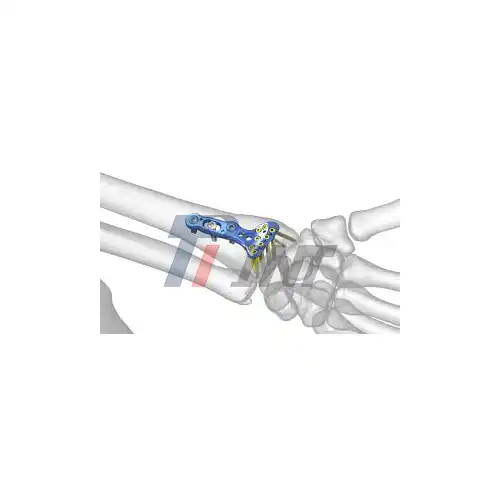
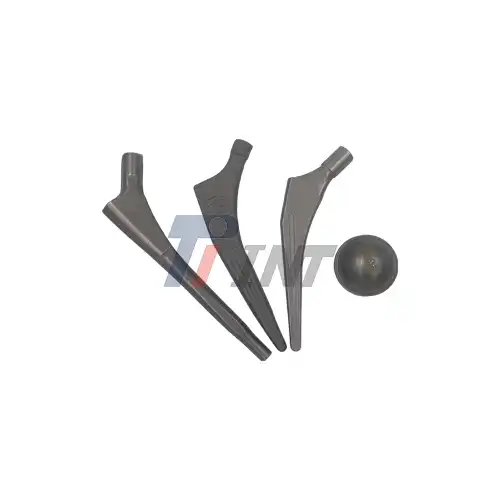
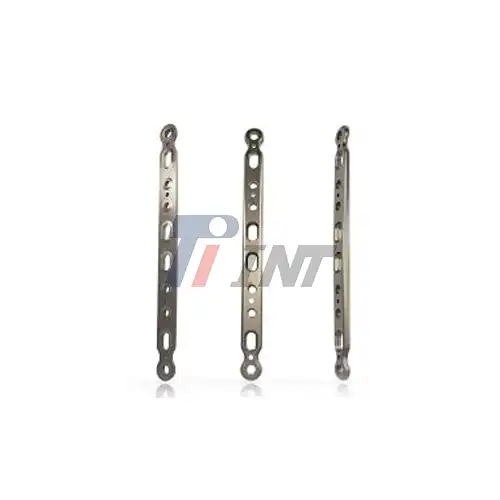
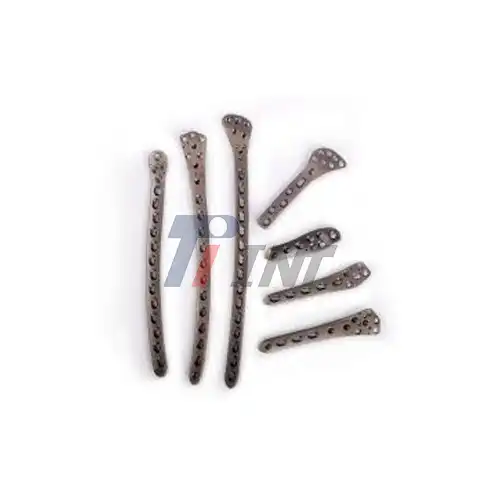
Manufacturers of surgical tools use Grade 2 commercially pure titanium for instruments that need to be sterilized many times in steam autoclaves, chemical disinfectants, and hydrogen peroxide plasma systems. The 2mm width gives the structure enough strength while keeping the weight of the instruments low, which makes surgeons less tired during long treatments. Biocompatibility takes away worries about tissue reactions or inflammation that can happen with stainless steels that contain nickel. Through our work with hip implant makers, we were able to come up with exact size requirements for trauma plates. These plates had to meet strict standards for strength, resistance to rust, and biocompatibility, all of which affect patient results and regulatory approval.
Conclusion
To find high-quality titanium sheet 2mm material, you need to carefully look at certifications, material qualities, source skills, and performance needs that are specific to the application. Verification procedures should make sure that the grade is followed by looking over the paperwork, inspecting the item in person, and, if necessary, having a third party test it. Corrosion resistance benefits over other metals explain material cost increases through longer service life, less upkeep, and better dependability in harsh settings. Procurement strategies that work well combine short-term price concerns with long-term total ownership costs, the quality of the seller relationship, and the professional support skills that go beyond just providing materials.
FAQ
Q1: How does corrosion resistance compare between titanium and stainless steel sheets?
A: Titanium is more resistant to rust than stainless steel in salt environments, acidic environments, and high temperatures. When titanium dioxide passive film gets broken, it heals itself automatically. Stainless steel's chromium oxide layer, on the other hand, can break down in harsh environments, causing pitting and fissure rust. Titanium usually lasts 3–5 times longer than 316L stainless steel in situations where it comes into contact with oceans, chemicals, or body fluids.
Q2: What certifications should suppliers provide for quality assurance?
A: Suppliers with a good reputation should have ISO 9001:2015 quality management certification. For medical uses, ISO 13485:2016 approval is also needed. Material test results that list the chemical make-up and mechanical qualities of a material according to ASTM B265 or ASME SB265 standards prove that it meets the grade requirements. AMS 4911 certification shows that a company is qualified to work in aircraft, and third-party laboratory analysis certificates let you check a supplier's claims on your own. Full tracking paperwork, like heat lot numbers and details about the place of origin, helps with quality system standards and legal compliance.
Q3: Do additional coatings improve titanium's corrosion resistance?
A: Titanium is naturally resistant to rust, so it usually doesn't need any extra coats to protect it in industrial settings. Anodizing can make things look better and help with color-coding, but it doesn't do much to improve rust resistance above the natural oxide layer. After grinding, passivation processes help get rid of iron residue and encourage even oxide formation. Extreme chemical reactions or certain pH conditions are the only times when coating systems are necessary, even though titanium is naturally very resistant.
Partner with a Trusted Titanium Sheet 2mm Manufacturer
Baoji INT Medical Titanium Co., Ltd. has been making medical-grade titanium materials for more than 20 years and has strict quality control methods and full technical support. With full tracking paperwork and production methods that are ISO 13485:2016 approved, we make sure that every titanium sheet 2mm product meets the strict ASTM B265 standards. We offer custom cutting services, faster delivery times, and engineering advice to help you build your product from the idea stage all the way through production scale. Email our expert team at export@tiint.com to talk about your unique needs for rust protection, get examples of materials, or get full quotes. We are a reputable provider of titanium sheet 2mms to medical device makers, aircraft companies, and industrial equipment makers all over North America.
References
1. American Society for Testing and Materials (2021). ASTM B265-20a Standard Specification for Titanium and Titanium Alloy Strip, Sheet, and Plate. ASTM International, West Conshohocken, PA.
2. Boyer, R., Welsch, G., & Collings, E.W. (2019). Materials Properties Handbook: Titanium Alloys. ASM International, Materials Park, OH.
3. Schutz, R.W. & Thomas, D.E. (2018). "Corrosion of Titanium and Titanium Alloys." ASM Handbook Volume 13B: Corrosion: Materials, pp. 252-299.
4. Peters, M., Kumpfert, J., Ward, C.H., & Leyens, C. (2020). "Titanium Alloys for Aerospace Applications." Advanced Engineering Materials, 22(4), 781-805.
5. Rack, H.J. & Qazi, J.I. (2017). "Titanium Alloys for Biomedical Applications." Materials Science and Engineering C, 26(8), 1269-1277.
6. International Organization for Standardization (2020). ISO 5832-2:2018 Implants for Surgery — Metallic Materials — Part 2: Unalloyed Titanium. ISO, Geneva, Switzerland.
_1750668472070.webp)
_1755061801114.png)
_1755062186746.jpg)