
Gr2 Titanium Foil for Surgical Retractors and Blades


 2026-06-24 11:32:37
When making precise surgical tools, the choice of material affects both the result for patients and the speed of the production process. When it comes to biocompatibility, rust resistance, and mechanical performance, Grade 2 Titanium Foil has become the gold standard for surgery retractors and blades. This very thin medical-grade material, which is usually between 0.002mm and 0.25mm thick, lets companies that make surgery tools make tools that are both light and strong. Titanium Foil is different from regular stainless steel because it makes a solid titanium dioxide passivation layer that stops ions from leaching into body fluids and keeps the structure strong through hundreds of sterilization cycles. This guide answers the most common questions that medical device makers, ODM/OEM partners, and supply chain managers have about how to buy high-performance titanium materials that are compliant with FDA, ISO 13485, and ASTM F67 standards and come with reliable lead times and technical support.
|
|
|
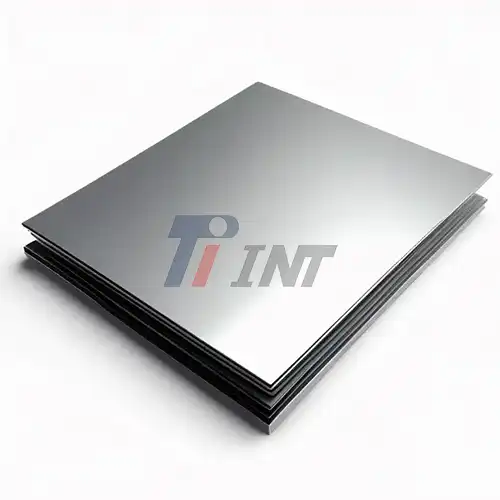
Understanding Gr2 Titanium Foil: Properties and Manufacturing
Grade 2 economically pure titanium is the best choice for medical uses because it is both easy to work with and strong. Over many years of working in this field, we've seen that this grade is easier to shape than titanium alloys while still having enough tensile strength (usually at least 345 MPa) for medical tools that are very strong. With a mass of 4.51 g/cm³, the material is about 45% lighter than surgical-grade stainless steel. This makes long processes easier on the surgeons.
Chemical Composition and Purity Standards
The managed amounts of impurities in Grade 2 titanium are what make it unique. ASTM B265 says that the material can have no more than 0.25% oxygen, 0.10% nitrogen, and 0.30% iron. The rest of the material must be made up of titanium that is at least 99.2% pure. These strict rules over the makeup make sure that all production batches have the same biocompatibility and mechanical performance. The amount of oxygen in the material has a big effect on its yield strength. More oxygen makes the material harder but less flexible, which makes Grade 2's balanced makeup perfect for making Titanium Foil that needs to be strong and flexible at the same time.
Manufacturing Process: From Ingot to Medical-Grade Foil
Several precise steps are needed to make medical-grade Titanium Foil. The first step is vacuum arc remelting of titanium sponge to make bars that are all the same and don't have any flaws. These ingots are first hot-rolled at temperatures ranging from 650°C to 850°C, which gradually reduces their thickness. They are then cold-rolled using twenty-high Sendzimir mills that can achieve thickness tolerances of within ±5%.
Between rolling passes, vacuum annealing at 650–750°C is used to ease pressures inside the foil and make it more flexible. The end product is pickled on the surface with hydrofluoric and nitric acid solutions to get rid of the oxide scale. This is followed by passivation, which creates the protective TiO2 layer. Before getting the approval paperwork needed for regulatory applications, each production batch goes through ultrasonic testing and chemical analysis to make sure it meets ASTM F67 or ISO 5832-2 medical standards.
Advantages of Using Gr2 Titanium Foil in Surgical Instruments
Medical gadget makers are always looking for materials that improve the results of surgeries while keeping costs low. Grade 2 Titanium Foil has measured benefits that directly address procurement pain points related to tool performance, regulatory compliance, and costs over the course of its life.
Superior Corrosion Resistance in Physiological Environments
The natural creation of a solid titanium dioxide film makes it very resistant to chloride attack and the acidic conditions that are common in surgery settings. Stainless steel tools may show pitting rust after being exposed to salt water and repeated steam autoclaving, but Grade 2 titanium will always have a smooth surface. Testing in the lab shows that titanium's rust rate in Ringer's solution at 37°C stays below 0.01 mm/year, which is very small compared to the rate at which 316L stainless steel breaks down. This resistance means that the instrument will last longer and there will be no risk of particle contamination from areas that have rusted.
Biocompatibility and Patient Safety Profile
The oxide layer on titanium is inactive, so metal ions can't get into surrounding tissues. This makes titanium very biocompatible. Titanium does not harm cells, cause allergies, or cause cancer when it is implanted or comes into touch with human flesh, according to clinical studies that span decades. For retractors that touch internal organs and blades that cut tissue, this safety characteristic is especially important. Because the material is histocompatible, there are no worries about sensitization reactions that could slow down the healing of surgery sites, which is a known risk with metals that contain nickel. Regulatory bodies, such as the FDA, know that titanium is biocompatible and have made it easier for products that use appropriate titanium materials to get approved.
Lightweight Construction Enhancing Ergonomics
Surgical treatments often last for several hours, which puts a lot of physical stress on the operation teams. Cutting down on the weight of instruments immediately improves a surgeon's skill and stamina. A retractor blade made of titanium that is the same size and shape as one made of stainless steel weighs about 40% less while still being stiff enough to do its job. This weight loss is especially helpful for microsurgery procedures that need exact movement and neurosurgery procedures that need to stay in one place for a long time. It's becoming more and more clear to procurement managers who work with instrument design teams that choosing the right material weight affects not only product performance but also surgeon happiness and the speed of procedures. These are all things that set medical devices apart in competitive markets.
Sterilization Durability and Dimensional Stability
Modern surgery tools have to be able to go through hundreds of rounds of sterilization without losing their shape or surface. The melting point of Grade 2 titanium is 1668°C, which gives it a large temperature cushion when it is autoclaved in steam at 134°C. Titanium doesn't break down when heated over and over again like plastic materials do. It keeps its mechanical qualities and surface finish forever. The material's low thermal expansion coefficient of 8.6 × 10⁻⁶/°C keeps the dimensions from changing too much during heating and cooling cycles. This keeps the limits of the device stable over its entire service life. This makes them last longer, which lowers the total cost of ownership and the number of times they need to be replaced. These are important factors for medical procurement offices and instrument rental services.
Application-Specific Insights: Gr2 Titanium Foil in Surgical Retractors and Blades
Knowing how the features of a material affect the performance of an instrument helps people who buy things figure out what suppliers can do and what specifications they need for their specific uses.
Handheld Retractor Applications
For handheld surgery retractors to work, the thickness of the material needs to be just right so that it is flexible enough to shape the body and stiff enough to move tissue. Titanium Foil with a thickness of 0.08mm to 0.15mm is usually what we suggest for mobile retractor blades that are used in orthopedic and general surgery. At these sizes, the material has enough spring-back to keep the recoil force while still letting the change be made by hand without permanently changing shape. The foil's smooth surface, which can be rolled and polished to a level of Ra 0.4 μm, keeps tissue from being damaged during withdrawal. Leading orthopedic tool makers have successfully switched from stainless steel to titanium retractors. Surgeons have said that the new retractors make their hands less tired during complicated spine fusion procedures that take more than three hours to retract.
Self-Retaining Retractor Systems
Thinner pieces of Titanium Foil are built into mechanical frames of self-retaining retractor devices. For these uses, the thickness is usually between 0.04mm and 0.10mm so that it can be as flexible as possible to fit the shape of the wound while still allowing surgeons to see what's going on. Because the material doesn't permanently set, the blades go back to where they were before each process, which keeps the system calibrated. Design engineers like how flexible Titanium Foil is because it lets them make blades with complicated shapes, like curved profiles and supporting ribs, by hydroforming or pressing the foil. These advanced forms reflect light better and cast fewer shadows in surgical areas, which are very important for laparoscopic and minimally invasive treatments.
Specialized Surgical Blade Components
Full medical blades usually have cutting edges made of hardened steel, but Grade 2 Titanium Foil is used in blade backing plates and parts of the blade that don't cut. Because the material is flexible, it is possible to make very thin blade shapes that can be used in microsurgery and eye surgery where tissue planes are measured in fractions of a millimeter. Titanium blade backs that are between 0.03 mm and 0.06 mm thick support the cutting edges and keep the tissue from moving before cuts are made. Manufacturers of specialized blades for neurosurgery have come up with their own ways to bond titanium backing foils to ceramic cutting edges. This makes scalpels that are biocompatible with titanium and maintain their edge better than other materials.
Performance Case Study: Cardiovascular Retractor Application
A well-known company that makes medical devices came to us looking for Titanium Foil for the next wave of circulatory retractors. Their design standards said it had to be 0.12 mm thick, have tight flatness tolerances, and be able to be traced back to groups of raw materials. We gave you Grade 2 Titanium Foil that met ASTM F67 standards, along with full material certificates and test results that showed the foil's tensile properties, grain size, and oxygen content.
After that, the maker validated the product and found that the retractors stayed the same size through 500 simulated sterilization processes while being 30% lighter than older stainless steel designs. Cardiothoracic doctors who have done cardiac bypass procedures have said that the devices are easier to use and less tiring on the hands. This application shows how choosing the right material can affect both following the rules and getting approval from end users.
Procurement Guide for Gr2 Titanium Foil in Surgical Applications
To successfully buy medical-grade Titanium Foil, you need to know about the certification standards, seller qualification factors, and cost structures that are very different from buying regular metals.
Critical Certification and Compliance Requirements
Medical gadget makers have to get materials that can be tracked and show they follow all the rules in the supply chain. A standard specification for unalloyed titanium for surgical implants is ASTM F67, and Grade 2 Titanium Foil for surgical uses should also meet ISO 5832-2, which is about surgical implants made of metals and part 2: unalloyed titanium. Suppliers should give Material Test Reports that confirm the chemical make-up, mechanical qualities, and lack of alpha-case surface contamination.
In addition to meeting material standards, companies that use ISO 13485 quality control systems show that they can consistently make medical-grade products. Devices sold in the United States are safer when they come from places that are listed with the FDA. When looking at different suppliers, make sure you ask for proof of their quality control measures, such as arriving inspection methods, process controls, and systems that can connect finished foil to the original titanium sponge melts.
Supplier Qualification Criteria
To find trusted Titanium Foil providers, you need to look at both their technical skills and how stable their businesses are. A big part of qualifying is the production equipment. For example, suppliers who use Sendzimir-type precise rolling mills can get thinner margins that are needed for medical uses. Vacuum annealing ovens make sure that the heat treatment is free of contamination, which protects biocompatibility. Instead of relying on third-party testing, real-time quality checks can be done in laboratories that can do tensile testing, metallographic study, and chemistry analysis.
When doing business, you should look for a seller that is financially stable so that they will be available in the future, one whose production capacity matches your volume needs, and one whose expert support staff can help you choose the right materials and figure out how to use them. Medical titanium providers with a lot of experience keep up with documentation systems that help customers send FDA submissions and know how to handle quality questions or reviews into non-conformance.
Understanding Pricing Structures and Lead Times
Titanium Foil prices vary a lot depending on the thickness, the number of sheets ordered, the surface finish needed, and the approval paperwork that needs to be submitted. Ultra-thin foils that are less than 0.05 mm thick cost more because they are harder to work with and produce more scrap. About 40 to 50 percent of the price of finished foil goes to the cost of materials. The rest of the cost goes to processing, quality control, and licensing paperwork.
Discounts for bulk become significant when you order more than 50 kg, and prices level off as you order more. Standard wait times for certified medical-grade foil include production and testing, and are between 8 and 12 weeks. Faster handling may be possible for an extra fee. When making a budget for a project, you should include time for qualifying the first samples and planning when to buy materials so that they don't get in the way of when the product is ready to be sent to regulators.
Working with Established Manufacturers
Along with general industrial titanium providers, the medical titanium supply chain includes specialty manufacturers that focus on healthcare uses. Well-known companies that make medical titanium have a lot of useful application knowledge and know how to meet regulatory requirements that affect material specs. Most of the time, these providers have documented quality systems that are in line with medical device standards. They can also offer expert advice on choosing materials, treating surfaces, and shaping processes.
While procurement teams naturally look at more than one source, building relationships with qualified suppliers has benefits such as giving suppliers priority during times of limited supply, working together to solve problems when processing issues arise, and giving buyers access to new capabilities as suppliers invest in new technologies. A good way to buy things that are important for product quality and following the rules is to find a balance between lowering costs and building relationships with suppliers.
Titanium Foil vs Titanium Sheet and Other Materials: Choosing the Best for Your Surgical Instruments
Making choices about which materials to use affects the whole process of making instruments, how well they work, and how much they cost overall. Figuring out the relative benefits helps you make the best decisions for each situation.
Titanium Foil Compared to Titanium Sheet
The main difference between Titanium Foil and sheet is thickness. Foil is usually described as material that is less than 0.25 mm thick, while sheet includes higher gauges. This difference in thickness causes big differences in properties that make different surgery tools less or more suitable. Titanium Foil is very flexible, so it can be bent around tight corners and go through a lot of complicated shaping steps to make retractor blades that fit the shape of the body. Because the material is thin, it has less spring-back force when it is formed.
This makes it easier to make tools and lowers the cost of production. Titanium sheet, on the other hand, has a higher structural stiffness and is better for retractor frames, instrument handles, and other parts that need to be able to hold more weight. Thickness should be matched with function in procurement specs. For example, using foil for bendable blade parts and sheet for structural parts will improve both performance and material prices.
Titanium Versus Stainless Steel Performance Comparison
Surgical tools are still mostly made of stainless steel because it is easy to work with and doesn't cost as much. When you compare performance traits, you can see important trade-offs. Grade 2 titanium is much more resistant to rust, especially chloride attack, which makes stainless steel hole. Titanium is more biocompatible than some types of stainless steel, so there are no worries about nickel sensitivity. The lower density means that a lot less weight is needed—a 100-gram retractor made of stainless steel would only weigh 56 grams if it were made of titanium. Stainless steel counters with a higher elastic stiffness can have smaller parts while still being rigid. They are also harder, which supports cutting edges that are sharper.
A cost study shows that titanium is about three to four times more expensive than medical stainless steel. However, titanium may be cheaper over its lifetime when you consider its longer service life and ability to stay sterilized. The type of material used should determine which one is best. Titanium is best when biocompatibility, corrosion resistance, and weight reduction make the higher price worth it, while stainless steel is still a good choice for disposable tools and other uses where its qualities are sufficient.
Alternative Materials: Aluminum and Specialty Alloys
Some companies look at aluminum alloys and other special materials to make medical tools. Even though aluminum has a lower density than titanium, it can't be used in tissue-contact uses because it corrodes easily in physiological settings and isn't always biocompatible. Tantalum is very biocompatible, but because it is so dense and expensive, it can only be used for specific devices. Titanium alloys, such as Ti-6Al-4V (Grade 5), are stronger than Grade 2 widely pure titanium, but they are harder to shape, which makes foil production and shaping more difficult. Grade 2 Titanium Foil is the best material for surgery retractors and blades in terms of its properties, processing traits, biocompatibility, and cost.
Conclusion
Due to its biocompatibility, resistance to rust, and better mechanical performance, Grade 2 Titanium Foil has become the best material for surgery retractors and blades. If procurement workers know about the properties of materials, the certification requirements, and the criteria for qualifying suppliers, they can easily find materials that meet legal requirements and support clinical success. The money spent on medical-grade Titanium Foil pays off in a way that can be measured: instruments last longer, surgeons are more comfortable, and patients are safer than with other materials. As companies that make medical devices put more emphasis on performance, quality, and lowering costs at the same time, relationships with experienced titanium providers become valuable assets that help them stand out from the competition and ensure reliable production.
FAQ
What thickness of titanium foil works best for surgical retractors?
Surgical retractor blades are usually between 0.08mm and 0.15mm thick, but this can change based on the need. Handheld retractors for general surgery work best with Titanium Foil that is between 0.10 mm and 0.15 mm thick and has the right amount of flexibility and strength. Thinner 0.06mm to 0.10mm foil is often used in self-retaining systems to make them more flexible. Specialized microsurgical retractors may need very thin metal between 0.04 mm and 0.06 mm. When choosing a thickness, you should think about how much retracting force you need, how long the blade span is, and how flexible you want it to be.
How long does custom titanium foil procurement typically take?
It usually takes between 8 and 12 weeks from the time an order is placed to the time it is delivered for approved medical-grade Titanium Foil. This schedule includes getting the raw materials, rolling, annealing, finishing the surface, checking for quality, and making the paperwork for approval. Custom specs that call for non-standard sizes or surface treatments may make the lead time 12 to 16 weeks. Planning to buy materials at the same time as product development plans keeps key path delays from happening during regulatory submission times.
Is Grade 2 titanium foil safe for implantable applications?
Commercially pure Titanium Foil Grade 2 is very biocompatible, as shown by decades of clinical proof in permanent devices. The material meets the requirements of ASTM F67 for use in medical implants and does not have any qualities that make it harmful to cells, cause allergies, or cause cancer. The biocompatibility of the material makes surgery retractors very safe, even though they are usually only used as brief tissue-contact devices and not as permanent implants. For regulatory submissions, device makers should do biocompatibility tests according to ISO 10993 standards that are right for the length of time the device will be in touch with tissue and the types of tissue that will be affected.
Partner with Baoji INT Medical Titanium Co., Ltd. for Your Medical-Grade Titanium Foil Requirements
Getting Titanium Foil from the right source has a direct effect on the quality of your production, your ability to meet legal requirements, and your time to market. Baoji INT Medical Titanium Co., Ltd. has been making medical Titanium Foil for surgery tool companies around the world for more than 20 years and is a trusted company in this field. Our production sites are ISO 13485-certified, and we have full quality systems that make sure every shipment of Titanium Foil meets ASTM F67 and ISO 5832-2 standards. We also provide full traceability paperwork to back up your FDA submissions. Manufacturing companies that make medical devices have a hard time getting the supplies they need.
Our technical team can help you choose the best foil specifications, and our stable supply chain will make sure your production plans are met. Our knowledge of materials and production skills can help you make the best next-generation surgical retractor, specialized surgical blade, or innovative minimally invasive tools. Email our experienced team at export@tiint.com right now to talk about your unique Titanium Foil needs and get a custom quote. You can look at our full selection of medical-grade titanium materials at inttitanium.com and learn why Baoji INT is the chosen seller of Titanium Foil to major surgery tool makers.
References
1. Donachie, M.J. (2000). Titanium: A Technical Guide, 2nd Edition. ASM International, Materials Park, OH.
2. Brunette, D.M., Tengvall, P., Textor, M., & Thomsen, P. (2012). Titanium in Medicine: Material Science, Surface Science, Engineering, Biological Responses and Medical Applications. Springer-Verlag Berlin Heidelberg.
3. ASTM International (2019). ASTM F67-13: Standard Specification for Unalloyed Titanium, for Surgical Implant Applications. West Conshohocken, PA.
4. Rack, H.J. & Qazi, J.I. (2006). Titanium alloys for biomedical applications. Materials Science and Engineering: C, 26(8), 1269-1277.
5. International Organization for Standardization (2016). ISO 5832-2: Implants for surgery—Metallic materials—Part 2: Unalloyed titanium. Geneva, Switzerland.
6. Long, M. & Rack, H.J. (1998). Titanium alloys in total joint replacement—a materials science perspective. Biomaterials, 19(18), 1621-1639.
_1750668472070.webp)
_1750668405487.webp)
_1750662435585.webp)
_1750662309903.webp)
_1755061331871.png)
_1772162494331.jpg)