
Medical Grade Titanium Bar: Key Factors Before Purchasing


 2026-11-26 09:47:28
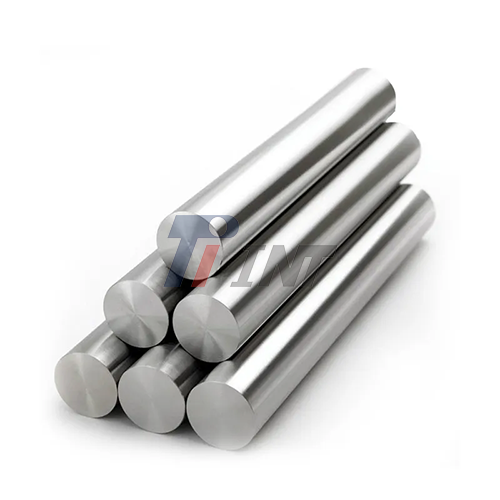
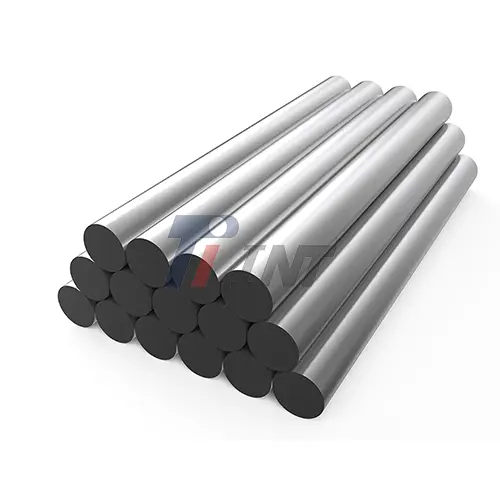
When you're sourcing materials for medical devices, the stakes couldn't be higher. Every implant, surgical instrument, and dental component you produce must meet rigorous safety, performance, and compliance standards. Among the most critical materials in our industry is the Gr2 Titanium Medical Bar—a commercially pure titanium grade that balances exceptional biocompatibility with mechanical reliability. Before committing to a supplier or placing a bulk order, understanding what separates a truly medical-grade titanium bar from standard industrial material can save you from costly production delays, compliance failures, and patient safety risks. This guide walks you through the essential factors every procurement manager, R&D engineer, and supply chain professional should evaluate when purchasing medical-grade titanium bars.
|
|
|
Understanding Gr2 Titanium Medical Bars: Properties and Benefits
Chemical Composition and Purity Standards
The Gr2 Titanium Medical Bar is made up of a carefully controlled mix of elements, mostly titanium but also small amounts of oxygen, iron, nitrogen, carbon, and hydrogen. Biocompatibility and mechanical efficiency are directly affected by the amount of purity. Keeping the oxygen level between 0.18 and 0.25% makes the material stronger without making it less flexible. Importantly, ASTM B348 guidelines say that hydrogen must stay below 0.015%; too much hydrogen can cause implants to fail in a very bad way. To make sure these limits are met, medical-grade bars are put through exact inert gas fusion tests. This makes sure that the material won't break down inside the body after decades of use.
Superior Corrosion Resistance and Biocompatibility
Grade 2 titanium forms a passive oxide layer that stays stable in body fluids, while other types of stainless steel can release nickel or chromium ions into the surrounding tissue. This natural barrier stops corrosion even in chloride-rich places like blood plasma. This means that there is no chance of metallosis or allergic reactions. For more than thirty years, studies have shown that titanium implants keep their shape with little ion release, making them the best choice for long-term orthopaedic and dental uses. This natural biocompatibility lowers the risk of complications after surgery and increases the longevity of implants, which directly lowers the number of patients who need to have revision surgery.
Mechanical Properties for Load-Bearing Applications
Medical titanium bars have a tensile strength of 345 to 483 MPa, which is strong enough for most implant designs without being as fragile as higher-strength metals. The material's elastic stiffness of about 103 GPa is very close to that of human bone. This lowers stress shielding, which happens when implants are too hard and weaken the bone around them. Fatigue resistance is also very important. Grade 2 titanium can handle millions of load cycles without cracking, which is important for hip stems, spine rods, and dental abutments that are used over and over again by patients.
Gr2 Titanium Medical Bars vs Alternative Materials: Informed Comparison
Gr2 Versus Gr5 Titanium Alloy
The tensile strength of Grade 5 (Ti-6Al-4V) is higher, at about 860 MPa. However, it contains aluminium and vanadium, which makes it less biocompatible for some uses. Even though the Gr2 Titanium Medical Bar isn't as strong as Grade 5, it's strong enough for most surgical instruments and many implant geometries. It's also easier to shape and weld. Machinability is very different. Grade 2 machines more smoothly with standard tools, which lowers the cost of production and the time it takes to set up. But the extra strength of Grade 5 ELI (Extra Low Interstitial) makes up for the more difficult processing for high-stress uses like trauma plates that need to hold a lot of weight.
Comparing Titanium to Stainless Steel
Surgical-grade stainless steel (316L) costs less per kilogram than titanium bars, which makes people on a budget more likely to buy it. But titanium is almost half as dense as steel, which means you need less of it to get the same strength, which brings down the cost difference. A different story is told by corrosion resistance: stainless steel slowly lets go of iron and chromium ions in physiological settings, which could lead to inflammation reactions. Titanium is bioinert, so this risk is completely gone. For permanent implants, the long-term costs of patient problems and device failures are much higher than the initial material savings. This means that titanium is the more cost-effective option when looking at the whole lifecycle.
Price Trends and Quality Benchmarks
The price of medical-grade titanium bars changes depending on how much it costs to process raw sponge titanium and how much it is available. On the market right now, Grade 2 bars that meet ASTM F67 standards cost between $35 and $55 per kilogram. Cheaper options often mean that the quality has been lowered, like industrial-grade titanium that has been renamed for medical use. Full traceability documentation, batch-specific test reports that confirm chemical composition, and compliance certificates from well-known testing laboratories are all examples of quality standards. Before placing big orders, buyers should make sure the material is real by asking for mill test certificates (MTCs) and third-party proof.
Buying Gr2 Titanium Medical Bars: Procurement Essentials for B2B Clients
Evaluating Supplier Certifications and Compliance
Reputable providers of the Gr2 Titanium Medical Bar keep their ISO 13485:2016 certification, which shows that their quality control systems meet the needs of making medical devices. In addition to ISO compliance, make sure that the providers have ASTM B348 and ASTM F67 material standards for surgical implants. For products going to the U.S., FDA registration and for products going to Europe, CE marking show that the supplier knows the rules and keeps records that can stand up to audits. Directly ask for proof of these certificates; general claims without proof should immediately raise red flags.
Lead Times, MOQs, and Customization Options
Standard diameter bars (from 6 mm to 300 mm) usually ship within 4 to 6 weeks from well-known makers who have enough in stock. Lead times can go up to 8 to 12 weeks if you need custom sizes, surface finishes, or special heat treatments. This depends on how long the production line is. Some providers will take orders as low as 50 kilograms for normal sizes, but for custom sizes, the minimum order quantity might need to be 200 to 500 kilograms to cover the costs of setting up the tools. Make these points clear early on in the conversation so that the times you need to buy things match the times you need to make things.
Cost Factors and Bulk Purchasing Advantages
The most important factor is the cost of the materials, which is affected by the price of titanium sponge and how hard it is to process. Other factors are the width (bigger bars need more forging passes), the length (longer bars cost more to handle and inspect for quality), and the surface finish needed (polished surfaces need more processing steps). Volume discounts usually start at 500 kilograms, and price drops of 8 to 15 percent are possible for yearly commitments of 1,000 kilograms or more. These savings have a direct effect on the cost of your finished device. They also give you priority production slots and make sure that the material qualities are the same from batch to batch.
When you're negotiating contracts, you might want to set up framework agreements that lock in prices for 12 months while letting you call off quantities as needed. This method keeps supplies flexible while protecting against changes in the prices of commodities. We've seen makers cut their buying costs by 12% a year by using just-in-time shipping and smart bulk purchases to keep their working capital from getting stuck in raw material inventory.
Manufacturing and Quality Assurance of Gr2 Titanium Medical Bars
Production Process and Material Integrity
Vacuum arc remelting (VAR) of titanium sponge makes ingots with a uniform chemical make-up, which is the first step in making the Gr2 Titanium Medical Bar. Multiple remelting processes get rid of segregation and lower the amount of pollution between the layers. At temperatures between 900°C and 1050°C, hot forging breaks down the cast structure. This reduces the size of the grains and makes the metal more regular in terms of how it works. Rolling processes decrease the diameter even more while improving the directionality. Controlling the temperature is still very important during the whole process. Too much heat makes oxygen absorb, which makes brittle alpha case layers on the surfaces that need to be cleared through acid pickling.
Quality Control Protocols and Testing Standards
At every stage of production, strict checking rules apply. Optical emission spectrometry (OES) and inert gas fusion (IGF) tests check the chemical makeup against the standards set by ASTM B348. Tensile testing shows that the basic standards for yield strength, maximum tensile strength, and elongation have been met. Guided bend tests at 105° angles make sure that the material won't break when it's cold-formed, which is a typical process in making devices. For heavy gauge bars that will be used in pressure-bearing situations, ultrasonic testing according to AMS 2631 Class A1 standards can find internal laminations or inclusions that can't be seen by looking at the surface.
Traceability and Documentation Requirements
Medical device laws require full material traceability from the source of the raw materials to the finished product. Suppliers you can trust will give you a lot of paperwork, like mill test certificates with real test values (not just usual ranges) and compliance statements that prove the product meets all the standards that apply. During gadget certification checks and post-market surveillance probes, this paperwork is very important. Suppliers should also keep records of how well all of their testing equipment is calibrated and get approval from groups like NADCAP or A2LA to show that their testing meets the high standards for accuracy used in flight.
Practical Applications and Future Trends of Gr2 Titanium Medical Bars in Healthcare
Current Medical Device Applications
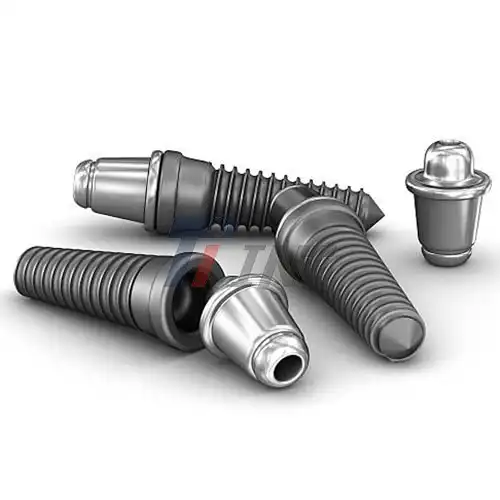
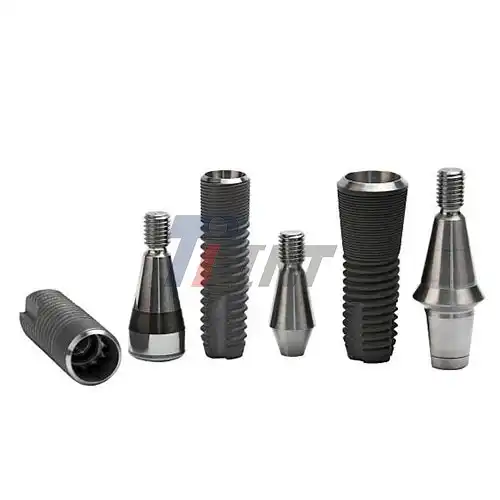
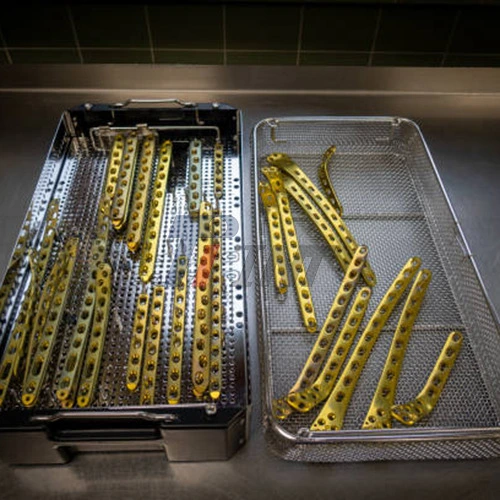
For hip replacements, orthopaedic implant makers cut Gr2 Titanium Medical Bars into femoral stems. They are also used to make intramedullary rods for long bone fractures and spinal fusion cages. The material's mild strength and high resistance to wear make it suitable for these load-bearing uses, and its biocompatibility keeps tissues from reacting badly. From bars with a smaller diameter, dental labs make implant abutments, special healing caps, and frames for prosthetics. Surgical instrument makers make retractors, forceps, and other specialised tools that need to be non-magnetic and work in MRI settings. Titanium's unique mix of strength, resistance to corrosion, and biocompatibility is used in all of these situations.
Emerging Surface Treatment Technologies
Advanced changes to the surface of implants make them work better than raw titanium alone. Plasma electrolytic oxidation (PEO) makes microporous layers that help bones fuse together more quickly. The formation of hydroxyapatite speeds up osseointegration, which cuts healing time from months to weeks. Antimicrobial silver ion solutions fight infections at the site of surgery without worrying about drug resistance. With these surface engineering methods, ordinary medical-grade bars can be turned into high-performance implant solutions that cost more but provide clearly better clinical outcomes. When companies invest in these technologies, they gain a competitive edge in markets for medical devices that are getting more complex.
Sustainability and Long-Term Value
Titanium is very durable, which has environmental benefits that aren't always taken into account when buying things. Implants that last 20 to 30 years lower the overall cost to the healthcare system of revision surgeries by reducing the need for operating room energy use, sterilisation chemical use, and medical waste production. Titanium scrap can be recycled and still has full material value after being processed again, which adds to its green qualities. As healthcare systems around the world put patient results and environmental duty at the top of their lists, titanium's long life makes it the perfect material for making responsible medical devices.
Conclusion
To find the best medical-grade titanium bar provider, you need to pay close attention to the validity of the certification, the ability to track down materials, and the seller's history of making high-quality products. Biocompatibility and mechanical reliability tests on the Gr2 Titanium Medical Bar have shown that it is a good material for many life-saving medical devices. You can protect both your brand's image and patients' safety by giving priority to suppliers who follow strict testing methods, keep thorough paperwork systems, and offer expert help throughout the entire product development cycle. The choices you make today about what to buy will have long-lasting effects on how well the device works, how long it takes for regulators to approve it, and finally, how well patients do in the future.
FAQ
Q1: Why Choose Gr2 Titanium Over Stainless Steel for Implants?
A: The Gr2 Titanium Medical Bar eliminates the ion release problems that come with stainless steel implants, so they don't cause metallosis or allergic reactions. Its density, which is about 4.5 g/cm³ compared to 8.0 g/cm³ for steel, makes implants lighter while keeping their strength, which makes patients more comfortable. The elastic modulus that is closer to that of real bone reduces stress shielding and keeps the mass of the bone around it. All of these things work together to make implants last longer and lower the number of surgeries needed to replace them.
Q2: Can Medical Titanium Bars Be Customized for Complex Designs?
A: Of course. Bars are often made in diameters, lengths, and tolerances that aren't standard so that they can meet specific machining needs. The surface finishes are as-forged to centerless ground, and the Ra value is less than 0.4 micrometres. Some providers offer near-net-shape forgings or blanks that have already been machined, which lowers the cost of extra processing. Talk about your design needs early on in the buying process to find ways to customise things that won't break the bank.
Q3: How Do I Verify Supplier Certification Authenticity?
A: Instead of taking copies from a seller, ask for the original certificates directly from the organisations that issued them. ISO 13485 certificates have registration numbers that can be checked in the files of approval bodies. Get in touch with the testing labs on the list to make sure that the test reports match what the supplier says. Do supplier audits that look at the actual production facilities, records of how the quality control equipment was calibrated, and the systems for keeping records. Reliable sellers see proof requests as chances to show how strict they are about compliance.
Partner with a Trusted Gr2 Titanium Medical Bar Supplier
Since 2003, Baoji INT Medical Titanium Co., Ltd. has been making medical-grade titanium products. Mr. Zhan Wenge has thirty years of experience in the titanium business. We make sure that every Gr2 Titanium Medical Bar we make meets the exact standards that your devices need by having full ISO 13485:2016 and CE certifications as well as full ASTM F67 compliance. We keep full records of where the raw materials come from to the point where they are inspected, which is what your regulatory submissions need. Our expert team can help you choose the right materials and make the most of your production processes, whether you need standard bar stock or custom-forged blanks for your next orthopaedic or dental application. Get in touch with us at export@tiint.com to talk about the details of your project and get a thorough price from a reputable manufacturer that is dedicated to advancing medical device innovation through high-quality titanium materials.
References
1. American Society for Testing and Materials. "ASTM F67-13: Standard Specification for Unalloyed Titanium, for Surgical Implant Applications." ASTM International, 2013.
2. Geetha, M., et al. "Ti based biomaterials, the ultimate choice for orthopaedic implants – A review." Progress in Materials Science, vol. 54, no. 3, 2009, pp. 397-425.
3. Long, Marc, and H.J. Rack. "Titanium alloys in total joint replacement—a materials science perspective." Biomaterials, vol. 19, no. 18, 1998, pp. 1621-1639.
4. International Organization for Standardization. "ISO 5832-2:2018: Implants for surgery — Metallic materials — Part 2: Unalloyed titanium." ISO Standards, 2018.
5. Niinomi, Mitsuo. "Mechanical properties of biomedical titanium alloys." Materials Science and Engineering: A, vol. 243, no. 1-2, 1998, pp. 231-236.
6. Wang, Kerong. "The use of titanium for medical applications in the USA." Materials Science and Engineering: A, vol. 213, no. 1-2, 1996, pp. 134-137.