


 2026-01-15 08:50:26
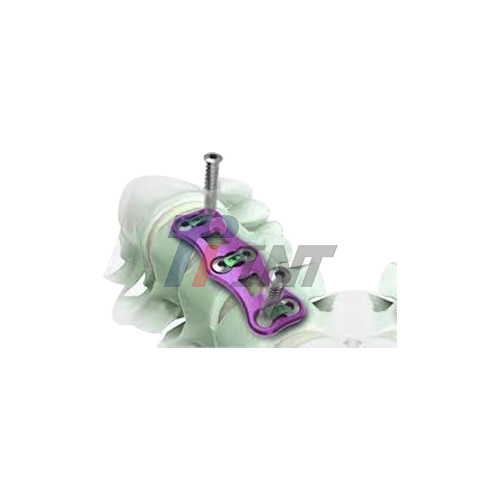
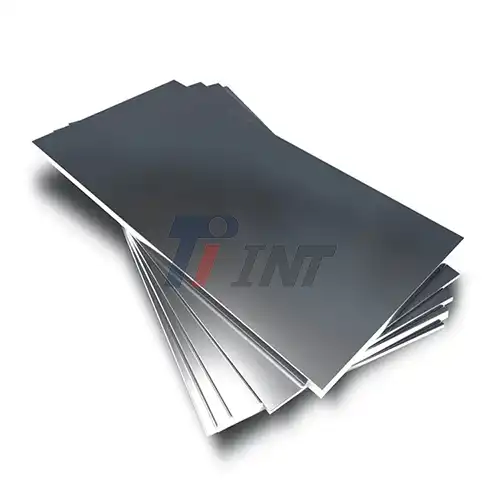
Understanding Neck Surgery Titanium Plates
Composition and Properties
Neck surgery titanium plates are typically crafted from medical-grade titanium alloys, such as Ti6Al4V ELI. These alloys combine titanium's inherent properties with additional elements to enhance performance. The resulting material exhibits remarkable strength, durability, and biocompatibility. Titanium's atomic structure allows it to form a stable oxide layer when exposed to air, contributing to its exceptional corrosion resistance. This property is particularly beneficial in the body's internal environment, where implants must withstand various biological fluids and processes.
Design and Customization
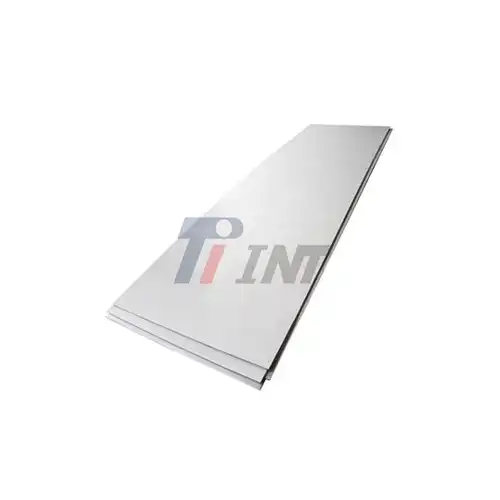
Modern neck surgery titanium plates are designed with precision and versatility in mind. Manufacturers like Baoji INT Medical Titanium Co., Ltd. offer plates in various thicknesses, typically ranging from 1.5 mm to 4.0 mm. The width and length can be customized based on specific surgical needs, with lengths extending up to 100 mm. This customization allows surgeons to select the most appropriate plate for each patient's unique anatomy and condition. Additionally, advanced manufacturing techniques, such as hot rolling and forging, enhance the mechanical properties of these plates, ensuring optimal strength and toughness.
Applications in Neck Surgery
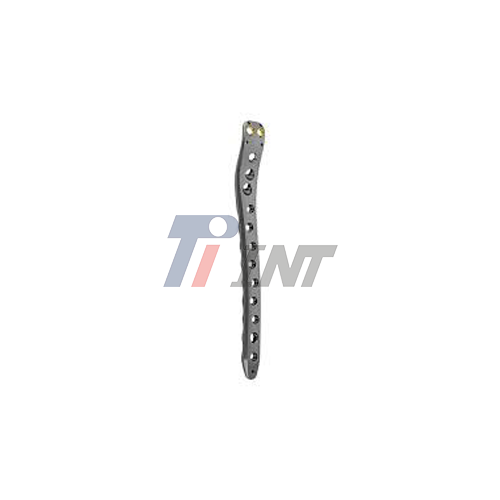
Neck surgery titanium plates find application in a wide range of cervical spine procedures. They are commonly used in spinal fusion surgeries to stabilize vertebrae and promote proper healing. In cases of traumatic neck injuries, these plates play a crucial role in aligning and stabilizing fractured bones. Reconstructive surgeries also benefit from titanium plates, as they provide the necessary structural support while minimizing the risk of complications. The versatility of titanium allows for the creation of specialized plates for specific cervical regions, ensuring optimal fit and function.
Advantages of Titanium over Stainless Steel
Biocompatibility and Osseointegration
One of the most significant advantages of titanium over stainless steel is its superior biocompatibility. Titanium's ability to integrate with living bone tissue, a process known as osseointegration, promotes faster healing and reduces the risk of implant rejection. This property is particularly crucial in neck surgery, where proper fusion and stability are essential for a successful outcome. Stainless steel, while generally well-tolerated, does not offer the same level of biological integration, potentially leading to longer recovery times and a higher risk of complications.
Weight and Comfort
Titanium's low density makes it significantly lighter than stainless steel, offering substantial benefits in neck surgery applications with a neck surgery titanium plate. A lighter implant reduces the burden on surrounding tissues and minimizes the risk of implant-related discomfort. Patients with titanium plates often report less awareness of the implant and greater comfort during daily activities. This lightweight nature is particularly advantageous in the cervical spine region, where excessive weight can impact mobility and cause strain on adjacent vertebrae.
Durability and Longevity
While both titanium and stainless steel offer high strength, titanium's superior corrosion resistance gives it a significant edge in long-term durability. Titanium implants are less likely to degrade over time, even when exposed to the body's corrosive environment. This longevity reduces the need for revision surgeries and ensures the implant remains stable and functional for years to come. Additionally, titanium's excellent fatigue resistance allows it to withstand the repetitive stresses of daily neck movements without compromising its structural integrity.
Technological Advancements in Titanium Plate Manufacturing
Innovative Production Techniques
The manufacturing of neck surgery titanium plates has seen significant advancements in recent years. Companies like Baoji INT Medical Titanium Co., Ltd. employ cutting-edge techniques such as precision forging and advanced machining to produce plates with exceptional accuracy and consistency. These processes allow for the creation of complex geometries and intricate features that enhance the plate's functionality and fit. Furthermore, surface treatment technologies can be applied to optimize the plate's interaction with biological tissues, promoting faster healing and reducing the risk of complications.
Quality Control and Certification
Rigorous quality control measures are essential in the production of medical-grade titanium plates such as the neck surgery titanium plate. Leading manufacturers implement comprehensive testing protocols, including ultrasonic inspections, to detect any flaws or inconsistencies in the material. Adherence to international standards such as ISO9001:2015 and ISO13485:2016 ensures that every plate meets the highest quality and safety requirements. Additionally, obtaining certifications like the EU CE mark demonstrates compliance with stringent European regulations, providing surgeons and patients with confidence in the product's reliability and performance.
Future Directions in Titanium Plate Technology
The field of neck surgery titanium plates continues to evolve, with ongoing research focusing on further enhancing their performance and biocompatibility. Emerging technologies, such as 3D printing and nanotechnology, hold promise for creating even more personalized and effective implants. Scientists are exploring ways to incorporate bioactive coatings that can promote faster bone growth and reduce the risk of infection. As our understanding of biomaterials and tissue interactions advances, we can expect to see titanium plates that offer even greater benefits in terms of patient outcomes and long-term success rates.
Conclusion
Neck surgery titanium plates represent a significant advancement in cervical spine procedures, offering numerous advantages over traditional stainless steel implants. Their exceptional biocompatibility, lightweight nature, and durability make them an ideal choice for surgeons seeking to optimize patient outcomes. As technology continues to advance, we can expect further innovations in titanium plate design and manufacturing, leading to even more effective and patient-friendly solutions. For those interested in learning more about state-of-the-art medical titanium products, including neck surgery titanium plates, Baoji INT Medical Titanium Co., Ltd. offers expert guidance and high-quality solutions. Contact them at export@tiint.com for more information on their comprehensive range of medical titanium materials.
FAQ
Are titanium plates safe for long-term use in neck surgery?
Yes, titanium plates are extremely safe for long-term use. Their excellent biocompatibility and corrosion resistance make them ideal for permanent implantation.
Can titanium plates cause allergic reactions?
Allergic reactions to titanium are extremely rare. Titanium is known for its hypoallergenic properties, making it suitable for most patients.
How long do titanium neck plates last?
With proper surgical technique and patient care, titanium neck plates can last a lifetime. Their durability and resistance to wear make them a long-lasting solution.
Are titanium plates visible on X-rays?
Yes, titanium plates are visible on X-rays, allowing for easy post-operative monitoring and assessment.
References
1. Baoji INT Medical Titanium Co., Ltd. (2023). Product Catalog and Specifications.
2. American Academy of Orthopaedic Surgeons. (2022). Cervical Spinal Fusion.
3. Journal of Orthopaedic Surgery and Research. (2021). Comparative study of titanium and stainless steel in spinal implants.
4. International Journal of Biomaterials. (2020). Advancements in Titanium Biomaterials for Medical Applications.
5. European Spine Journal. (2019). Long-term outcomes of titanium cervical disc implants: A systematic review.
_1752644608314.webp)
_1750668472070.webp)
_1749195818446.webp)