
OEM Gr4 Titanium Plate Solutions for Healthcare Manufacturers


 2026-08-12 10:43:47
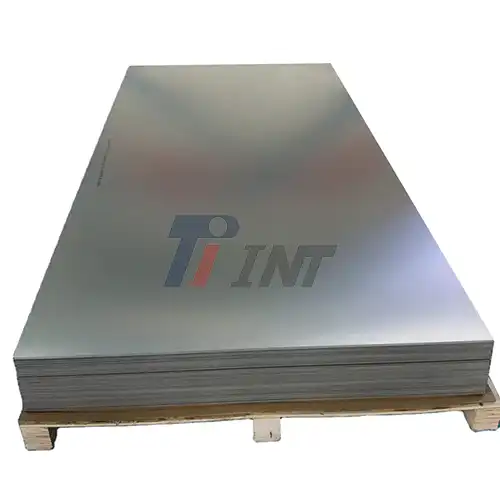
When healthcare manufacturers search for reliable materials to produce surgical implants and medical devices, the Gr4 Medical Titanium Plate Thk 1mm stands out as a proven solution combining exceptional biocompatibility with mechanical reliability. This commercial-grade pure titanium offers superior strength compared to lower grades while maintaining the corrosion resistance and non-reactive properties essential for long-term implantation. We understand that procurement managers and R&D engineers face immense pressure to source materials that meet stringent FDA, ISO, and CE compliance standards while delivering consistent performance in critical medical environments. Our OEM solutions address these challenges directly, providing certified Grade 4 titanium plates engineered specifically for healthcare manufacturing applications.
|
|
|
Understanding Grade 4 (Gr4) Titanium Plates for Medical Use
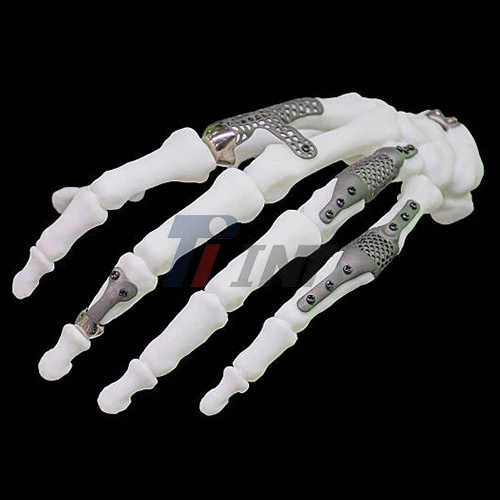
Grade 4 titanium is the strongest grade of commercially pure titanium. This makes it very useful in orthopaedic and dental uses where biocompatibility standards are met by mechanical durability. Grade 4 titanium has a slightly higher oxygen content than Grade 2, which is used in general medicine. This means that it can withstand tensile pressures of up to 550 MPa and still prevent corrosion in body fluids. This difference is very important when making trauma fixation devices or craniomaxillofacial reconstruction plates that have to handle complicated loading patterns while the bone heals.
Chemical Composition and Mechanical Superiority
Controlled interstitial elements in Grade 4 titanium, especially oxygen amounts between 0.35% and 0.40%, make it stronger without making it harder to shape. We use strict quality control during vacuum arc remelting to keep iron contamination below 0.30%. This keeps rust spots from forming, which could cause inflammation reactions. The modulus of elasticity is close to 110 GPa, which is similar to the qualities of cortical bone and lessens the stress-shielding effects that are common with stainless steel options.
Why 1mm Thickness Matters in Surgical Applications?
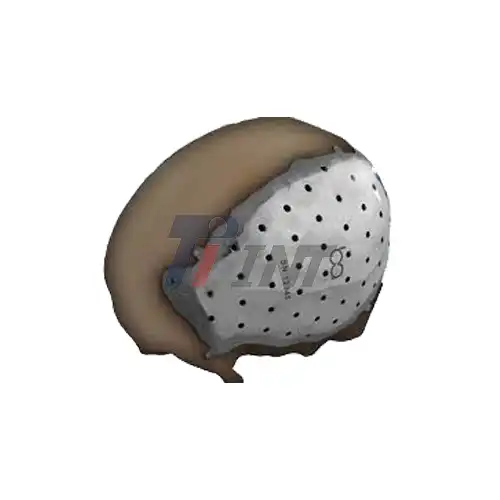
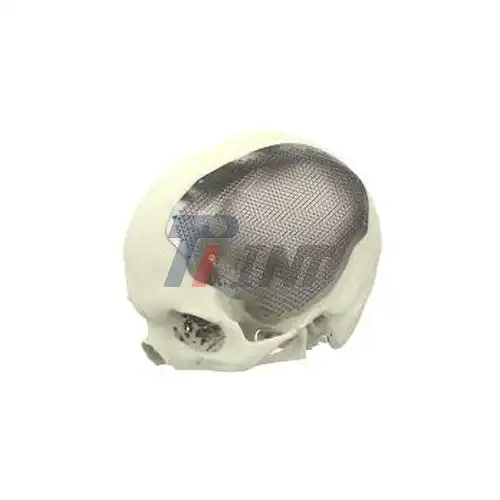
The width requirement of 1 mm is the best compromise between ease of surgery handling and implant performance. Surgeons like this dimension because it lets them shape the bone during surgery to fit each person's unique anatomy. This is especially important for CMF reconstruction, where plates have to fit around complicated cranial curves. The 1mm profile keeps things hidden while still providing enough support for bone fixation, unlike thicker plates that make surfaces feelable under thin soft tissue. Our precise rolling process makes sure that thickness tolerances are kept to within ±0.05mm, which is necessary for screw engagement and plate stability to be consistent.
Real-World Applications Demonstrating Safety
Our Grade 4 plates are often used by orthopaedic doctors in locked compression systems to treat femoral and tibial fractures. The material's wear resistance means that the plates can withstand millions of loading cycles while the patient recovers. Dental workers use the material's osseointegration properties to create stable bone-to-implant interfaces when they attach these plates to implant frames that hold multiple unit prostheses. Spinal surgeons like that the material stays the same size during autoclave sterilisation cycles. This keeps the device's integrity from the time it's made until it's implanted. These uses show how choosing the right material has a direct effect on how well patients do and how long devices last.
OEM Value Proposition: Why Choose Custom Gr4 Titanium Plates for Healthcare Manufacturers?
Custom OEM partnerships let medical device companies turn design ideas into legal products like Gr4 Medical Titanium Plate Thk 1mm without having to buy expensive equipment for processing titanium. From choosing the materials to the final review, we work closely with your engineering teams to make sure that every plate meets all of your exact requirements for thickness, surface finish, and dynamic properties. This way of working together is especially helpful for new companies that are coming up with new attachment systems or for established companies that are growing their product lines to include new uses in the body.
Certification Standards That Build Market Confidence
Our factory has both ISO 9001:2015 quality management approval and ISO 13485:2016 medical device-specific standards. This shows that we have structured process control from checking the raw materials to packaging them all up. The EU CE safety approval shows that the product meets the standards of the Medical Device Regulation (MDR). This makes it easier for healthcare systems across Europe to use the product on the market. When your procurement team checks suppliers or when regulatory submissions need detailed material traceability paperwork, these qualifications are very important. For every production lot, we give full mill test reports that list the chemical makeup, mechanical test results, and heat treatment parameters.
Precision Manufacturing Processes
We use advanced cold-rolling methods to make the material 1 mm thick while keeping its alpha-phase architecture, which has a direct effect on how well it resists wear and how easily it can be shaped. There are different ways to finish the surface, from a standard mill finish with controlled roughness to make cells stick better to surfaces that are polished to make moving parts less frictional. Our ultrasonic testing methods are based on AMS 2631 Class A1 standards. They find internal discontinuities bigger than 0.8 mm in diameter that could turn into fatigue cracks. Because of this careful attention to detail during production, implants work reliably for the whole time they are supposed to.
Quality Assurance Protocols Supporting Medical-Grade Requirements
In addition to normal material testing, we also do biocompatibility screening, which includes cytotoxicity and endotoxin testing, to make sure that surfaces are free of any production leftovers. Grain size research shows that the best mechanical qualities and machining features are found in fine equiaxed structures, which are usually ASTM G5 or finer. Coordinate measuring machines are used in our dimensional inspection procedures to check for flatness, straightness, and uniform thickness. These are all factors that have a direct effect on how well your downstream machining works and how much scrap you have. These thorough quality controls help you keep your brand's good name and show that you care about patient safety.
Comparing Gr4 Titanium Plates with Other Medical Implant Materials
When choosing materials, you have to weigh a lot of performance criteria against cost and regulatory compliance deadlines. Procurement professionals can make better decisions that meet both technical needs and business goals when they know how Grade 4 titanium stacks up against other materials.
Mechanical Strength and Patient Safety Analysis
Stainless steel alloys, such as 316L, have a higher tensile strength of about 580 MPa. However, their density makes implants heavier, and the fact that their modulus doesn't match bone's makes it easier to protect against stress. Cobalt-chromium alloys are great for moving surfaces because they don't wear down easily, but they can kill cells when metal ions are released, which makes long-term use risky. The biocompatibility profile of grade 4 titanium is still unmatched. It forms stable oxide layers that protect surfaces from rusting in physiological settings with proteins and chloride ions. A lot of clinical data from over 20 years shows that failure rates due to material biocompatibility problems are very low.
Thickness Considerations: 1mm vs 0.8mm Performance
There are important changes in how to handle and build Gr4 Medical Titanium Plate Thk 1mm plates that are 1 mm and 0.8 mm thick. Thinner 0.8mm profiles make it harder to see implants under soft tissue, which is good for cosmetic facial reconstruction, but they lose bending resistance, which is important for load-bearing uses. The 1 mm thickness gives the section modulus 56% more strength, which directly means that it is less likely to deform when contouring. Surgeons say that shaping 1mm material to match bone surfaces makes plate behaviour more predictable. This cuts down on working time and improves fixing accuracy. In addition, this width lets screw heads that are bigger spread compressive loads more evenly across bone surfaces.
Cost-Benefit Analysis for Procurement Decisions
The initial cost of Grade 4 titanium is about 40 to 60 percent higher than options made of stainless steel. However, titanium is often a better choice for permanent implants because it lasts longer. Because the material doesn't corrode, revision treatments aren't needed when implants break down. This lowers total healthcare costs and makes patients happier. Titanium's biocompatibility makes it easier for manufacturers to keep track of their inventory because the same materials can be used across multiple product lines. Prices on the market show that titanium is becoming more available as production capacity grows in aircraft and industry. This makes titanium more cost-competitive over time. Through promises to quantities and working together on forecasts, strategic relationships with suppliers help get the best prices.
Procurement Guide for 1mm Gr4 Titanium Medical Plates
For buying strategies to work, they need to evaluate suppliers in a planned way, communicate specifications clearly, and set realistic deadlines. Healthcare companies that have to deal with strict government oversight can't have major mistakes or delivery delays that throw off their production schedules.
Sourcing Certified Suppliers with Medical Expertise
Check the supplier's ISO 13485 certification and ask for audit reports that show they are maintaining compliance as the first step in the qualification process. Check to see how much experience the seller has making medical-grade titanium instead of general industry grades. The manufacturing standards for these are very different when it comes to cleanliness and tracking. Ask for samples of the materials so that they can be tested by someone else to make sure they meet your requirements for mechanical qualities, grain structure, and surface contamination levels. We keep full records of every coil from the time it is vacuum-melted until it is inspected for quality assurance. This gives medical device submissions the traceability they need.
Understanding Lead Times and MOQ Requirements
Standard production wait times for special Grade 4 plates are between six and ten weeks, which includes getting the materials, processing them, inspecting them, and making the paperwork. The minimum order quantity depends on the thickness and width requirements. For example, our 1mm plates usually need at least 100 kilograms to cover setup costs and make sure that the material is consistent across production runs. Planning your buying cycles around your production plans will help you avoid having to pay more for faster shipping and make sure the quality is right before putting it all together in production. For long-term partners, we offer vendor-managed inventory programs that keep agreed-upon stock levels that keep your material flow smooth and lower your working capital needs.
Customization Options Supporting Device Integration
Specifications for the surface finish have a big effect on both the production process and how living things react to it. Standard mill finish gives a controlled roughness range of 0.8 to 1.6 μm, which is good for most implant uses and works with extra steps like laser writing or plasma finishing. Polished finishes that lower the hardness below Ra 0.4 μm are good for devices that need to have little contact or be easier to clean. Customisation of dimensions goes beyond thickness and includes specifications for flatness, edge conditioning, and width tolerances that affect your stamping or machining operations. We work with your research teams to find the best material specs that meet performance needs and make production as efficient as possible.
Wholesale Purchasing Strategies for Supply Chain Stability
Long-term supply deals for Gr4 Medical Titanium Plate Thk 1mm make prices more stable and make sure that capacity is allocated evenly during times of high market demand. Framework contracts with quarterly or semi-annual call-offs give you the freedom to adapt to actual consumption patterns while securing price advantages based on volume. For business stability, you might want to think about dual-sourcing methods that involve finding qualified backup suppliers who can provide similar material quality when the main seller goes down. We value partnerships based on open communication and progress for both parties. As part of our professional support, we offer more than just materials; we also offer application engineering help and process optimisation suggestions.
Building Trust: Choosing the Right OEM Supplier for Gr4 Titanium Medical Plates
The choice of supplier is one of the most important decisions that affects the quality of the product, compliance with regulations, and the long-term success of the business. The right partnership is more than just a source of goods; it's a long-term connection that helps with creativity and market competitiveness.
Evaluation Criteria for Supplier Qualification
A supplier's name in the industry can tell you a lot about how reliable they are and how consistent their quality is. Find out how long the supplier has been in the medical titanium market and ask for references from customers who have used the supplier's products in similar situations. Manufacturing openness is very important. Suppliers who are sure of their quality systems are happy to have their facilities audited and are open about process controls, equipment capabilities, and efforts to keep getting better. Baoji INT Medical Titanium Co., Ltd. has been in the medical device business since 2003. They have built up their knowledge by focusing on developing medical-grade materials for more than 20 years and keeping relationships with the world's top orthopaedic and dental makers.
How Certification Adds Portfolio Value?
Getting your materials from certified suppliers makes the regulatory process easier because they provide reliable proof that your devices are safe to send to the FDA, notified bodies, and international regulatory authorities. As part of our full test results, we include chemical analysis using ICP-OES spectrometry, proof of mechanical properties according to ASTM standards, and biocompatibility data to support ISO 10993 evaluations. This level of documentation shortens the time it takes for regulators to review products and shows that suppliers have been properly qualified—both of which are very important as global regulatory scrutiny of medical devices continues to grow.
Post-Sale Support Ensuring Manufacturing Success
The ability to provide technical support sets special sellers apart from vendors of common materials. During the whole process of making your product, our engineering team is there to help with questions about choosing the right materials, setting the right processing parameters, and fixing quality issues. Material defect warranties protect against unplanned production delays, and fast reaction procedures make sure that any quality problems are fixed quickly. Traceability systems that connect finished devices to specific lots of materials make it easy to look into problems in the field, which helps you meet your post-market tracking responsibilities. These support services add value that goes far beyond the price of the goods themselves. They directly affect how well your business runs and how well your product is known.
Conclusion
Choosing the right OEM partner for Gr4 Medical Titanium Plate Thk 1mm has a big effect on your ability to make medical devices that are safe, reliable, and meet regulatory standards and clinical performance expectations. The thickness specification of 1 mm is the best for a wide range of surgical uses because it balances mechanical strength with surgical handling properties. We know that healthcare makers have to deal with a lot of difficult problems, like meeting strict safety standards and performance standards, and we have set up our business to meet these needs. Long-term partnerships that work well together are built on our dedication to quality, which is shown by our many certifications and strict process controls. If you choose a seller that knows a lot about the medical field and has a history of making things, you not only get materials, but also a strategic edge that helps you come up with new ideas and be successful in the market.
FAQ
Q1: What Makes Grade 4 Titanium Superior for Medical Implants?
A: Grade 4 titanium is the strongest grade of available pure titanium. It is also very biocompatible, which is important for long-term implants. The managed amount of oxygen makes the material stronger up to about 550 MPa without weakening its ability to fight corrosion in physiological settings. This mix works great for load-bearing orthopaedic uses and trauma fixation devices that need to be both strong and safe for living things.
Q2: Why Is 1mm Thickness Optimal for Surgical Applications?
A: The 1 mm thickness gives the structure enough strength to fixate the bone and lets surgeons shape the plates to fit each person's unique anatomy. This size keeps the profile low and visible under soft tissue, which makes the patient less uncomfortable, and it also has enough bending resistance to keep the plastic from deforming during installation. The thickness also works with standard screw types that are used in orthopaedic and CMF reconstruction treatments.
Q3: How Do I Evaluate OEM Supplier Reliability?
A: Check that the medical device quality system is in line with ISO 13485 certification, and ask for site audit records to make sure that it stays that way. Check to see how much knowledge the seller has with medical-grade titanium instead of general industrial uses. Ask for samples of the material to be tested by a third party, and look over the quality of the paperwork, such as traceability systems, test results, and expert support that meets your production and regulatory needs.
Partner with Baoji INT Medical Titanium Co., Ltd. for Superior Gr4 Titanium Solutions
Baoji INT Medical Titanium Co., Ltd. has more than 20 years of experience making medical-grade titanium and can help you with the development of your medical device. As an established Gr4 Medical Titanium Plate Thk 1mm provider, we combine advanced production tools and quality systems that are approved to ISO 9001:2015, ISO 13485:2016, and EU CE standards. Our engineering team works closely with your R&D and purchasing teams, giving expert advice from the time you choose your first materials to the time you start making more of them. We provide consistent quality with full traceability paperwork, whether you need standard specifications or unique measurements that fit your own device designs. Get in touch with our team at export@tiint.com to talk about your specific needs and find out how our OEM solutions can speed up the development of your product while still meeting regulatory requirements and ensuring clinical performance. We want you to see for yourself why leading medical device companies around the world trust us as a supplier: our commitment to partnership and excellence in manufacturing.
References
1. American Society for Testing and Materials. (2021). ASTM F67-13: Standard Specification for Unalloyed Titanium for Surgical Implant Applications. ASTM International.
2. Rack, H.J. and Qazi, J.I. (2006). "Titanium alloys for biomedical applications." Materials Science and Engineering: C, 26(8), pp.1269-1277.
3. International Organization for Standardization. (2016). ISO 13485:2016 Medical Devices — Quality Management Systems. ISO Standards Catalogue.
4. Niinomi, M. (2008). "Mechanical biocompatibilities of titanium alloys for biomedical applications." Journal of the Mechanical Behavior of Biomedical Materials, 1(1), pp.30-42.
5. Brunette, D.M., Tengvall, P., Textor, M., and Thomsen, P. (2012). Titanium in Medicine: Material Science, Surface Science, Engineering, Biological Responses and Medical Applications. Springer-Verlag Berlin Heidelberg.
6. Williams, D.F. (2019). "Challenges With the Development of Biomaterials for Sustainable Tissue Engineering." Frontiers in Bioengineering and Biotechnology, 7, pp.127-145.
_1772162494331.jpg)
_1752644608314.webp)